Sung Yong Kiel, Kim Sung Wan
Department of Chemistry, College of Science, Dongguk University, Phildong-ro, Seoul, 04620 South Korea.
Department of Pharmaceutics and Pharmaceutical Chemistry, Center for Controlled Chemical Delivery, University of Utah, BPRB, Room 205, Salt Lake City, UT 84112 USA.
Biomater Res. 2020 Jun 6;24:12. doi: 10.1186/s40824-020-00190-7. eCollection 2020.
Polymeric drug delivery systems have been achieved great development in the last two decades. Polymeric drug delivery has defined as a formulation or a device that enables the introduction of a therapeutic substance into the body. Biodegradable and bio-reducible polymers make the magic possible choice for lot of new drug delivery systems. The future prospects of the research for practical applications has required for the development in the field.
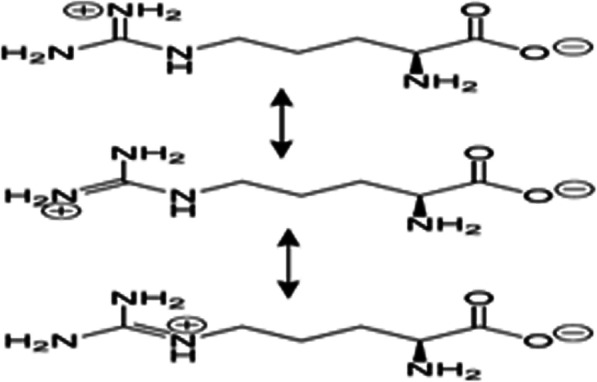
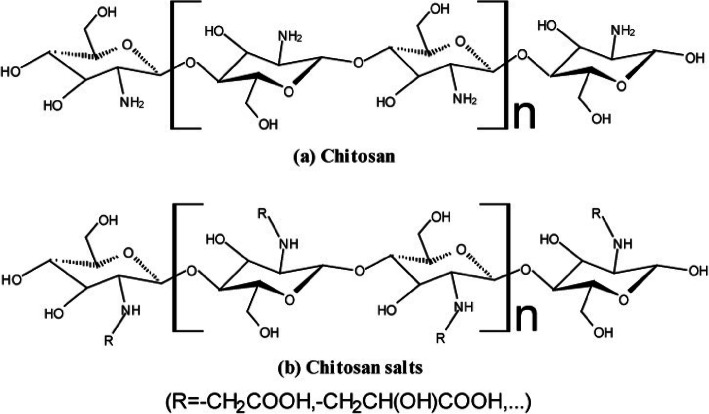
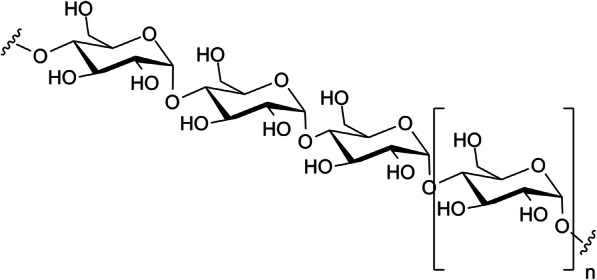
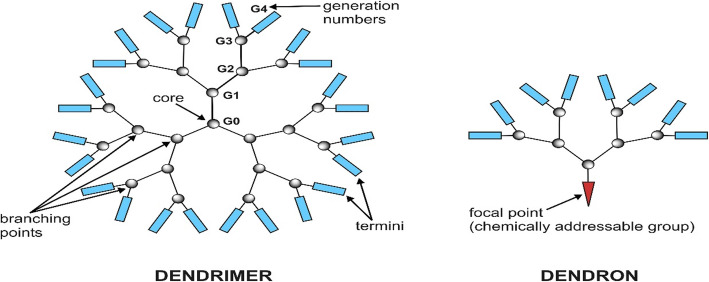
Natural polymers such as arginine, chitosan, dextrin, polysaccharides, poly (glycolic acid), poly (lactic acid), and hyaluronic acid have been treated for polymeric drug delivery systems. Synthetic polymers such as poly (2-hydroxyethyl methacrylate), poly(N-isopropyl acrylamide)s, poly(ethylenimine)s, dendritic polymers, biodegradable and bio-absorbable polymers have been also discussed for polymeric drug delivery. Targeting polymeric drug delivery, biomimetic and bio-related polymeric systems, and drug-free macromolecular therapeutics have also treated for polymeric drug delivery. In polymeric gene delivery systems, virial vectors and non-virial vectors for gene delivery have briefly analyzed. The systems of non-virial vectors for gene delivery are polyethylenimine derivatives, polyethylenimine copolymers, and polyethylenimine conjugated bio-reducible polymers, and the systems of virial vectors are DNA conjugates and RNA conjugates for gene delivery.
The development of polymeric drug delivery systems that have based on natural and synthetic polymers are rapidly emerging to pharmaceutical fields. The fruitful progresses have made in the application of biocompatible and bio-related copolymers and dendrimers to cancer treatment, including their use as delivery systems for potent anticancer drugs. Combining perspectives from the synthetic and biological fields will provide a new paradigm for the design of polymeric drug and gene delivery systems.
在过去二十年中,聚合物药物递送系统取得了巨大发展。聚合物药物递送被定义为一种能够将治疗物质引入体内的制剂或装置。可生物降解和生物可还原的聚合物成为许多新型药物递送系统的理想选择。该领域的发展需要对实际应用的研究具有未来前景。
天然聚合物如精氨酸、壳聚糖、糊精、多糖、聚乙醇酸、聚乳酸和透明质酸已被用于聚合物药物递送系统。合成聚合物如聚甲基丙烯酸2-羟乙酯、聚N-异丙基丙烯酰胺、聚乙烯亚胺、树枝状聚合物、可生物降解和生物可吸收的聚合物也已在聚合物药物递送方面进行了讨论。靶向聚合物药物递送、仿生和生物相关聚合物系统以及无药大分子疗法也已在聚合物药物递送方面进行了探讨。在聚合物基因递送系统中,对用于基因递送的病毒载体和非病毒载体进行了简要分析。用于基因递送的非病毒载体系统是聚乙烯亚胺衍生物、聚乙烯亚胺共聚物和聚乙烯亚胺共轭生物可还原聚合物,用于基因递送的病毒载体系统是DNA共轭物和RNA共轭物。
基于天然和合成聚合物的聚合物药物递送系统正在迅速进入制药领域。在将生物相容性和生物相关共聚物及树枝状聚合物应用于癌症治疗方面取得了丰硕进展,包括将它们用作强效抗癌药物的递送系统。结合合成和生物领域的观点将为聚合物药物和基因递送系统的设计提供新的范例。