Department of Human Genetics, Graduate School of Medicine, The University of Tokyo, Tokyo, Japan.
Department of Pediatrics, Kobe University Graduate School of Medicine, Kobe, Japan.
Kidney Int. 2020 Nov;98(5):1308-1322. doi: 10.1016/j.kint.2020.05.029. Epub 2020 Jun 14.
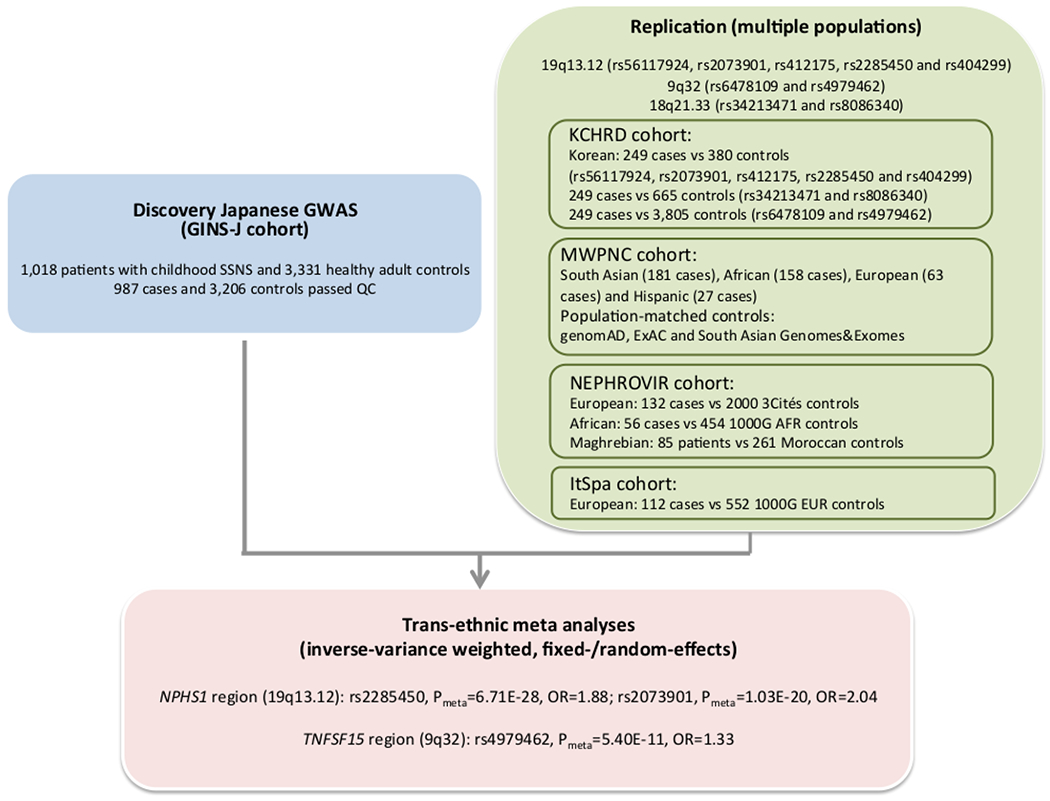
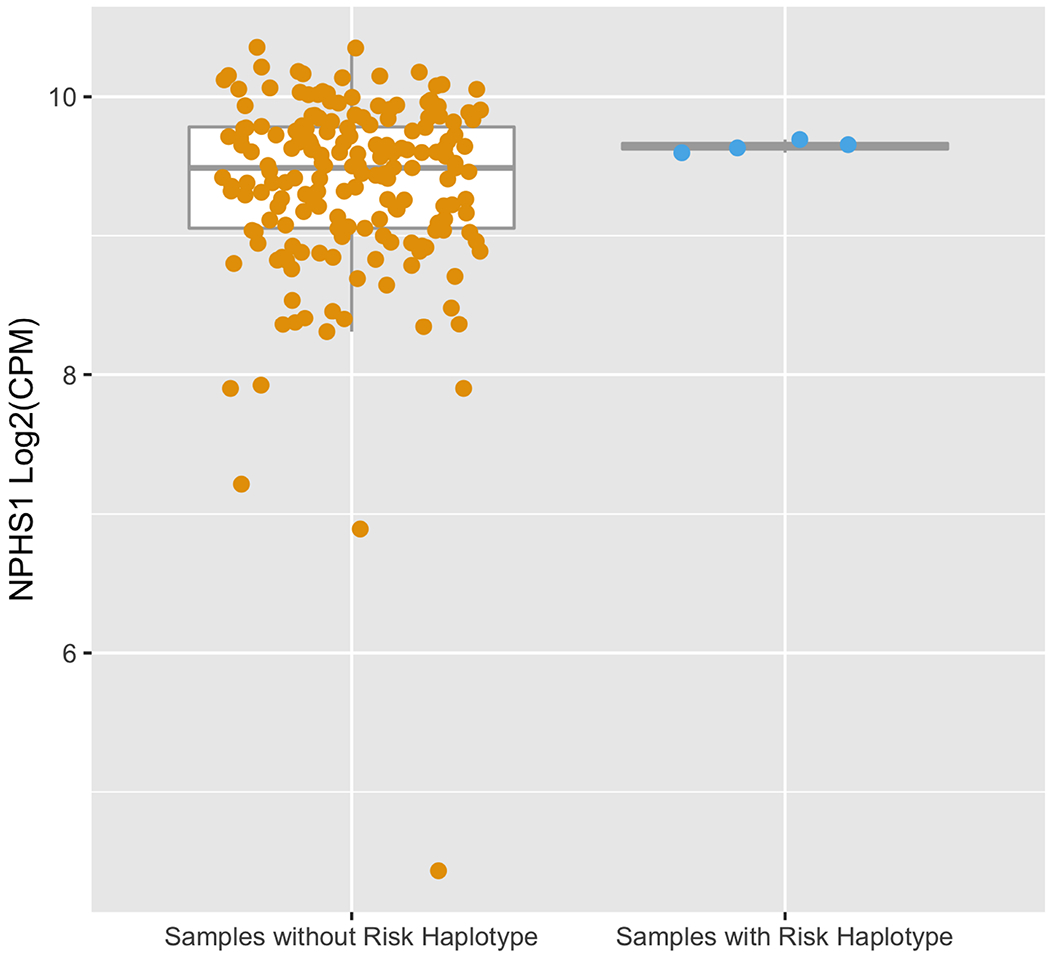
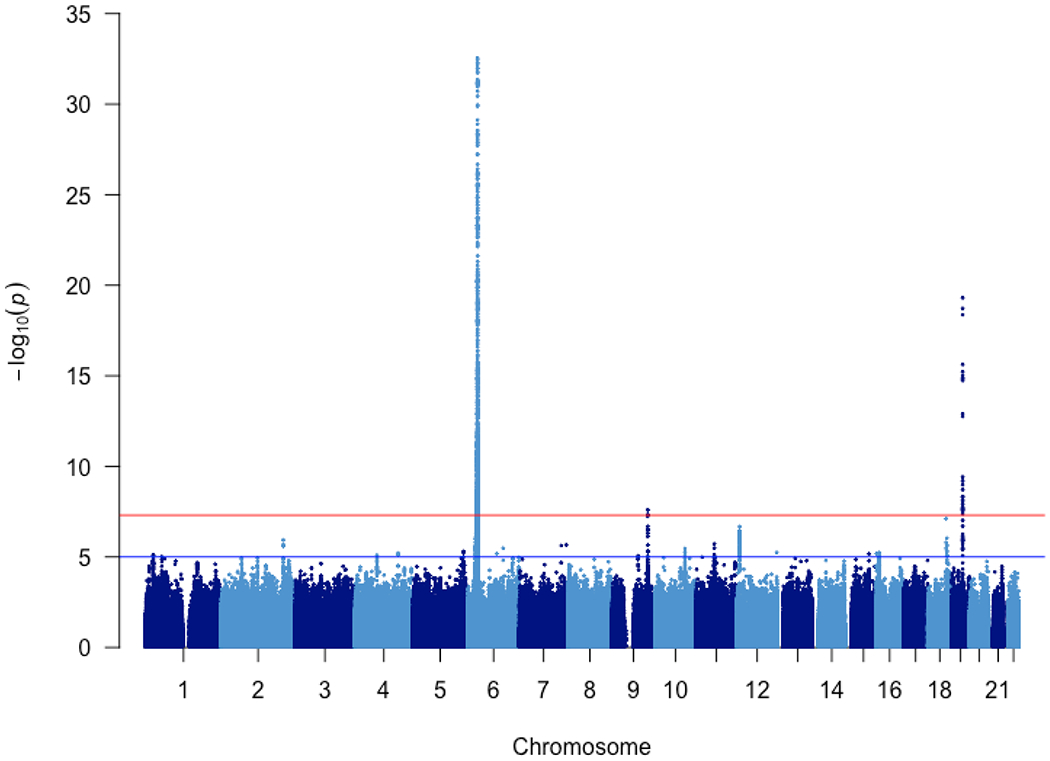
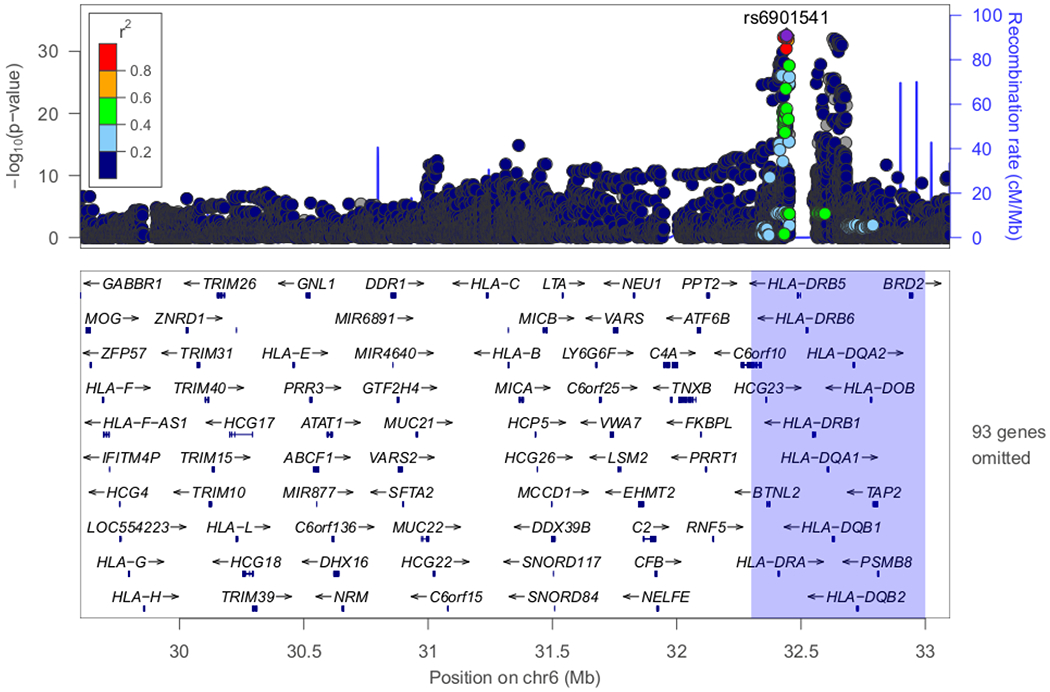
To understand the genetics of steroid-sensitive nephrotic syndrome (SSNS), we conducted a genome-wide association study in 987 childhood SSNS patients and 3,206 healthy controls with Japanese ancestry. Beyond known associations in the HLA-DR/DQ region, common variants in NPHS1-KIRREL2 (rs56117924, P=4.94E-20, odds ratio (OR) =1.90) and TNFSF15 (rs6478109, P=2.54E-8, OR=0.72) regions achieved genome-wide significance and were replicated in Korean, South Asian and African populations. Trans-ethnic meta-analyses including Japanese, Korean, South Asian, African, European, Hispanic and Maghrebian populations confirmed the significant associations of variants in NPHS1-KIRREL2 (P=6.71E-28, OR=1.88) and TNFSF15 (P=5.40E-11, OR=1.33) loci. Analysis of the NPHS1 risk alleles with glomerular NPHS1 mRNA expression from the same person revealed allele specific expression with significantly lower expression of the transcript derived from the risk haplotype (Wilcox test p=9.3E-4). Because rare pathogenic variants in NPHS1 cause congenital nephrotic syndrome of the Finnish type (CNSF), the present study provides further evidence that variation along the allele frequency spectrum in the same gene can cause or contribute to both a rare monogenic disease (CNSF) and a more complex, polygenic disease (SSNS).
为了了解类固醇敏感性肾病综合征(SSNS)的遗传学基础,我们对 987 名日本裔儿童 SSNS 患者和 3206 名健康对照进行了全基因组关联研究。除了 HLA-DR/DQ 区域的已知关联外,在 NPHS1-KIRREL2 (rs56117924,P=4.94E-20,优势比(OR)=1.90)和 TNFSF15 (rs6478109,P=2.54E-8,OR=0.72)区域的常见变异也达到了全基因组显著水平,并在韩国、南亚和非洲人群中得到了复制。包括日本、韩国、南亚、非洲、欧洲、西班牙裔和马格里布人群在内的跨种族荟萃分析证实了 NPHS1-KIRREL2 (P=6.71E-28,OR=1.88)和 TNFSF15 (P=5.40E-11,OR=1.33)位点变异的显著关联。对来自同一人群的肾小球 NPHS1 中 NPHS1 风险等位基因的 mRNA 表达分析显示,等位基因特异性表达导致来自风险单倍型的转录物表达显著降低(Wilcox 检验 p=9.3E-4)。由于 NPHS1 的罕见致病性变异导致芬兰型先天性肾病综合征(CNSF),本研究进一步证明,在同一基因中沿着等位基因频率谱的变异可以导致或促成罕见的单基因疾病(CNSF)和更复杂的多基因疾病(SSNS)。