Higuchi Masakazu, Nakamura Mitsuteru, Shinohara Shuji, Omiya Yasuhiro, Takano Takeshi, Mitsuyoshi Shunji, Tokuno Shinichi
Department of Bioengineering, Graduate School of Engineering, The University of Tokyo, Tokyo, Japan.
Department of Pharmacology, School of Medicine, The University of Texas Health Science Center at San Antonio, San Antonio, TX, United States.
JMIR Form Res. 2020 Jul 20;4(7):e16455. doi: 10.2196/16455.
We developed a system for monitoring mental health using voice data from daily phone calls, termed Mind Monitoring System (MIMOSYS), by implementing a method for estimating mental health status from voice data.
The objective of this study was to evaluate the potential of this system for detecting depressive states and monitoring stress-induced mental changes.
We opened our system to the public in the form of a prospective study in which data were collected over 2 years from a large, unspecified sample of users. We used these data to analyze the relationships between the rate of continued use, the men-to-women ratio, and existing psychological tests for this system over the study duration. Moreover, we analyzed changes in mental data over time under stress from particular life events.
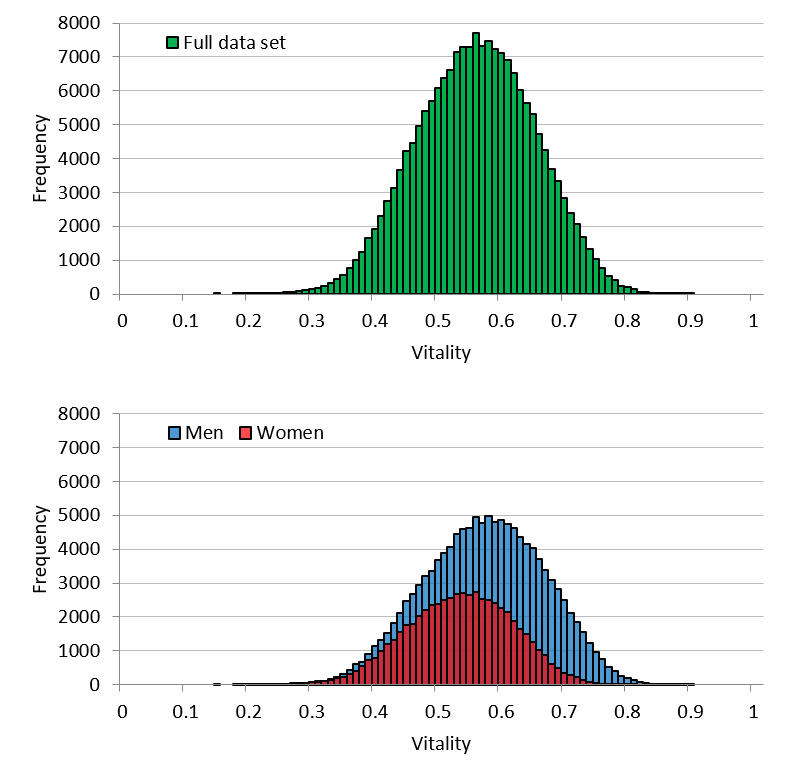
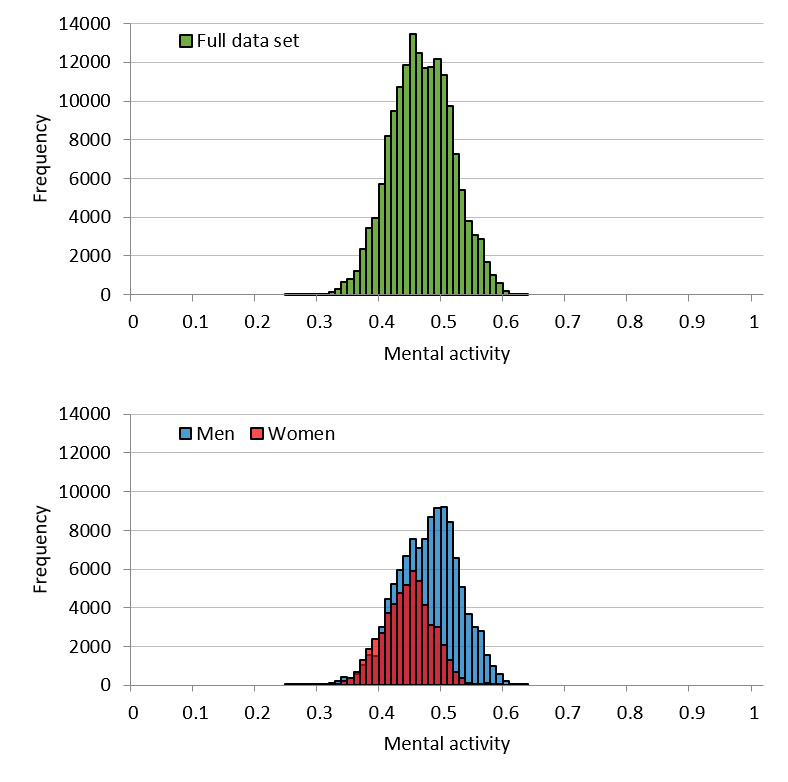
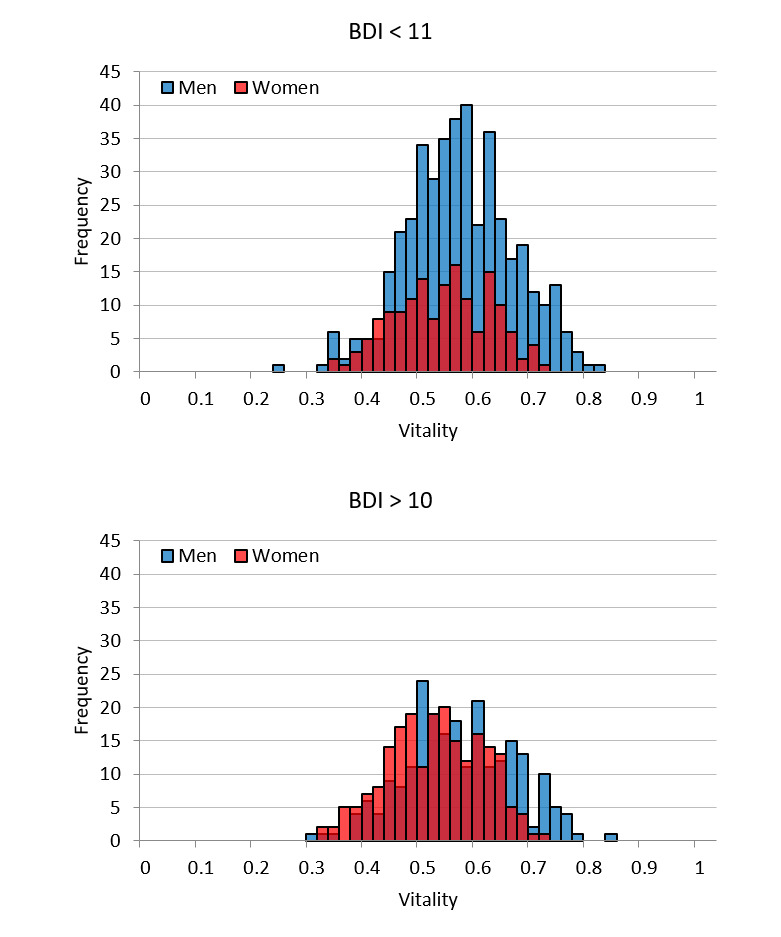
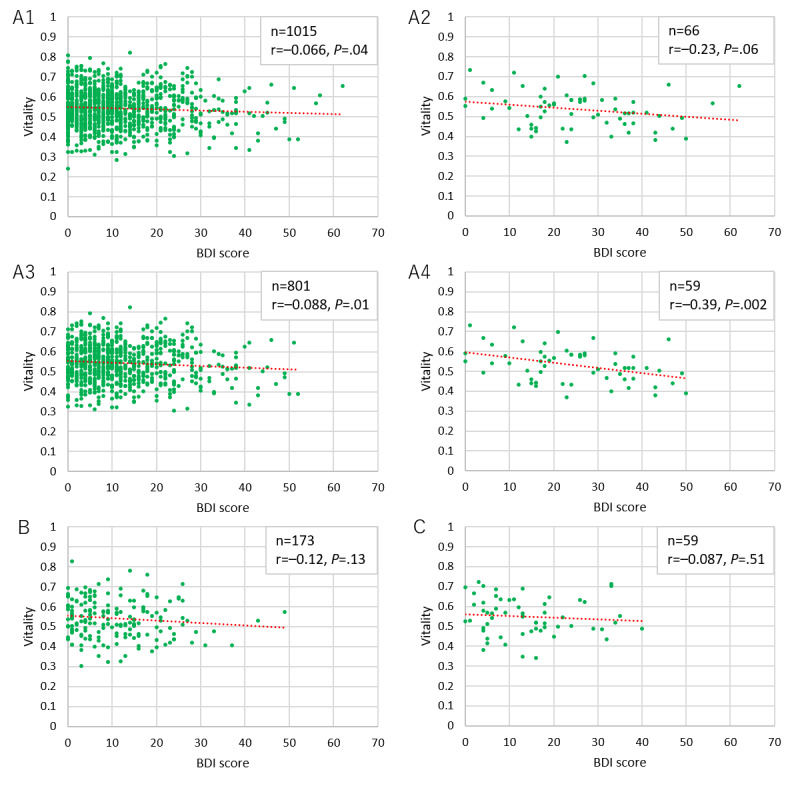
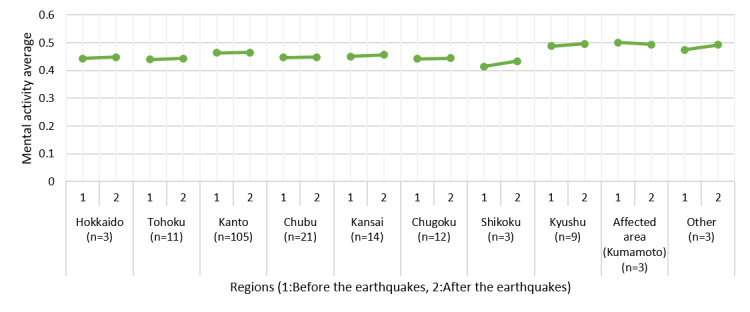
The system had a high rate of continued use. Voice indicators showed that women have more depressive tendencies than men, matching the rate of depression in Japan. The system's voice indicators and the scores on classical psychological tests were correlated. We confirmed deteriorating mental health for users in areas affected by major earthquakes in Japan around the time of the earthquakes.
The results suggest that although this system is insufficient for detecting depression, it may be effective for monitoring changes in mental health due to stress. The greatest feature of our system is mental health monitoring, which is most effectively accomplished by performing long-term time-series analysis of the acquired data considering the user's life events. Such a system can improve the implementation of patient interventions by evaluating objective data along with life events.
我们通过实施一种从语音数据估计心理健康状况的方法,开发了一个利用日常电话语音数据监测心理健康的系统,称为心理监测系统(MIMOSYS)。
本研究的目的是评估该系统在检测抑郁状态和监测压力引起的心理变化方面的潜力。
我们以前瞻性研究的形式向公众开放我们的系统,在两年时间里从大量未指定的用户样本中收集数据。我们利用这些数据分析了在研究期间该系统的持续使用率、男女比例与现有心理测试之间的关系。此外,我们分析了在特定生活事件的压力下心理数据随时间的变化。
该系统有很高的持续使用率。语音指标显示女性比男性有更多的抑郁倾向,这与日本的抑郁症发病率相符。该系统的语音指标与经典心理测试的分数相关。我们证实了在日本大地震发生前后,受地震影响地区的用户心理健康状况恶化。
结果表明,虽然该系统在检测抑郁症方面不足,但它可能对监测压力引起的心理健康变化有效。我们系统的最大特点是心理健康监测,通过对获取的数据进行长期时间序列分析,并考虑用户的生活事件,能最有效地实现这一点。这样的系统可以通过结合生活事件评估客观数据来改善患者干预措施的实施。