PST Inc., Yokohama 231-0023, Japan.
Department of Bioengineering, Graduate School of Engineering, The University of Tokyo, Tokyo 113-8656, Japan.
Int J Environ Res Public Health. 2023 Feb 15;20(4):3415. doi: 10.3390/ijerph20043415.
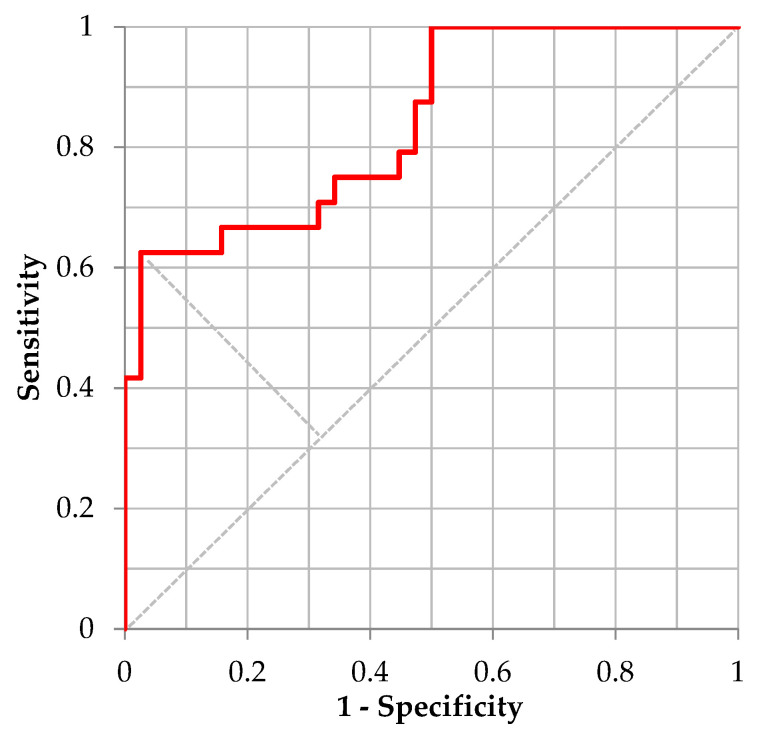
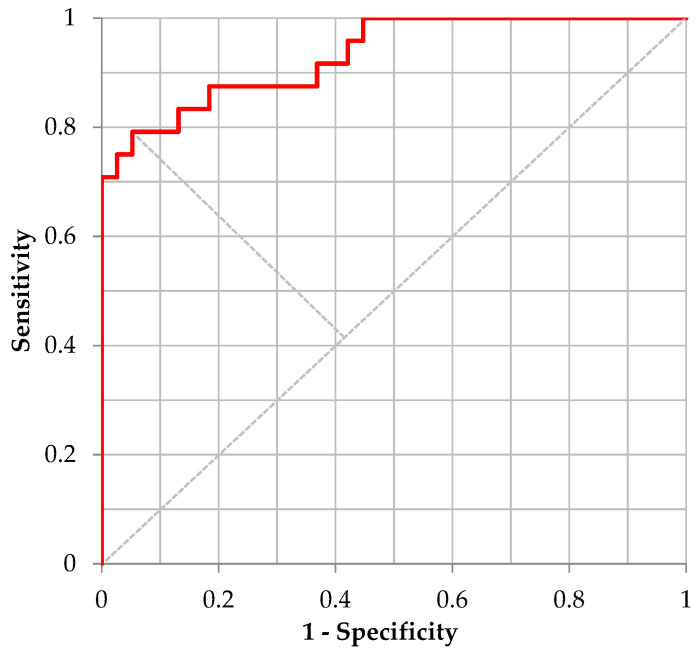
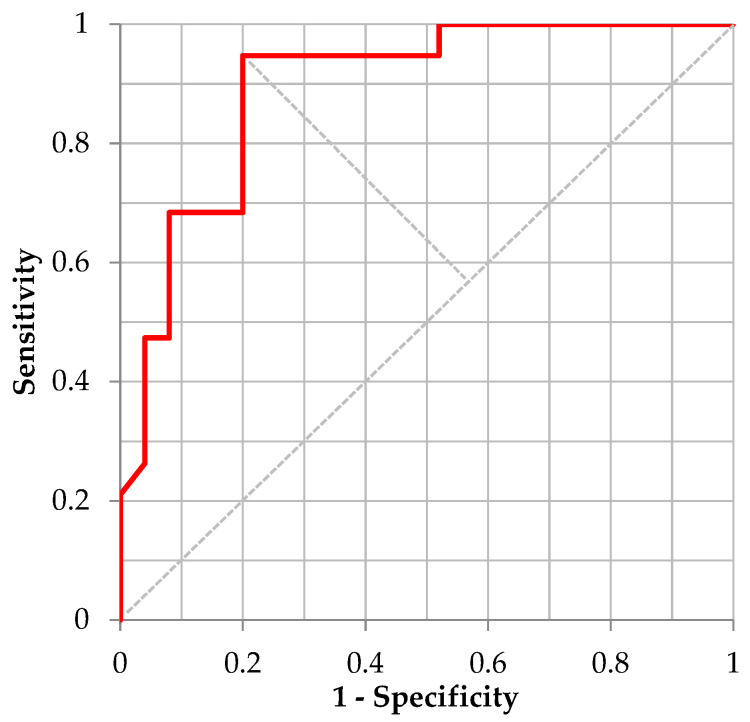
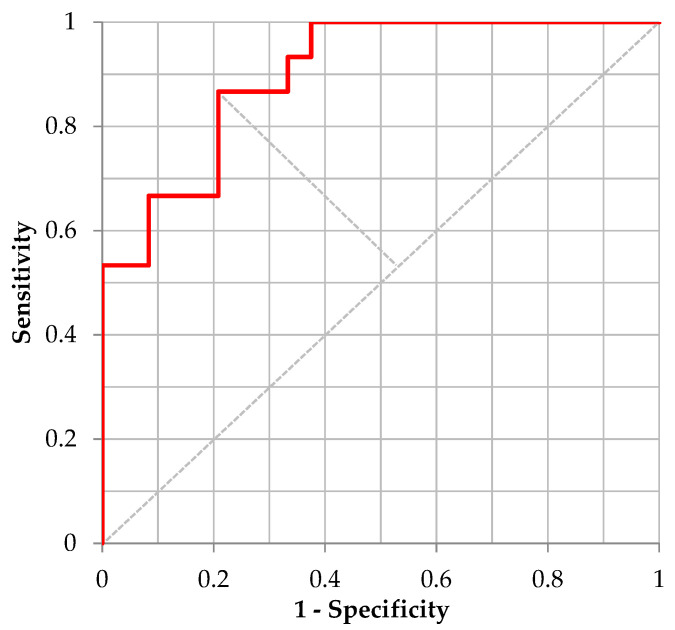
The authors are currently conducting research on methods to estimate psychiatric and neurological disorders from a voice by focusing on the features of speech. It is empirically known that numerous psychosomatic symptoms appear in voice biomarkers; in this study, we examined the effectiveness of distinguishing changes in the symptoms associated with novel coronavirus infection using speech features. Multiple speech features were extracted from the voice recordings, and, as a countermeasure against overfitting, we selected features using statistical analysis and feature selection methods utilizing pseudo data and built and verified machine learning algorithm models using LightGBM. Applying 5-fold cross-validation, and using three types of sustained vowel sounds of /Ah/, /Eh/, and /Uh/, we achieved a high performance (accuracy and AUC) of over 88% in distinguishing "asymptomatic or mild illness (symptoms)" and "moderate illness 1 (symptoms)". Accordingly, the results suggest that the proposed index using voice (speech features) can likely be used in distinguishing the symptoms associated with novel coronavirus infection.
作者目前正在专注于语音特征,研究通过声音来估算精神和神经障碍的方法。从经验上可知,许多身心症状会出现在语音生物标志物中;在这项研究中,我们检验了利用语音特征来区分与新型冠状病毒感染相关的症状变化的有效性。从语音记录中提取了多个语音特征,并通过使用伪数据的统计分析和特征选择方法来选择特征,利用 LightGBM 构建并验证了机器学习算法模型。应用 5 折交叉验证,并使用 /Ah/、/Eh/ 和 /Uh/ 这三种持续元音,我们在区分“无症状或轻症(症状)”和“中度 1 型(症状)”方面实现了超过 88%的高性能(准确率和 AUC)。因此,结果表明,使用声音(语音特征)的提出的指标可能可用于区分与新型冠状病毒感染相关的症状。