Department of Neurobiology, Harvard Medical School, 220 Longwood Avenue, Boston, MA 02115, USA.
Howard Hughes Medical Institute, Harvard Medical School, 220 Longwood Avenue, Boston, MA 02115, USA.
Science. 2020 Jun 19;368(6497). doi: 10.1126/science.abb2751.
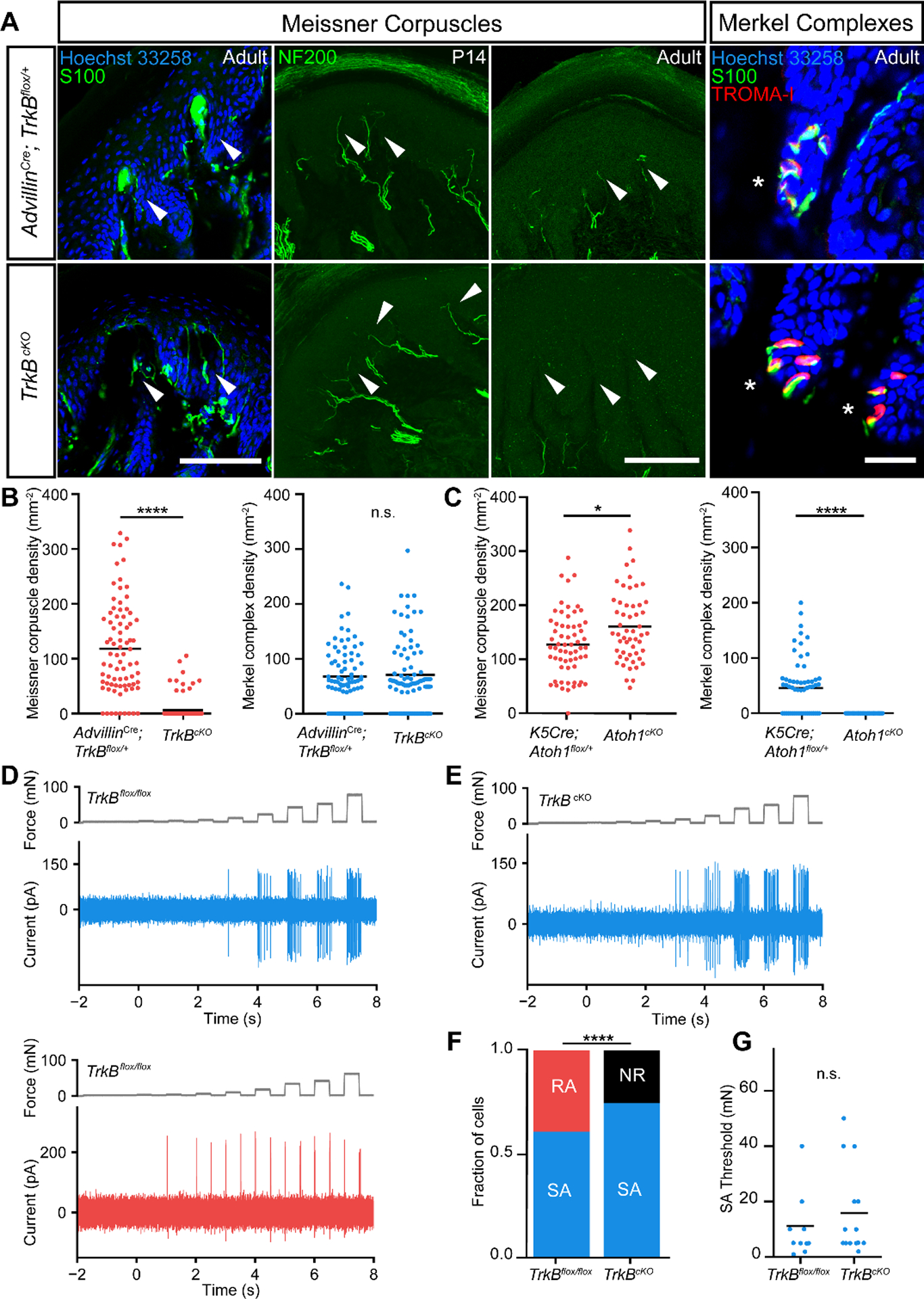
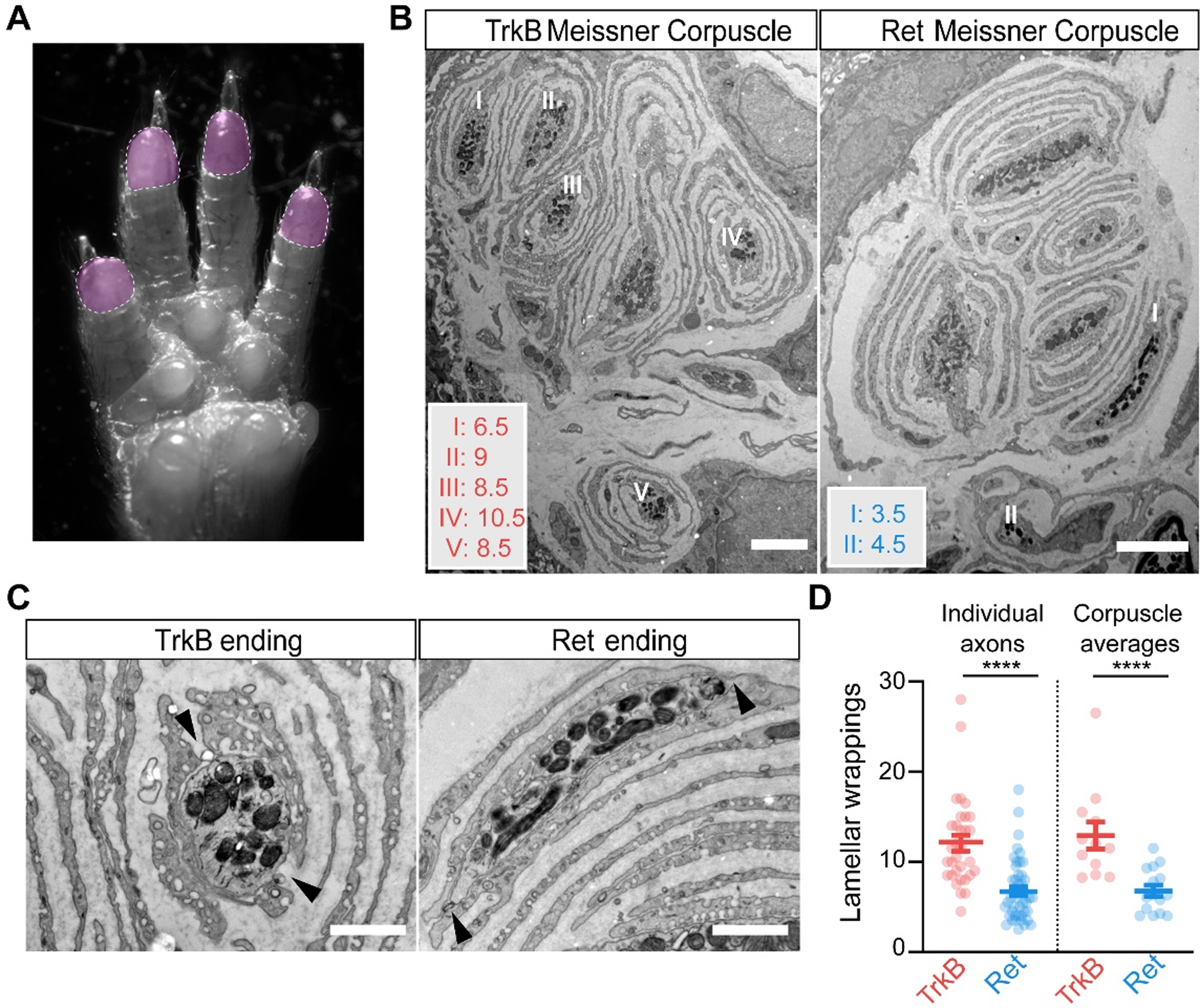
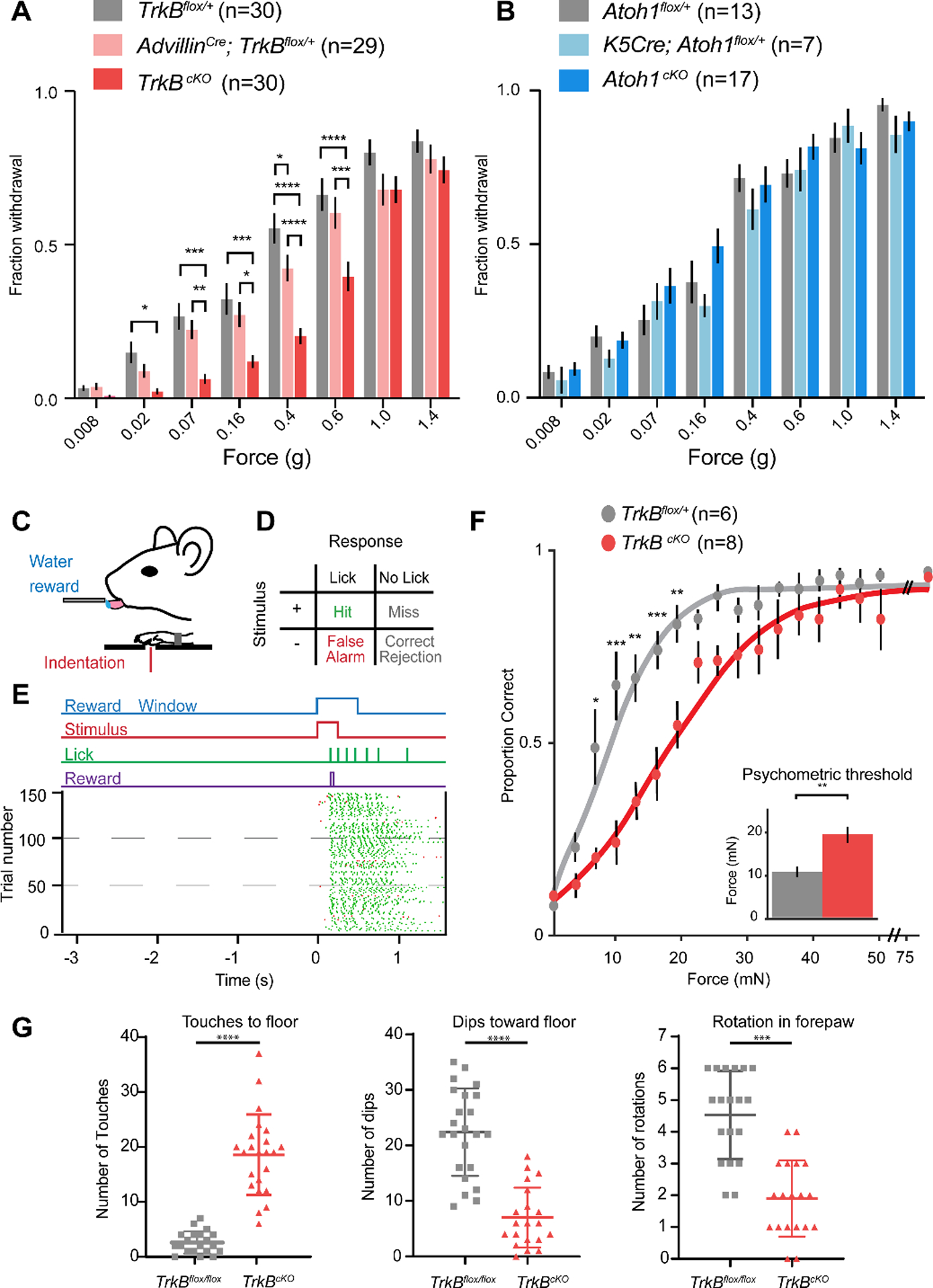
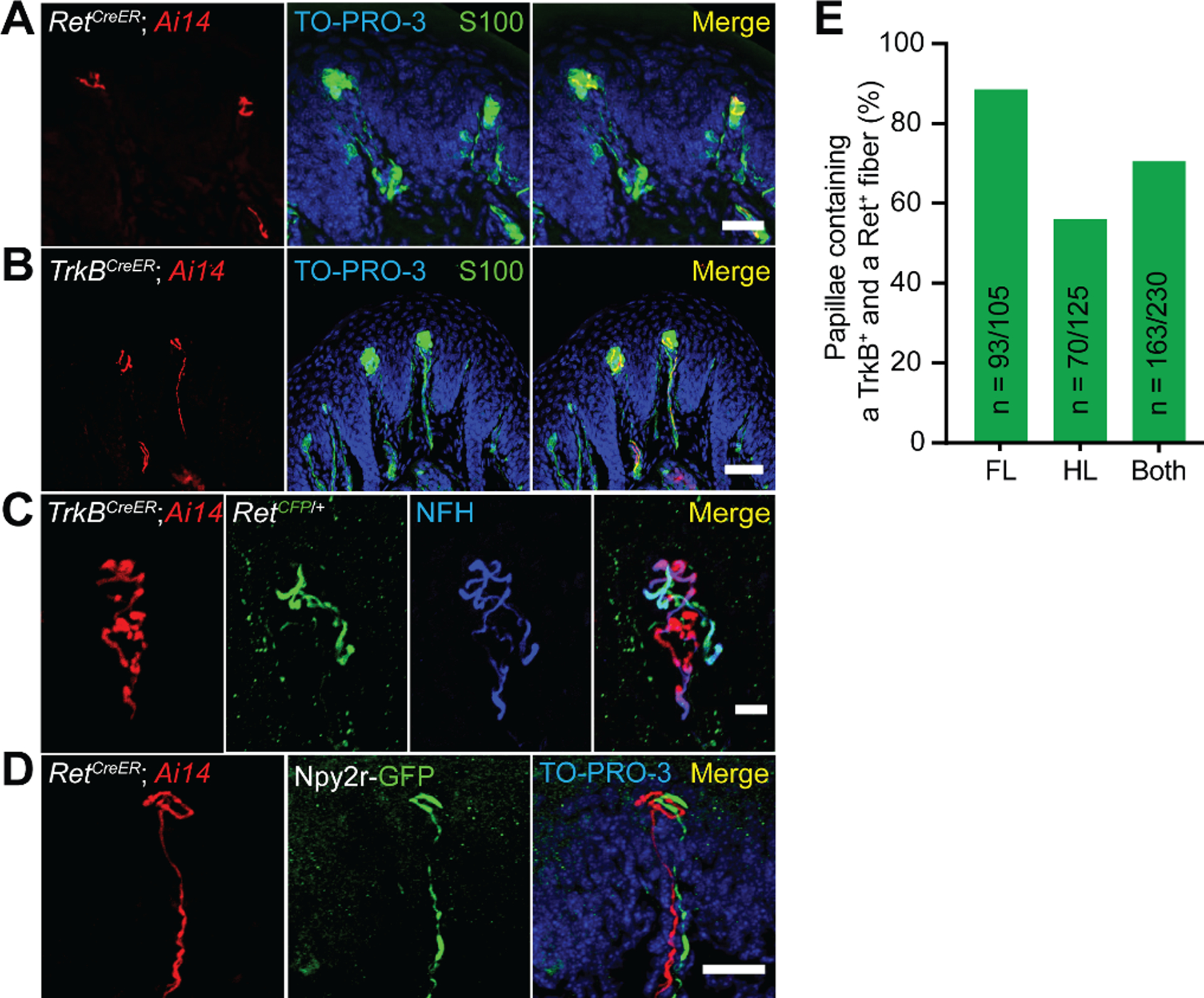
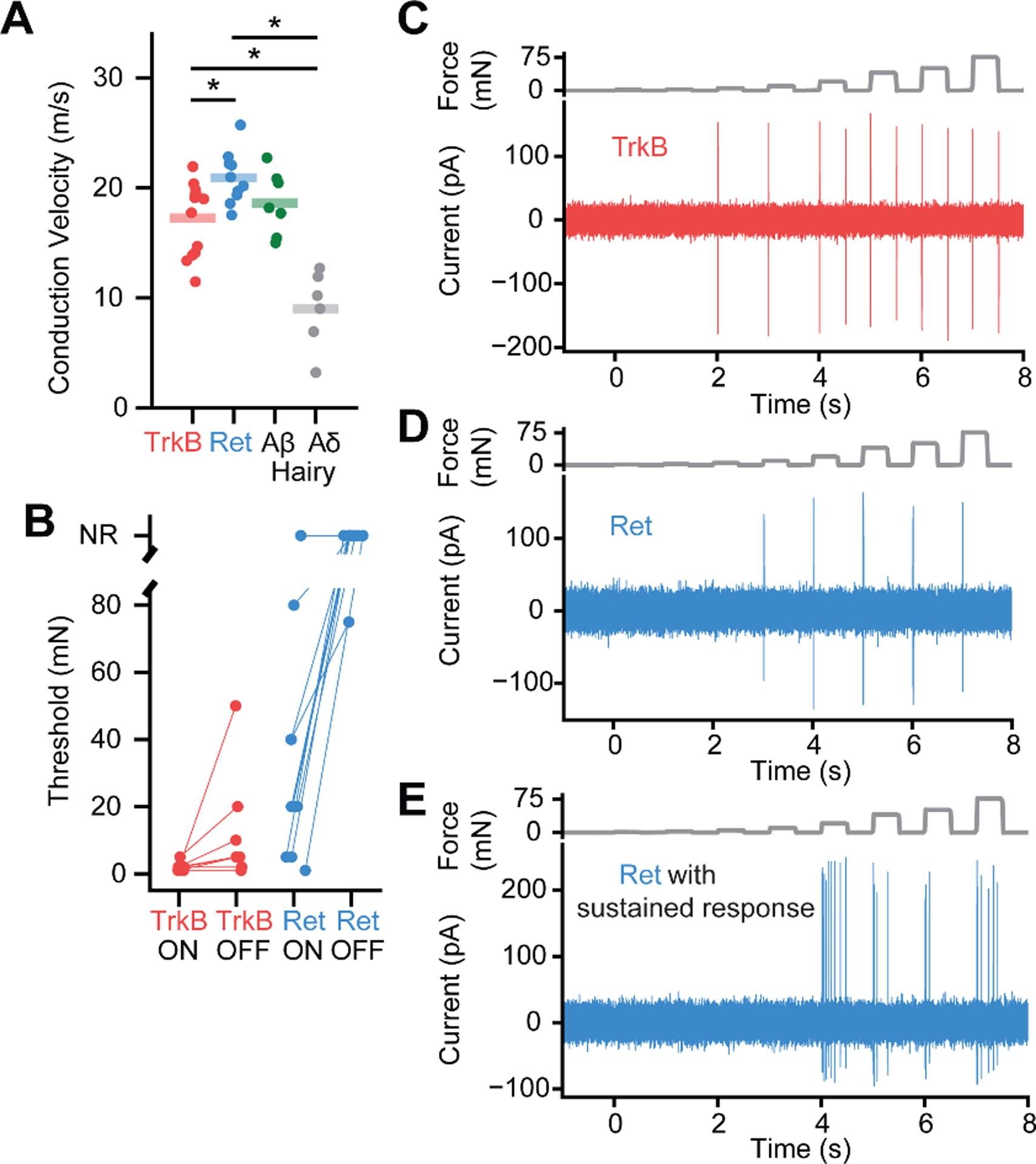
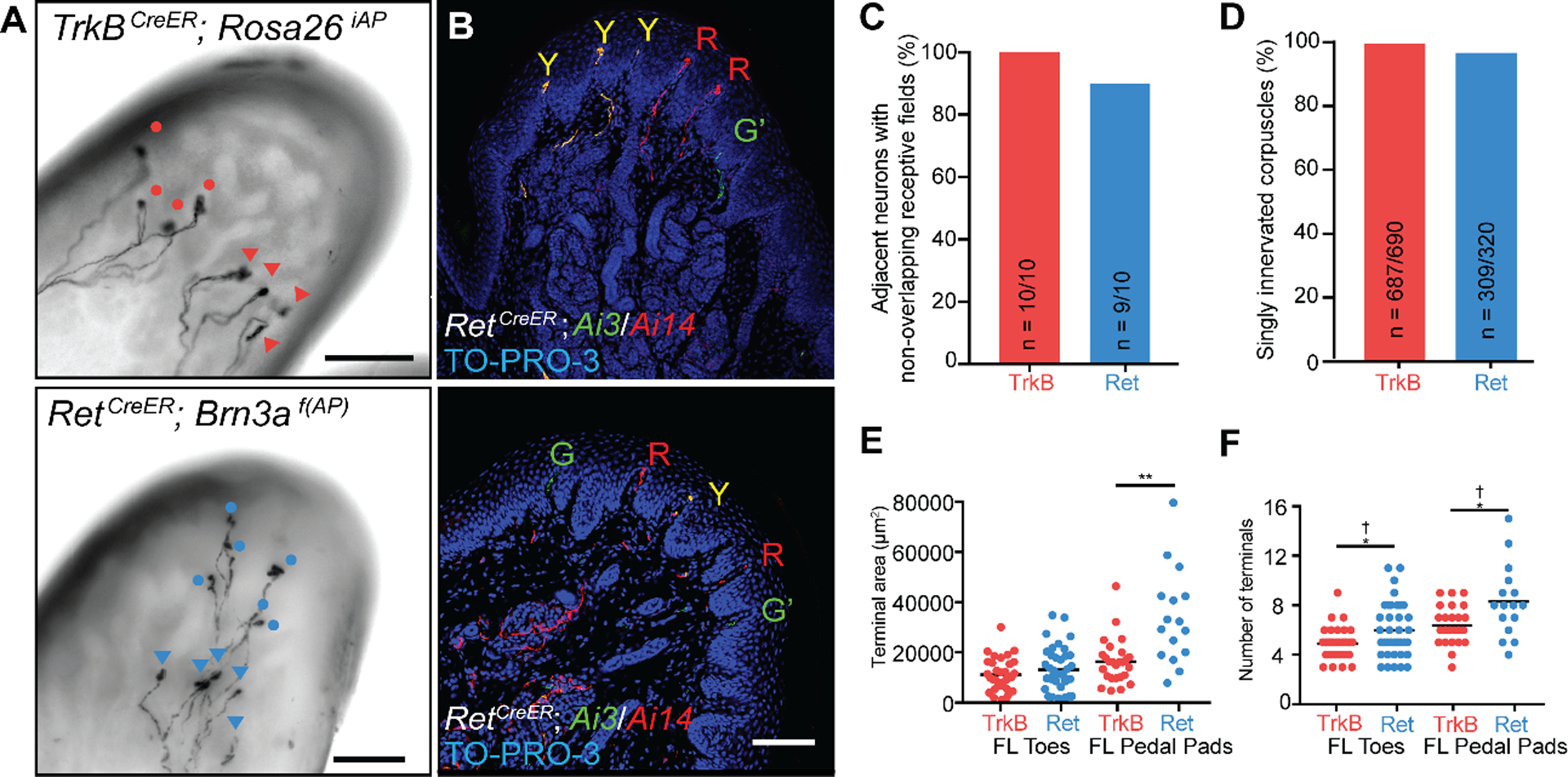
Meissner corpuscles are mechanosensory end organs that densely occupy mammalian glabrous skin. We generated mice that selectively lacked Meissner corpuscles and found them to be deficient in both perceiving the gentlest detectable forces acting on glabrous skin and fine sensorimotor control. We found that Meissner corpuscles are innervated by two mechanoreceptor subtypes that exhibit distinct responses to tactile stimuli. The anatomical receptive fields of these two mechanoreceptor subtypes homotypically tile glabrous skin in a manner that is offset with respect to one another. Electron microscopic analysis of the two Meissner afferents within the corpuscle supports a model in which the extent of lamellar cell wrappings of mechanoreceptor endings determines their force sensitivity thresholds and kinetic properties.
迈斯纳小体是机械感觉终末器官,密集分布于哺乳动物的无毛皮肤。我们生成了选择性缺乏迈斯纳小体的小鼠,并发现它们在感知作用于无毛皮肤的最轻微可检测力以及精细感觉运动控制方面存在缺陷。我们发现迈斯纳小体由两种机械感受器亚型支配,它们对触觉刺激表现出不同的反应。这两种机械感受器亚型的解剖 receptive fields 在相互偏移的情况下同质地覆盖了无毛皮肤。对小体中两个迈斯纳传入神经的电子显微镜分析支持这样一种模型,即机械感受器末梢的板层细胞包裹的程度决定了它们的力敏阈值和动力学特性。