Gallo Valentina, Srivastava Vaibhav, Bulone Vincent, Zappettini Andrea, Villani Marco, Marmiroli Nelson, Marmiroli Marta
Department of Chemistry, Life Sciences and Environmental Sustainability, University of Parma, 43123 Parma, Italy.
Royal Institute of Technology (KTH), Department of Chemistry, Division of Glycoscience, School of Engineering Sciences in Chemistry, Biotechnology and Health, AlbaNova University Center, SE-106 91 Stockholm, Sweden.
Nanomaterials (Basel). 2020 Jun 22;10(6):1214. doi: 10.3390/nano10061214.
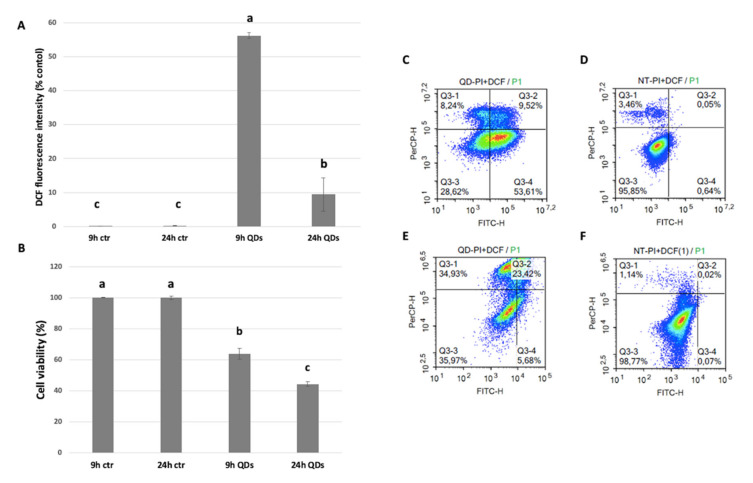
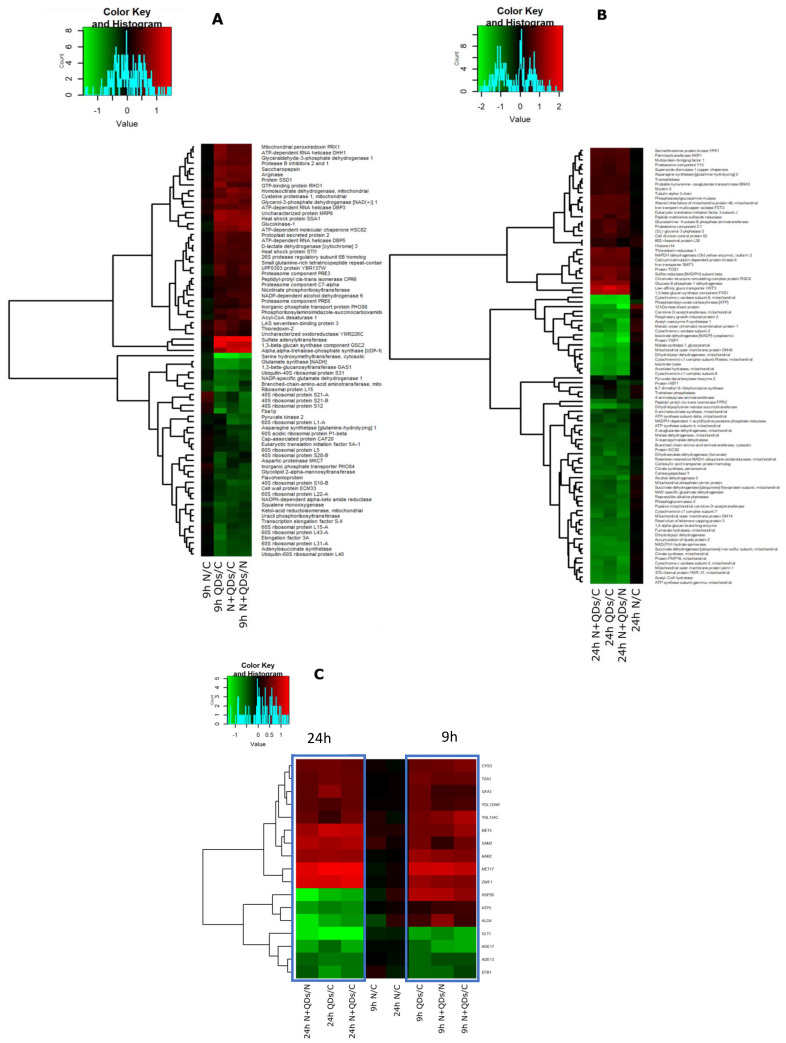
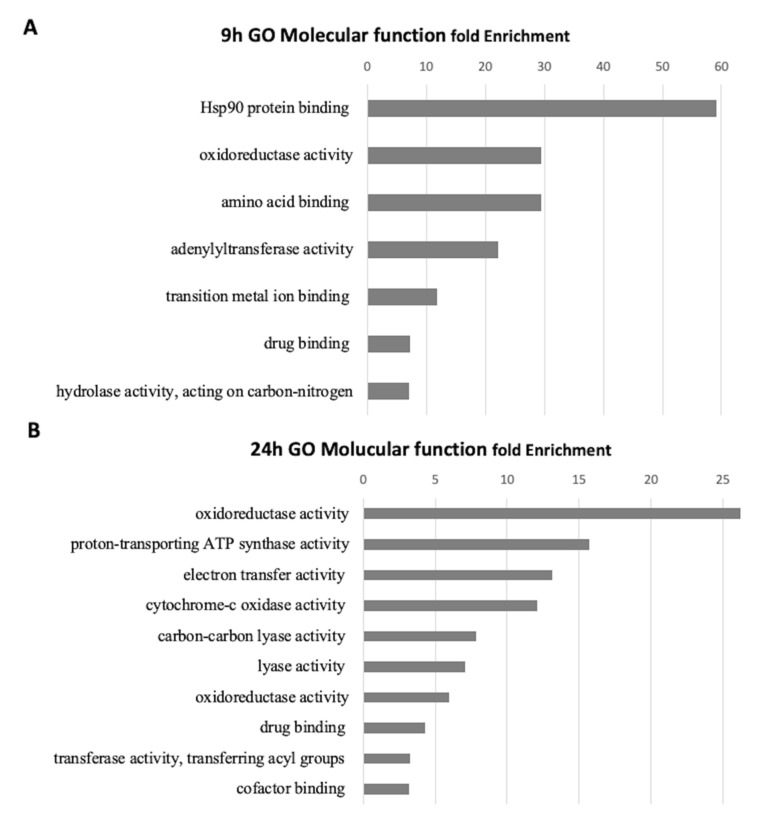
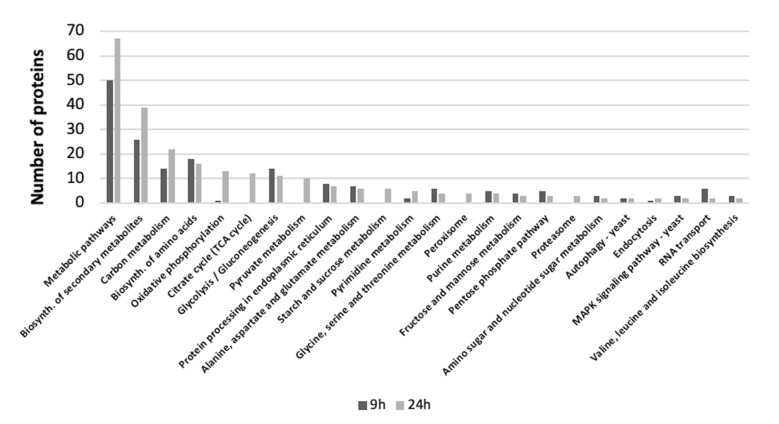
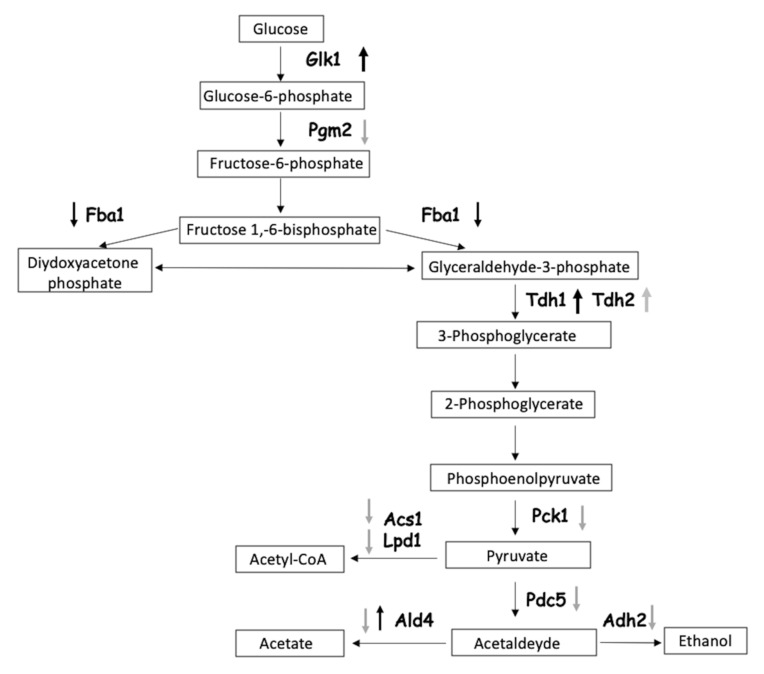
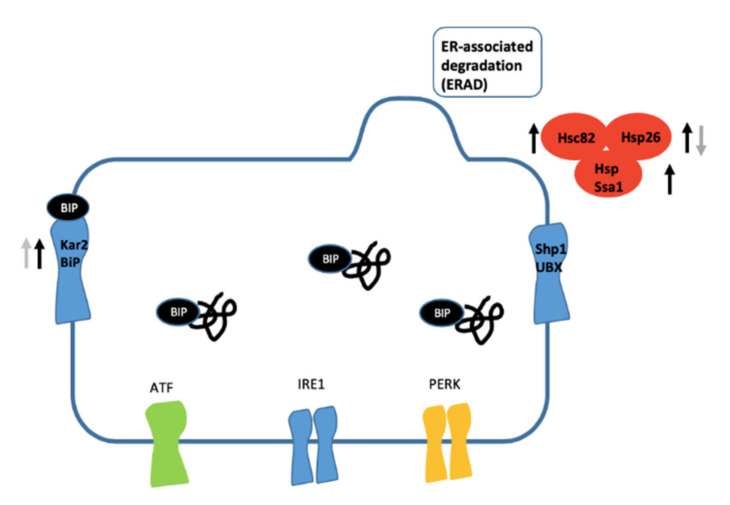
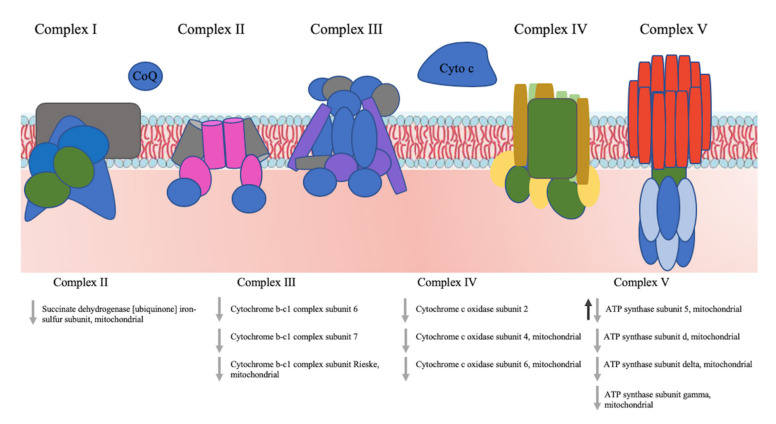
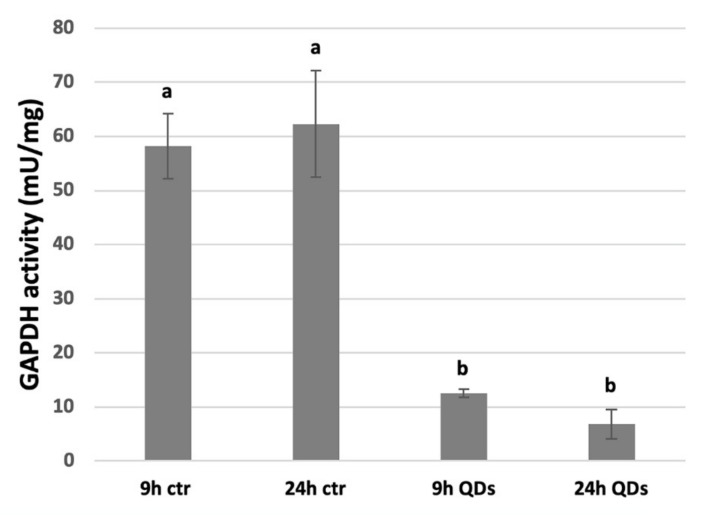
The use of cadmium sulphide quantum dot (CdS QD)-enabled products has become increasingly widespread. The prospect of their release in the environment is raising concerns. Here we have used the yeast model to determine the potential impact of CdS QD nanoparticles on living organisms. Proteomic analyses and cell viability assays performed after 9 h exposure revealed expression of proteins involved in oxidative stress and reduced lethality, respectively, whereas oxidative stress declined, and lethality increased after 24 h incubation in the presence of CdS QDs. Quantitative proteomics using the iTRAQ approach (isobaric tags for relative and absolute quantitation) revealed that key proteins involved in essential biological pathways were differentially regulated over the time course of the experiment. At 9 h, most of the glycolytic functions increased, and the abundance of the number of heat shock proteins increased. This contrasts with the situation at 24 h where glycolytic functions, some heat shock proteins as well as oxidative phosphorylation and ATP synthesis were down-regulated. It can be concluded from our data that cell exposure to CdS QDs provokes a metabolic shift from respiration to fermentation, comparable to the situation reported in some cancer cell lines.
硫化镉量子点(CdS QD)相关产品的使用日益广泛。其在环境中释放的可能性引发了人们的担忧。在此,我们使用酵母模型来确定CdS QD纳米颗粒对生物体的潜在影响。暴露9小时后进行的蛋白质组学分析和细胞活力测定分别显示了参与氧化应激的蛋白质表达以及致死率降低,而在CdS QDs存在下孵育24小时后,氧化应激下降,致死率增加。使用iTRAQ方法(相对和绝对定量的等压标签)进行的定量蛋白质组学显示,在实验过程中,参与基本生物学途径的关键蛋白质受到不同程度的调控。在9小时时,大多数糖酵解功能增强,热休克蛋白数量的丰度增加。这与24小时时的情况形成对比,此时糖酵解功能、一些热休克蛋白以及氧化磷酸化和ATP合成均下调。从我们的数据可以得出结论,细胞暴露于CdS QDs会引发从呼吸到发酵的代谢转变,这与一些癌细胞系中报道的情况类似。