Section Molecular Immunology, Institute of Immunology, Heidelberg University, Heidelberg, Germany.
Mass Spectrometry Core Facility, Center for Molecular Biology (ZMBH), Heidelberg University, Heidelberg, Germany.
Front Immunol. 2020 Jun 12;11:1172. doi: 10.3389/fimmu.2020.01172. eCollection 2020.
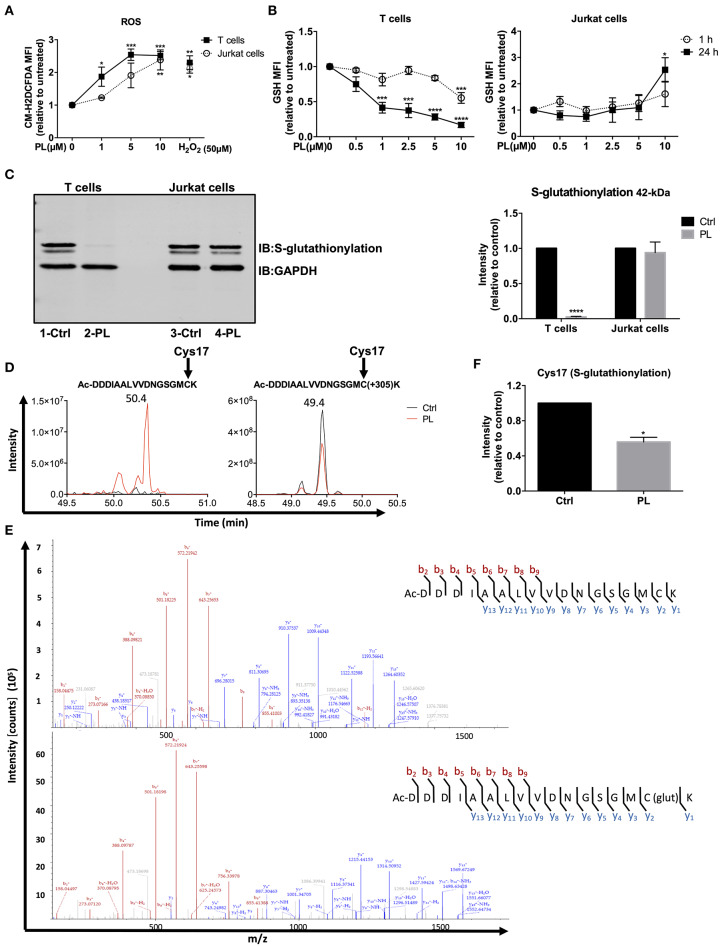
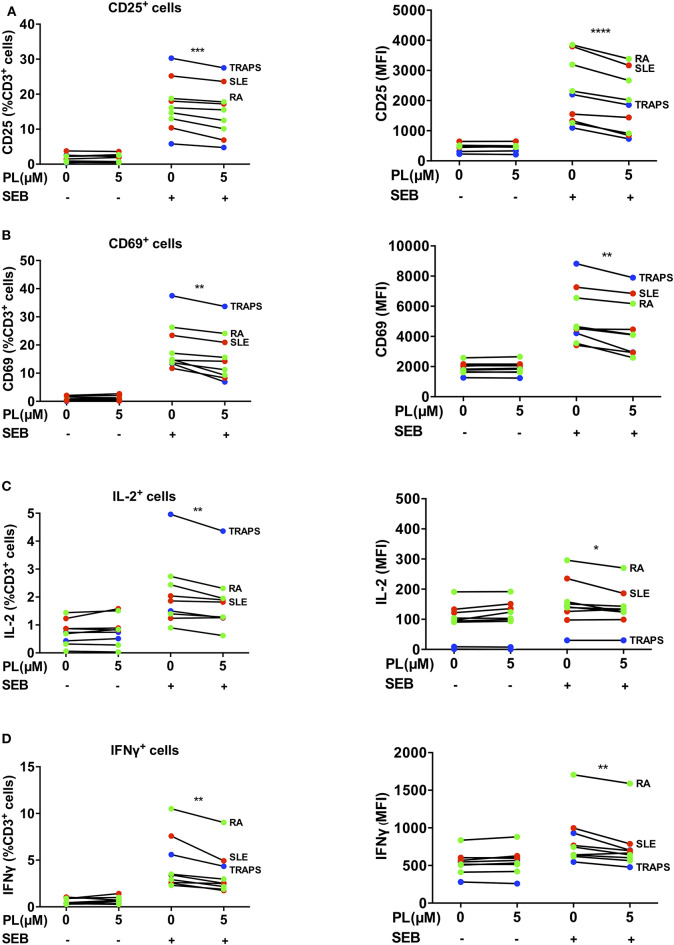
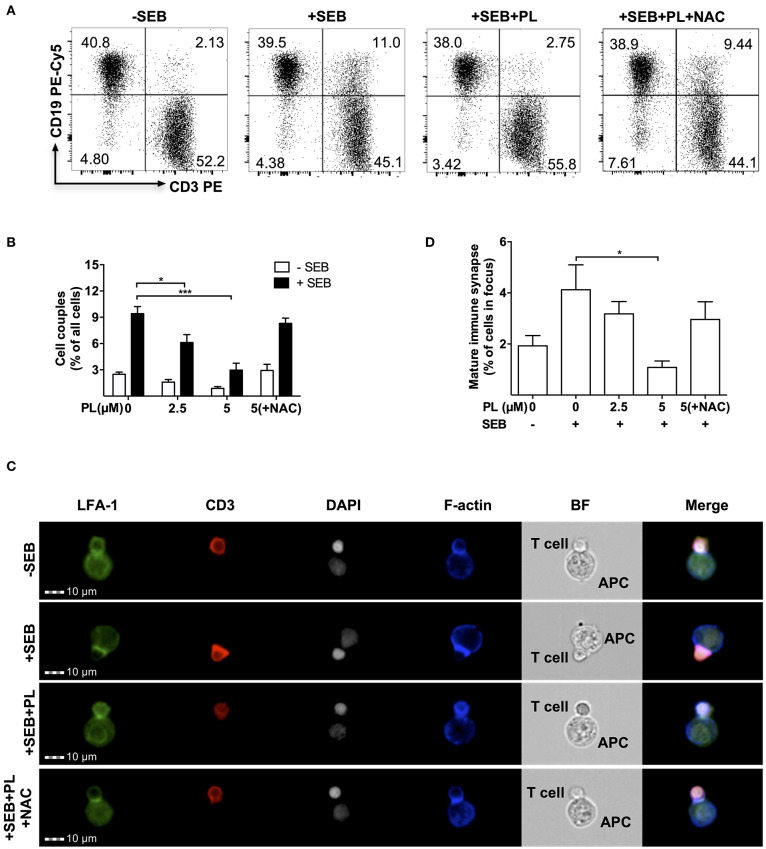
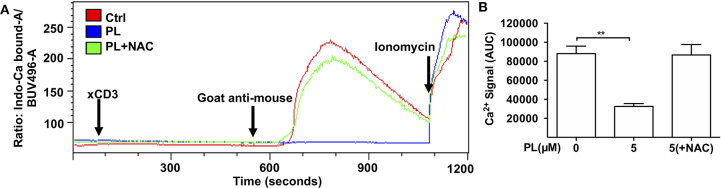
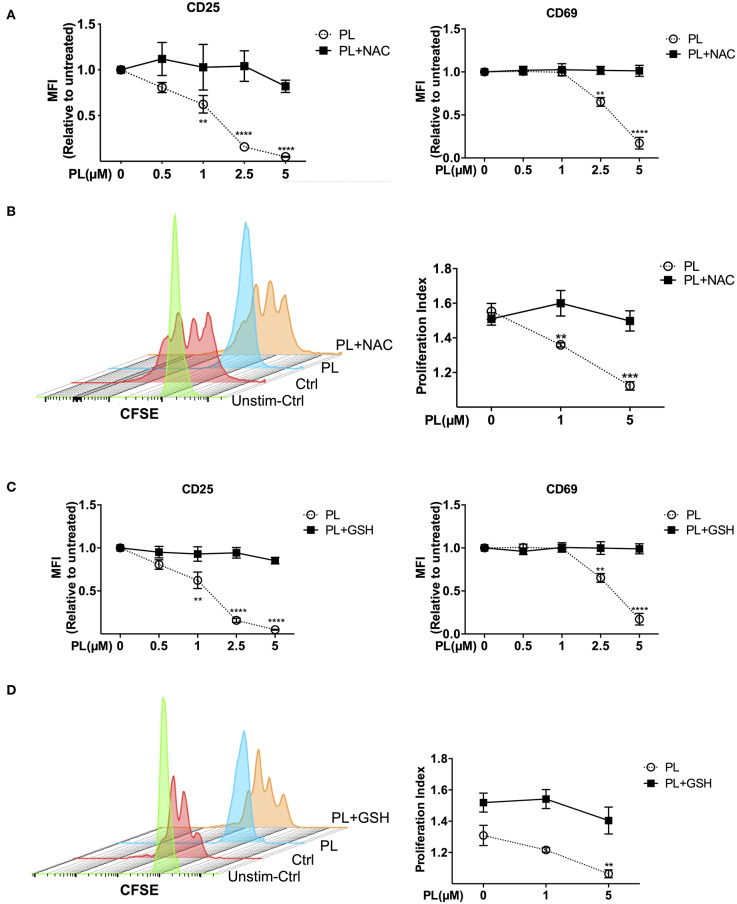
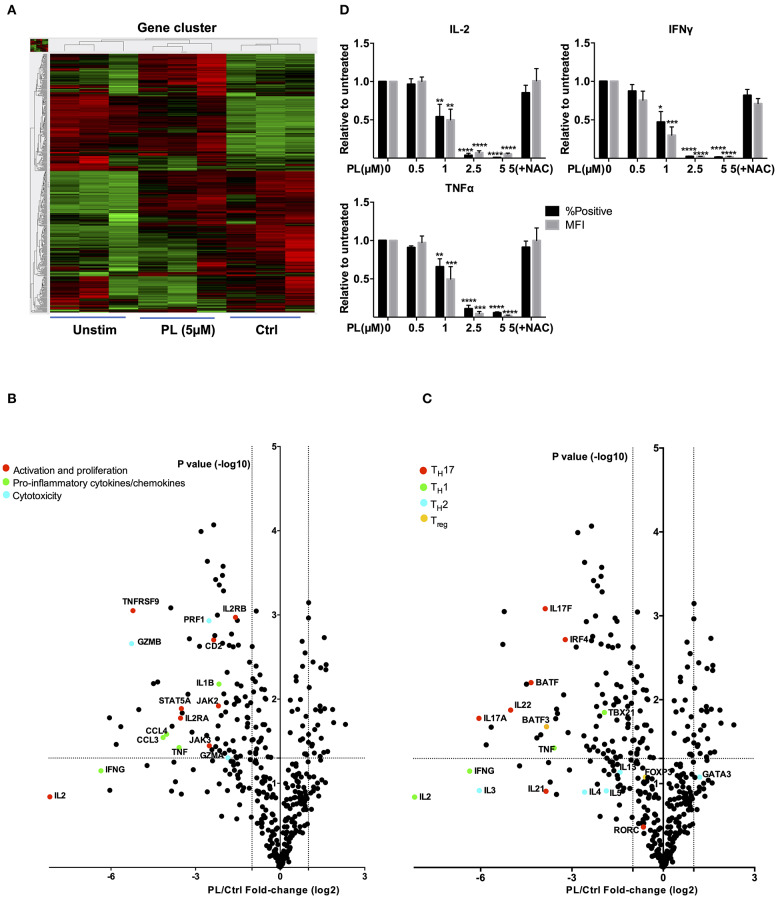
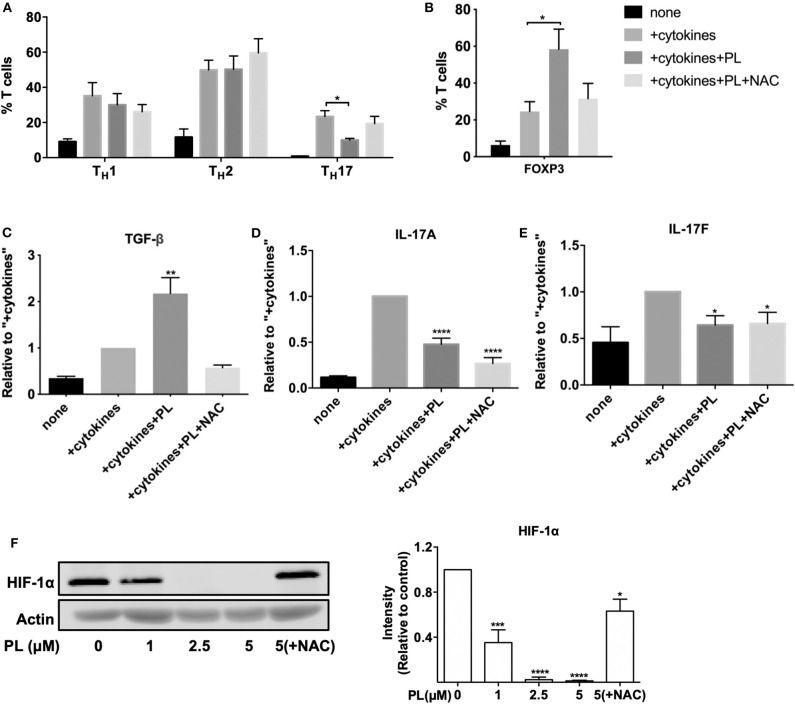
Piperlongumine (PL), a natural small molecule derived from the Linn plant, has received growing interest as a prooxidative drug with promising anticancer properties. Yet, the influence of PL on primary human T cells remained elusive. Knowledge of this is of crucial importance, however, since T cells in particular play a critical role in tumor control. Therefore, we investigated the effects of PL on the survival and function of primary human peripheral blood T cells (PBTs). While PL was not cytotoxic to PBTs, it interfered with several stages of T cell activation as it inhibited T cell/APC immune synapse formation, co-stimulation-induced upregulation of CD69 and CD25, T cell proliferation and the secretion of proinflammatory cytokines. PL-induced immune suppression was prevented in the presence of thiol-containing antioxidants. In line with this finding, PL increased the levels of intracellular reactive oxygen species and decreased glutathione in PBTs. Diminished intracellular glutathione was accompanied by a decrease in S-glutathionylation on actin suggesting a global alteration of the antioxidant response. Gene expression analysis demonstrated that T17-related genes were predominantly inhibited by PL. Consistently, the polarization of primary human naïve CD4 T cells into T17 subsets was significantly diminished while differentiation into T cells was substantially increased upon PL treatment. This opposed consequence for T17 and T cells was again abolished by thiol-containing antioxidants. Taken together, PL may act as a promising agent for therapeutic immunosuppression by exerting prooxidative effects in human T cells resulting in a diminished T17 but enhanced T cell differentiation.
千里光碱(PL)是一种从 Linn 植物中提取的天然小分子,作为一种具有潜在抗癌特性的促氧化药物,受到越来越多的关注。然而,PL 对原代人 T 细胞的影响仍不清楚。然而,了解这一点至关重要,因为 T 细胞特别是在肿瘤控制中起着关键作用。因此,我们研究了 PL 对原代人外周血 T 细胞(PBT)存活和功能的影响。虽然 PL 对 PBT 无细胞毒性,但它干扰了 T 细胞激活的几个阶段,因为它抑制了 T 细胞/APC 免疫突触的形成、共刺激诱导的 CD69 和 CD25 的上调、T 细胞增殖和促炎细胞因子的分泌。在含巯基抗氧化剂存在的情况下,PL 诱导的免疫抑制作用被阻止。与这一发现一致的是,PL 增加了 PBT 内的活性氧水平并降低了谷胱甘肽水平。细胞内谷胱甘肽减少伴随着肌动蛋白上 S-谷胱甘肽化的减少,表明抗氧化反应的全面改变。基因表达分析表明,PL 主要抑制 T17 相关基因。一致地,PL 处理显著减少了原代人幼稚 CD4 T 细胞向 T17 亚群的极化,同时显著增加了向 T 细胞的分化。这种对 T17 和 T 细胞的相反后果再次被含巯基抗氧化剂所消除。总之,PL 可能通过在人 T 细胞中发挥促氧化作用而作为一种有前途的免疫抑制治疗剂,导致 T17 减少但 T 细胞分化增强。