Yu Lu, Yang Zongcheng, Liu Yingjiao, Liu Fen, Shang Wenjing, Shao Wei, Wang Yue, Xu Man, Wang Ya-Nan, Fu Yue, Xu Xin
Department of Implantology, School and Hospital of Stomatology, Shandong University & Shandong Provincial Key Laboratory of Oral Tissue Regeneration & Shandong Engineering Laboratory for Dental Materials and Oral Tissue Regeneration, Shandong University, Jinan, Shandong, China.
School of Philosophy, Psychology and Language Sciences, College of Humanities and Social Science, The University of Edinburgh, Edinburgh, UK.
PeerJ. 2020 Jun 17;8:e9393. doi: 10.7717/peerj.9393. eCollection 2020.
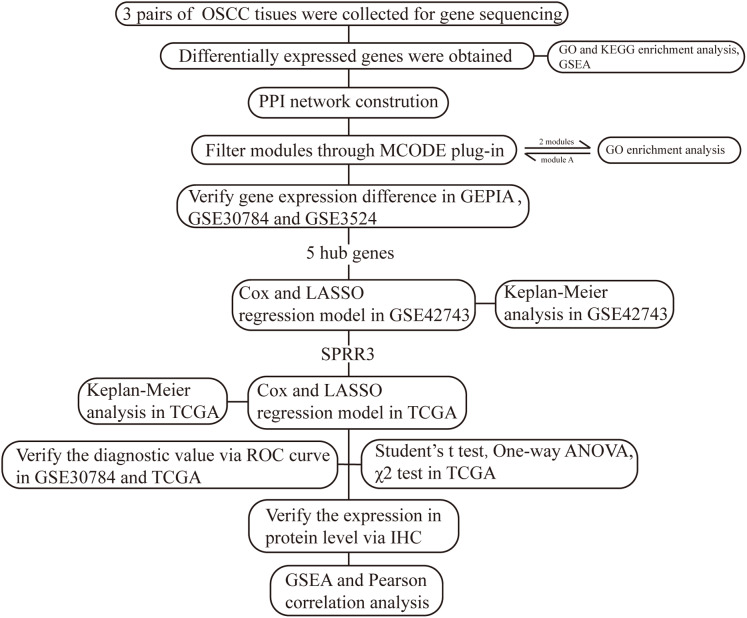
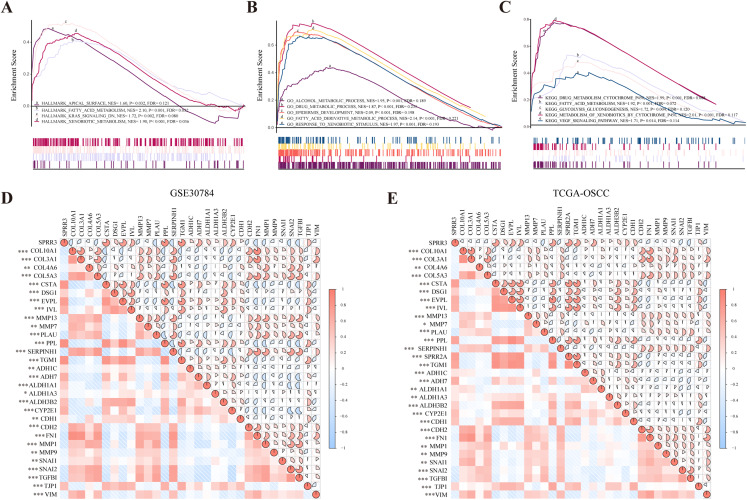
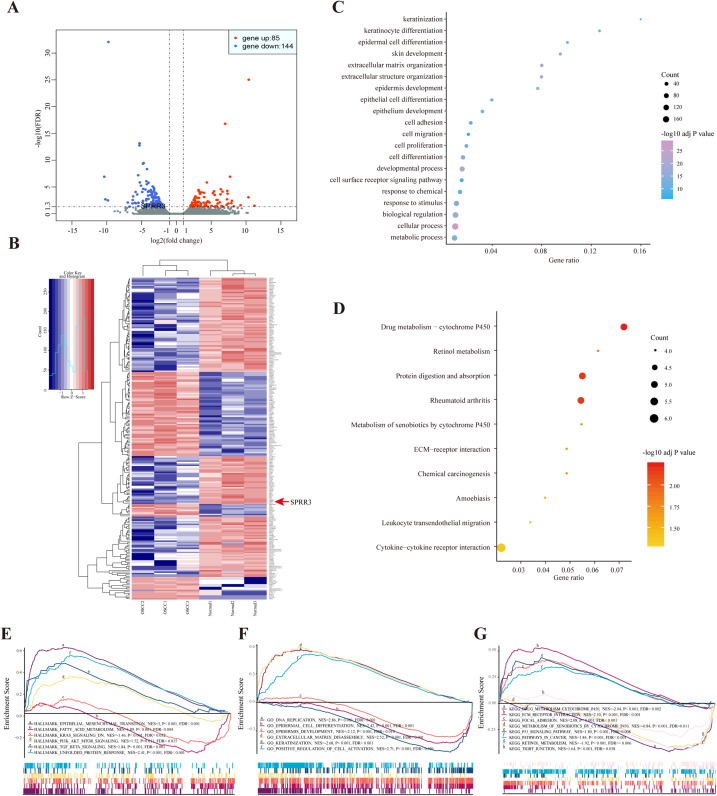
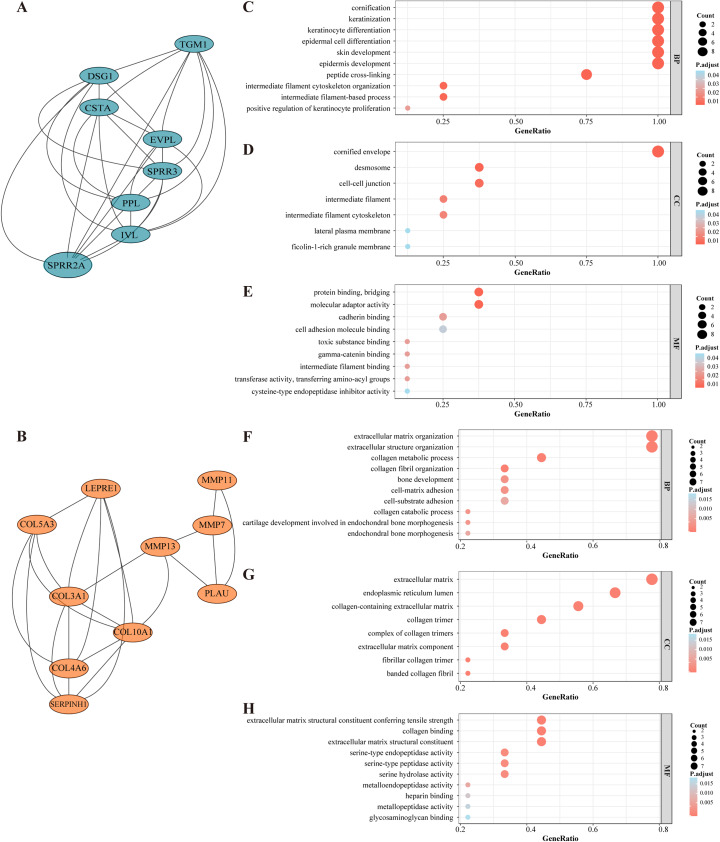
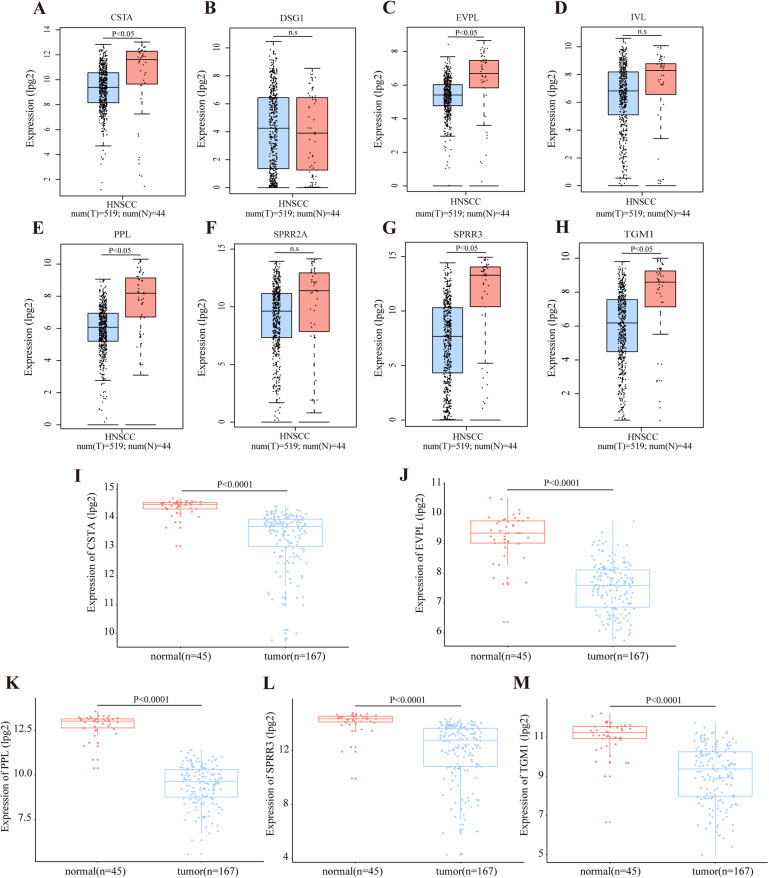
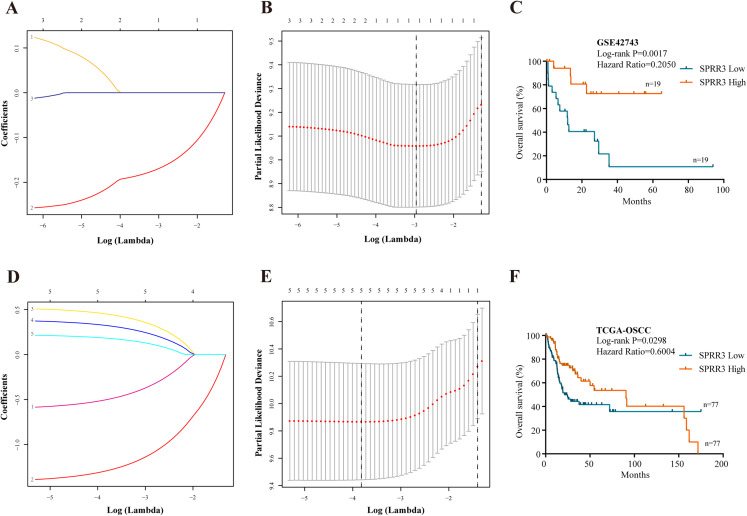
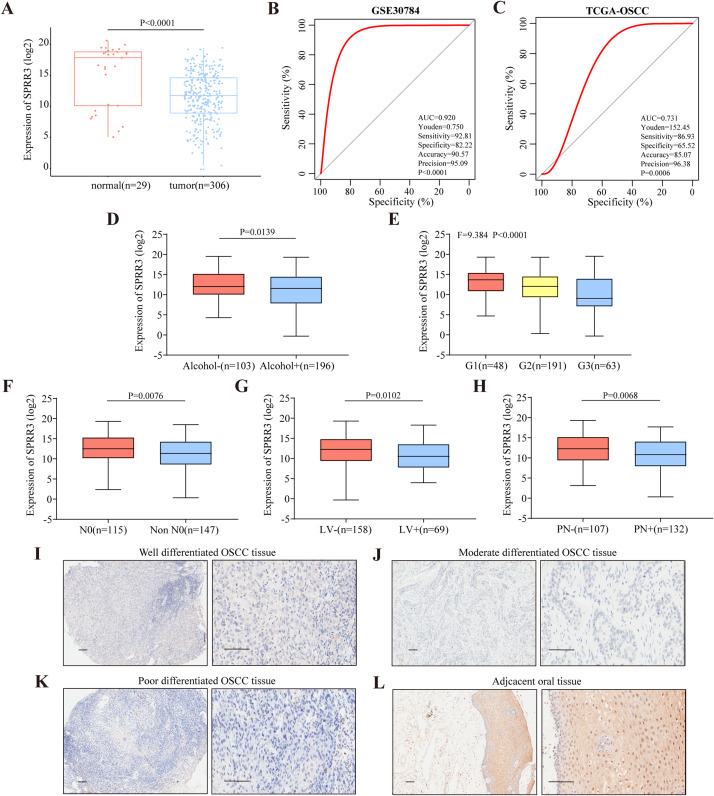
Oral squamous cell carcinoma (OSCC) has always been one of the most aggressive and invasive cancers among oral and maxillofacial malignancies. As the morbidity and mortality of the disease have increased year by year, the search for a promising diagnostic and prognostic biomarker for the disease is becoming increasingly urgent. Tumorous and adjacent tissues were collected from three OSCC sufferers and we obtained 229 differentially expressed genes (DEGs) between tumor and normal tissues via high-throughput RNA sequence. Function and pathway enrichment analyses for DEGs were conducted to find a correlation between tumorigenesis status and DEGs. Protein interaction network and molecular complex detection (MCODE) were constructed to detect core modules. Two modules were enriched in MCODE. The diagnostic and prognostic values of the candidate genes were analyzed, which provided evidence for the candidate genes as new tumor markers. Small Proline Rich Protein 3 (SPRR3), a potential tumor marker that may be useful for the diagnosis of OSCC, was screened out. The survival analysis showed that SPRR3 under expression predicted the poor prognosis of OSCC patients. Further experiments have also shown that the expression of SPRR3 decreased as the malignancy of OSCC increased. Therefore, we believe that SPRR3 could be used as a novel diagnostic and prognostic tumor marker.
口腔鳞状细胞癌(OSCC)一直是口腔颌面部恶性肿瘤中侵袭性最强的癌症之一。随着该疾病的发病率和死亡率逐年上升,寻找一种有前景的该疾病诊断和预后生物标志物变得越来越迫切。从三名OSCC患者身上收集肿瘤组织和相邻组织,通过高通量RNA测序,我们获得了肿瘤组织与正常组织之间的229个差异表达基因(DEG)。对DEG进行功能和通路富集分析,以发现肿瘤发生状态与DEG之间的相关性。构建蛋白质相互作用网络和分子复合物检测(MCODE)以检测核心模块。MCODE中富集了两个模块。分析了候选基因的诊断和预后价值,为候选基因作为新的肿瘤标志物提供了证据。筛选出富含小脯氨酸蛋白3(SPRR3),这是一种可能对OSCC诊断有用的潜在肿瘤标志物。生存分析表明,SPRR3表达不足预示着OSCC患者预后不良。进一步实验还表明,随着OSCC恶性程度的增加,SPRR3的表达降低。因此,我们认为SPRR3可作为一种新型的诊断和预后肿瘤标志物。