Institute for Biomechanics, ETH Zurich, Zurich, Switzerland.
Laboratory of Exercise and Health, ETH Zurich, Zurich, Switzerland.
J Cachexia Sarcopenia Muscle. 2020 Aug;11(4):1121-1140. doi: 10.1002/jcsm.12588. Epub 2020 Jun 28.
Frailty is a geriatric syndrome characterized by increased susceptibility to adverse health outcomes. One major determinant thereof is the gradual weakening of the musculoskeletal system and the associated osteosarcopenia. To improve our understanding of the underlying pathophysiology and, more importantly, to test potential interventions aimed at counteracting frailty, suitable animal models are needed.
To evaluate the relevance of prematurely aged PolgA mice as a model for frailty and osteosarcopenia, we quantified the clinical mouse frailty index in PolgA and wild-type littermates (PolgA , WT) with age and concertedly assessed the quantity and quality of bone and muscle tissue. Lastly, the anabolic responsiveness of skeletal muscle, muscle progenitors, and bone was assessed.
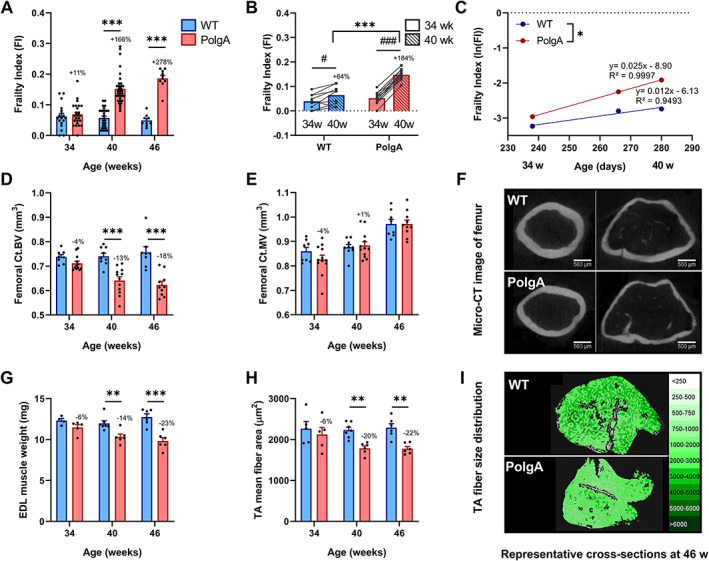
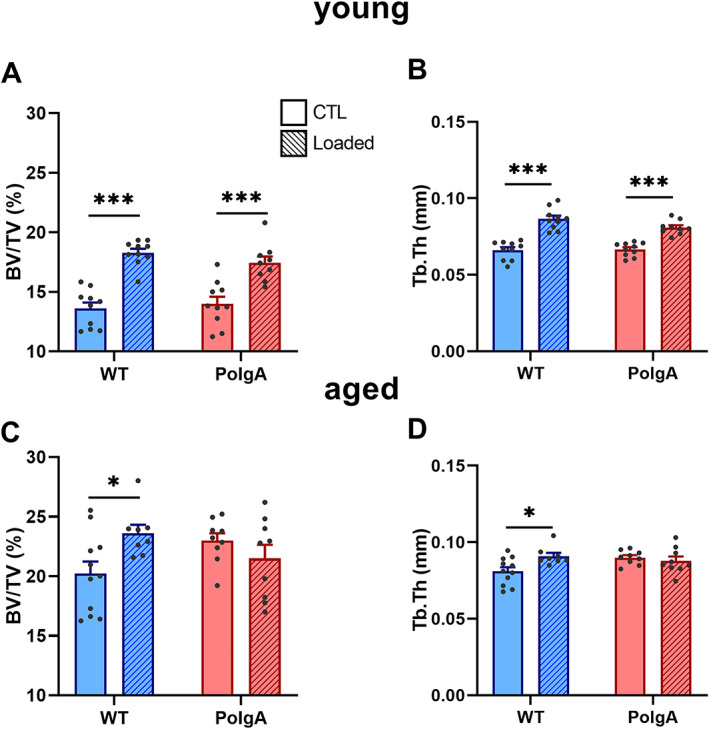
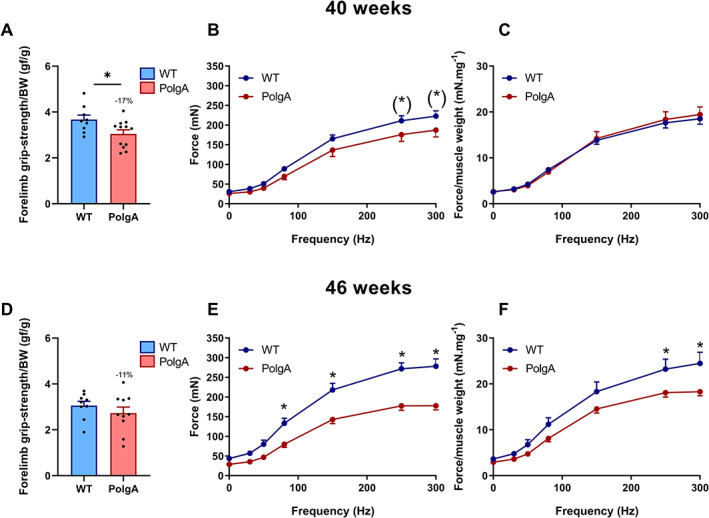
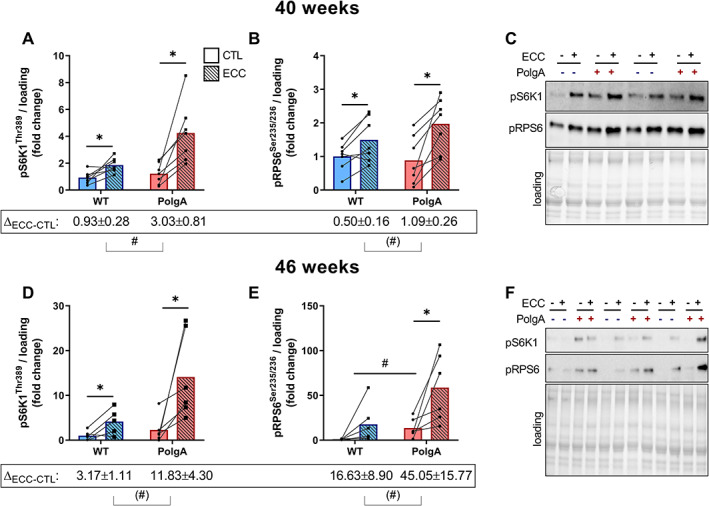
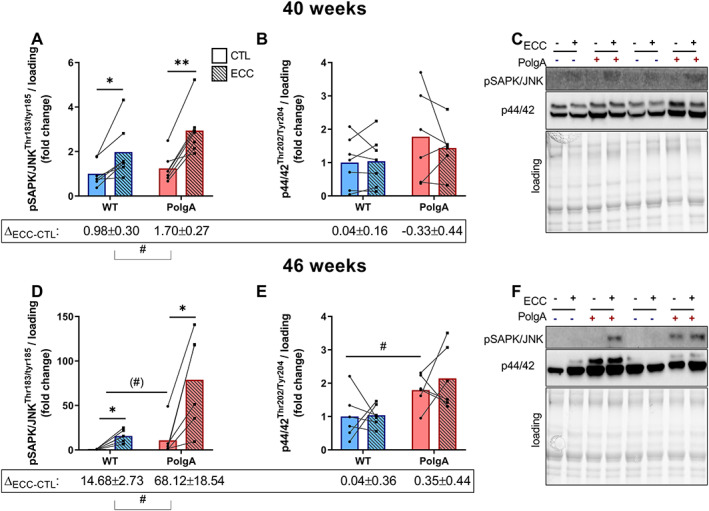
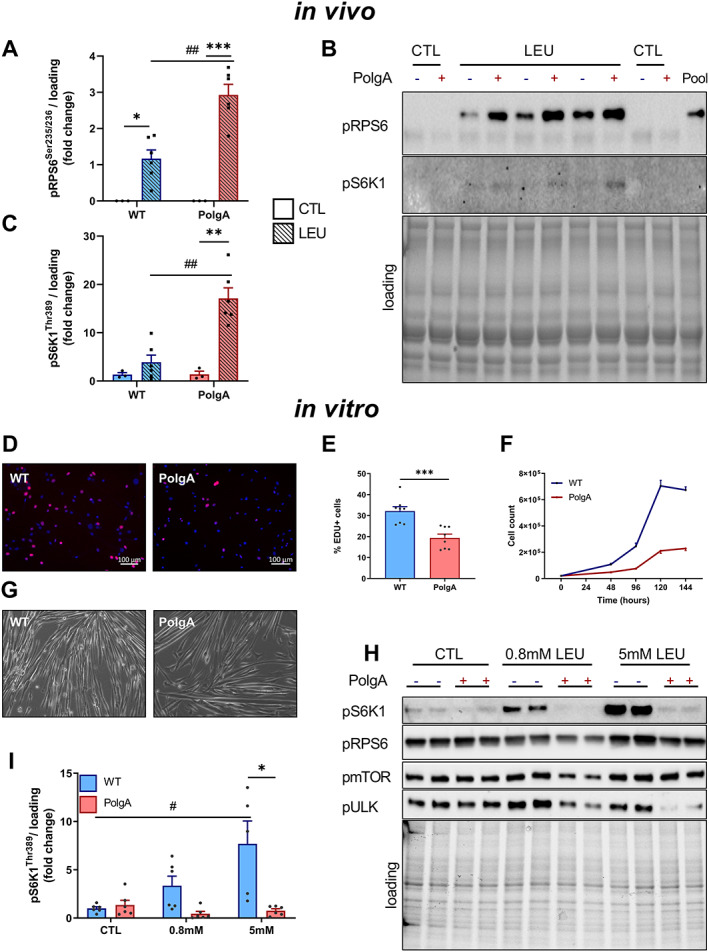
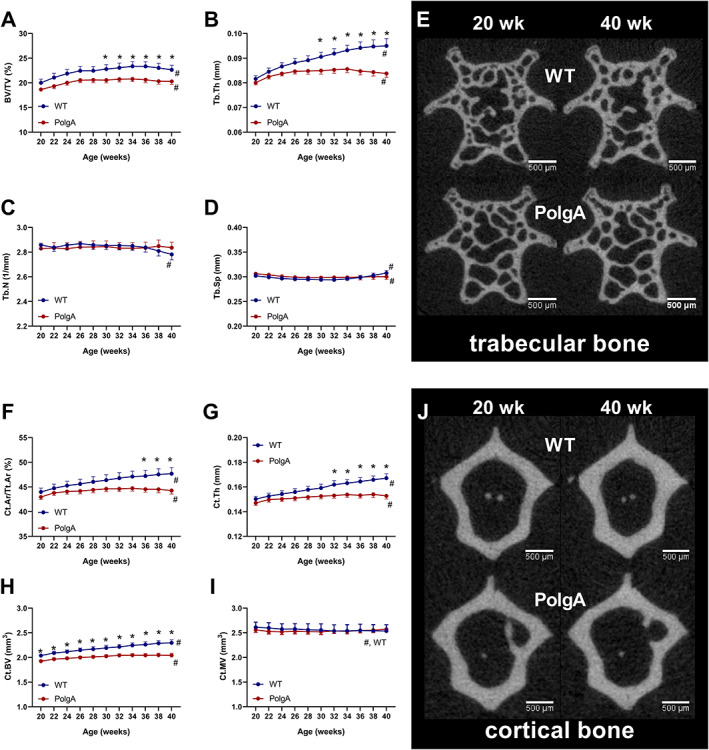
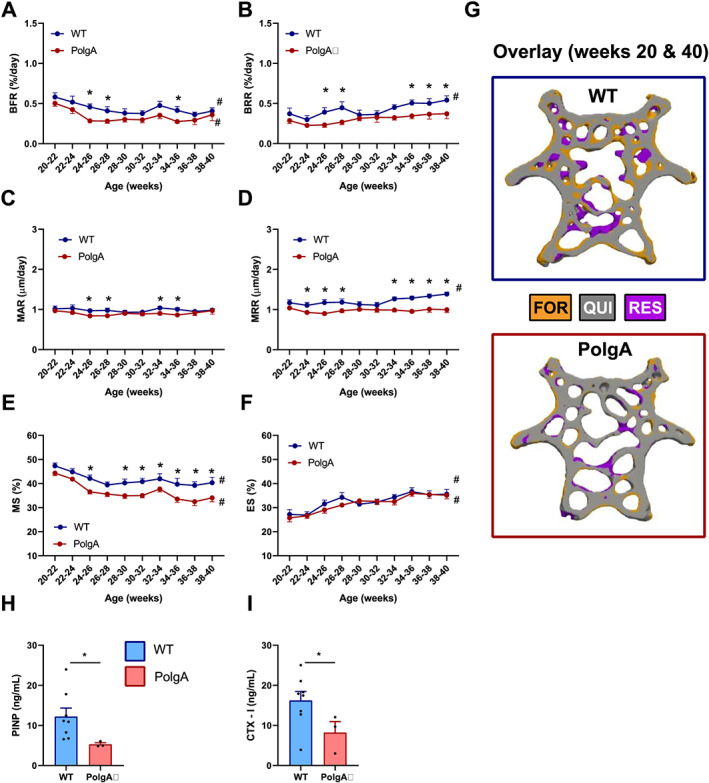
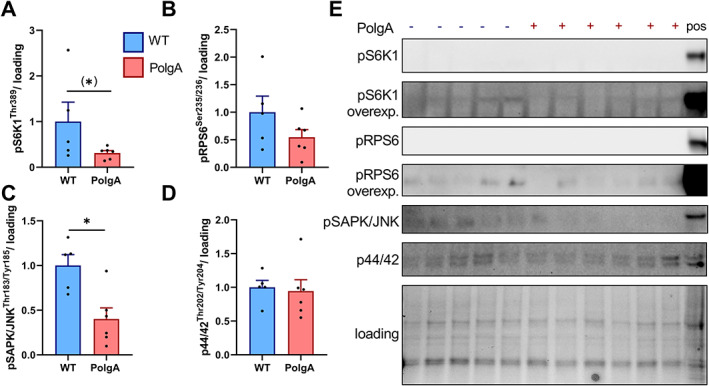
PolgA accumulated health deficits at a higher rate compared with WT, resulting in a higher frailty index at 40 and 46 weeks of age (+166%, +278%, P < 0.0001), respectively, with no differences between genotypes at 34 weeks. Concomitantly, PolgA displayed progressive musculoskeletal deterioration such as reduced bone and muscle mass as well as impaired functionality thereof. In addition to lower muscle weights (-14%, P < 0.05, -23%, P < 0.0001) and fibre area (-20%, P < 0.05, -22%, P < 0.0001) at 40 and 46 weeks, respectively, PolgA showed impairments in grip strength and concentric muscle forces (P < 0.05). PolgA mutation altered the acute response to various anabolic stimuli in skeletal muscle and muscle progenitors. While PolgA muscles were hypersensitive to eccentric contractions as well as leucine administration, shown by larger downstream signalling response of the mechanistic target of rapamycin complex 1, myogenic progenitors cultured in vitro showed severe anabolic resistance to leucine and robust impairments in cell proliferation. Longitudinal micro-computed tomography analysis of the sixth caudal vertebrae showed that PolgA had lower bone morphometric parameters (e.g. bone volume fraction, trabecular, and cortical thickness, P < 0.05) as well as reduced remodelling activities (e.g. bone formation and resorption rate, P < 0.05) compared with WT. When subjected to 4 weeks of cyclic loading, young but not aged PolgA caudal vertebrae showed load-induced bone adaptation, suggesting reduced mechanosensitivity with age.
PolgA mutation leads to hallmarks of age-related frailty and osteosarcopenia and provides a powerful model to better understand the relationship between frailty and the aging musculoskeletal system.
衰弱是一种老年综合征,其特征是对不良健康后果的易感性增加。其主要决定因素之一是肌肉骨骼系统的逐渐减弱以及与之相关的骨-肌减少症。为了更好地了解潜在的病理生理学机制,更重要的是,为了测试针对衰弱症的潜在干预措施,我们需要合适的动物模型。
为了评估过早衰老的 PolgA 小鼠作为衰弱症和骨-肌减少症模型的相关性,我们用年龄来量化 PolgA 和野生型同窝仔鼠(PolgA,WT)的临床小鼠衰弱指数,并同时评估骨和肌肉组织的数量和质量。最后,评估了骨骼肌肉、肌肉祖细胞和骨骼的合成代谢反应性。
与 WT 相比,PolgA 积累健康缺陷的速度更快,导致 40 周和 46 周时的衰弱指数更高(分别增加 166%、278%,P<0.0001),而在 34 周时两种基因型之间没有差异。同时,PolgA 表现出进行性的肌肉骨骼恶化,如骨和肌肉质量下降以及功能受损。除了 40 周和 46 周时肌肉重量分别下降 14%(P<0.05,下降 23%,P<0.0001)和 20%(P<0.05,下降 22%,P<0.0001)以及纤维面积下降外,PolgA 还表现出握力和向心肌肉力量受损(P<0.05)。PolgA 突变改变了骨骼肌肉和肌肉祖细胞对各种合成代谢刺激的急性反应。虽然 PolgA 肌肉对离心收缩和亮氨酸给药更为敏感,其机械靶标雷帕霉素复合物 1 的下游信号反应更大,但在体外培养的成肌祖细胞中,亮氨酸的合成代谢反应严重受阻,细胞增殖严重受损。对第六尾椎的纵向微计算机断层扫描分析表明,与 WT 相比,PolgA 具有较低的骨形态计量学参数(例如,骨体积分数、小梁和皮质厚度,P<0.05)以及较低的重塑活性(例如,骨形成和吸收速率,P<0.05)。当 PolgA 尾椎接受 4 周的周期性加载时,年轻但不是年老的 PolgA 尾椎显示出与负荷相关的骨适应性,这表明随着年龄的增长,机械敏感性降低。
PolgA 突变导致与年龄相关的衰弱症和骨-肌减少症的特征,并为更好地了解衰弱症与衰老的肌肉骨骼系统之间的关系提供了有力的模型。