Laboratoire Des Sciences du Climat Et de L'Environnement (LSCE/IPSL), UMR 8212 (CEA/CNRS/UVSQ), Université Paris-Saclay - Orme Des Merisiers, 91191, Gif-sur-Yvette Cedex, France.
Department of Environmental Science and Policy, Università Degli Studi Di Milano, Milan, Italy.
Sci Rep. 2020 Jun 29;10(1):10502. doi: 10.1038/s41598-020-67452-1.
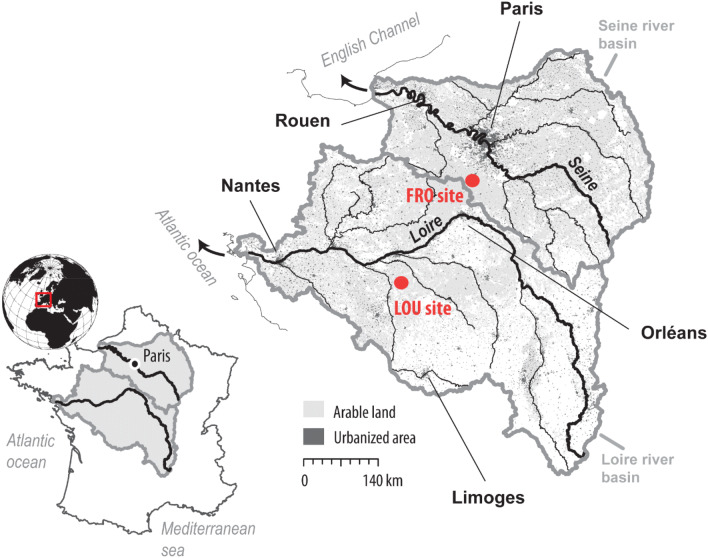
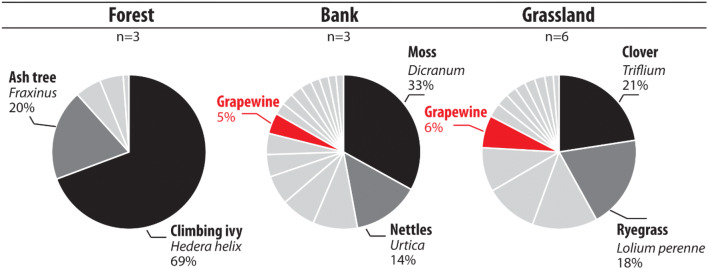
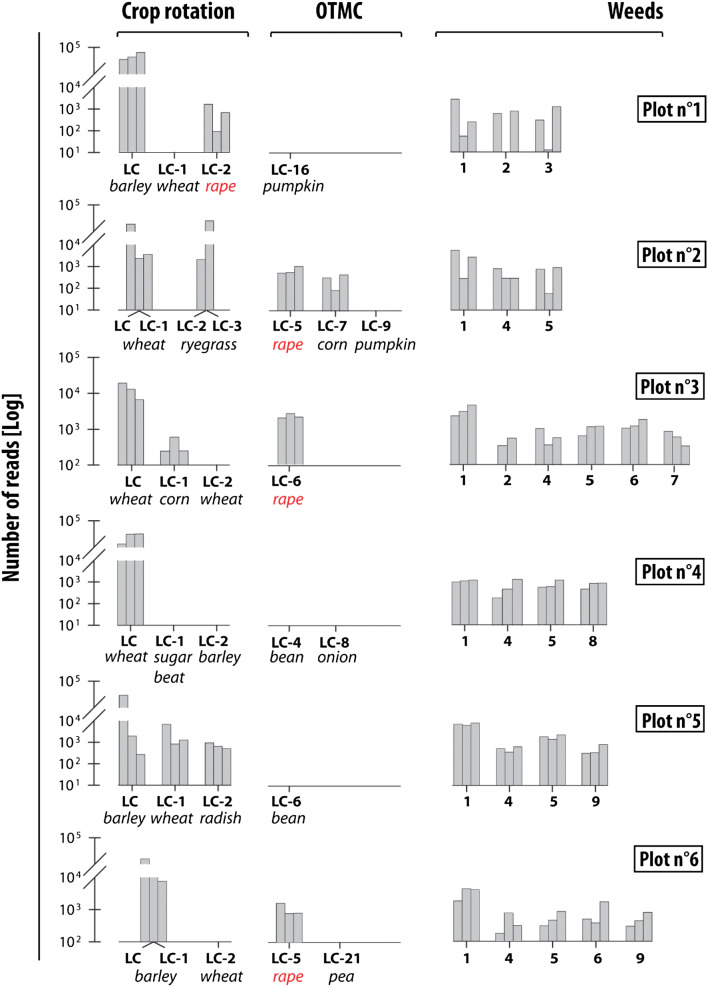
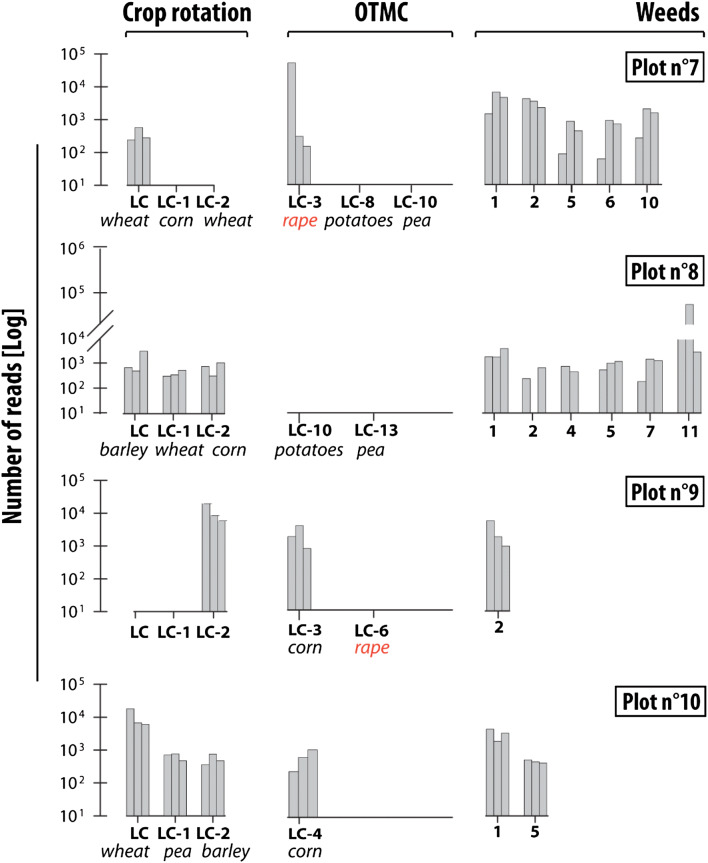
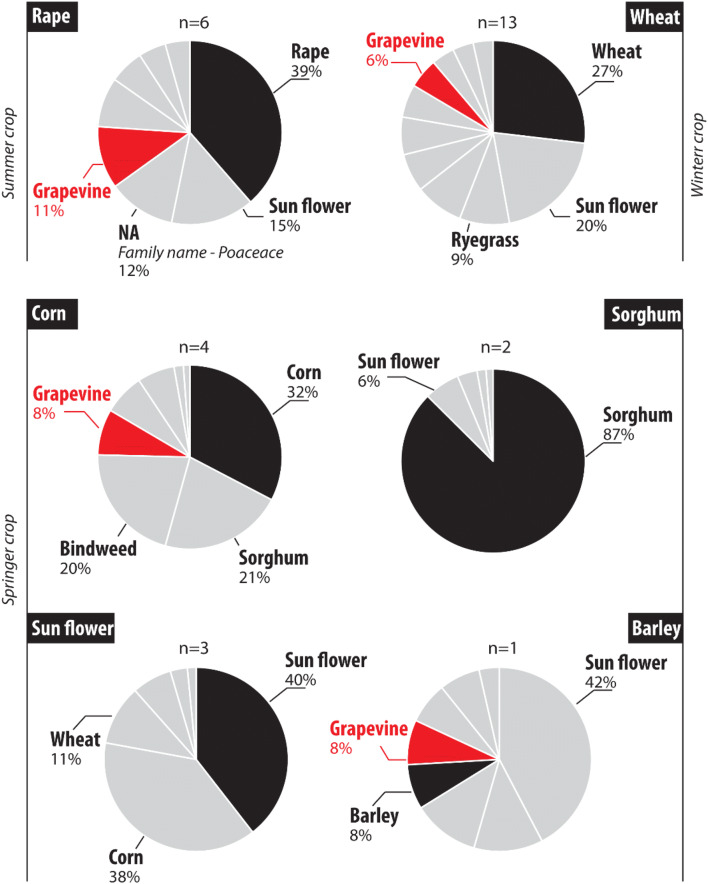
eDNA refers to DNA extracted from an environmental sample with the goal of identifying the occurrence of past or current biological communities in aquatic and terrestrial environments. However, there is currently a lack of knowledge regarding the soil memory effect and its potential impact on lake sediment eDNA records. To investigate this issue, two contrasted sites located in cultivated environments in France were studied. In the first site, soil samples were collected (n = 30) in plots for which the crop rotation history was documented since 1975. In the second site, samples were collected (n = 40) to compare the abundance of currently observed taxa versus detected taxa in cropland and other land uses. The results showed that the last cultivated crop was detected in 100% of the samples as the most abundant. In addition, weeds were the most abundant taxa identified in both sites. Overall, these results illustrate the potential of eDNA analyses for identifying the recent (< 10 years) land cover history of soils and outline the detection of different taxa in cultivated plots. The capacity of detection of plant species grown on soils delivering sediments to lacustrine systems is promising to improve our understanding of sediment transfer processes over short timescales.
环境 DNA(eDNA)是指从环境样本中提取的 DNA,其目的是识别水生和陆地环境中过去或当前生物群落的存在。然而,目前对于土壤记忆效应及其对湖泊沉积物 eDNA 记录的潜在影响知之甚少。为了研究这个问题,研究了法国两个具有不同特征的种植环境的地点。在第一个地点,收集了(n=30)土壤样本,这些样本所在的地块的轮作历史自 1975 年以来就有记录。在第二个地点,收集了(n=40)样本,以比较目前在耕地和其他土地利用类型中观察到的丰度与检测到的丰度。结果表明,在 100%的样本中,最后一种种植作物被检测到是最丰富的。此外,杂草是两个地点中最丰富的被鉴定的类群。总的来说,这些结果说明了 eDNA 分析在识别土壤最近(<10 年)土地覆盖历史方面的潜力,并概述了在耕地中检测到不同类群的情况。检测向湖泊系统输送沉积物的土壤上种植的植物物种的能力有望提高我们对短时间尺度上沉积物迁移过程的理解。