Department of Biochemistry and Biotechnology, Poznan University of Life Sciences, Dojazd 11, 60-632 Poznań, Poland.
Institute of Human Genetics, Polish Academy of Sciences, Strzeszyńska 32, 60-479 Poznań, Poland.
Genes (Basel). 2020 Jun 26;11(6):713. doi: 10.3390/genes11060713.
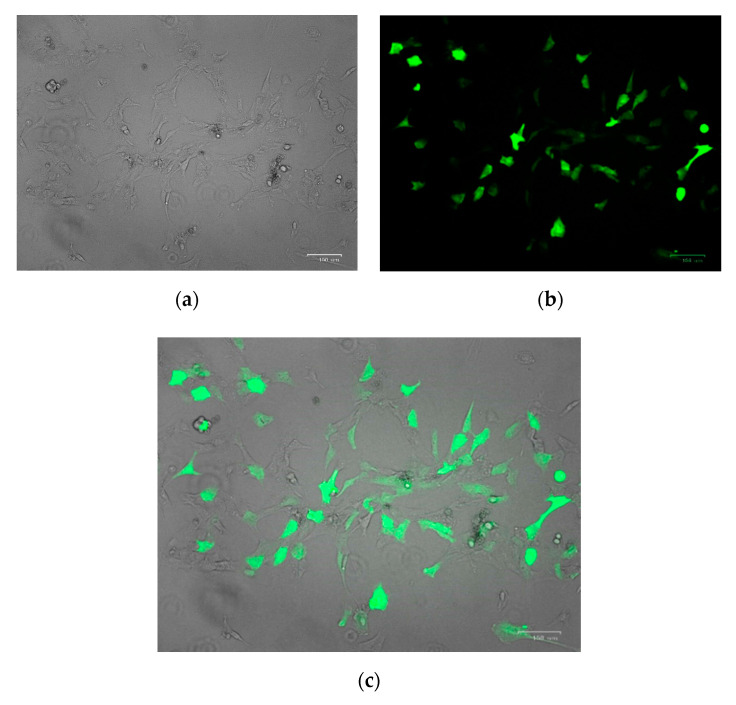
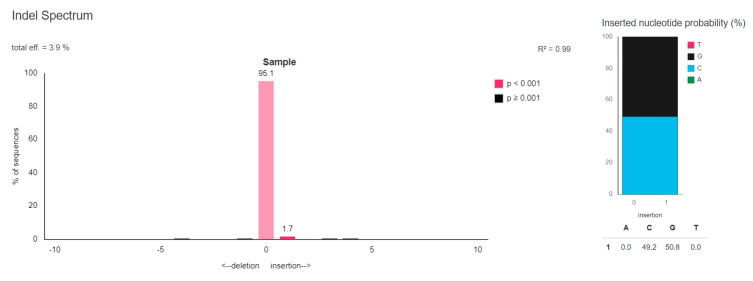
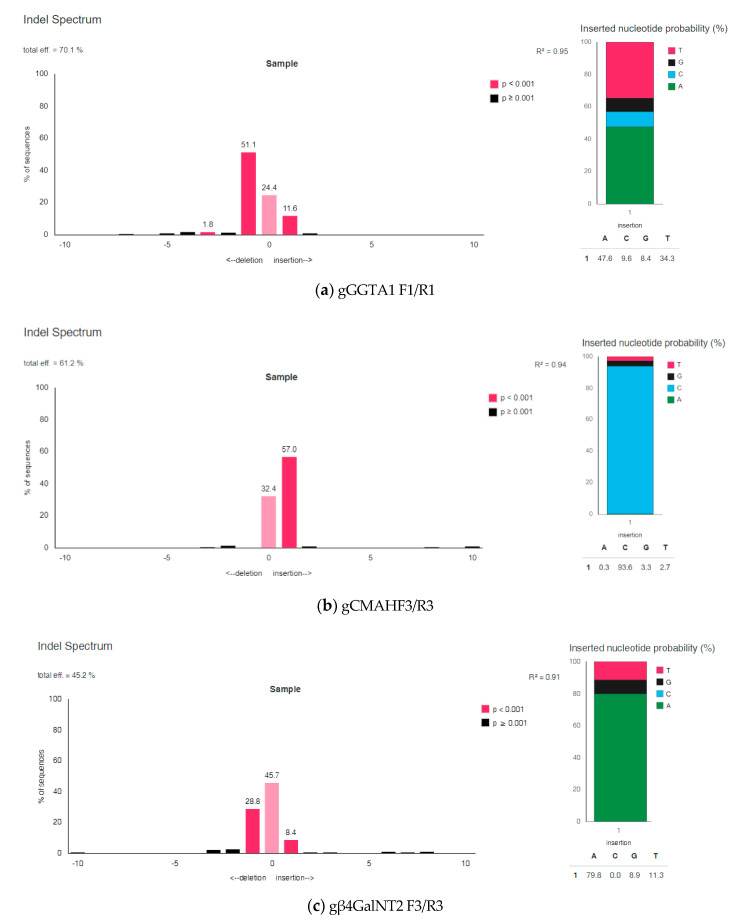
The increasing life expectancy of humans has led to an increase in the number of patients with chronic diseases and organ failure. However, the imbalance between the supply and the demand for human organs is a serious problem in modern transplantology. One of many solutions to overcome this problem is the use of xenotransplantation. The domestic pig () is currently considered as the most suitable for human organ procurement. However, there are discrepancies between pigs and humans that lead to the creation of immunological barriers preventing the direct xenograft. The introduction of appropriate modifications to the pig genome to prevent xenograft rejection is crucial in xenotransplantation studies. In this study, porcine , , , , genes were selected to introduce genetic modifications. The evaluation of three selected gRNAs within each gene was obtained, which enabled the selection of the best site for efficient introduction of changes. Modifications were examined after nucleofection of porcine primary kidney fibroblasts with CRISPR/Cas9 system genetic constructs, followed by the tracking of indels by decomposition (TIDE) analysis. In addition, off-target analysis was carried out for selected best gRNAs using the TIDE tool, which is new in the research conducted so far and shows the utility of this tool in these studies.
人类预期寿命的延长导致慢性疾病和器官衰竭患者数量增加。然而,人类器官供体与受体之间的不平衡是现代移植学中的一个严重问题。解决这个问题的方法之一是使用异种移植。目前,家猪()被认为是最适合获取人类器官的动物。然而,猪和人类之间存在差异,导致产生免疫屏障,从而阻止直接的异种移植物。在异种移植研究中,引入适当的猪基因组修饰以防止异种移植物排斥至关重要。在这项研究中,选择了猪的 、 、 、 基因来引入遗传修饰。对每个基因中的三个选定的 gRNA 进行了评估,从而选择了可有效引入变化的最佳位点。用 CRISPR/Cas9 系统遗传构建物对猪原代肾成纤维细胞进行核转染后,检查修饰,然后通过分解(TIDE)分析跟踪插入缺失。此外,还使用 TIDE 工具对选定的最佳 gRNA 进行了脱靶分析,这在迄今为止的研究中是新的,表明该工具在这些研究中的实用性。