Department of Pharmaceutics, College of Pharmacy, Najran University, Najran 11001, Saudi Arabia.
Department of Clinical Laboratory (Histopathology and Cytology), College of Applied Medical Sciences, Najran University, Najran 11001, Saudi Arabia.
Biomolecules. 2020 Jun 27;10(7):968. doi: 10.3390/biom10070968.
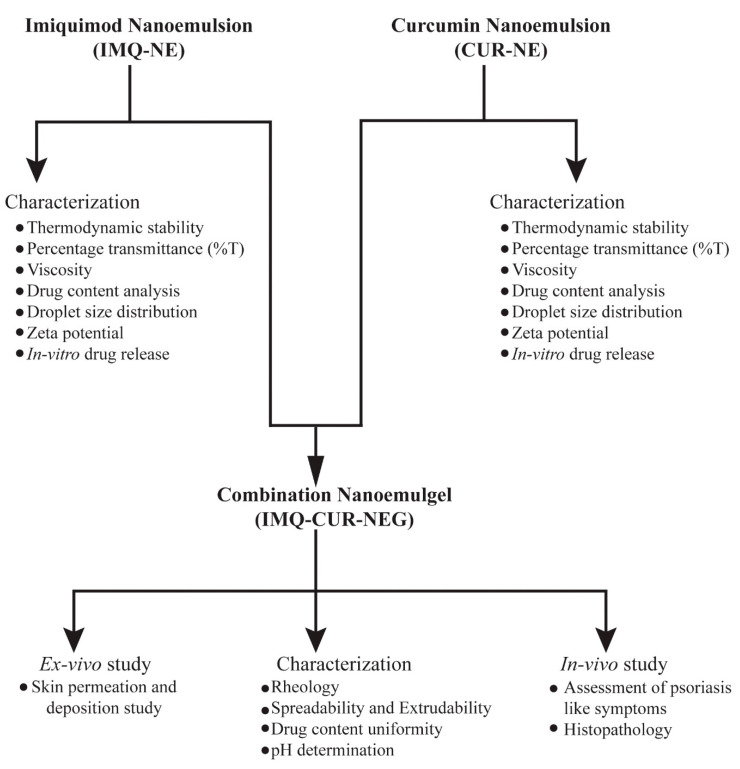
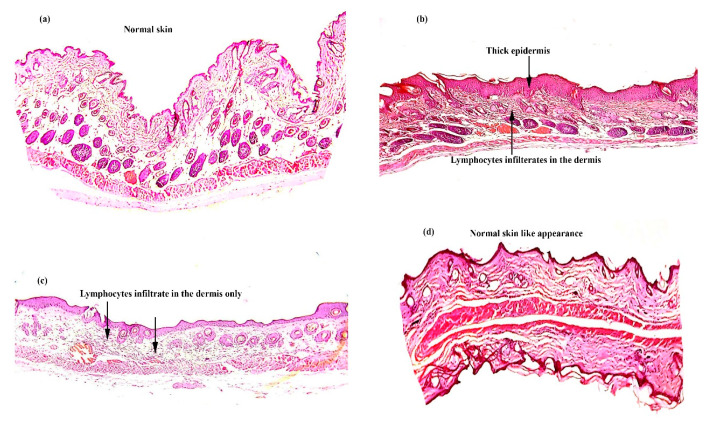
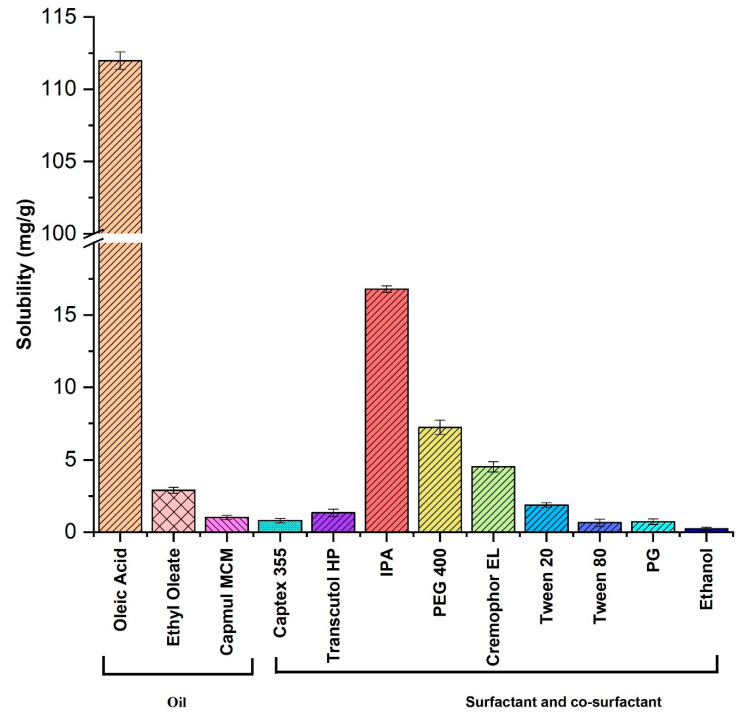
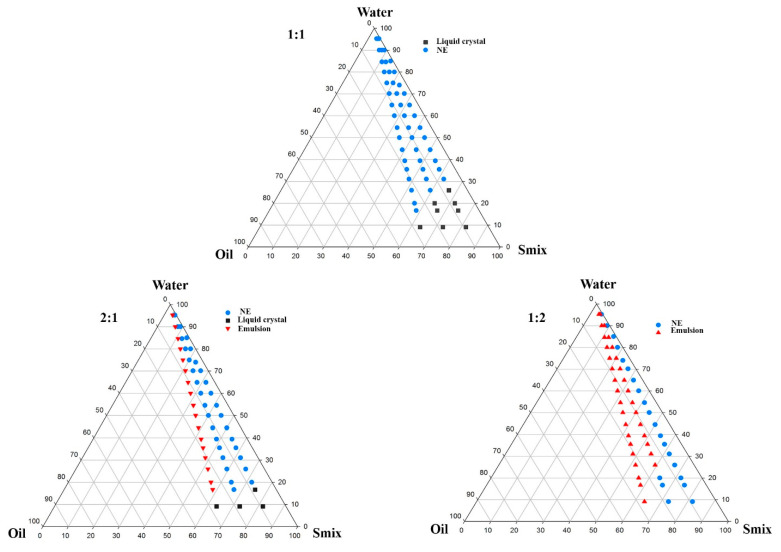
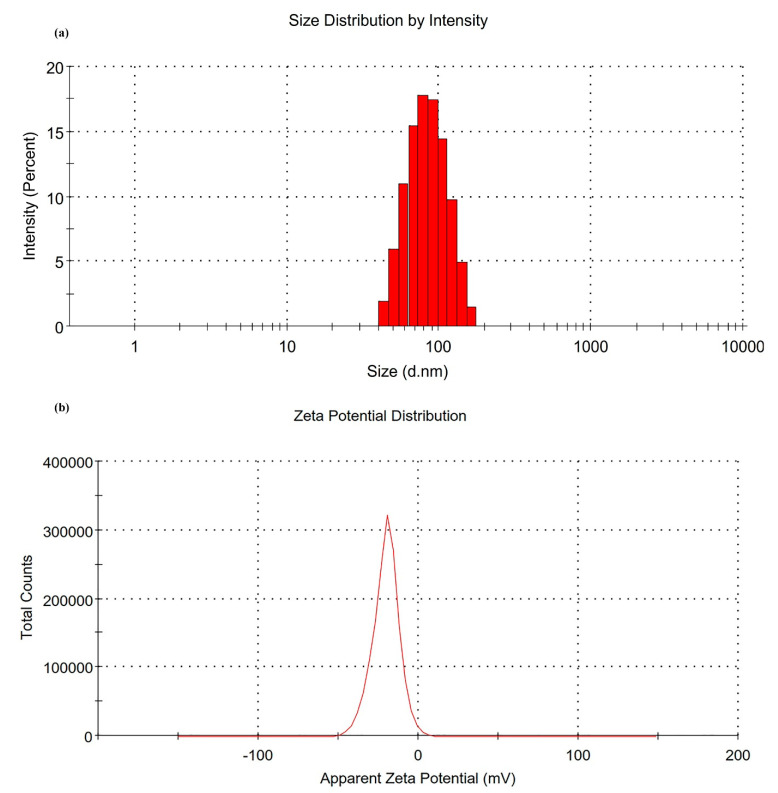
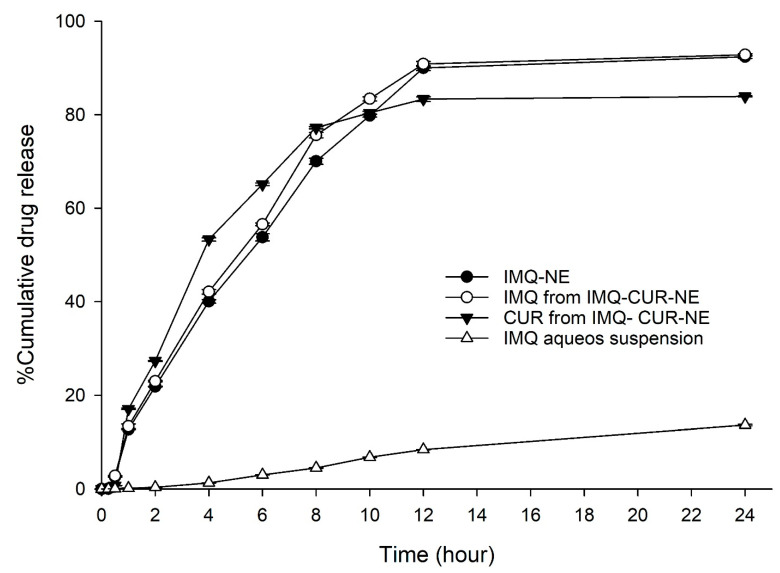
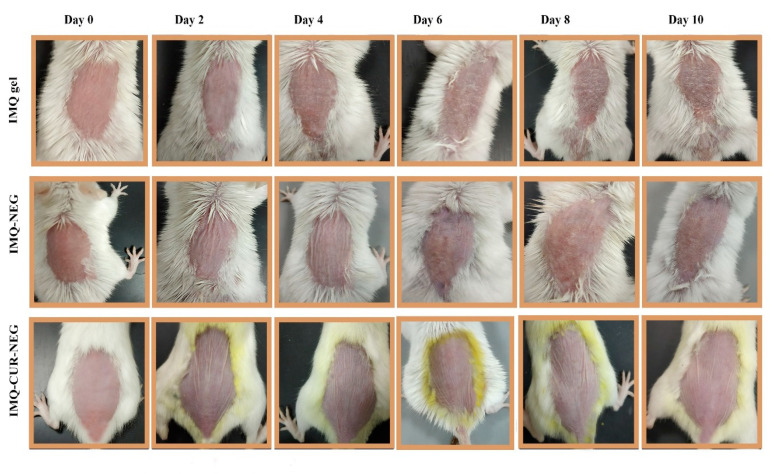
The current investigation aimed to improve the topical efficacy of imiquimod in combination with curcumin using the nanoemulsion-based delivery system through a combinatorial approach. Co-delivery of curcumin acts as an adjuvant therapeutic and to minimize the adverse skin reactions that are frequently associated with the topical therapy of imiquimod for the treatment of cutaneous infections and basal cell carcinomas. The low-energy emulsification method was used for the nano-encapsulation of imiquimod and curcumin in the nanodroplet oil phase, which was stabilized using Tween 20 in an aqueous dispersion system. The weak base property of imiquimod helped to increase its solubility in oleic acid compared with ethyl oleate, which indicates that fatty acids should be preferred as the oil phase for the design of imiquimod-loaded topical nanoemulsion compared with fatty acid esters. The phase diagram method was used to optimize the percentage composition of the nanoemulsion formulation. The mean droplet size of the optimized nanoemulsion was 76.93 nm, with a polydispersity index (PdI) value of 0.121 and zeta potential value of -20.5 mV. The optimized imiquimod-loaded nanoemulsion was uniformly dispersed in carbopol 934 hydrogel to develop into a nanoemulgel delivery system. The imiquimod nanoemulgel exhibited significant improvement (p<0.05) in skin permeability and deposition profile after topical application. The in vivo effectiveness of the combination of imiquimod and curcumin nanoemulgel was compared to the imiquimod nanoemulgel and imiquimod gel formulation through topical application for ten days in BALB/c mice. The combination of curcumin with imiquimod in the nanoemulgel system prevented the appearance of psoriasis-like symptoms compared with the imiquimod nanoemulgel and imiquimod gel formulation entirely. Further, the imiquimod nanoemulgel as a mono-preparation slowed and reduced the psoriasis-like skin reaction when compared with the conventional imiquimod gel, and that was contributed to by the control release property of the nano-encapsulation approach.
当前的研究旨在通过组合方法,利用基于纳米乳液的传递系统,提高咪喹莫特联合姜黄素的局部疗效。姜黄素的共递送作用作为辅助治疗,以最小化咪喹莫特局部治疗皮肤感染和基底细胞癌时经常出现的不良反应。采用低能量乳化法将咪喹莫特和姜黄素纳米封装在油相的纳米液滴中,该油相在水性分散系统中使用吐温 20 稳定。咪喹莫特的弱碱性有助于增加其在油酸中的溶解度,而不是在油酸乙酯中的溶解度,这表明脂肪酸应优先作为设计咪喹莫特负载局部纳米乳液的油相,而不是脂肪酸酯。相图法用于优化纳米乳液配方的百分比组成。优化纳米乳液的平均粒径为 76.93nm,多分散指数(PdI)值为 0.121,zeta 电位值为-20.5mV。将优化的咪喹莫特负载纳米乳液均匀分散在卡波姆 934 水凝胶中,开发成纳米乳液凝胶传递系统。咪喹莫特纳米乳液凝胶在经皮给药后,皮肤渗透性和沉积分布显著改善(p<0.05)。通过在 BALB/c 小鼠上进行为期十天的局部应用,比较了咪喹莫特和姜黄素纳米乳液凝胶联合应用与咪喹莫特纳米乳液凝胶和咪喹莫特凝胶制剂的组合的体内效果。与咪喹莫特纳米乳液凝胶和咪喹莫特凝胶制剂相比,姜黄素与咪喹莫特在纳米乳液凝胶系统中的联合应用完全阻止了银屑病样症状的出现。此外,与传统咪喹莫特凝胶相比,咪喹莫特纳米乳液凝胶作为单一制剂时,可减缓并减少银屑病样皮肤反应,这归因于纳米封装方法的控制释放特性。