Department of GastroenterologyFirst Affiliated HospitalSchool of Medicine, Zhejiang University, Hangzhou, 310003, China.
Department of Pharmacy, Zhejiang Provincial People's Hospital, Hangzhou, 310014, China.
Hepatol Int. 2020 Sep;14(5):828-841. doi: 10.1007/s12072-020-10068-4. Epub 2020 Jun 30.
Nonalcoholic fatty liver disease (NAFLD) is a common chronic liver disease worldwide, but its pathogenesis remains imprecisely understood and requires further clarification. Recently, the tumor suppressor p53 has received growing attention for its role in metabolic diseases. In this study, we performed in vivo and in vitro experiments to identify the contribution of p53-autophagy regulation to NAFLD.
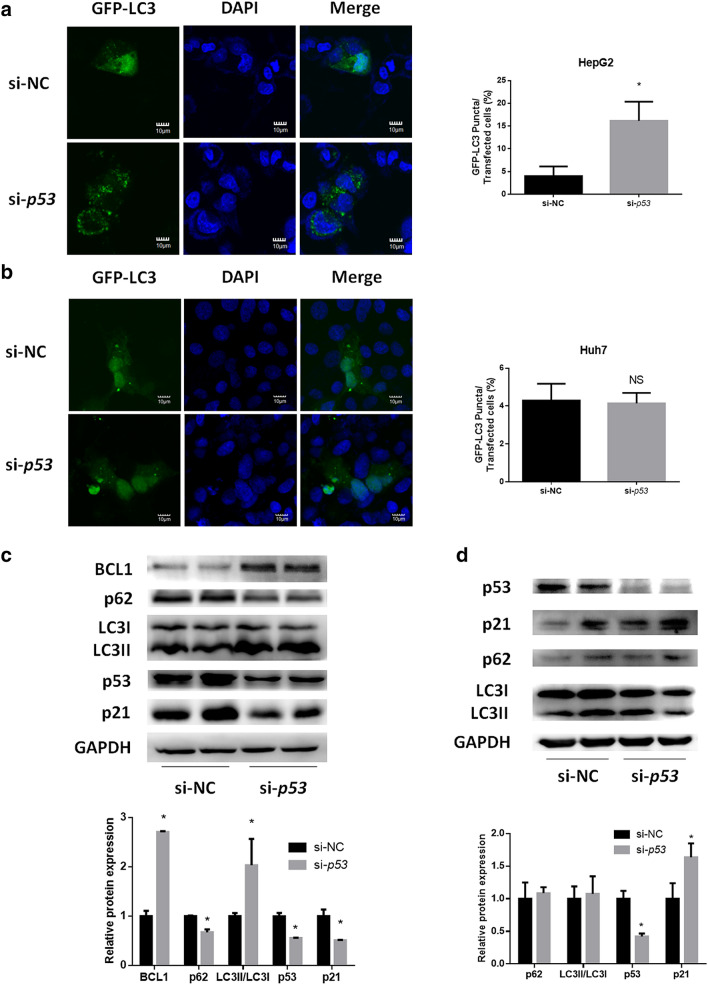
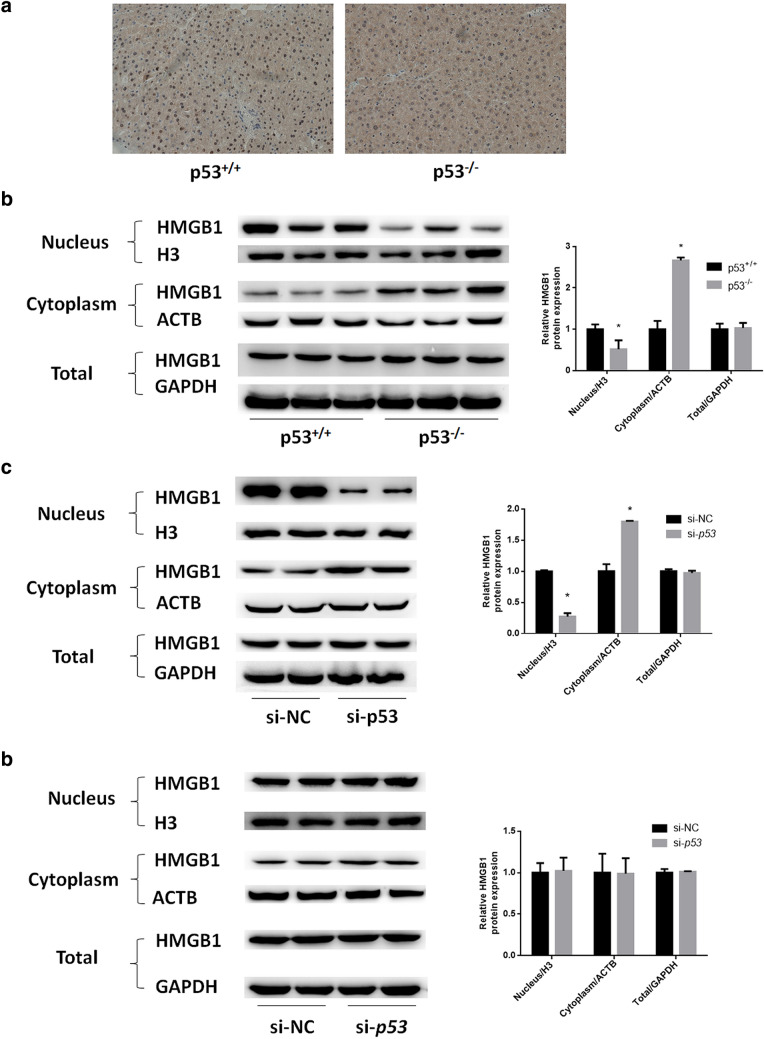
Livers from wild-type and p53 knockout mice as well as p53-functional HepG2 cells and p53-dysfunctional Huh7 cells were examined for autophagy status and HMGB1 translocation. In vivo and in vitro NAFLD models were established, and steatosis was detected. In the cell models, autophagy status and steatosis were examined by p53 and/or HMGB1 silencing.
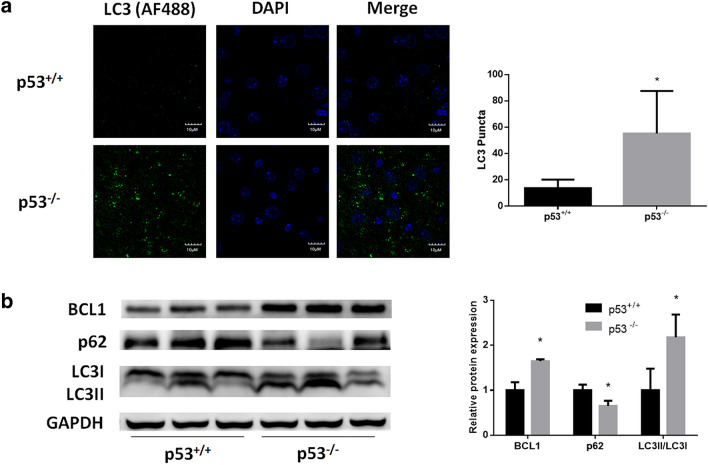
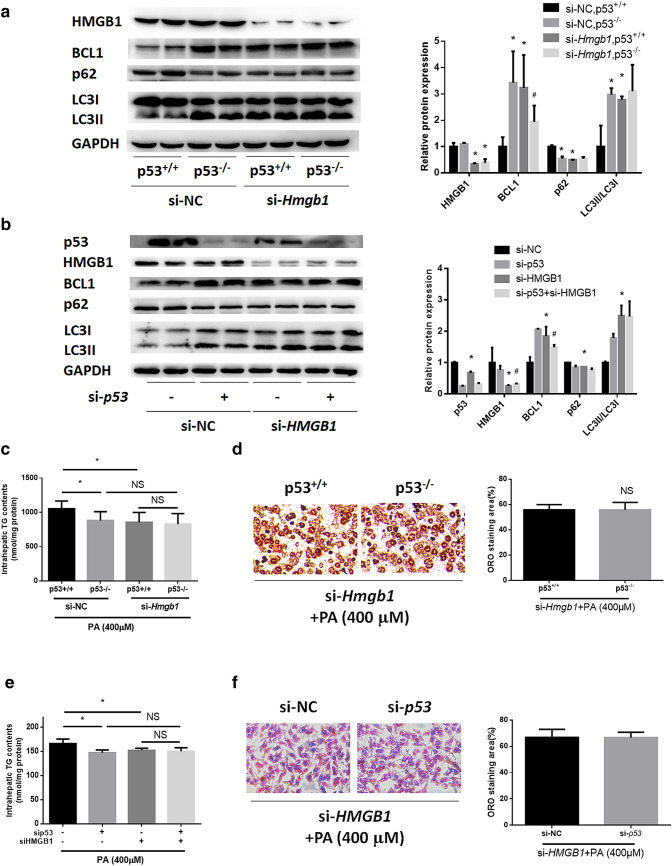
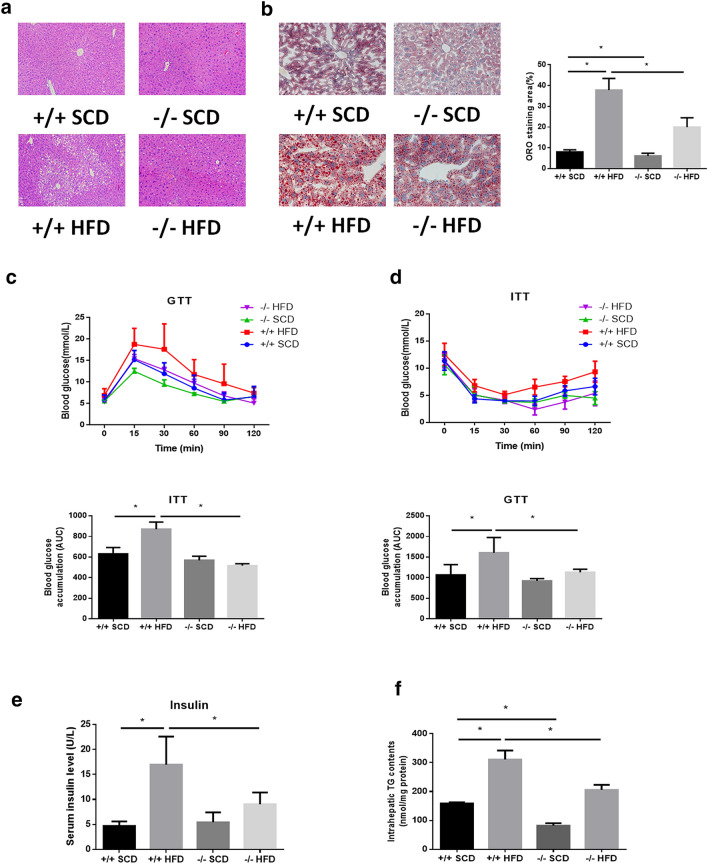
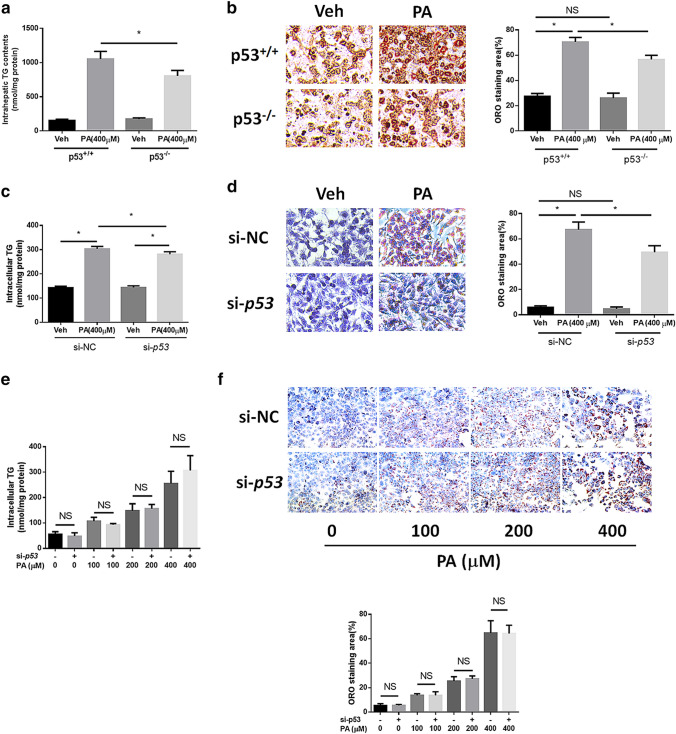
First, the silencing of p53 could induce autophagy both in vivo and in vitro. In addition, p53 knockout attenuated high-fat diet-induced NAFLD in mice. Similarly, knockdown of p53 could alleviate palmitate-induced lipid accumulation in cell models. Furthermore, high mobility group box 1 (HMGB1) was proven to contribute to the effect of silencing p53 on alleviating NAFLD in vitro as an autophagy regulator.
The anti-NAFLD effect of functional p53 silencing is associated with the HMGB1-mediated induction of autophagy.
非酒精性脂肪性肝病(NAFLD)是一种常见的全球慢性肝病,但其发病机制仍不明确,需要进一步阐明。最近,肿瘤抑制因子 p53 因其在代谢性疾病中的作用而受到越来越多的关注。在本研究中,我们进行了体内和体外实验,以确定 p53-自噬调节对 NAFLD 的贡献。
检测野生型和 p53 敲除小鼠以及具有功能性 p53 的 HepG2 细胞和具有功能障碍性 p53 的 Huh7 细胞的自噬状态和 HMGB1 易位。建立体内和体外 NAFLD 模型,并检测脂肪变性。在细胞模型中,通过 p53 和/或 HMGB1 沉默来检测自噬状态和脂肪变性。
首先,p53 的沉默可以在体内和体外诱导自噬。此外,p53 敲除可以减轻高脂肪饮食诱导的小鼠 NAFLD。同样,p53 敲低可以减轻细胞模型中棕榈酸诱导的脂质积累。此外,高迁移率族蛋白 B1(HMGB1)被证明作为自噬调节剂,有助于沉默 p53 对体外 NAFLD 的缓解作用。
功能性 p53 沉默的抗 NAFLD 作用与 HMGB1 介导的自噬诱导有关。