Department of Microbiology, School of Basic Medical Sciences, Capital Medical University, Beijing, China.
Department of Virology, State Key Laboratory of Pathogen and Biosecurity, Beijing Institute of Microbiology and Epidemiology, Beijing, China.
J Virol. 2020 Aug 17;94(17). doi: 10.1128/JVI.00602-20.
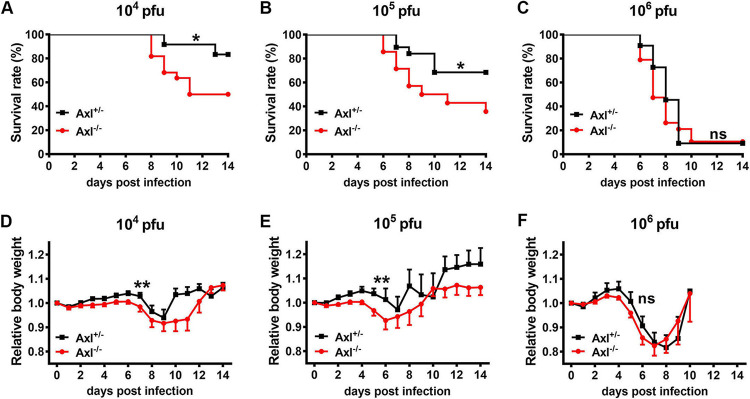
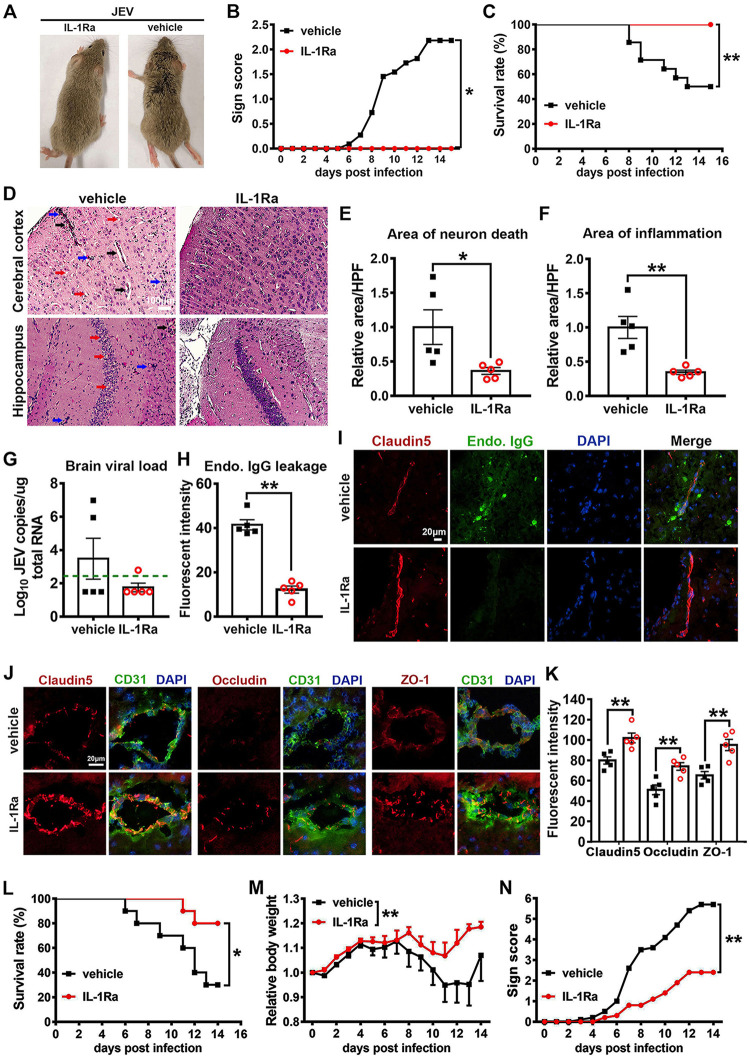
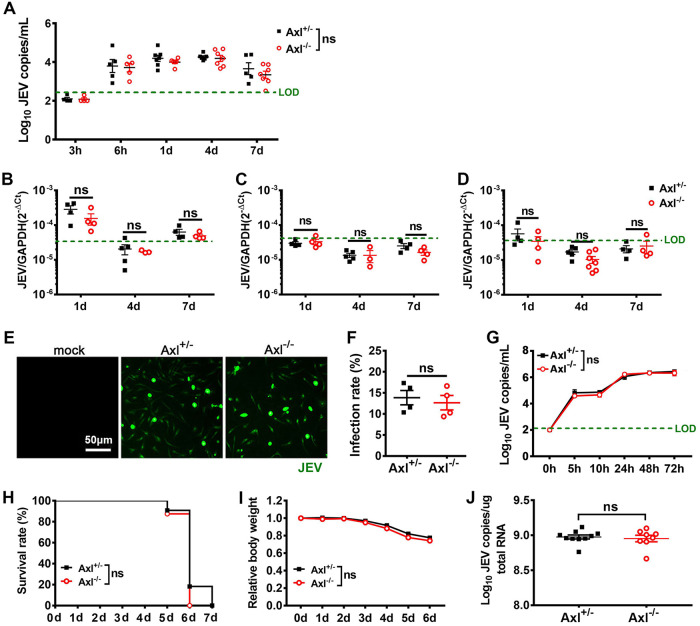
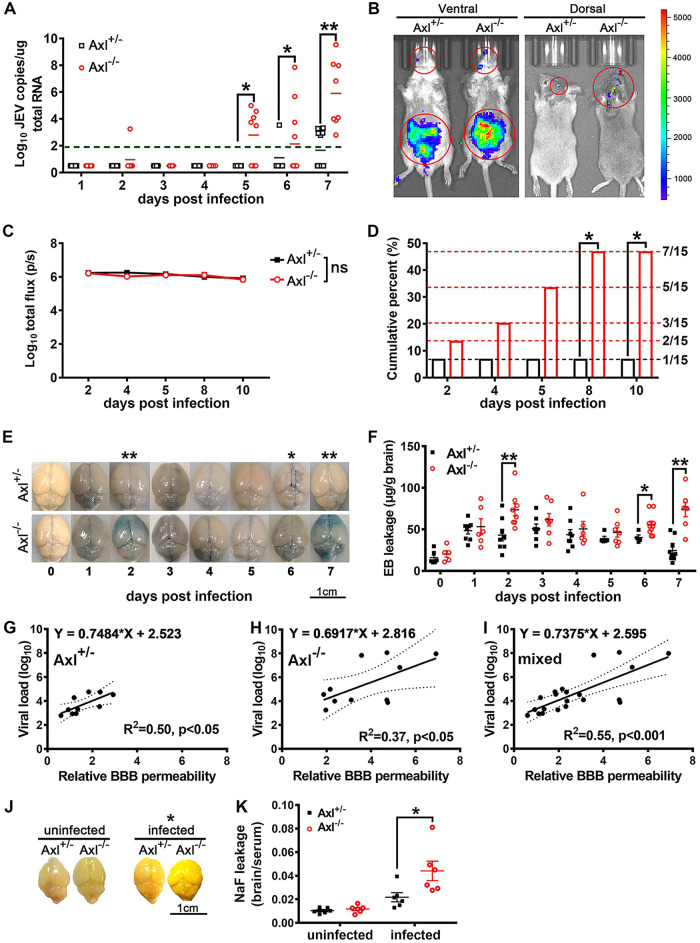
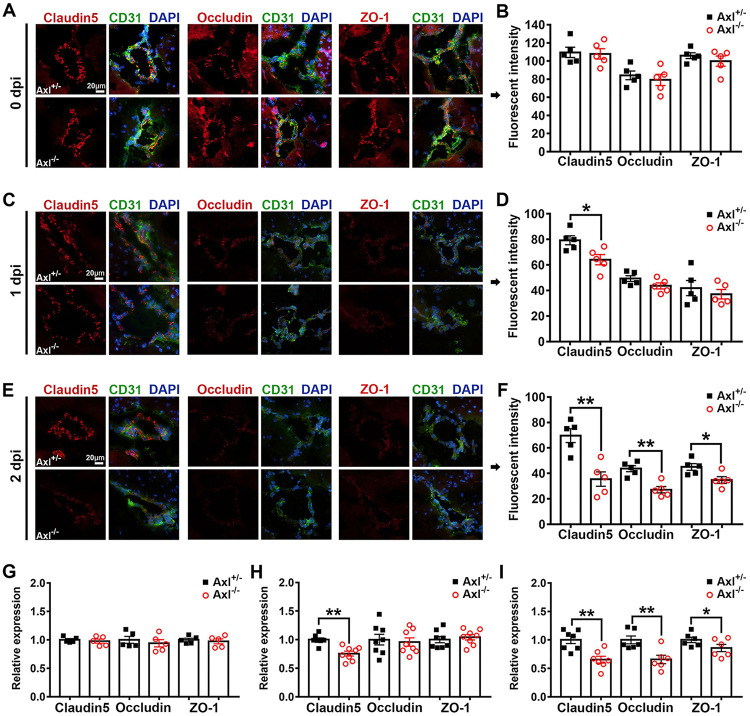
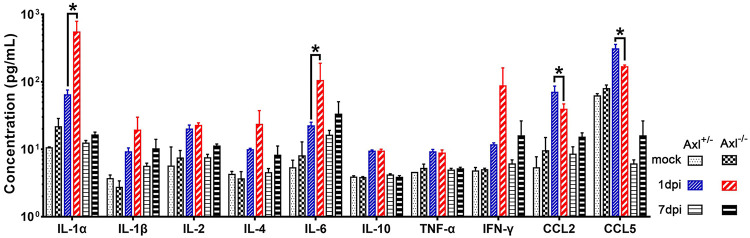
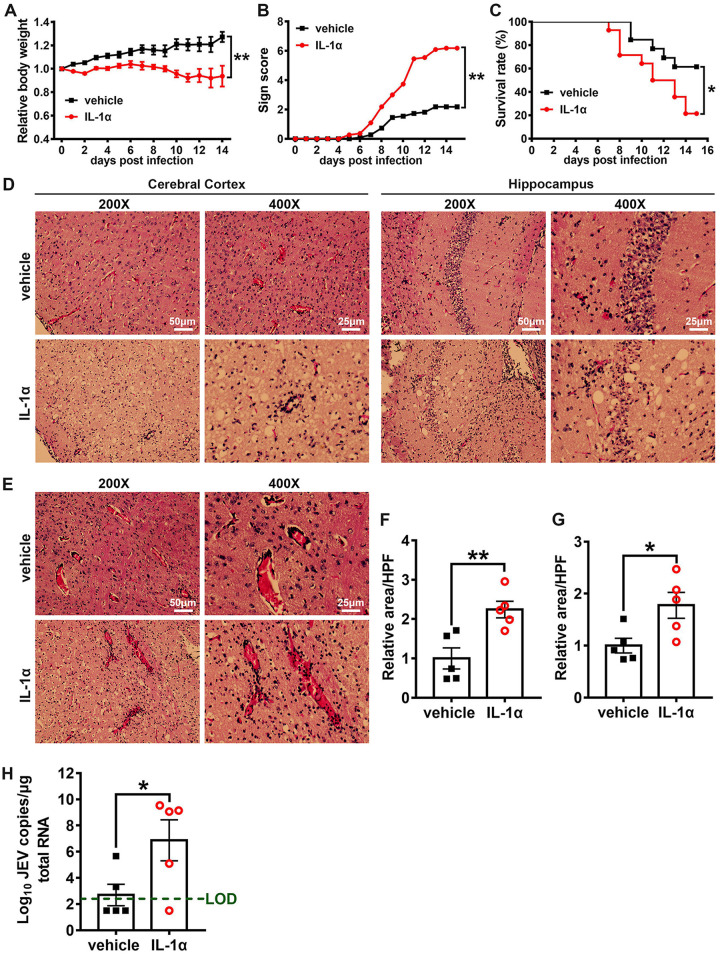
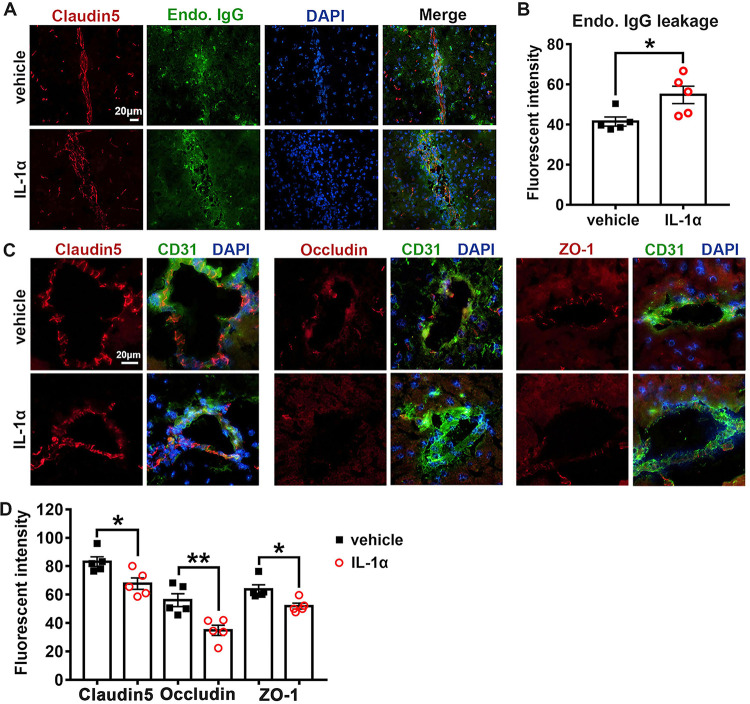
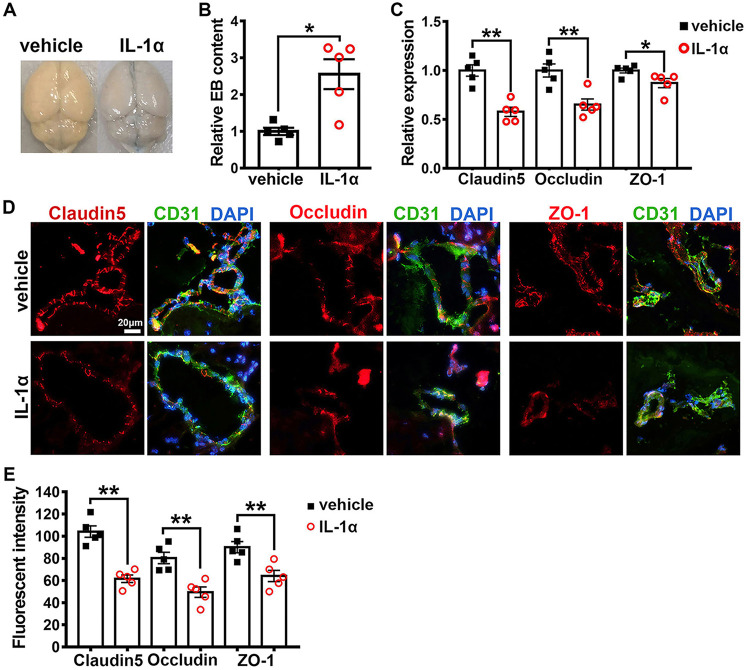
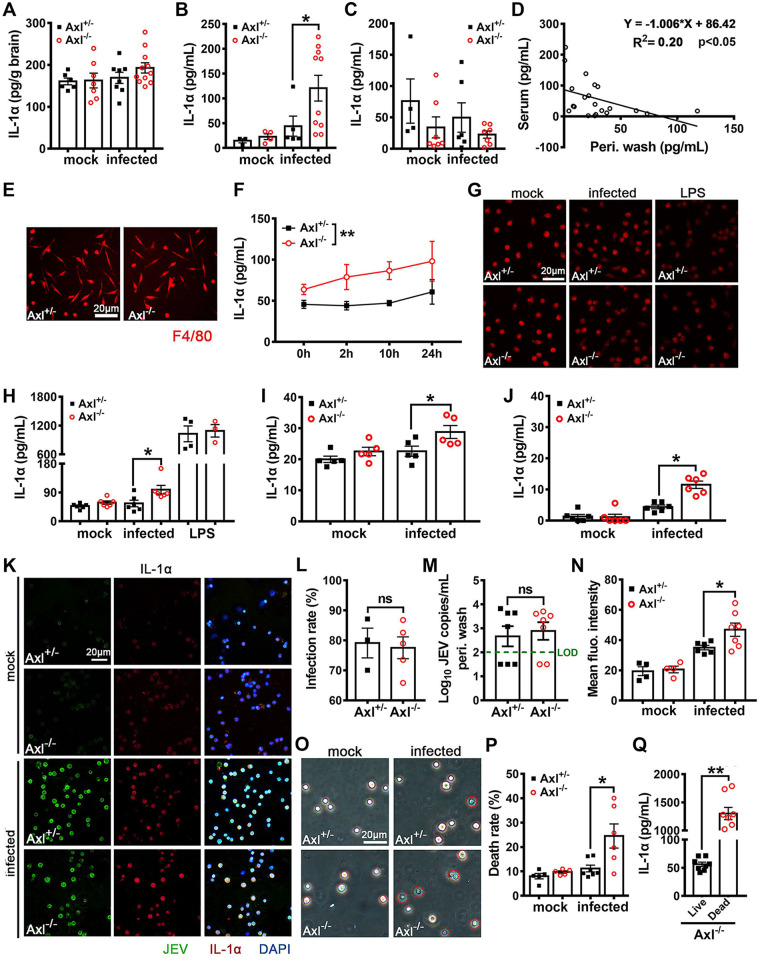
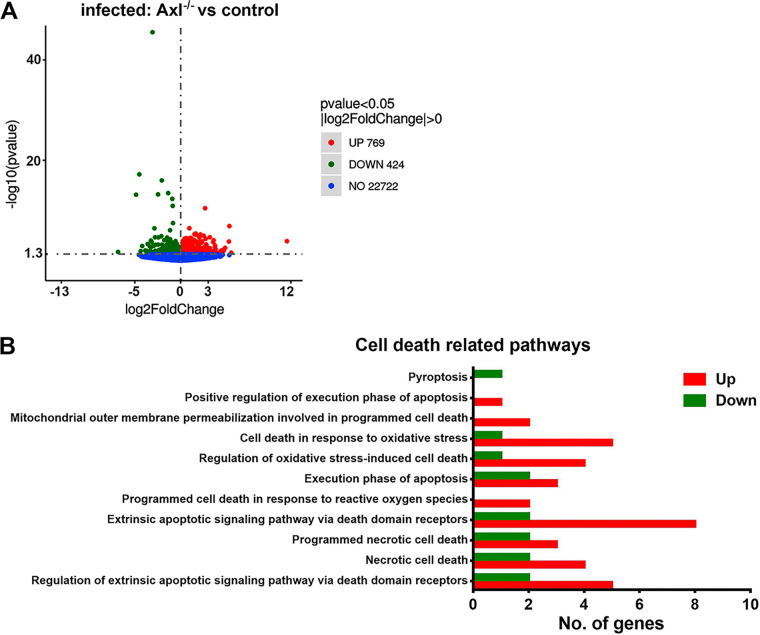
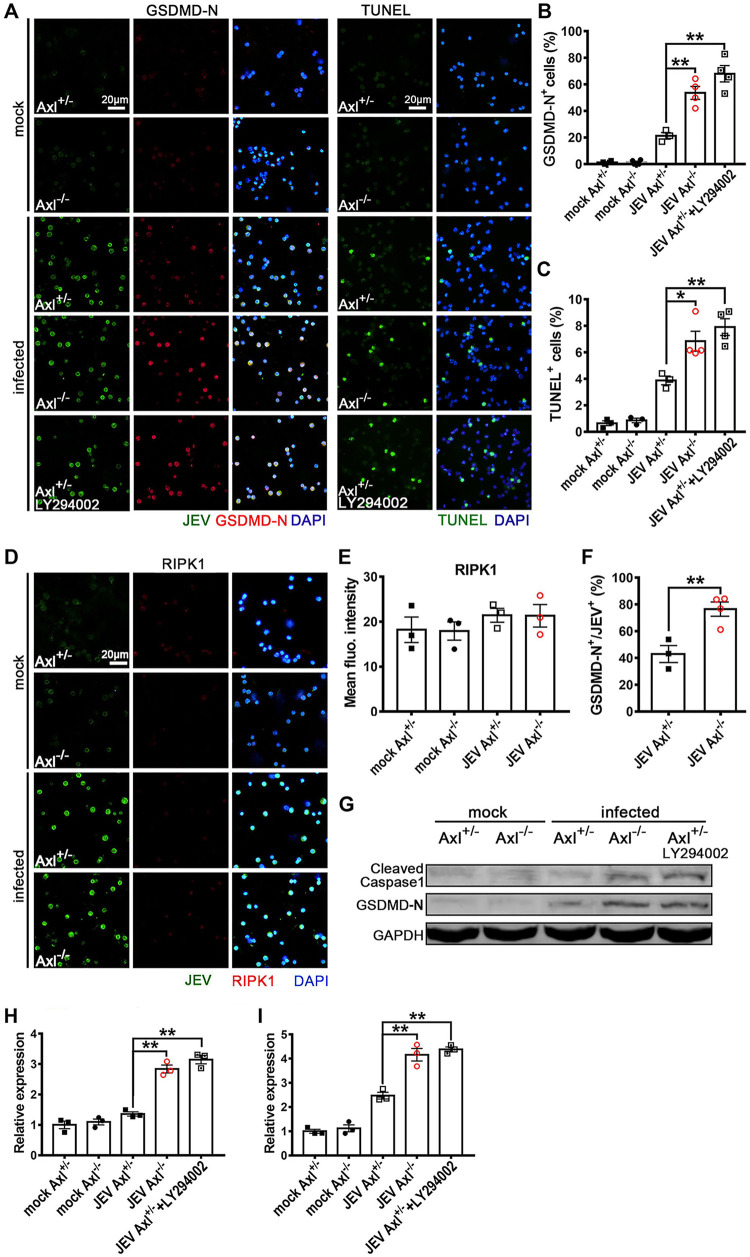
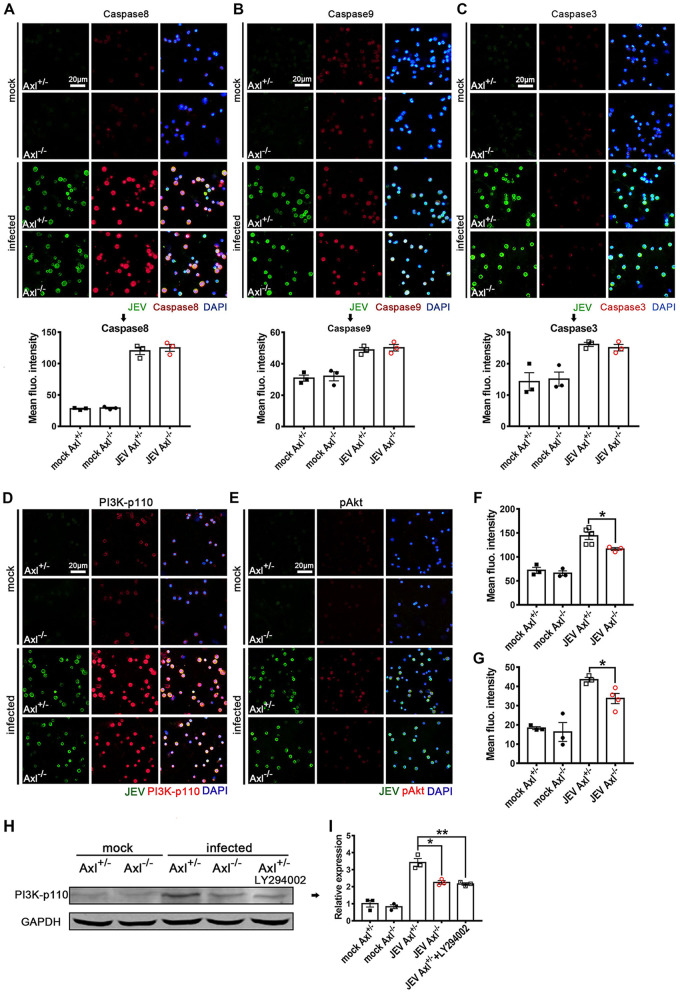
Japanese encephalitis virus (JEV) is a flavivirus that causes Japanese encephalitis (JE), which has an unclear pathogenesis. Despite vaccination, thousands of deaths attributed to JE are reported annually. In this study, we report that mice deficient for Axl, a receptor tyrosine kinase that plays multiple roles in flaviviral infection, displayed greater mortality upon JEV infection. The effect of Axl deficiency on JEV infection was mediated by markedly elevated serum interleukin-1α (IL-1α) levels, which devastated the blood-brain-barrier and promoted viral neuroinvasion within 24 h postinfection. Using an infection model, we showed that dead macrophages were the primary source of observed increased serum IL-1α levels. Axl deficiency enhanced cell death and caused pyroptosis in 80% of JEV-infected macrophages by disrupting phosphatidylinositol 3-kinase (PI3K)-Akt signaling. Intriguingly, the primary effector released by pyroptotic macrophages in our model was IL-1α rather than IL-1β. Finally, we assessed the effect of an IL-1α antagonist and demonstrated that it effectively prevented the incidence of JE. Our results indicate that Axl plays a protective role in JEV infection, identify IL-1α released by pyroptotic macrophages as a crucial factor promoting JEV neuroinvasion, and suggest that an IL-1α antagonist may be a candidate for JE therapy. Japanese encephalitis virus (JEV) is a mosquito-borne flavivirus that causes Japanese encephalitis (JE), the most commonly diagnosed viral encephalitis worldwide. The fatality rate of JE is 20%, and nearly half of the surviving patients develop neuropsychiatric sequelae. Axl is a receptor tyrosine kinase that plays multiple roles in flaviviral infections. Currently, the involvement of Axl in JEV infection remains enigmatic. In this study, we demonstrate that Axl impedes the pathogenesis of severe JE in mice by maintaining blood-brain-barrier (BBB) integrity and restricting viral neuroinvasion. Furthermore, serum IL-1α is a key mediator of this process and is primarily released by JEV-infected pyroptotic macrophages to elicit BBB breakdown, while an IL-1α antagonist can effectively reduce the incidence of severe JE. Our work uncovers the protective role of Axl in antagonizing severe JE and shows that the use of an IL-1α antagonist may be a promising tactic to prevent severe JE.
日本脑炎病毒(JEV)是一种黄病毒,可引起日本脑炎(JE),其发病机制尚不清楚。尽管进行了疫苗接种,但每年仍有数千人因 JE 而死亡。在这项研究中,我们报告说,缺乏受体酪氨酸激酶 Axl 的小鼠在 JEV 感染后死亡率更高。Axl 缺乏对 JEV 感染的影响是通过显着升高血清白细胞介素-1α(IL-1α)水平介导的,这种升高在感染后 24 小时内破坏血脑屏障并促进病毒神经入侵。使用感染模型,我们表明,死亡的巨噬细胞是观察到的血清 IL-1α水平升高的主要来源。Axl 缺乏通过破坏磷脂酰肌醇 3-激酶(PI3K)-Akt 信号通路,增强 JEV 感染的巨噬细胞的细胞死亡并引起细胞焦亡,在 80%的 JEV 感染巨噬细胞中发生。有趣的是,我们模型中发生细胞焦亡的巨噬细胞释放的主要效应因子是 IL-1α,而不是 IL-1β。最后,我们评估了 IL-1α 拮抗剂的作用,并证明它可有效预防 JE 的发生。我们的研究结果表明,Axl 在 JEV 感染中起保护作用,确定由细胞焦亡的巨噬细胞释放的 IL-1α 是促进 JEV 神经入侵的关键因素,并表明 IL-1α 拮抗剂可能是 JE 治疗的候选药物。日本脑炎病毒(JEV)是一种通过蚊子传播的黄病毒,可引起日本脑炎(JE),是世界上最常见的病毒性脑炎。JE 的死亡率为 20%,近一半的幸存患者会出现神经精神后遗症。Axl 是一种受体酪氨酸激酶,在黄病毒感染中发挥多种作用。目前,Axl 参与 JEV 感染的情况仍不清楚。在这项研究中,我们证明 Axl 通过维持血脑屏障(BBB)完整性和限制病毒神经入侵来阻碍严重 JE 在小鼠中的发病机制。此外,血清 IL-1α 是该过程的关键介质,主要由 JEV 感染的细胞焦亡巨噬细胞释放,以引发 BBB 破坏,而 IL-1α 拮抗剂可有效降低严重 JE 的发生率。我们的工作揭示了 Axl 在拮抗严重 JE 中的保护作用,并表明使用 IL-1α 拮抗剂可能是预防严重 JE 的一种有前途的策略。