Department of Orthopaedic Surgery, Research School CAPHRI, Maastricht University Medical Center, Maastricht, The Netherlands.
DSM Biomedical BV, Geleen, The Netherlands.
J Biomed Mater Res B Appl Biomater. 2020 Nov;108(8):3370-3382. doi: 10.1002/jbm.b.34672. Epub 2020 Jul 2.
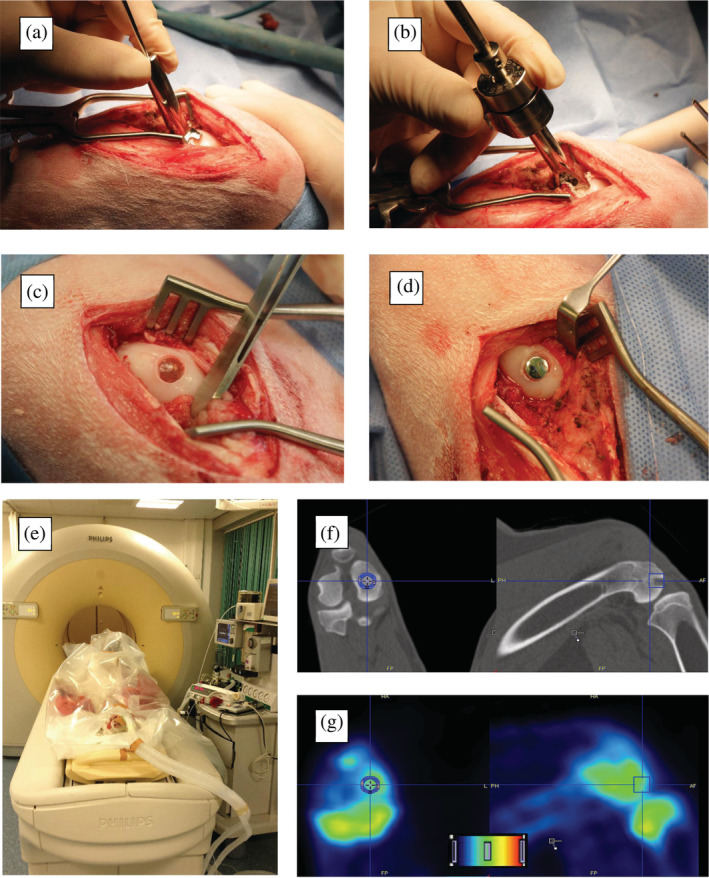
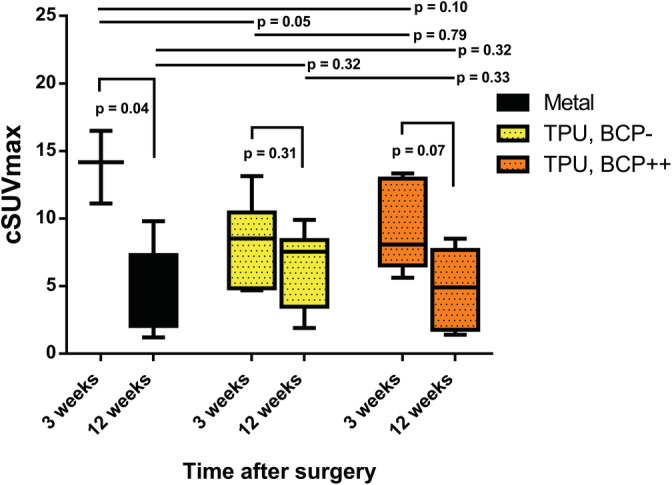
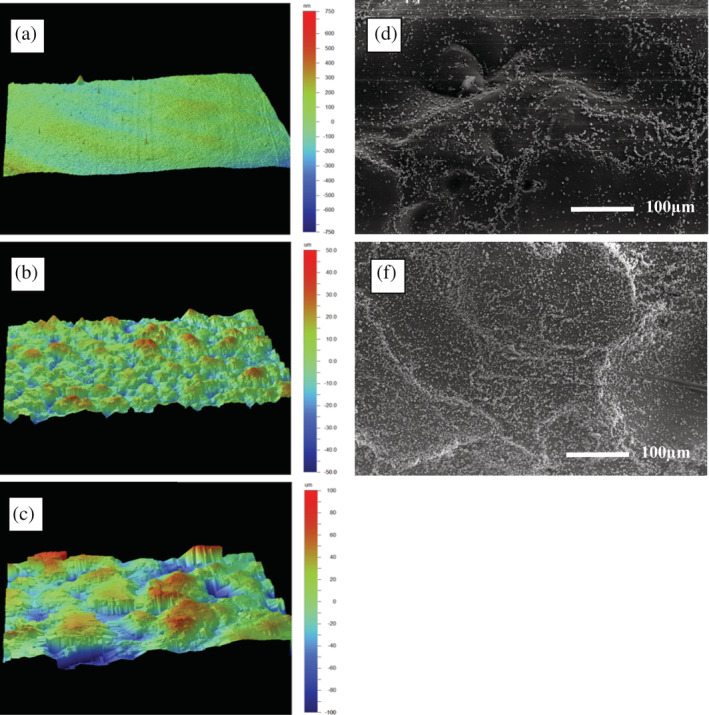
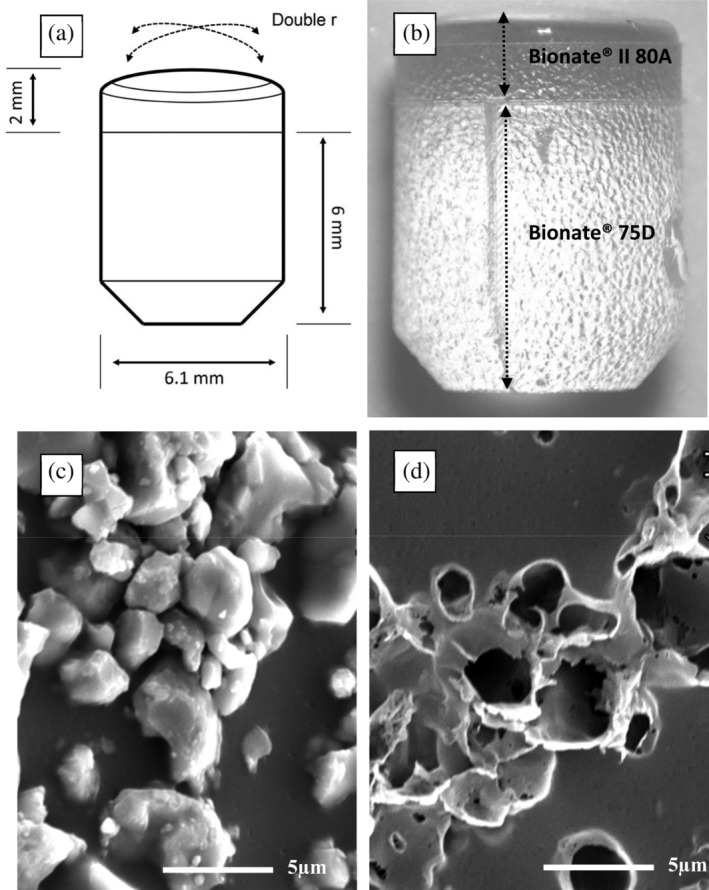
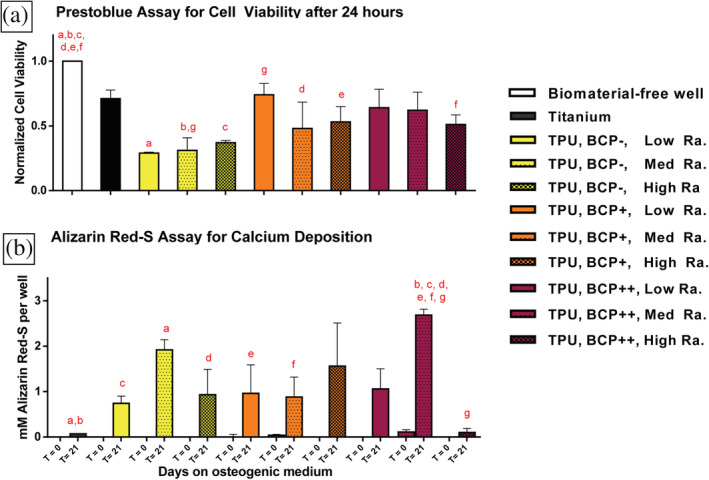
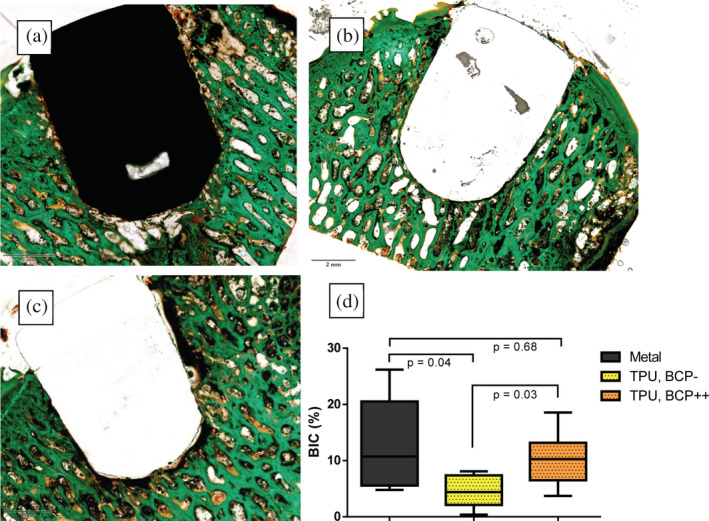
Focal knee resurfacing implants (FKRIs) are intended to treat cartilage defects in middle-aged patients. Most FKRIs are metal-based, which hampers follow-up of the joint using magnetic resonance imaging and potentially leads to damage of the opposing cartilage. The purpose of this study was to develop a nondegradable thermoplastic polyurethane (TPU) FKRI and investigate its osseointegration. Different surface roughness modifications and biphasic calcium phosphate (BCP) coating densities were first tested in vitro on TPU discs. The in vivo osseointegration of BCP-coated TPU implants was subsequently compared to uncoated TPU implants and the titanium bottom layer of metal control implants in a caprine model. Implants were implanted bilaterally in stifle joints and animals were followed for 12 weeks, after which the bone-to-implant contact area (BIC) was assessed. Additionally, 18F-sodium-fluoride (18F-NaF) positron emission tomography PET/CT-scans were obtained at 3 and 12 weeks to visualize the bone metabolism over time. The BIC was significantly higher for the BCP-coated TPU implants compared to the uncoated TPU implants (p = .03), and did not significantly differ from titanium (p = .68). Similar 18F-NaF tracer uptake patterns were observed between 3 and 12 weeks for the BCP-coated TPU and titanium implants, but not for the uncoated implants. TPU FKRIs with surface modifications could provide the answer to the drawbacks of metal FKRIs.
焦点膝关节表面置换植入物(FKRIs)旨在治疗中年患者的软骨缺陷。大多数 FKRIs 是基于金属的,这阻碍了使用磁共振成像对关节进行随访,并可能导致对向软骨受损。本研究的目的是开发一种不可降解的热塑性聚氨酯(TPU)FKRI 并研究其骨整合。首先在 TPU 圆盘上对不同表面粗糙度改性和双相磷酸钙(BCP)涂层密度进行了体外测试。随后,将 BCP 涂层 TPU 植入物的体内骨整合与未涂层 TPU 植入物和金属对照植入物的钛底层在山羊模型中进行了比较。将植入物双侧植入膝关节,并在 12 周后对动物进行随访,评估骨与植入物的接触面积(BIC)。此外,在 3 和 12 周时获得 18F- 钠-氟化物(18F-NaF)正电子发射断层扫描 PET/CT 扫描,以随时间观察骨代谢。与未涂层 TPU 植入物相比,BCP 涂层 TPU 植入物的 BIC 明显更高(p =.03),与钛(p =.68)无显著差异。在 3 和 12 周时,BCP 涂层 TPU 和钛植入物之间观察到相似的 18F-NaF 示踪剂摄取模式,但未涂层植入物则没有。具有表面改性的 TPU FKRIs 可能为金属 FKRIs 的缺点提供答案。