Department of Internal Medicine, Gachon University Gil Medical Center, Gachon University College of Medicine, Incheon, Korea.
Endocrinol Metab (Seoul). 2020 Jun;35(2):243-259. doi: 10.3803/EnM.2020.35.2.243. Epub 2020 Jun 24.
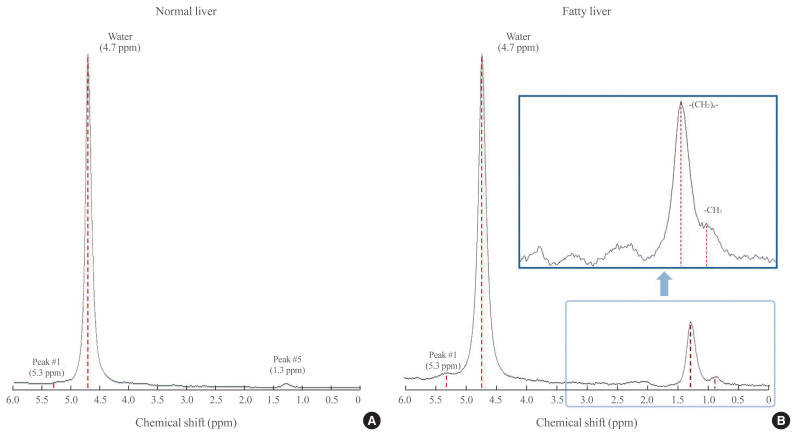
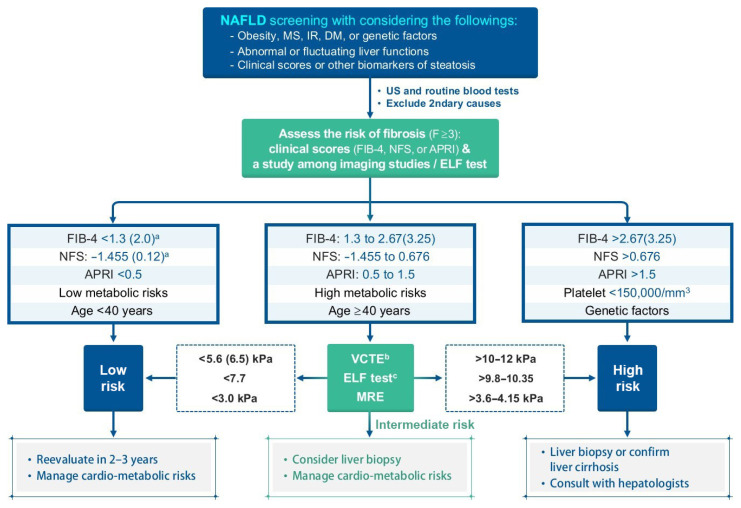
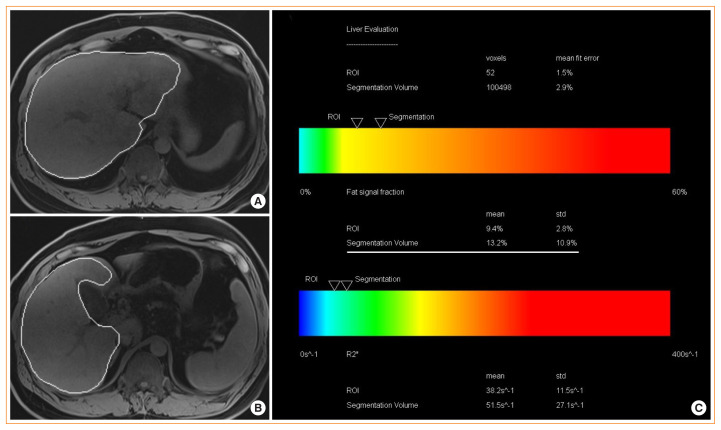
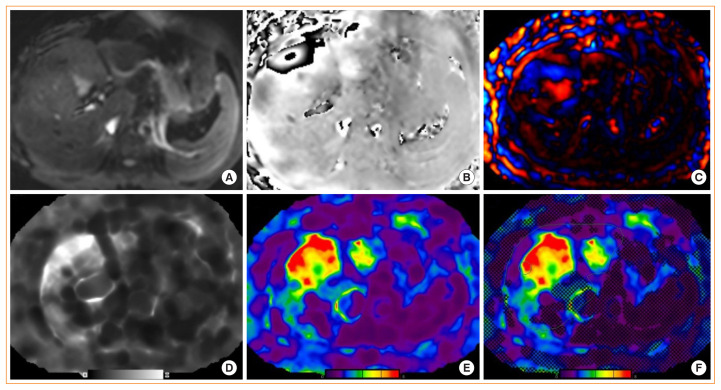
Nonalcoholic fatty liver disease (NAFLD) is the most prevalent liver diseases and can progress to advanced fibrosis and end-stage liver disease. Thus, intensive research has been performed to develop noninvasive methods for the diagnosis of nonalcoholic steatohepatitis (NASH) and fibrosis. Currently, no single noninvasive tool covers all of the stages of pathologies and conditions of NAFLD, and the cost and feasibility of known techniques are also important issues. Blood biomarkers for NAFLD may be useful to select subjects who need ultrasonography (US) screening for NAFLD, and noninvasive tools for assessing fibrosis may be helpful to exclude the probability of significant fibrosis and to predict advanced fibrosis, thus guiding the decision of whether to perform liver biopsy in patients with NAFLD. Among various methods, magnetic resonance-based methods have been shown to perform better than other methods in assessing steatosis as well as in detecting hepatic fibrosis. Many genetic markers are associated with the development and progression of NAFLD. Further well-designed studies are needed to determine which biomarker panels, imaging studies, genetic marker panels, or combinations thereof perform well for diagnosing NAFLD, differentiating NASH and fibrosis, and following-up NAFLD, respectively.
非酒精性脂肪性肝病(NAFLD)是最常见的肝脏疾病,可进展为晚期纤维化和终末期肝病。因此,人们进行了大量研究以开发用于诊断非酒精性脂肪性肝炎(NASH)和纤维化的非侵入性方法。目前,没有单一的非侵入性工具可以涵盖 NAFLD 的所有病理和状况阶段,并且已知技术的成本和可行性也是重要问题。NAFLD 的血液生物标志物可用于选择需要超声(US)筛查 NAFLD 的受试者,而纤维化的非侵入性评估工具可能有助于排除显著纤维化的概率,并预测晚期纤维化,从而指导是否对患有 NAFLD 的患者进行肝活检的决策。在各种方法中,基于磁共振的方法在评估脂肪变性以及检测肝纤维化方面表现优于其他方法。许多遗传标志物与 NAFLD 的发生和进展有关。需要进一步进行精心设计的研究,以确定哪些生物标志物组合、影像学研究、遗传标志物组合或其组合在诊断 NAFLD、区分 NASH 和纤维化以及随访 NAFLD 方面表现良好。