Zou Ruoyao, Zheng Mingjun, Tan Mingzi, Xu Haoya, Luan Nannan, Zhu Liancheng
Department of Obstetrics and Gynecology, Shengjing Hospital of China Medical University, Shenyang, Liaoning 110004, People's Republic of China.
Key Laboratory of Maternal-Fetal Medicine of Liaoning Province, Key Laboratory of Obstetrics and Gynecology of Higher Education of Liaoning Province, Shenyang, Liaoning, People's Republic of China.
Cancer Manag Res. 2020 Jun 26;12:5057-5075. doi: 10.2147/CMAR.S255753. eCollection 2020.
To identify key pathogenic genes and reveal the potential molecular mechanisms of endometrial cancer (EC) using bioinformatics analysis and immunohistochemistry validation.
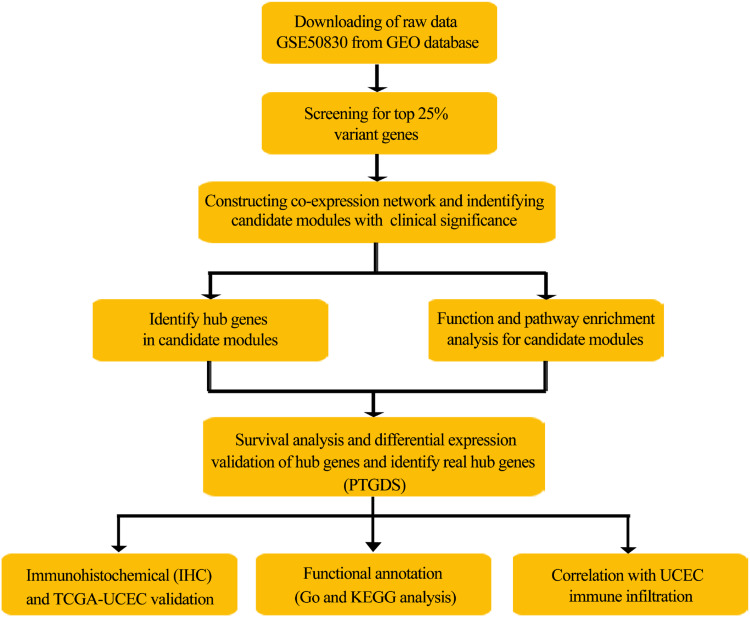
Through weighted gene co-expression network analysis (WGCNA), a co-expression network was constructed based on the top 25% variant genes in the GSE50830 dataset downloaded from gene expression omnibus (GEO). GO and KEGG pathway enrichment analyses were performed using the DAVID online tool. Candidate genes were selected using the plug-in of Cytoscape, mRNA expression levels and prognostic values in EC were analyzed by Oncomine, GEPIA, and Kaplan-Meier Plotter database to determine hub genes. One hub gene was validated by immunohistochemical (IHC) staining of 116 paraffin-embedded endometrial tissues and TCGA-UCEC cohort. Genes co-expressed with this hub gene were identified by LinkedOmics. Finally, its correlation with immune infiltration was evaluated by TIMER.
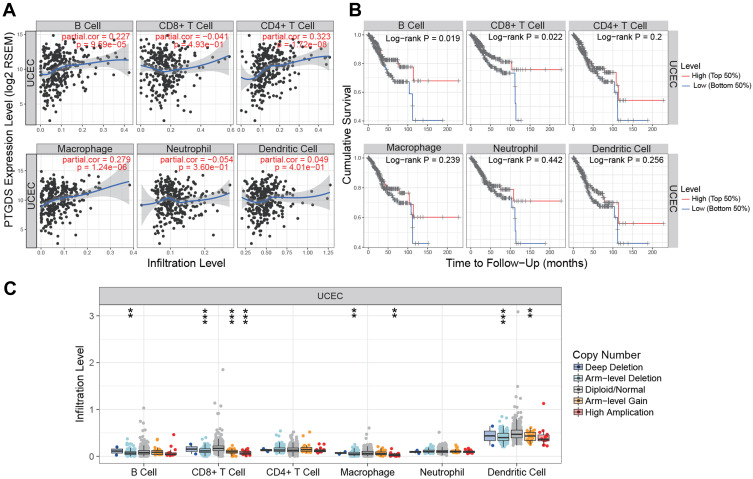
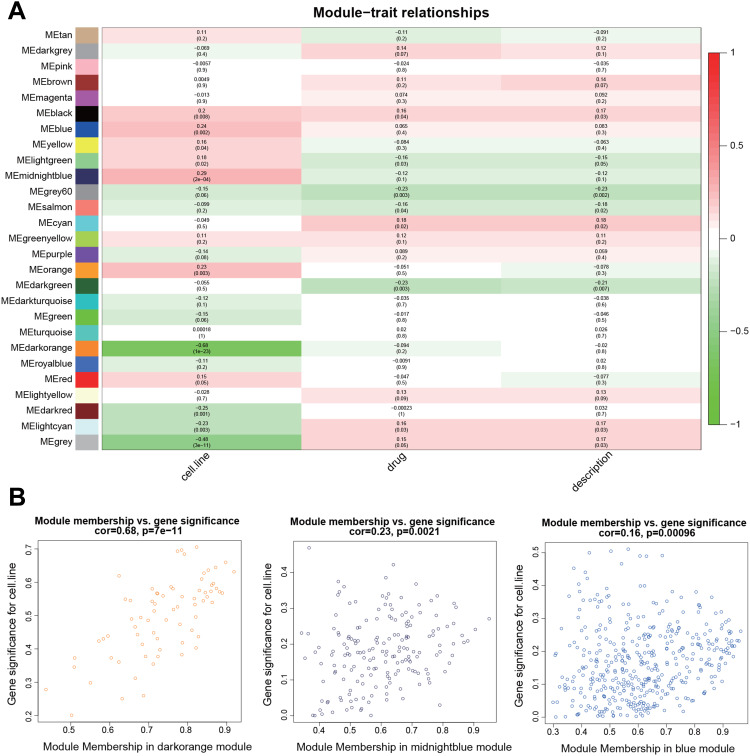
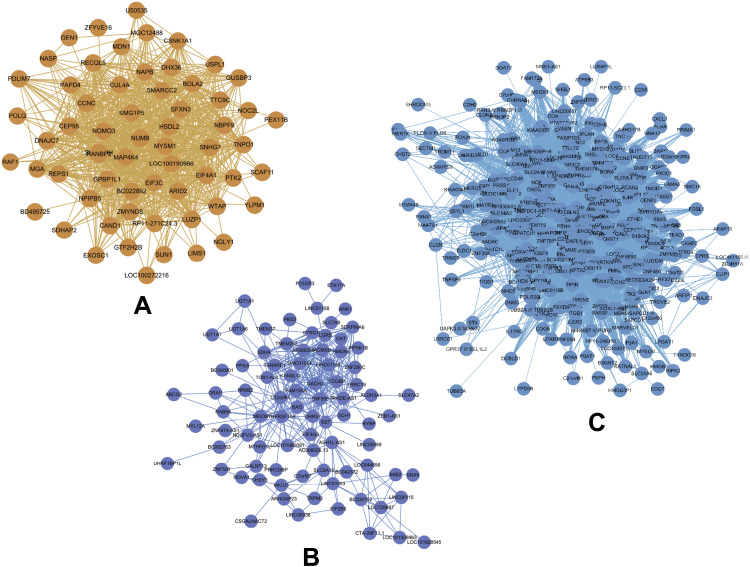
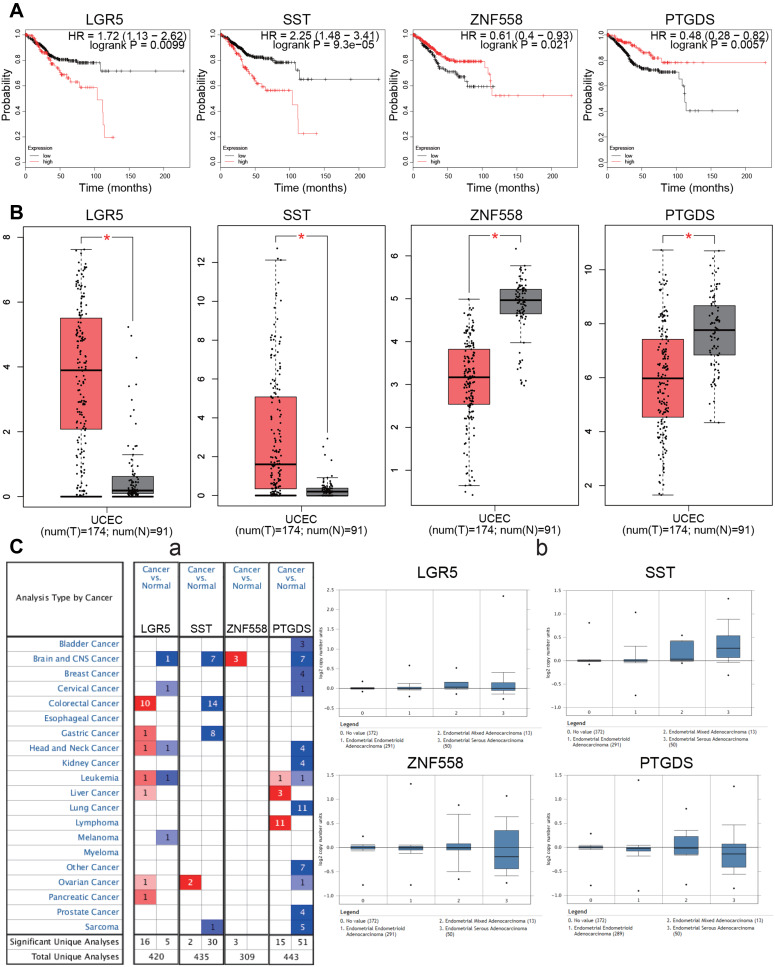
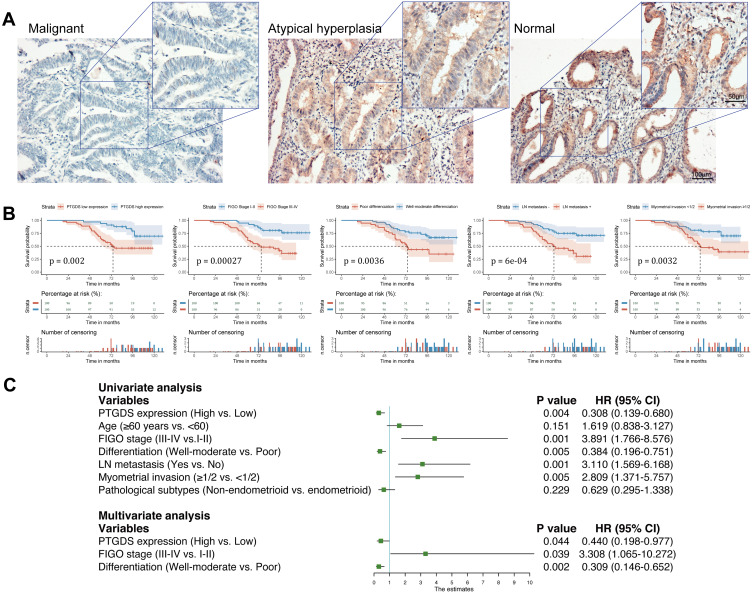
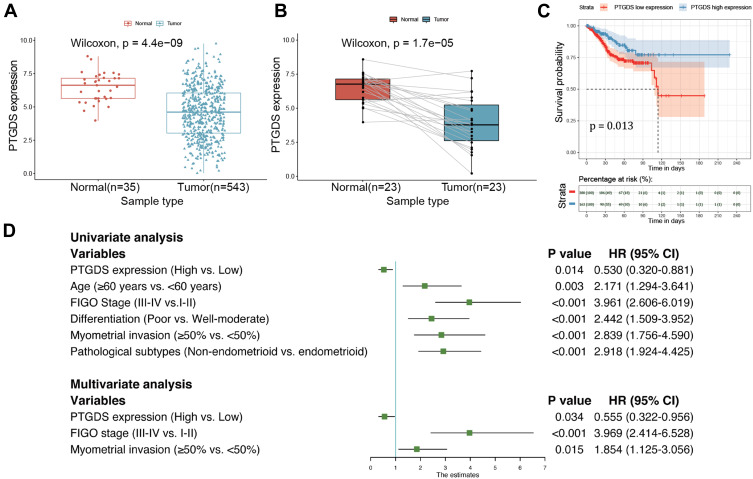
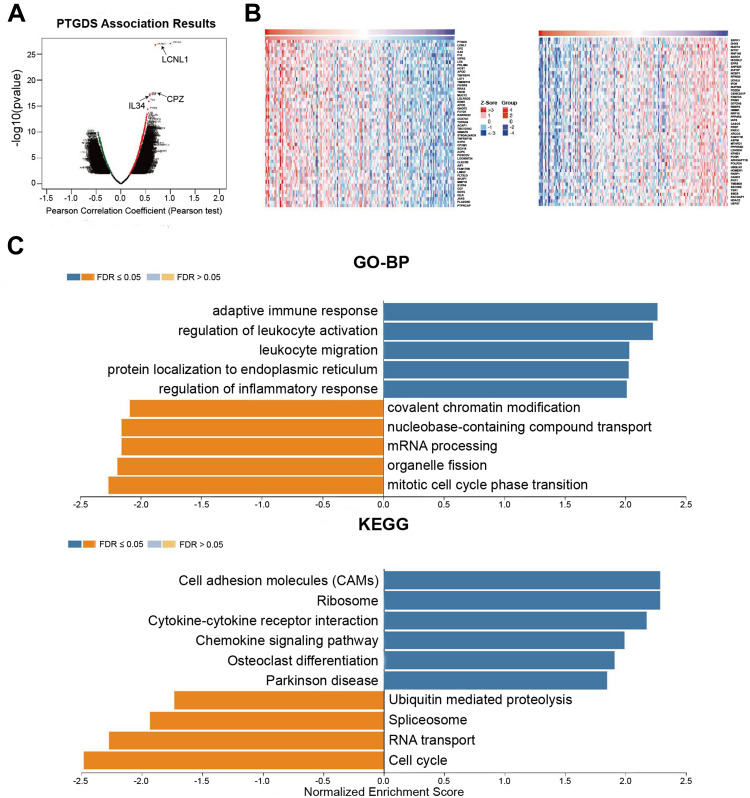
Three co-expression modules and five candidate genes in each module were obtained by WGCNA; four hub genes were identified (LGR5, SST, ZNF558, and PTGDS). The mRNA levels of LGR5 and SST were significantly upregulated in EC, whereas those of ZNF558 and PTGDS were significantly downregulated; the expression of all four genes was associated with EC prognosis. Further validation demonstrated that PTGDS was significantly downregulated in the EC group compared with the atypical hyperplasia and normal endometrial groups, and its low expression was an independent risk factor for worse prognosis of EC. Biological function analysis indicated that PTGDS might be involved in the adaptive immune response, leukocyte migration, as well as in the regulation of cell adhesion molecules and chemokine signaling. Additionally, PTGDS expression was positively correlated with immune infiltration status of B cells, CD4 T cells and macrophages.
LGR5, SST, ZNF558, and PTGDS may participate in the development, progression, and prognosis of EC, in which PTGDS may be a novel biomarker and therapeutic target for EC.
运用生物信息学分析和免疫组织化学验证,鉴定子宫内膜癌(EC)的关键致病基因并揭示其潜在分子机制。
通过加权基因共表达网络分析(WGCNA),基于从基因表达综合数据库(GEO)下载的GSE50830数据集中前25%的变异基因构建共表达网络。使用DAVID在线工具进行基因本体论(GO)和京都基因与基因组百科全书(KEGG)通路富集分析。利用Cytoscape插件选择候选基因,通过Oncomine、GEPIA和Kaplan-Meier Plotter数据库分析EC中的mRNA表达水平和预后价值以确定核心基因。通过对116例石蜡包埋的子宫内膜组织和TCGA-UCEC队列进行免疫组织化学(IHC)染色验证一个核心基因。通过LinkedOmics鉴定与该核心基因共表达的基因。最后,通过TIMER评估其与免疫浸润的相关性。
通过WGCNA获得了三个共表达模块,每个模块中有五个候选基因;鉴定出四个核心基因(LGR5、SST、ZNF558和PTGDS)。LGR5和SST的mRNA水平在EC中显著上调,而ZNF558和PTGDS的mRNA水平显著下调;这四个基因的表达均与EC预后相关。进一步验证表明,与非典型增生和正常子宫内膜组相比,PTGDS在EC组中显著下调,其低表达是EC预后较差的独立危险因素。生物学功能分析表明,PTGDS可能参与适应性免疫反应、白细胞迁移以及细胞黏附分子和趋化因子信号的调节。此外,PTGDS表达与B细胞、CD4 T细胞和巨噬细胞的免疫浸润状态呈正相关。
LGR5、SST、ZNF558和PTGDS可能参与EC的发生、发展和预后,其中PTGDS可能是EC的一种新型生物标志物和治疗靶点。