School of Pharmacy, Nanjing University of Chinese Medicine, 138 xianlin Road, Nanjing, 210023, Jiangsu, China.
Jiangsu Collaborative Innovation Center of Chinese Medicinal Resources Industrialization, Nanjing, 210023, China.
BMC Plant Biol. 2020 Jul 3;20(1):311. doi: 10.1186/s12870-020-02504-2.
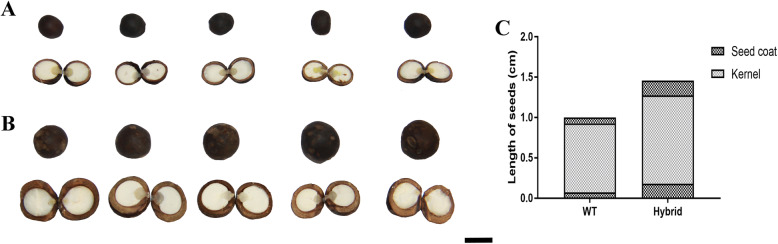
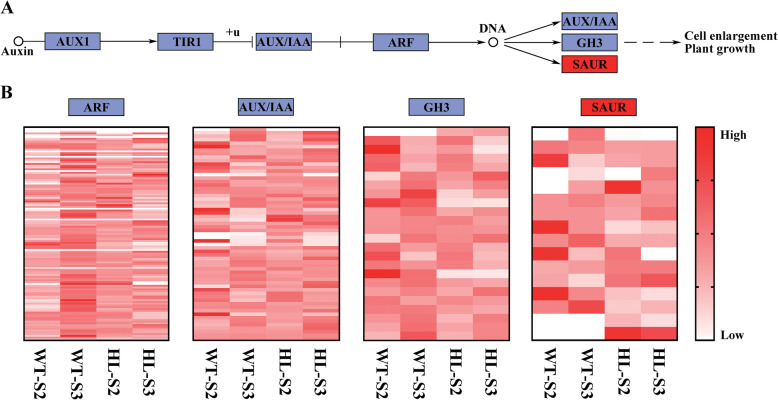
Aquatic Euryale ferox Salisb. is an economically important crop in China and India. Unfortunately, low yield limitations seriously hinder market growth. Unveiling the control of seed size is of remarkable importance in improvement of crops. Here, we generated a new hybrid line (HL) with larger seeds by crossing South Gordon Euryale and North Gordon Euryale (WT) which hasn't been reported before. However, the functional genes and molecular mechanisms controlling the seed size in Euryale ferox Salisb. remain unclear. In this study, we focused on the differentially expressed genes in the auxin signal transduction pathway during fruit development between HL and WT to explore candidate regulatory genes participated in regulating seed size.
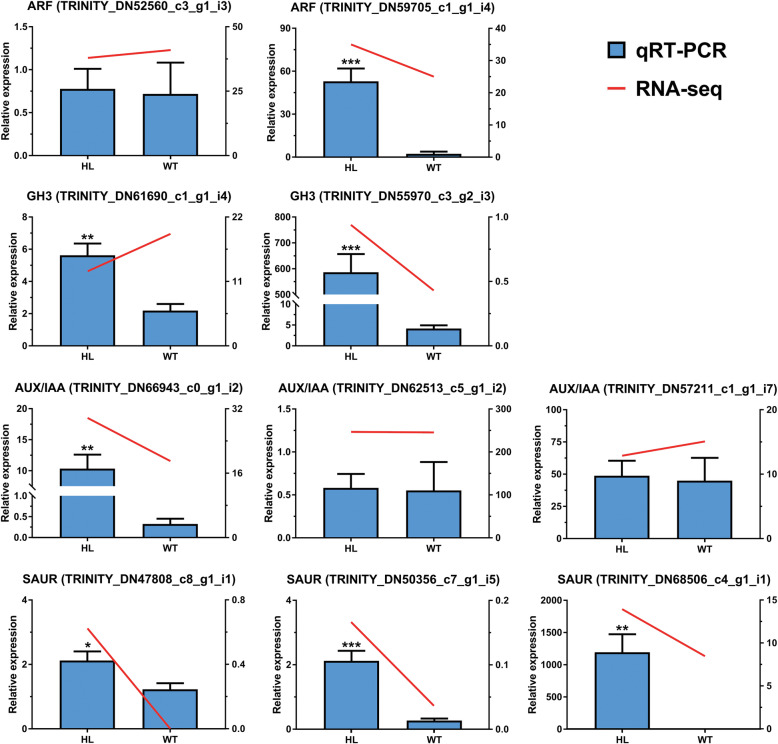
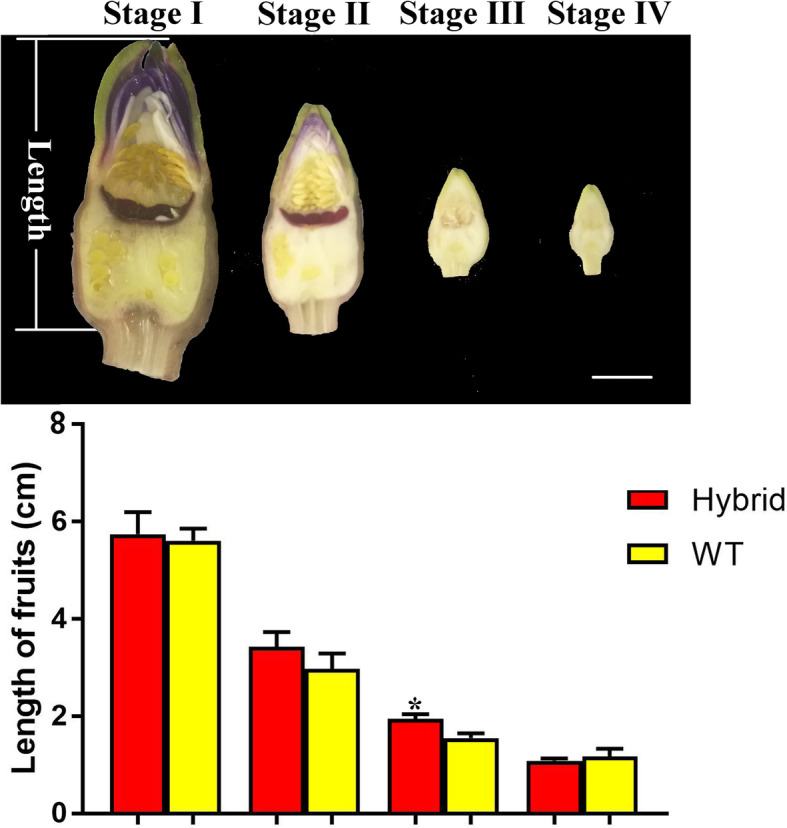
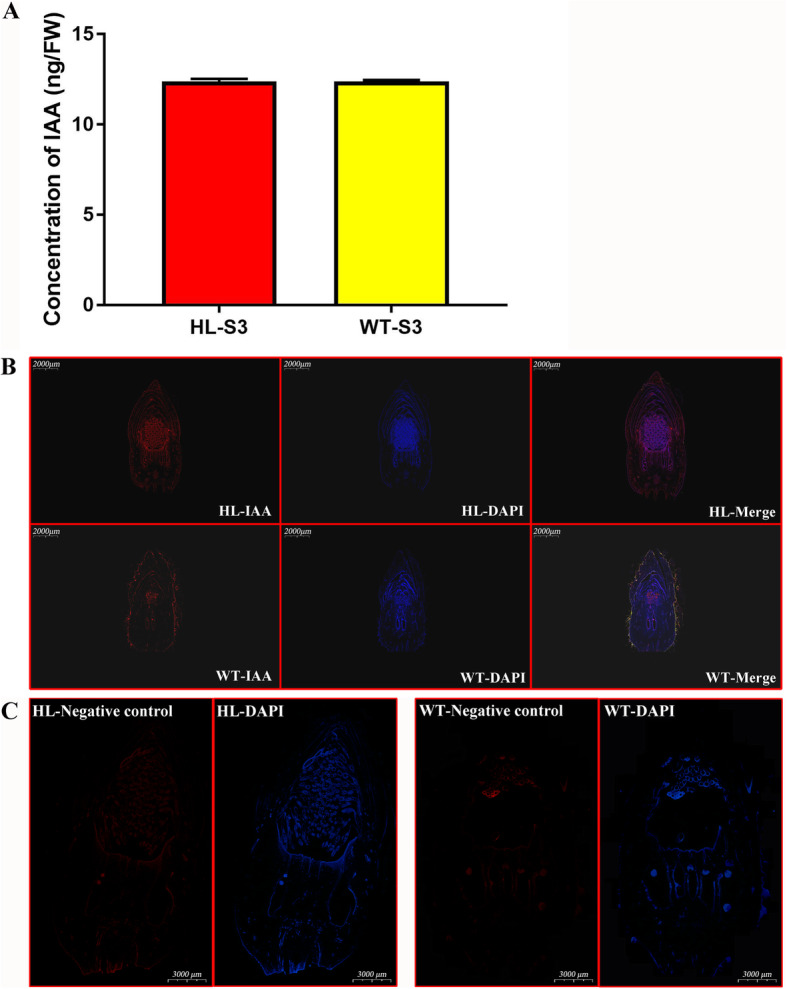
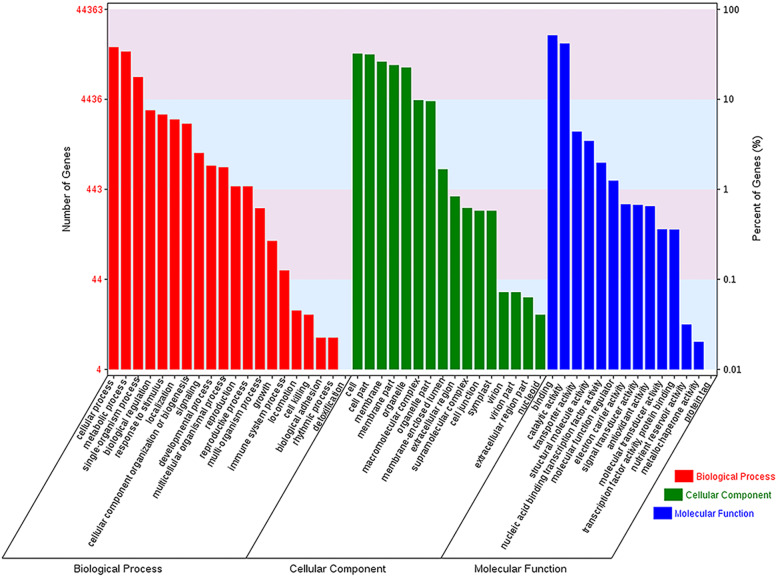
Both concentration and localization of indole-3-acetic acid (IAA) at two growth stages of fruits of WT and HL were detected by LC-MS and immunofluorescence. Although IAA content between the two lines did not differ, IAA distribution was significantly different. To elucidate the mechanism and to seek the key genes underlying this difference, RNA-seq was performed on young fruits at the two selected growth stages, and differentially expressed genes related to the auxin transduction pathway were selected for further analysis.
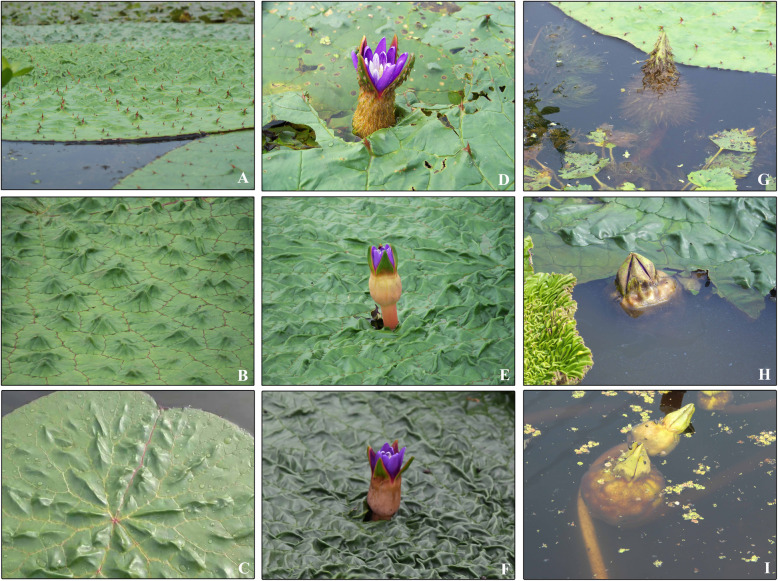
Hybrid Euryale ferox Salisb. expressed significant heterosis, resulting in non-prickly, thin-coated, large seeds, which accounted for the significantly larger yield of HL than that of WT. Our study indicated that Small Auxin Up RNAs (SAURs) -mediated localization of IAA regulates seed size in Euryale ferox Salisb. We found that some SAURs may act as a positive mediator of the auxin transduction pathway, thereby contributing to the observed heterosis.
中国和印度的芡实属水生植物芡是一种经济上重要的作物。不幸的是,低产量限制严重阻碍了市场的增长。揭示种子大小的控制在作物改良中具有重要意义。在这里,我们通过杂交南戈登芡和北戈登芡(WT)产生了一个新的杂种系(HL),其种子较大,这在此前尚未报道过。然而,芡属种子大小的功能基因和分子机制尚不清楚。在这项研究中,我们专注于 HL 和 WT 果实发育过程中生长素信号转导途径中的差异表达基因,以探索参与调节种子大小的候选调控基因。
通过 LC-MS 和免疫荧光检测 WT 和 HL 果实两个生长阶段的吲哚-3-乙酸(IAA)浓度和定位。尽管两条线之间的 IAA 含量没有差异,但 IAA 的分布有显著差异。为了解释这种差异的机制并寻找关键基因,我们对两个选定生长阶段的幼果进行了 RNA-seq 分析,并选择了与生长素转导途径相关的差异表达基因进行进一步分析。
芡杂种表现出显著的杂种优势,导致无刺、薄壳、大种子,这使得 HL 的产量明显高于 WT。我们的研究表明,小生长素上 RNA(SAURs)介导的 IAA 定位调节芡属种子大小。我们发现一些 SAURs 可能作为生长素转导途径的正调节剂,从而导致观察到的杂种优势。