Liang Jiayuan, Yu Kefu, Wang Yinghui, Huang Xueyong, Huang Wen, Qin Zhenjun, Wang Guanghua, Su Hongfei, Chen Biao, Wu Zhengchao
Coral Reef Research Center of China, Guangxi University, Nanning, China.
Guangxi Laboratory on the Study of Coral Reefs in the South China Sea, Nanning, China.
Front Physiol. 2020 Jun 17;11:615. doi: 10.3389/fphys.2020.00615. eCollection 2020.
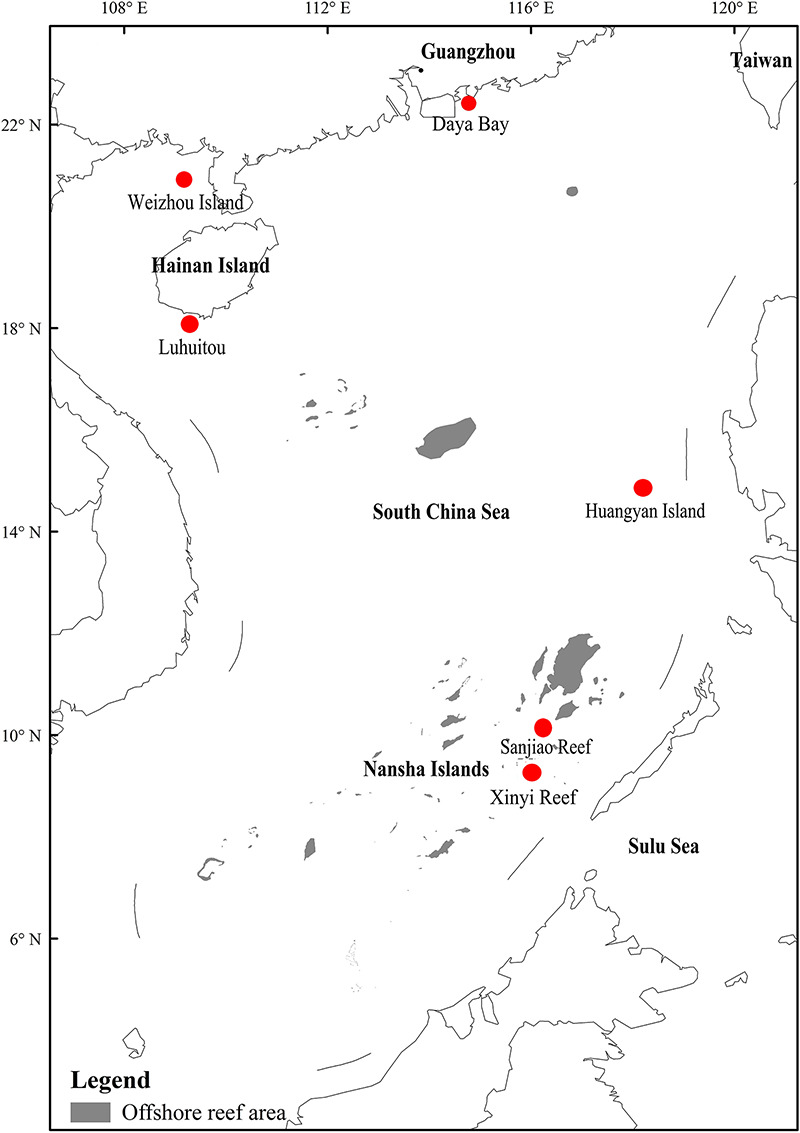
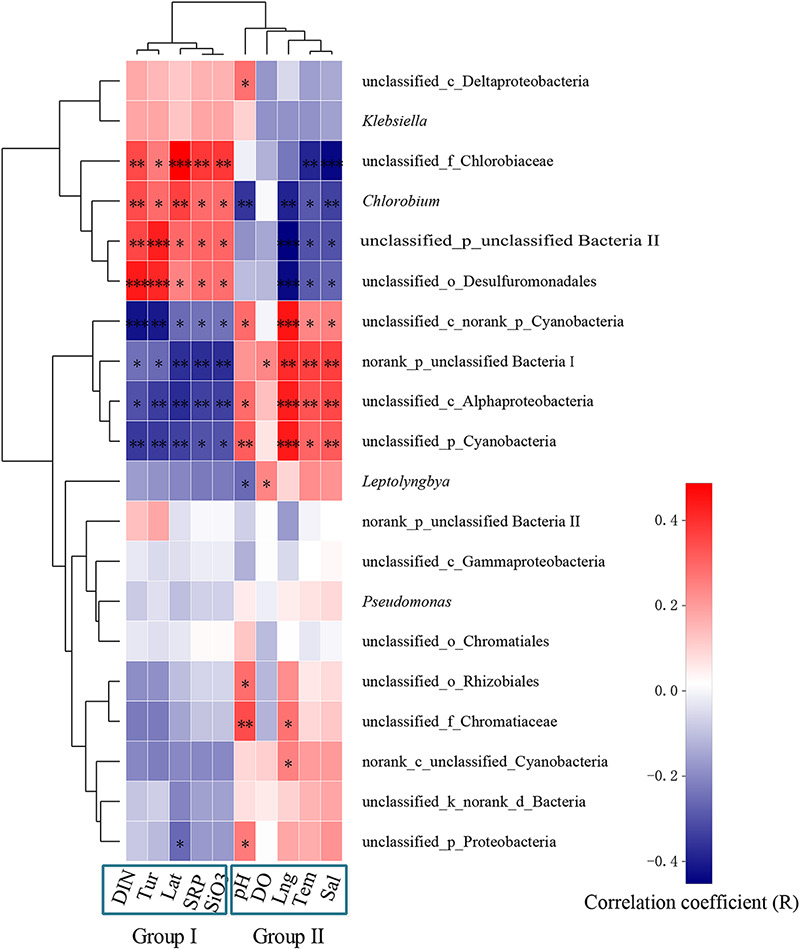
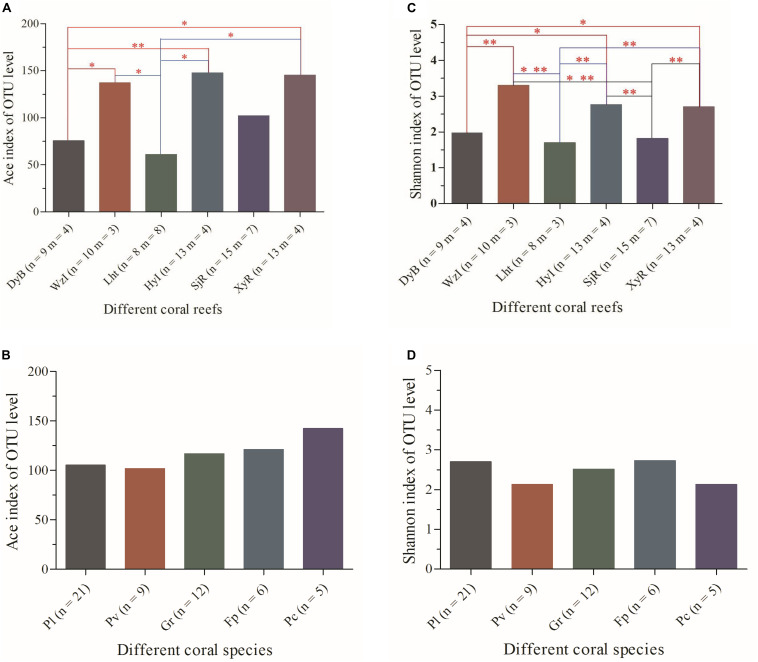
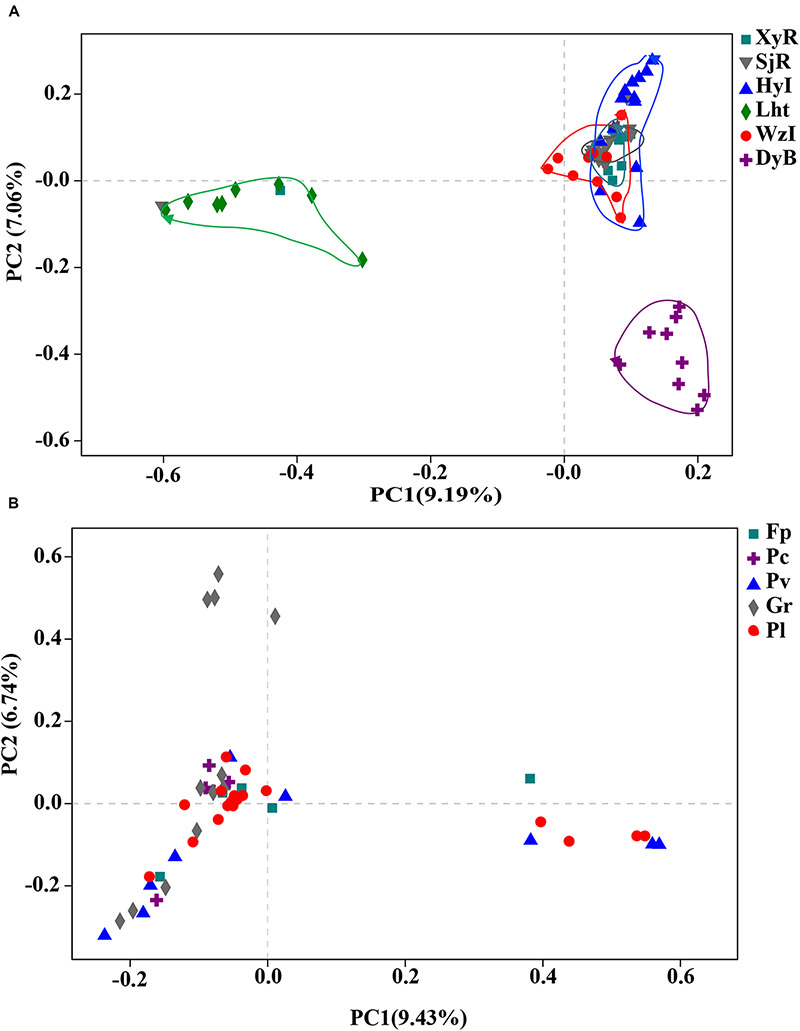
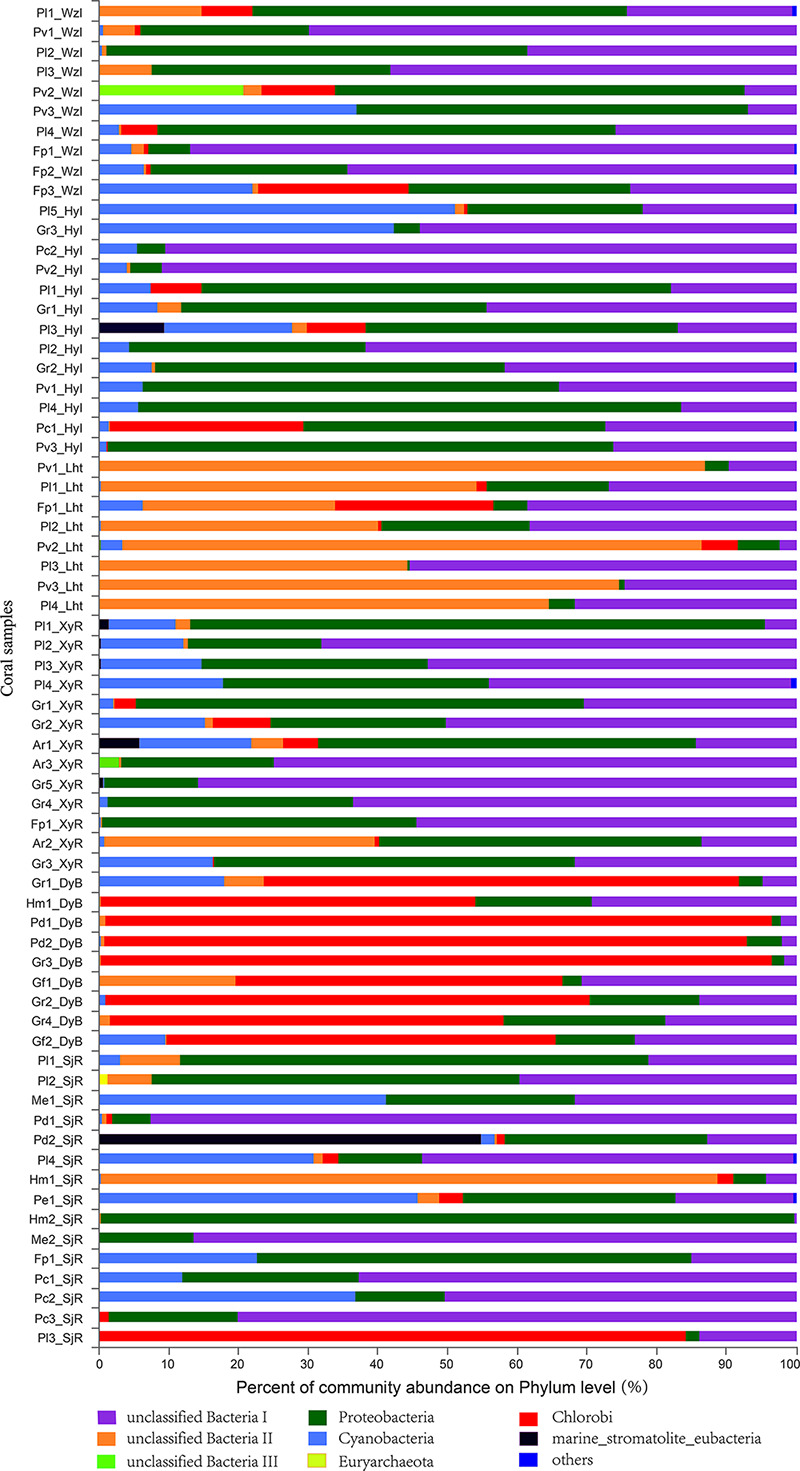
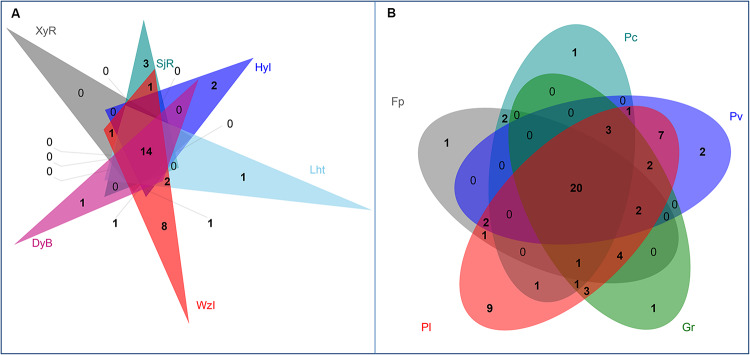
Coral reef ecosystems cannot operate normally without an effective nitrogen cycle. For oligotrophic coral reef areas, coral-associated diazotrophs are indispensable participants in the nitrogen cycle. However, the distribution of these diazotrophs and the correlation with the physical and chemical variables of the surrounding seawater remain unclear. To this end, 68 scleractinian coral colonies were sampled from 6 coral reef areas with different environmental variables in the South China Sea to investigate the composition of associated diazotrophs based on gene amplification using high-throughput sequencing. The six coral reefs can be clearly divided into two types (fringing reefs and island reefs), are affected by varying degrees of human activities and are located at different latitudes from 9°20'06"N to 22°34'55"N with different seawater temperatures. Alpha- and beta-diversity analyses showed that the distribution of diazotrophs among coral reefs exhibited significant geographical fluctuations ( ≤ 0.05) and non-significant interspecific fluctuations ( > 0.05). The predominant bacterial phyla included Proteobacteria, Chlorobi, Cyanobacteria, and two unclassified phyla. Chlorobi exhibited a relative abundance of 47-96% in coral samples from the high-latitude Daya Bay fringing reef affected by eutrophication. Unclassified bacteria II, with a relative abundance of 28-87%, was found in all coral samples from the midlatitude Luhuitou fringing reef affected by eutrophication. However, unclassified bacteria I and Proteobacteria dominated (>80% relative abundance) in most of the coral samples from the Weizhou Island fringing reef, which is far from land, and three island reefs (Huangyan Island, Xinyi Reef, and Sanjiao Reef) at relatively low latitudes. At the genus level, some core diazotrophs were found in different coral sample groups. In addition, correlation analysis with various environmental variables revealed that the variables were positively or negatively correlated with different diazotrophic genera. Coral-associated diazotrophs were common among coral individuals. However, their composition was closely related to the different environmental variables. These results provide insights into the geographical distribution characteristics of coral-associated diazotrophs and their evolutionary trends in response to environmental change in the South China Sea.
珊瑚礁生态系统如果没有有效的氮循环就无法正常运转。对于贫营养的珊瑚礁区域,与珊瑚相关的固氮微生物是氮循环中不可或缺的参与者。然而,这些固氮微生物的分布以及与周围海水理化变量的相关性仍不清楚。为此,从南海6个具有不同环境变量的珊瑚礁区域采集了68个石珊瑚群落样本,基于高通量测序的基因扩增来研究相关固氮微生物的组成。这六个珊瑚礁可明显分为两种类型(岸礁和岛礁),受到不同程度的人类活动影响,位于北纬9°20′06″至22°34′55″的不同纬度,海水温度也不同。α-多样性和β-多样性分析表明,固氮微生物在珊瑚礁之间的分布呈现出显著的地理波动(≤0.05)和不显著的种间波动(>0.05)。主要的细菌门类包括变形菌门、绿菌门、蓝细菌门以及两个未分类的门类。在受富营养化影响的高纬度大亚湾岸礁的珊瑚样本中,绿菌门的相对丰度为47% - 96%。在受富营养化影响的中纬度鹿回头岸礁的所有珊瑚样本中,发现未分类细菌II的相对丰度为28% - 87%。然而,在远离陆地的涠洲岛岸礁以及三个低纬度岛礁(黄岩岛、信义礁和三角礁)的大多数珊瑚样本中,未分类细菌I和变形菌门占主导地位(相对丰度>80%)。在属水平上,在不同的珊瑚样本组中发现了一些核心固氮微生物。此外,与各种环境变量的相关性分析表明,这些变量与不同的固氮微生物属呈正相关或负相关。与珊瑚相关的固氮微生物在珊瑚个体中很常见。然而,它们的组成与不同的环境变量密切相关。这些结果为南海与珊瑚相关的固氮微生物的地理分布特征及其对环境变化的进化趋势提供了见解。