Bragard Claude, Dehnen-Schmutz Katharina, Di Serio Francesco, Gonthier Paolo, Jacques Marie-Agnès, Jaques Miret Josep Anton, Justesen Annemarie Fejer, MacLeod Alan, Magnusson Christer Sven, Navas-Cortes Juan A, Parnell Stephen, Potting Roel, Reignault Philippe Lucien, Thulke Hans-Hermann, Van der Werf Wopke, Civera Antonio Vicent, Yuen Jonathan, Zappalà Lucia, Grégoire Jean-Claude, Kertész Virág, Streissl Franz, Milonas Panagiotis
EFSA J. 2020 Jan 10;18(1):e05934. doi: 10.2903/j.efsa.2020.5934. eCollection 2020 Jan.
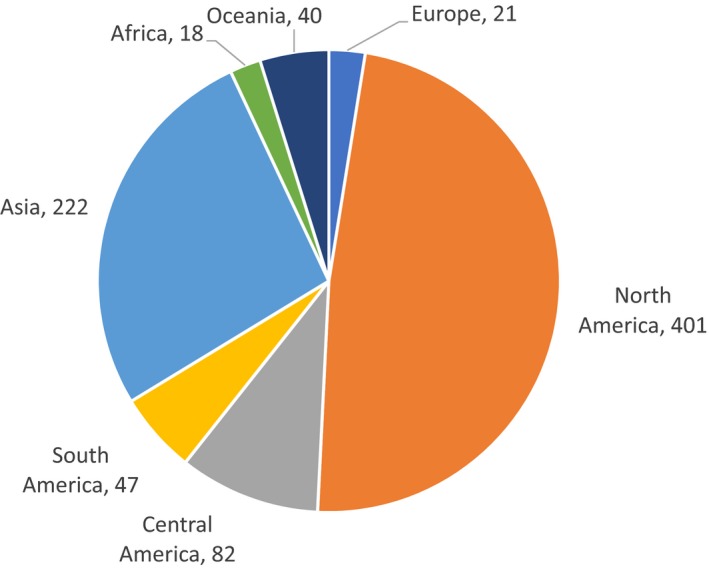
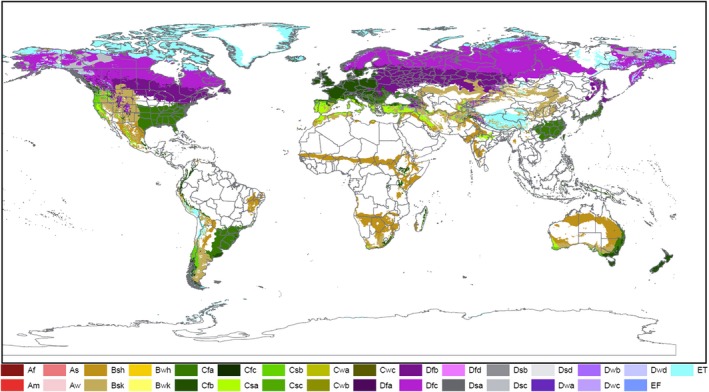
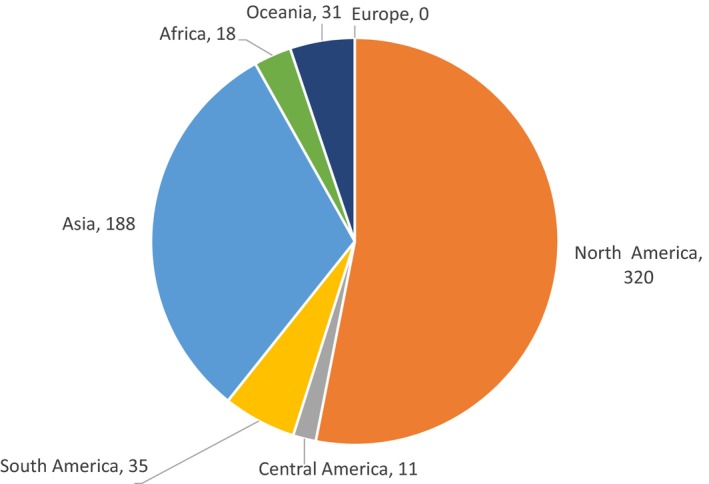
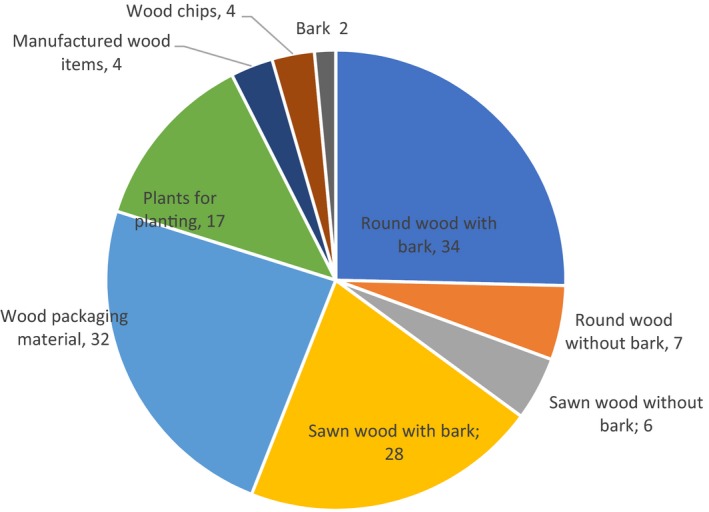
The Panel on Plant Health performed a pest categorisation of non-EU Scolytinae (Coleoptera: Curculionidae) of coniferous hosts (hereafter NESC). NESC occur worldwide, and some species are important forest pests. Species can be identified using taxonomic keys and molecular methods. Most NESC species (bark beetles) live in the inner bark of their hosts (phloem and cambium), while the remaining species mostly colonise the sapwood (ambrosia beetles). Bark- and ambrosia beetles are often associated with symbiotic fungi, which behave as pathogens towards the host trees, or are used as food by ambrosia beetle larvae. The larvae live in individual tunnels or in communal chambers. Pupation occurs in the wood or in the bark. Some species are semi- or multivoltine, others are monovoltine. Some species attack and kill living, apparently healthy trees. Other species specialise in weakened, dying or dead trees. The pathways for entry are cut branches, cones, round wood with or without bark, sawn wood with or without bark, wood packaging material, bark, manufactured wood items and wood chips and plants for planting (including seeds) of conifers. Availability of host plants and suitable climate would allow the establishment in the EU of NESC. Measures are in place to prevent their introduction through the pathways described above. NESC satisfy all the criteria to be considered as Union quarantine pests. As NESC are not present in the EU and plants for planting are not their major pathway for spread, they do not meet the criteria to be considered as regulated non-quarantine pests.
植物健康小组对非欧盟针叶树寄主的小蠹亚科(鞘翅目:象甲科)(以下简称NESC)进行了有害生物分类。NESC在全球范围内都有分布,一些物种是重要的森林害虫。可以使用分类检索表和分子方法来识别物种。大多数NESC物种(树皮甲虫)生活在它们寄主的内皮(韧皮部和形成层)中,而其余物种大多在边材中定殖(食菌小蠹)。树皮甲虫和食菌小蠹通常与共生真菌有关,这些真菌对寄主树来说是病原体,或者被食菌小蠹幼虫用作食物。幼虫生活在单独的隧道或公共洞穴中。化蛹发生在木材中或树皮中。一些物种是半化性或多化性的,其他物种是一化性的。一些物种攻击并杀死活着的、看似健康的树木。其他物种则专门针对衰弱、垂死或死亡的树木。进入途径包括修剪的树枝、球果、带或不带树皮的圆木、带或不带树皮的锯材、木质包装材料、树皮、人造木制品、木片以及针叶树的种植植物(包括种子)。寄主植物的可获得性和适宜的气候将使NESC能够在欧盟定殖。已采取措施防止它们通过上述途径传入。NESC符合被视为欧盟检疫性有害生物的所有标准。由于NESC在欧盟不存在,且种植植物不是其主要传播途径,因此它们不符合被视为限定的非检疫性有害生物的标准。