Pellison Felipe Carvalho, Rijo Rui Pedro Charters Lopes, Lima Vinicius Costa, Crepaldi Nathalia Yukie, Bernardi Filipe Andrade, Galliez Rafael Mello, Kritski Afrânio, Abhishek Kumar, Alves Domingos
Bioengineering Postgraduate Program of the São Carlos School of Engineering, University of São Paulo, São Carlos, Brazil.
Polytechnic Institute of Leiria, Leiria, Portugal.
JMIR Med Inform. 2020 Jul 6;8(7):e17176. doi: 10.2196/17176.
Interoperability of health information systems is a challenge due to the heterogeneity of existing systems at both the technological and semantic levels of their data. The lack of existing data about interoperability disrupts intra-unit and inter-unit medical operations as well as creates challenges in conducting studies on existing data. The goal is to exchange data while providing the same meaning for data from different sources.
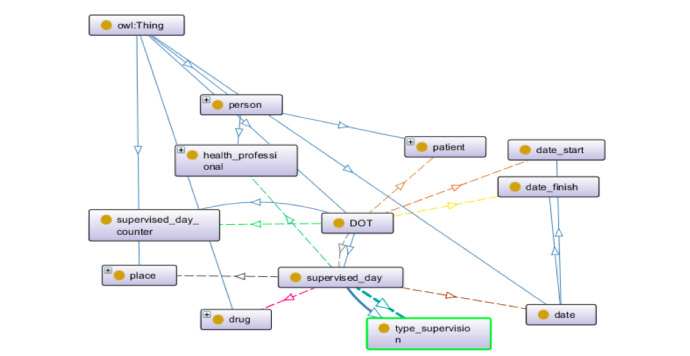
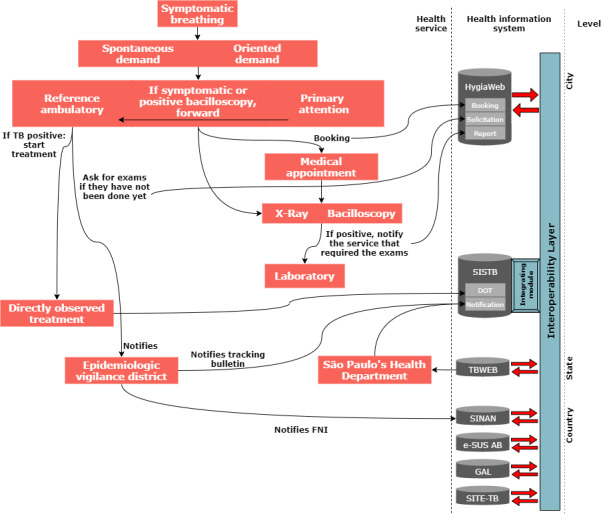
To find ways to solve this challenge, this research paper proposes an interoperability solution for the tuberculosis treatment and follow-up scenario in Brazil using Semantic Web technology supported by an ontology.
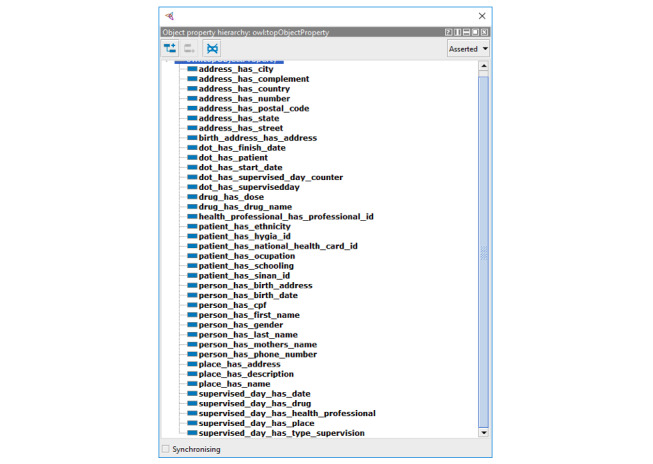
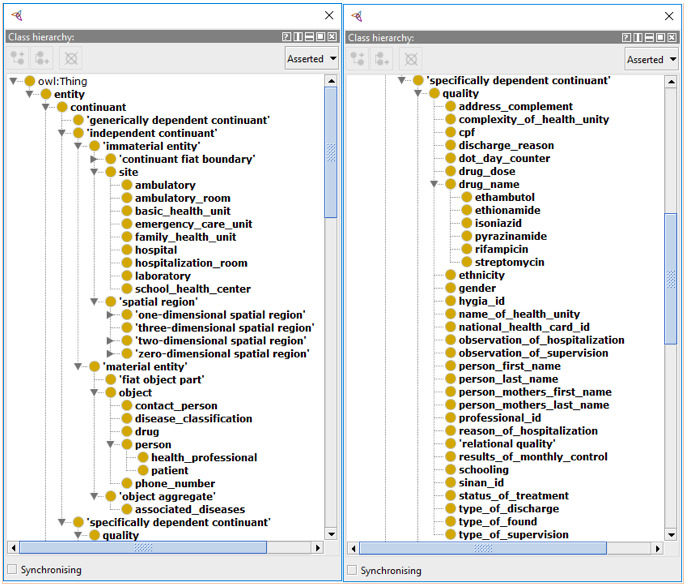
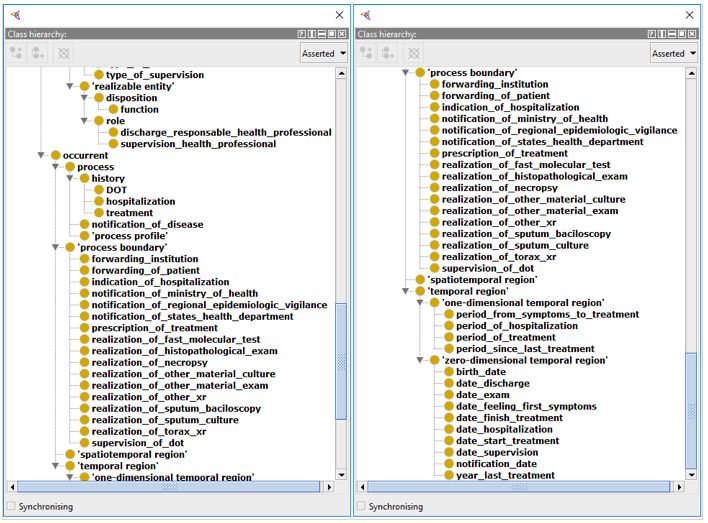
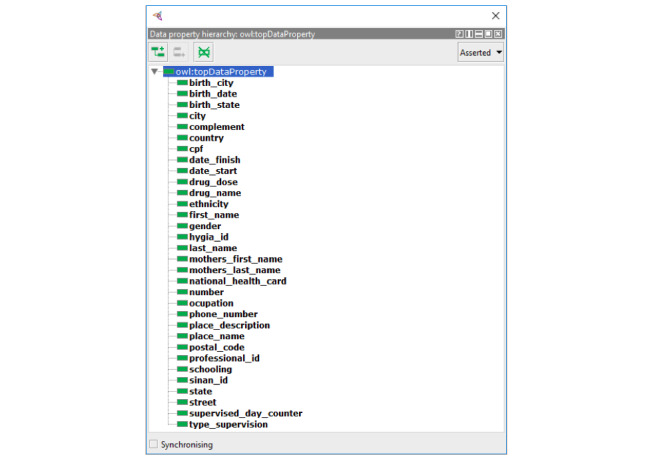
The entities of the ontology were allocated under the definitions of Basic Formal Ontology. Brazilian tuberculosis applications were tagged with entities from the resulting ontology.
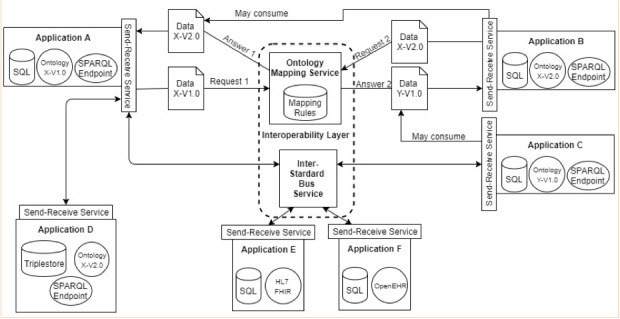
An interoperability layer was developed to retrieve data with the same meaning and in a structured way enabling semantic and functional interoperability.
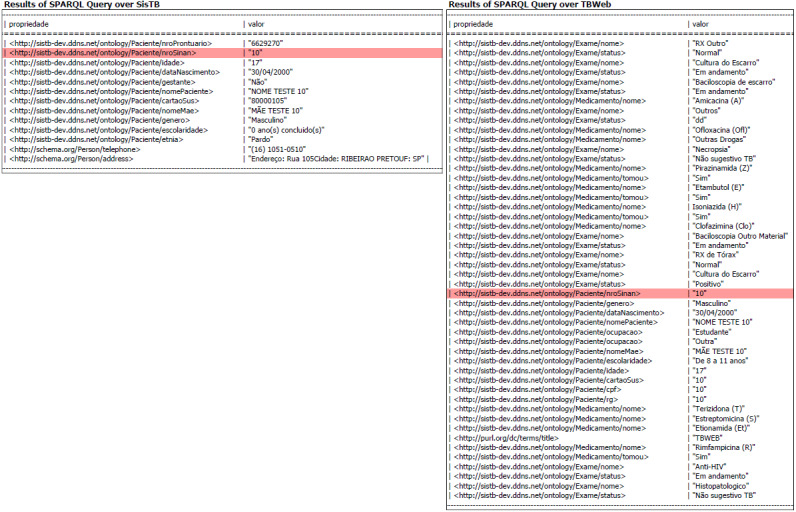
Health professionals could use the data gathered from several data sources to enhance the effectiveness of their actions and decisions, as shown in a practical use case to integrate tuberculosis data in the State of São Paulo.
由于现有健康信息系统在数据的技术和语义层面存在异质性,其互操作性是一项挑战。缺乏关于互操作性的现有数据扰乱了单位内部和单位间的医疗操作,也给对现有数据进行研究带来了挑战。目标是在为来自不同来源的数据提供相同含义的同时交换数据。
为找到解决这一挑战的方法,本研究论文提出了一种使用由本体支持的语义网技术,针对巴西结核病治疗及随访场景的互操作性解决方案。
本体的实体根据基础形式本体的定义进行分配。巴西结核病应用程序用所得本体中的实体进行标记。
开发了一个互操作性层,以结构化方式检索具有相同含义的数据,实现语义和功能互操作性。
正如在圣保罗州整合结核病数据的实际用例中所示,卫生专业人员可以使用从多个数据源收集的数据来提高其行动和决策的有效性。