Department of Cancer Biology, Mayo Clinic Arizona, Scottsdale, AZ 85259, United States.
Department of Cancer Biology, Mayo Clinic Arizona, Scottsdale, AZ 85259, United States; Department of Neurosurgery, Mayo Clinic Arizona, Scottsdale, AZ 85259, United States.
Neoplasia. 2020 Sep;22(9):352-364. doi: 10.1016/j.neo.2020.06.005. Epub 2020 Jul 3.
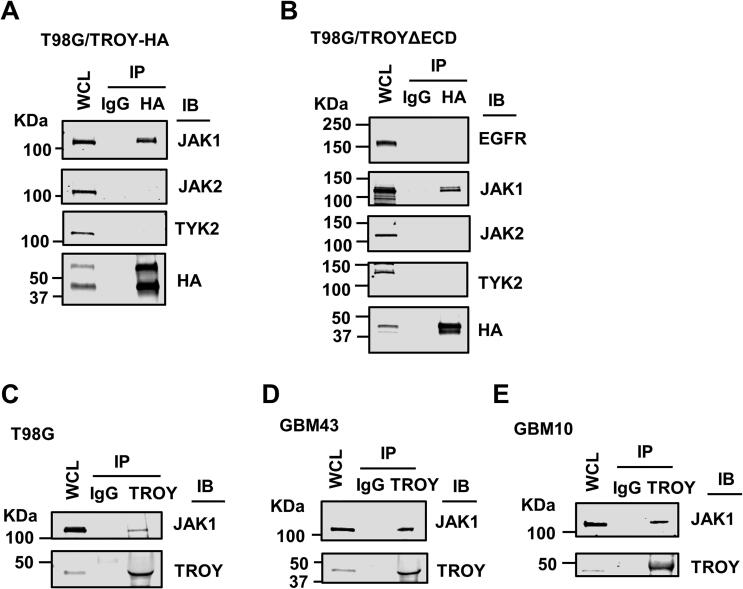
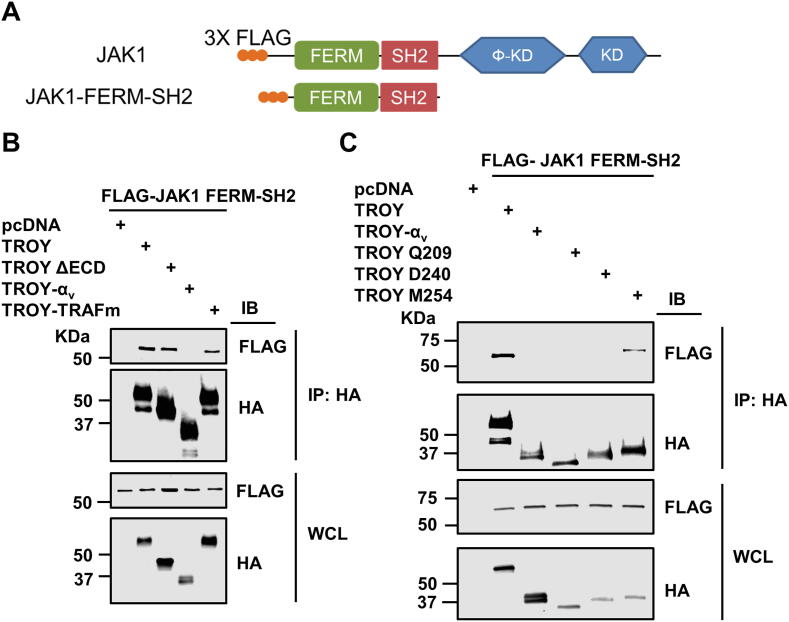
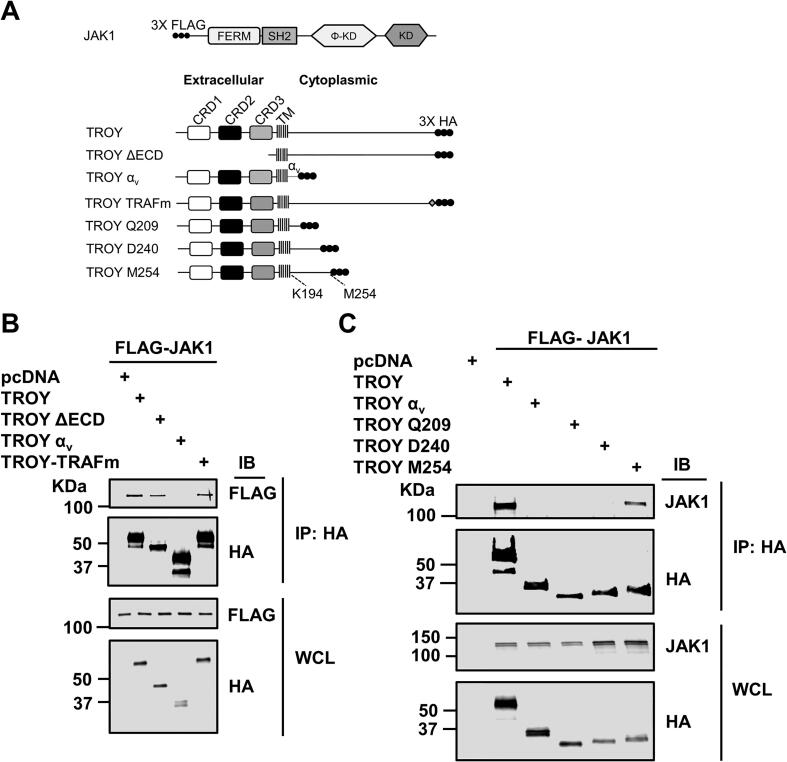
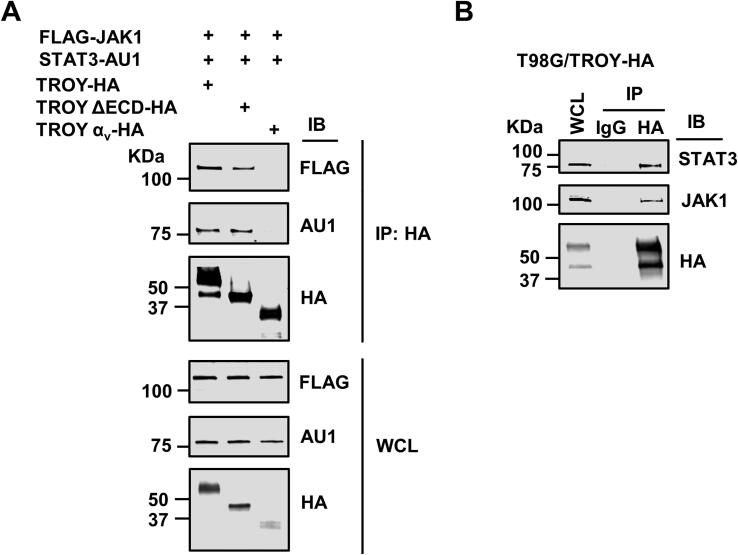
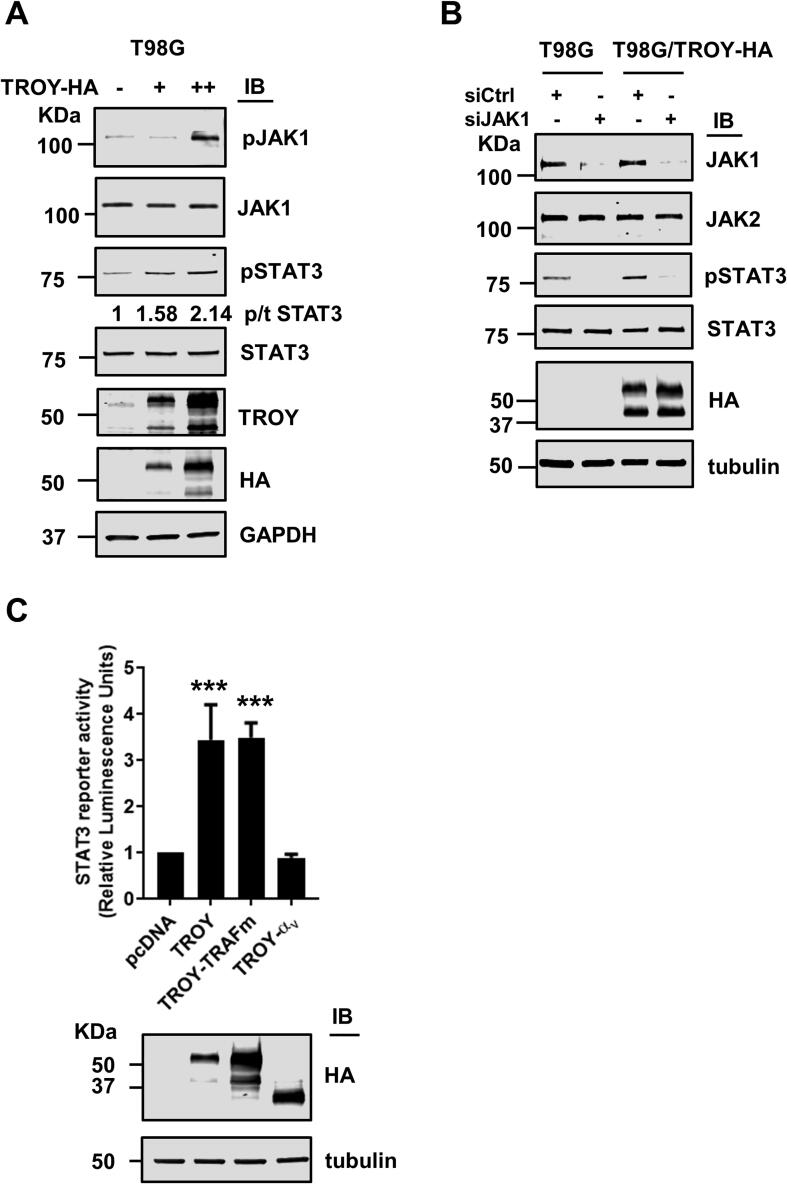
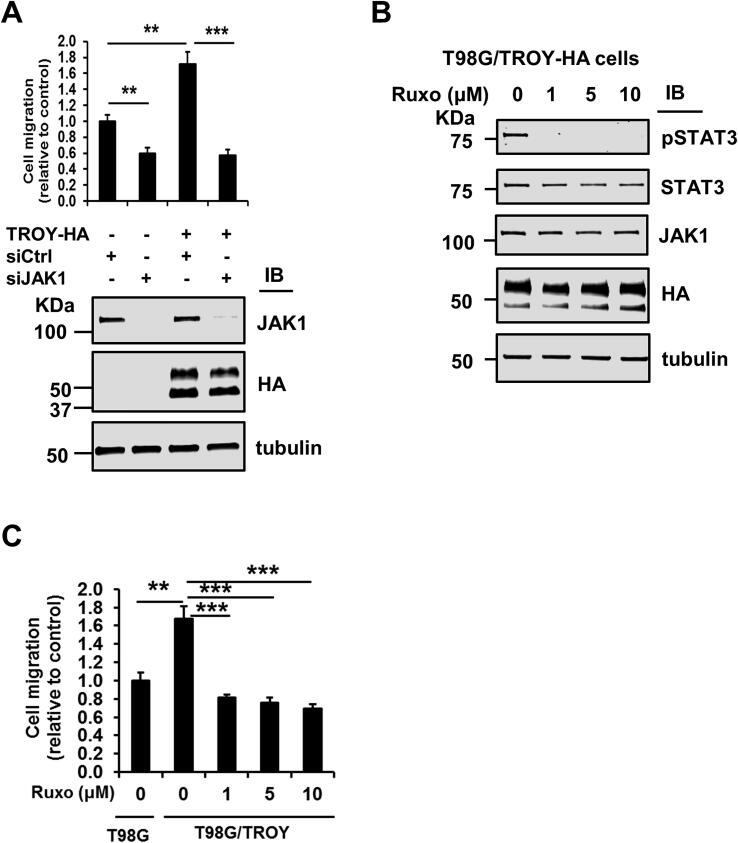
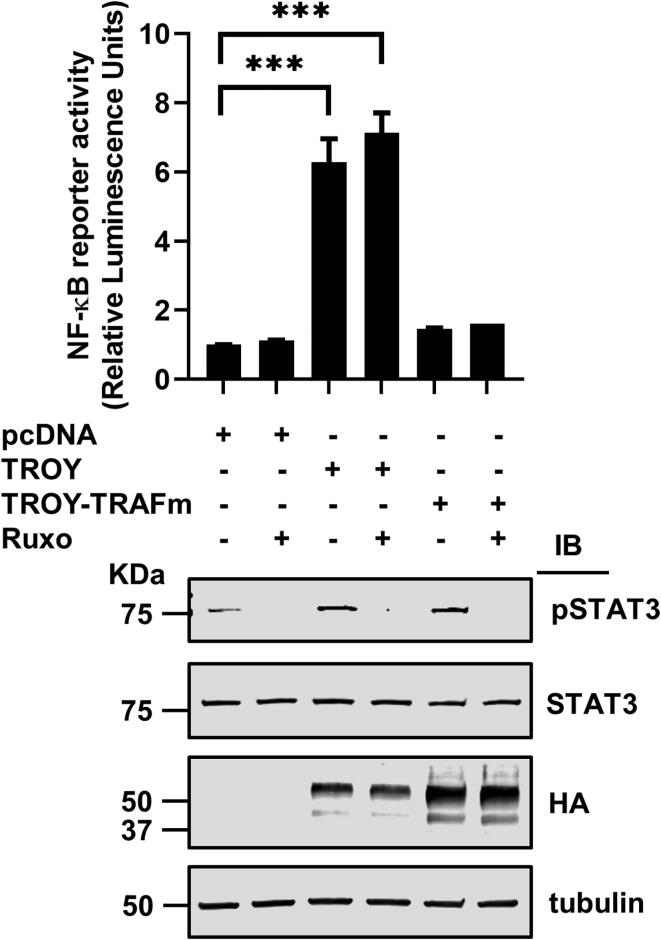
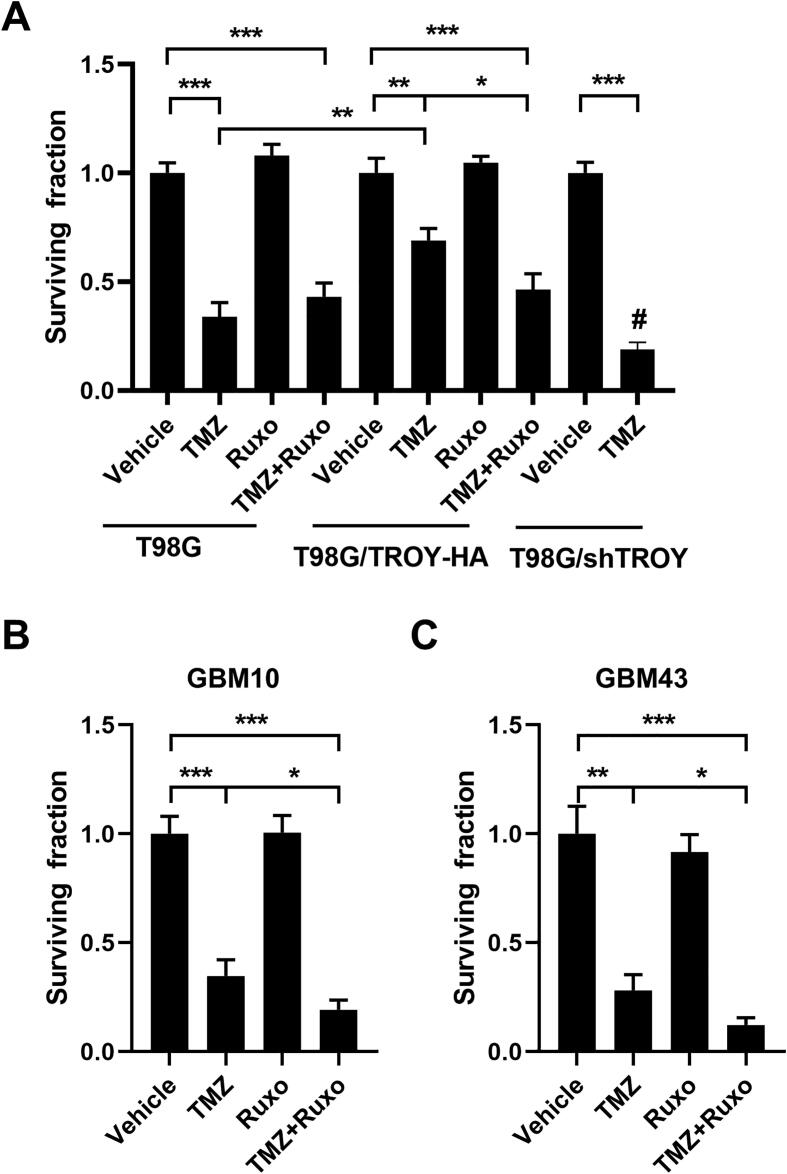
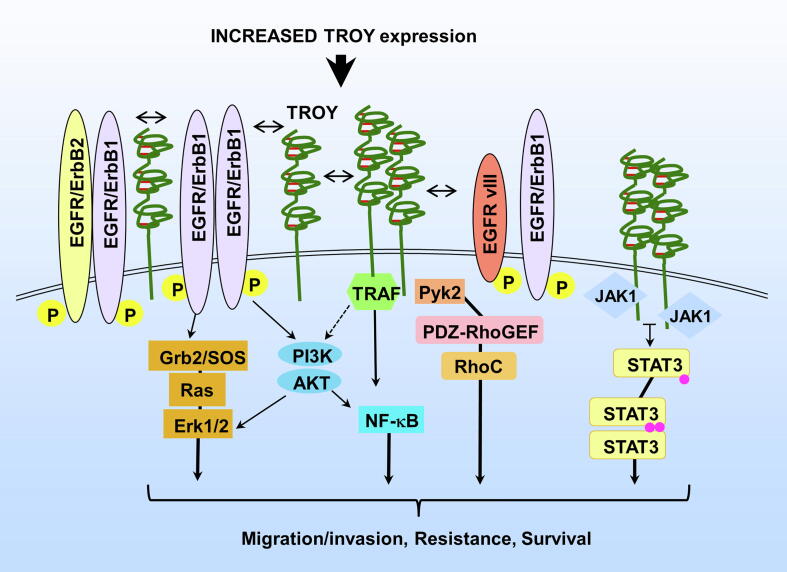
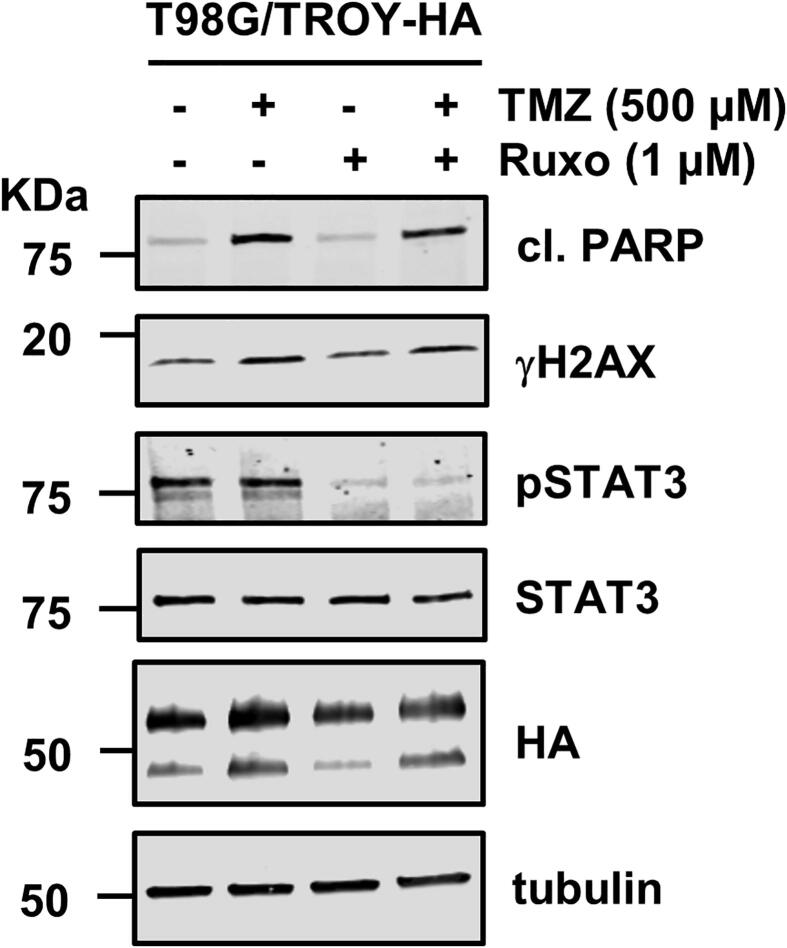
Glioblastoma (GBM) is the most common primary malignant brain tumor in adults and carries a discouraging prognosis. Its aggressive and highly infiltrative nature renders the current standard treatment of maximal surgical resection, radiation, and chemotherapy relatively ineffective. Identifying the signaling pathways that regulate GBM migration/invasion and resistance is required to develop more effective therapeutic regimens to treat GBM. Expression of TROY, an orphan receptor of the TNF receptor superfamily, increases with glial tumor grade, inversely correlates with patient overall survival, stimulates GBM cell invasion in vitro and in vivo, and increases resistance to temozolomide and radiation therapy. Conversely, silencing TROY expression inhibits GBM cell invasion, increases sensitivity to temozolomide, and prolongs survival in a preclinical intracranial xenograft model. Here, we have identified for the first time that TROY interacts with JAK1. Increased TROY expression increases JAK1 phosphorylation. In addition, increased TROY expression promotes STAT3 phosphorylation and STAT3 transcriptional activity that is dependent upon JAK1. TROY-mediated activation of STAT3 is independent of its ability to stimulate activity of NF-κB. Inhibition of JAK1 activity by ruxolitinib or knockdown of JAK1 expression by siRNA significantly inhibits TROY-induced STAT3 activation, GBM cell migration, and decreases resistance to temozolomide. Taken together, our data indicate that the TROY signaling complex may represent a potential therapeutic target with the distinctive capacity to exert effects on multiple pathways mediating GBM cell invasion and resistance.
胶质母细胞瘤(GBM)是成人中最常见的原发性恶性脑肿瘤,预后令人沮丧。其侵袭性和高度浸润性使得目前的最大手术切除、放疗和化疗标准治疗相对无效。确定调节 GBM 迁移/侵袭和耐药性的信号通路对于开发更有效的治疗方案来治疗 GBM 是必要的。孤儿 TNF 受体超家族受体 TROY 的表达随着神经胶质瘤肿瘤等级的增加而增加,与患者总生存期呈负相关,刺激 GBM 细胞在体外和体内侵袭,并增加对替莫唑胺和放射治疗的耐药性。相反,沉默 TROY 表达抑制 GBM 细胞侵袭,增加对替莫唑胺的敏感性,并延长临床前颅内异种移植模型中的存活时间。在这里,我们首次发现 TROY 与 JAK1 相互作用。TROY 表达增加会增加 JAK1 磷酸化。此外,增加的 TROY 表达促进 STAT3 磷酸化和 STAT3 转录活性,这依赖于 JAK1。TROY 介导的 STAT3 激活与其刺激 NF-κB 活性的能力无关。通过 ruxolitinib 抑制 JAK1 活性或通过 siRNA 敲低 JAK1 表达可显著抑制 TROY 诱导的 STAT3 激活、GBM 细胞迁移,并降低对替莫唑胺的耐药性。总之,我们的数据表明,TROY 信号复合物可能代表一个潜在的治疗靶点,具有对介导 GBM 细胞侵袭和耐药性的多种途径发挥作用的独特能力。