Liu Mingchang, Wang Liwen
Department of Neurosurgery, Jinxiang County People's Hospital, Jining City, Shandong Province, China.
Medicine (Baltimore). 2020 Jul 2;99(27):e20927. doi: 10.1097/MD.0000000000020927.
The serum albumin, albumin-to-globulin ratio (AGR), and prognostic nutritional index (PNI) have been recommended to represent the nutritional and inflammatory status. Thus, they may be potential prognostic biomarkers for cancer. However, contradictory results were reported in different studies on glioma. The goal of this study was to perform a meta-analysis to re-evaluate their prognostic potential for glioma.
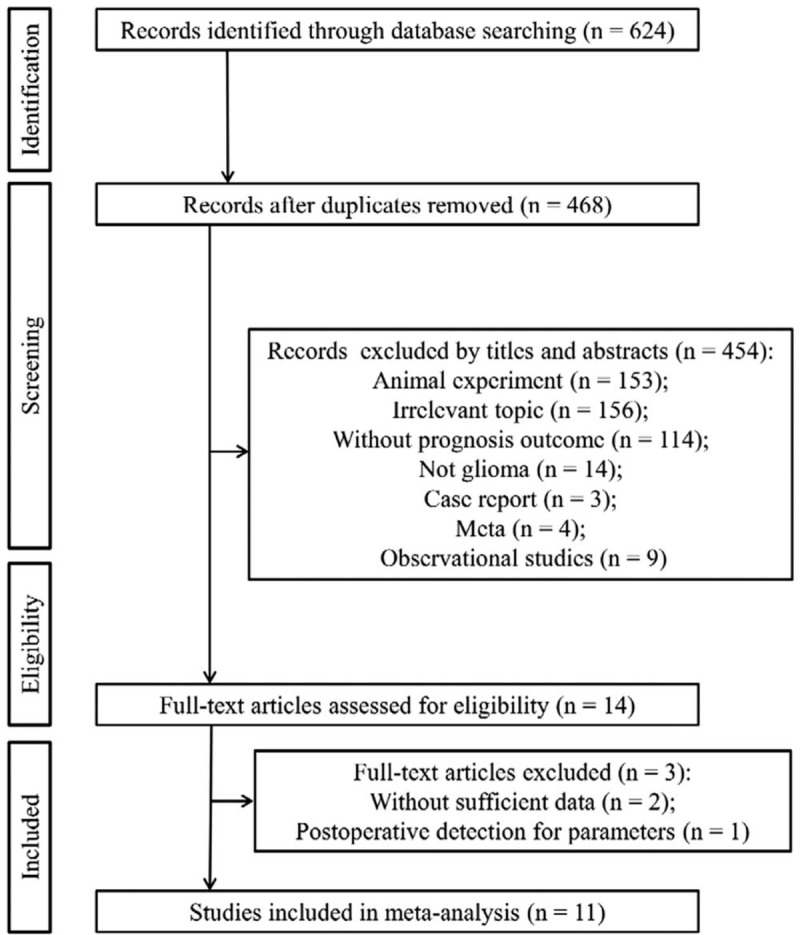
Databases of PubMed, EMBASE, and Cochrane Library were systematically searched to enroll all the studies investigating the prognostic significance of albumin, AGR, and PNI for glioma. Pooled hazard ratios (HRs) and 95% confidence intervals (CIs) were estimated using STATA 13.0 software to indicate the intensity of association.
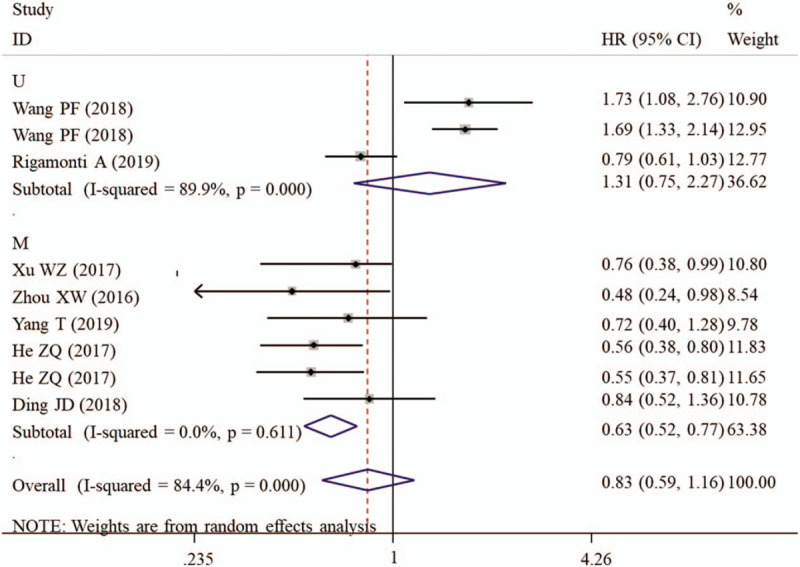
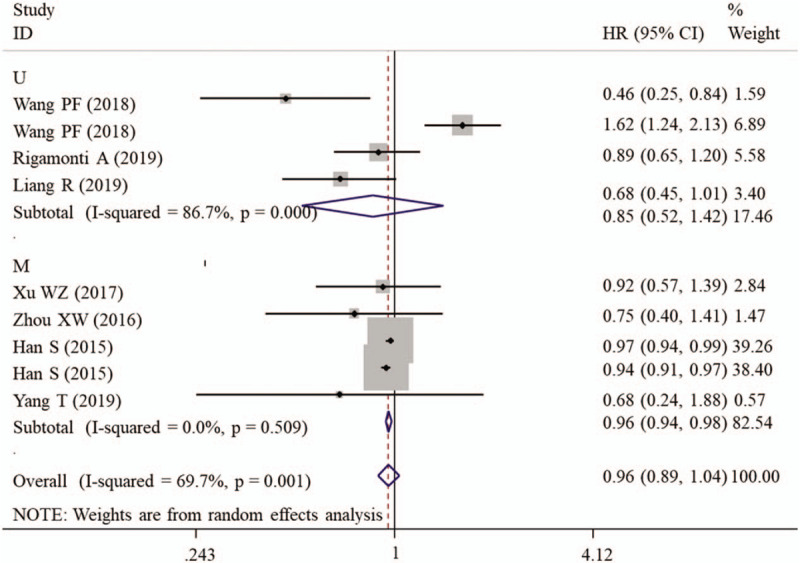
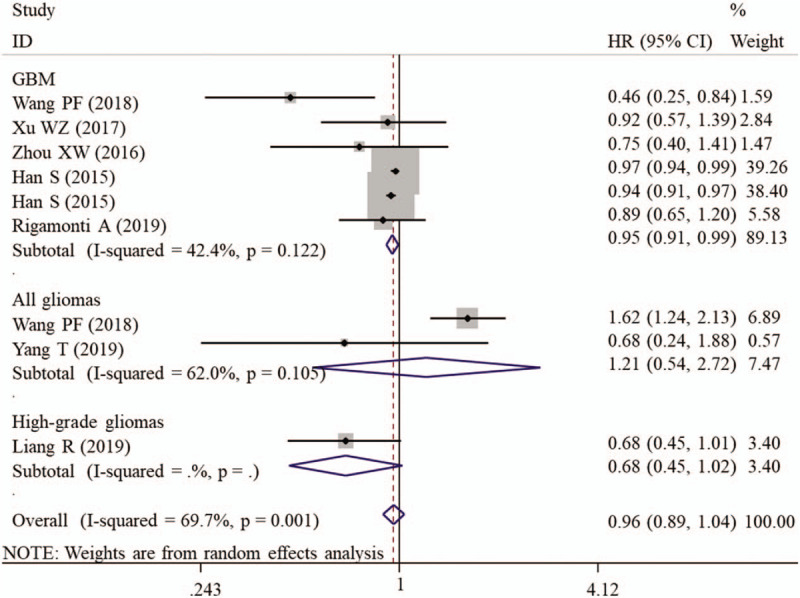
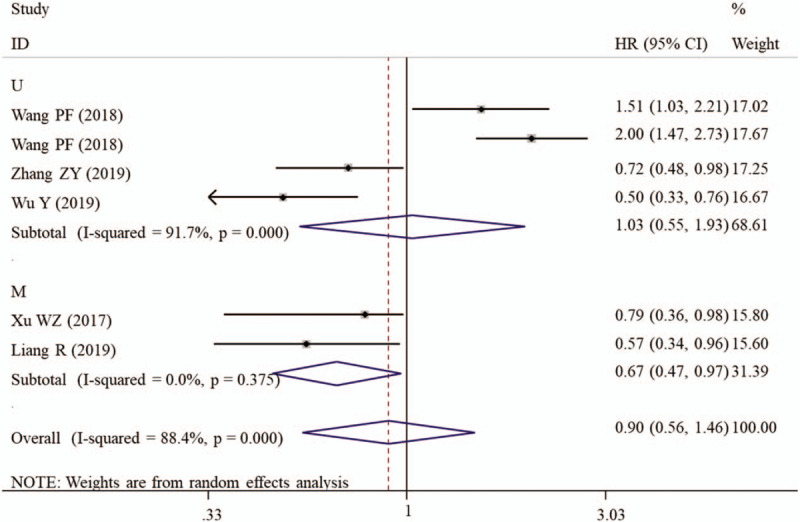
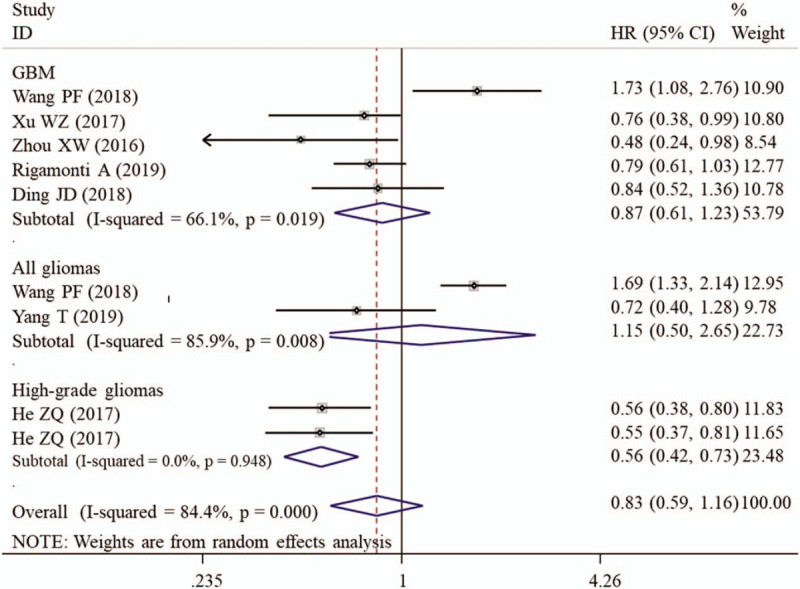
Eleven studies with 2928 cases were included. Overall meta-analysis showed that the prognostic values of albumin, AGR, and PNI were limited for glioma (P > .05). However, subgroup analysis demonstrated a high preoperative serum albumin was significantly related with excellent OS of patients with GBM (HR = 0.95, 95% CI: 0.91-0.99, P = .018), while high PNI (HR = 0.56, 95% CI: 0.43-0.73, P < .001) and AGR (HR = 0.57, 95% CI: 0.34-0.96, P = .034) may be a protective factor of favorable OS for patients with high-grade gliomas. Furthermore, integration of all studies with multivariate analysis and clear cut-off also proved reduced preoperative serum albumin, AGR, and PNI were predictors of poor prognosis for patients with gliomas.
Preoperative serum albumin, AGR, and PNI may represent promising biomarkers to predict the prognosis in patients with glioma, especially for high-grade.
血清白蛋白、白蛋白与球蛋白比值(AGR)以及预后营养指数(PNI)已被推荐用于反映营养和炎症状态。因此,它们可能是癌症潜在的预后生物标志物。然而,关于胶质瘤的不同研究报告了相互矛盾的结果。本研究的目的是进行一项荟萃分析,以重新评估它们对胶质瘤的预后潜力。
系统检索PubMed、EMBASE和Cochrane图书馆数据库,纳入所有调查白蛋白、AGR和PNI对胶质瘤预后意义的研究。使用STATA 13.0软件估计合并风险比(HRs)和95%置信区间(CIs),以表明关联强度。
纳入了11项研究,共2928例病例。总体荟萃分析表明,白蛋白、AGR和PNI对胶质瘤的预后价值有限(P>0.05)。然而,亚组分析显示,术前血清白蛋白水平高与胶质母细胞瘤患者的良好总生存期显著相关(HR=0.95,95%CI:0.91-0.99,P=0.018),而高PNI(HR=0.56,95%CI:0.43-0.73,P<0.001)和AGR(HR=0.57,95%CI:0.34-0.96,P=0.034)可能是高级别胶质瘤患者总生存期良好的保护因素。此外,将所有研究与多变量分析和明确的临界值相结合也证明,术前血清白蛋白、AGR和PNI降低是胶质瘤患者预后不良的预测因素。
术前血清白蛋白、AGR和PNI可能是预测胶质瘤患者预后的有前景的生物标志物,尤其是对于高级别胶质瘤患者。