School of Biomedical Sciences, University of Leeds, LS2 9JT Leeds, UK.
Department of Experimental and Molecular Cardiology, TU Dresden, Heart Center Dresden, 01307 Dresden, Germany.
Int J Mol Sci. 2020 Jun 30;21(13):4681. doi: 10.3390/ijms21134681.
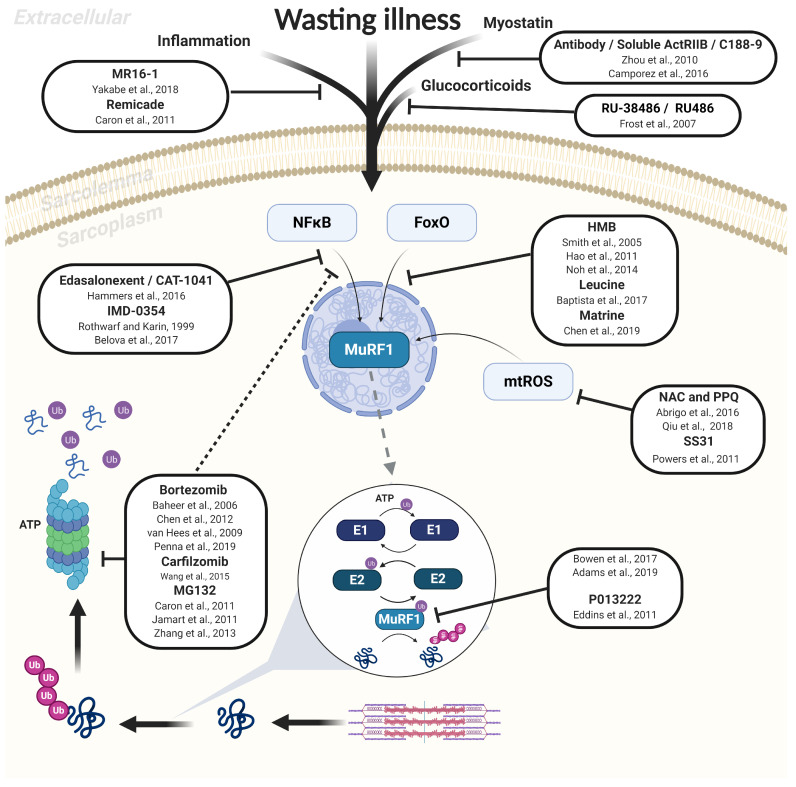
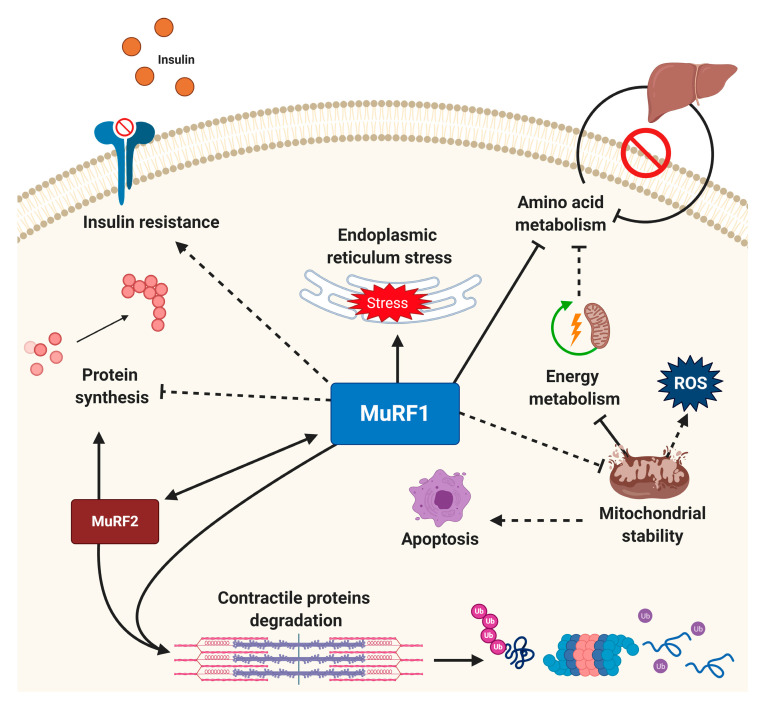
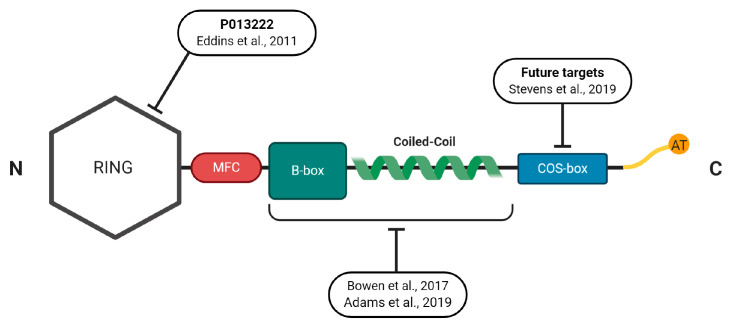
Skeletal muscle wasting represents a common trait in many conditions, including aging, cancer, heart failure, immobilization, and critical illness. Loss of muscle mass leads to impaired functional mobility and severely impedes the quality of life. At present, exercise training remains the only proven treatment for muscle atrophy, yet many patients are too ill, frail, bedridden, or neurologically impaired to perform physical exertion. The development of novel therapeutic strategies that can be applied to an in vivo context and attenuate secondary myopathies represents an unmet medical need. This review discusses recent progress in understanding the molecular pathways involved in regulating skeletal muscle wasting with a focus on pro-catabolic factors, in particular, the ubiquitin-proteasome system and its activating muscle-specific E3 ligase RING-finger protein 1 (MuRF1). Mechanistic progress has provided the opportunity to design experimental therapeutic concepts that may affect the ubiquitin-proteasome system and prevent subsequent muscle wasting, with novel advances made in regards to nutritional supplements, nuclear factor kappa-light-chain-enhancer of activated B cells (NFB) inhibitors, myostatin antibodies, β adrenergic agonists, and small-molecules interfering with MuRF1, which all emerge as a novel in vivo treatment strategies for muscle wasting.
骨骼肌减少症是许多疾病的共同特征,包括衰老、癌症、心力衰竭、固定和危重病。肌肉质量的损失导致功能移动性受损,并严重阻碍生活质量。目前,运动训练仍然是肌肉萎缩的唯一有效治疗方法,但许多患者病得太重、身体太虚弱、卧床不起或神经受损,无法进行体力活动。开发可应用于体内环境并减轻继发性肌病的新型治疗策略代表了未满足的医疗需求。本综述讨论了最近在理解调节骨骼肌减少症的分子途径方面的进展,重点是促分解代谢因子,特别是泛素-蛋白酶体系统及其激活肌肉特异性 E3 连接酶 RING-finger 蛋白 1(MuRF1)。机制上的进展为设计可能影响泛素-蛋白酶体系统并防止随后肌肉减少症的实验治疗概念提供了机会,在营养补充剂、核因子 kappa-轻链增强子的激活 B 细胞(NFB)抑制剂、肌肉生长抑制素抗体、β 肾上腺素能激动剂和干扰 MuRF1 的小分子方面都取得了新的进展,所有这些都成为肌肉减少症的新型体内治疗策略。