Department of Ecology and Diseases of Zoo Animals, Game, Fish and Bees, University of Veterinary and Pharmaceutical Sciences Brno, Palackého třída 1946/1, 612 42, Brno, Czech Republic.
CEITEC - Central European Institute of Technology, University of Veterinary and Pharmaceutical Sciences Brno, Brno, Czech Republic.
BMC Vet Res. 2020 Jul 6;16(1):232. doi: 10.1186/s12917-020-02450-z.
Emergence of both viral zoonoses from bats and diseases that threaten bat populations has highlighted the necessity for greater insights into the functioning of the bat immune system. Particularly when considering hibernating temperate bat species, it is important to understand the seasonal dynamics associated with immune response. Body temperature is one of the factors that modulates immune functions and defence mechanisms against pathogenic agents in vertebrates. To better understand innate immunity mediated by phagocytes in bats, we measured respiratory burst and haematology and blood chemistry parameters in heterothermic greater mouse-eared bats (Myotis myotis) and noctules (Nyctalus noctula) and homeothermic laboratory mice (Mus musculus).
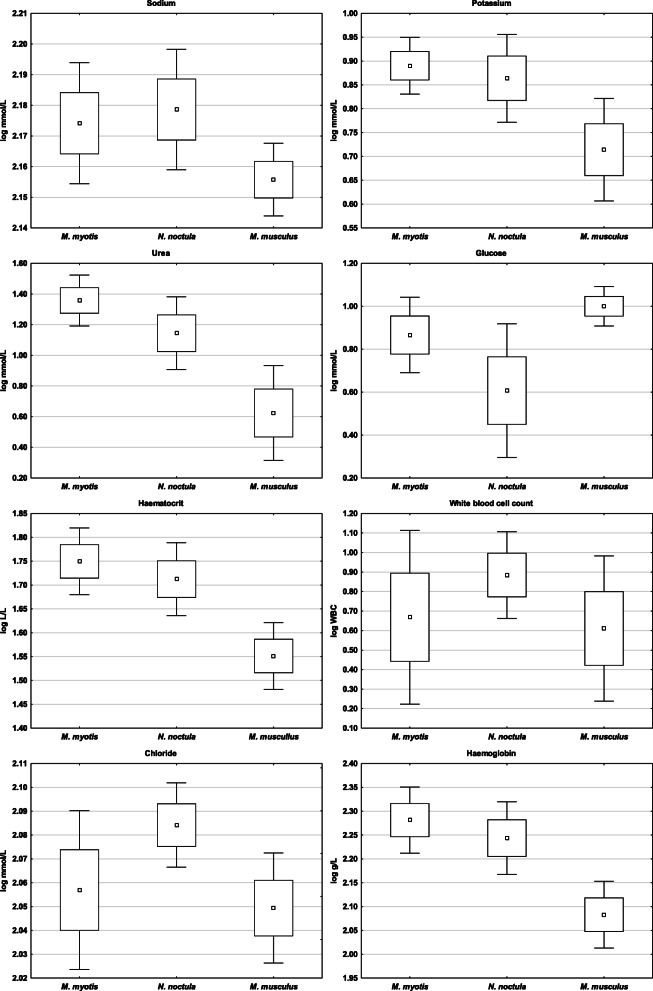
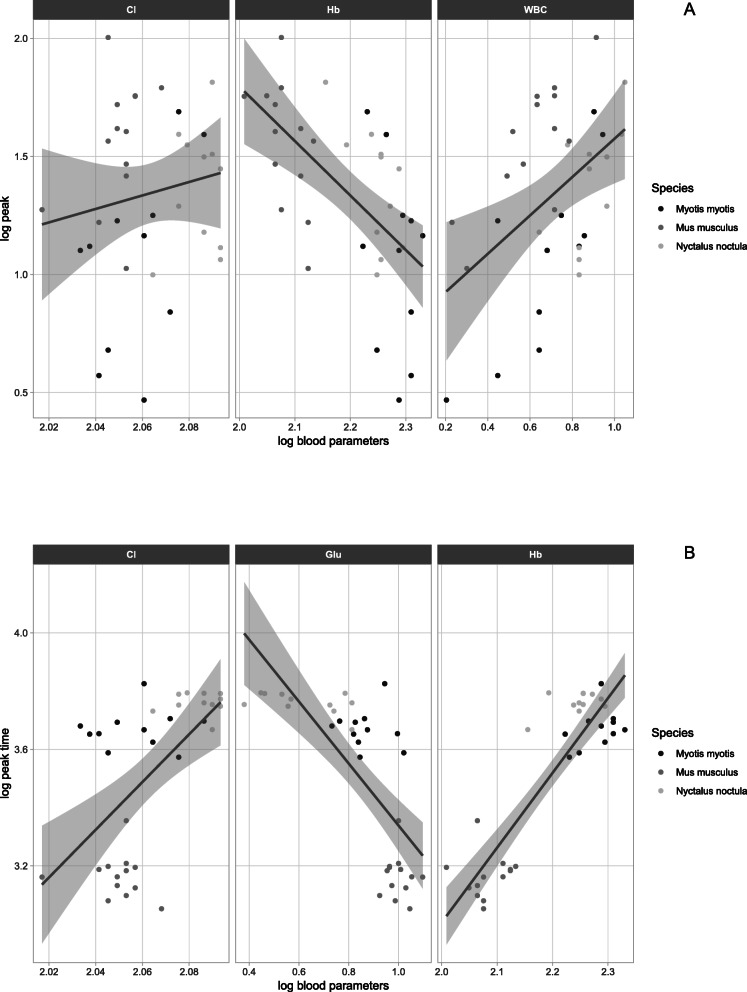
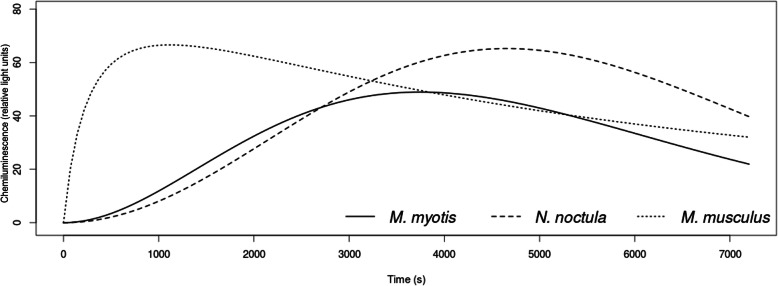
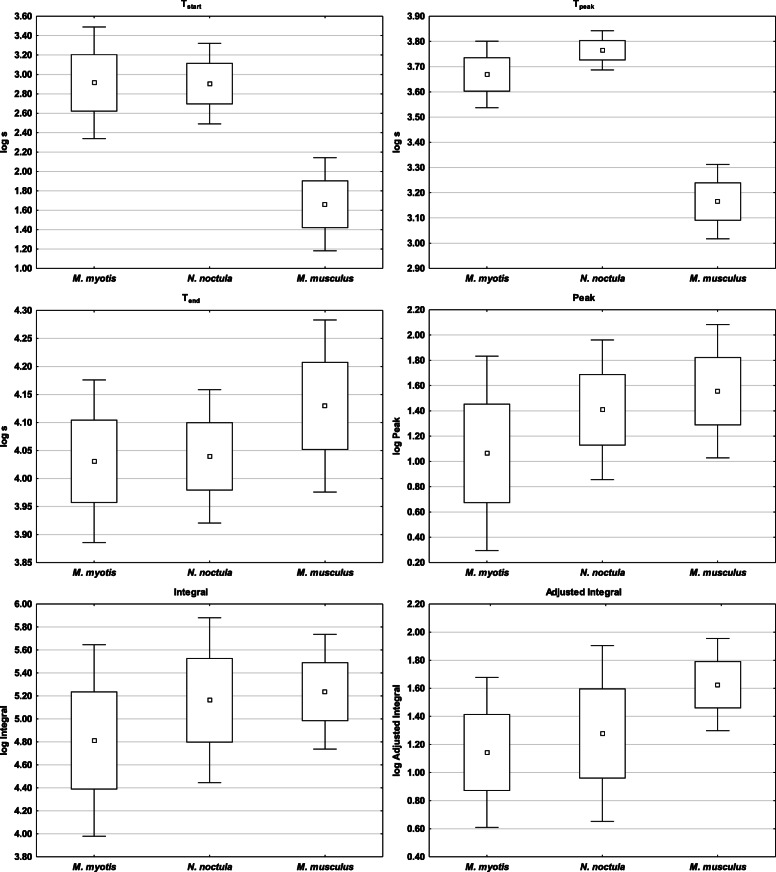
Bats displayed similar electrolyte levels and time-related parameters of phagocyte activity, but differed in blood profile parameters related to metabolism and red blood cell count. Greater mouse-eared bats differed from mice in all phagocyte activity parameters and had the lowest phagocytic activity overall, while noctules had the same quantitative phagocytic values as mice. Homeothermic mice were clustered separately in a high phagocyte activity group, while both heterothermic bat species were mixed in two lower phagocyte activity clusters. Stepwise regression identified glucose, white blood cell count, haemoglobin, total dissolved carbon dioxide and chloride variables as the best predictors of phagocyte activity. White blood cell counts, representing phagocyte numbers available for respiratory burst, were the best predictors of both time-related and quantitative parameters of phagocyte activity. Haemoglobin, as a proxy variable for oxygen available for uptake by phagocytes, was important for the onset of phagocytosis.
Our comparative data indicate that phagocyte activity reflects the physiological state and blood metabolic and cellular characteristics of homeothermic and heterothermic mammals. However, further studies elucidating trade-offs between immune defence, seasonal lifestyle physiology, hibernation behaviour, roosting ecology and geographic patterns of immunity of heterothermic bat species will be necessary. An improved understanding of bat immune responses will have positive ramifications for wildlife and conservation medicine.
病毒从蝙蝠中出现的人畜共患病和威胁蝙蝠种群的疾病突出表明,有必要更深入地了解蝙蝠免疫系统的功能。特别是在考虑到温带冬眠蝙蝠物种时,了解与免疫反应相关的季节性动态非常重要。体温是调节脊椎动物免疫功能和防御机制对抗病原体的因素之一。为了更好地了解蝙蝠吞噬细胞介导的先天免疫,我们测量了异温性大耳蝠(Myotis myotis)和夜蝠(Nyctalus noctula)和恒温实验室小鼠(Mus musculus)的呼吸爆发和血液学及血液化学参数。
蝙蝠表现出相似的电解质水平和与吞噬细胞活性相关的时间相关参数,但在与代谢和红细胞计数相关的血液特征参数上存在差异。大耳蝠在所有吞噬细胞活性参数上与小鼠不同,整体吞噬活性最低,而夜蝠的吞噬值与小鼠相同。恒温小鼠聚类在高吞噬细胞活性组中,而两种异温蝙蝠物种混合在两个较低的吞噬细胞活性群中。逐步回归确定葡萄糖、白细胞计数、血红蛋白、总溶解二氧化碳和氯化物变量是吞噬细胞活性的最佳预测因子。白细胞计数,代表可用于呼吸爆发的吞噬细胞数量,是吞噬细胞活性的时间相关和定量参数的最佳预测因子。血红蛋白作为吞噬细胞摄取氧气的替代变量,对于吞噬作用的开始很重要。
我们的比较数据表明,吞噬细胞活性反映了恒温动物和异温动物的生理状态以及血液代谢和细胞特征。然而,需要进一步的研究阐明免疫防御、季节性生活方式生理学、冬眠行为、栖息生态学和异温蝙蝠物种免疫的地理模式之间的权衡。对蝙蝠免疫反应的更好理解将对野生动物和保护医学产生积极影响。