Chen Wen-Kai, Feng Lin-Juan, Liu Qiao-Dan, Ke Qing-Feng, Cai Pei-Ya, Zhang Pei-Ru, Cai Li-Quan, Huang Nian-Lai, Lin Wen-Ping
Department of Orthopedic Surgery, the Second Affiliated Hospital, Fujian Medical University, Quanzhou, 362000, China.
Department of Neurology, Fujian Medical University Union Hospital, Fuzhou, 350001, China.
J Neuroinflammation. 2020 Jul 6;17(1):202. doi: 10.1186/s12974-020-01884-4.
Spinal cord injury (SCI) triggers the primary mechanical injury and secondary inflammation-mediated injury. Neuroinflammation-mediated insult causes secondary and extensive neurological damage after SCI. Microglia play a pivotal role in the initiation and progression of post-SCI neuroinflammation.
To elucidate the significance of LRCH1 to microglial functions, we applied lentivirus-induced LRCH1 knockdown in primary microglia culture and tested the role of LRCH1 in microglia-mediated inflammatory reaction both in vitro and in a rat SCI model.
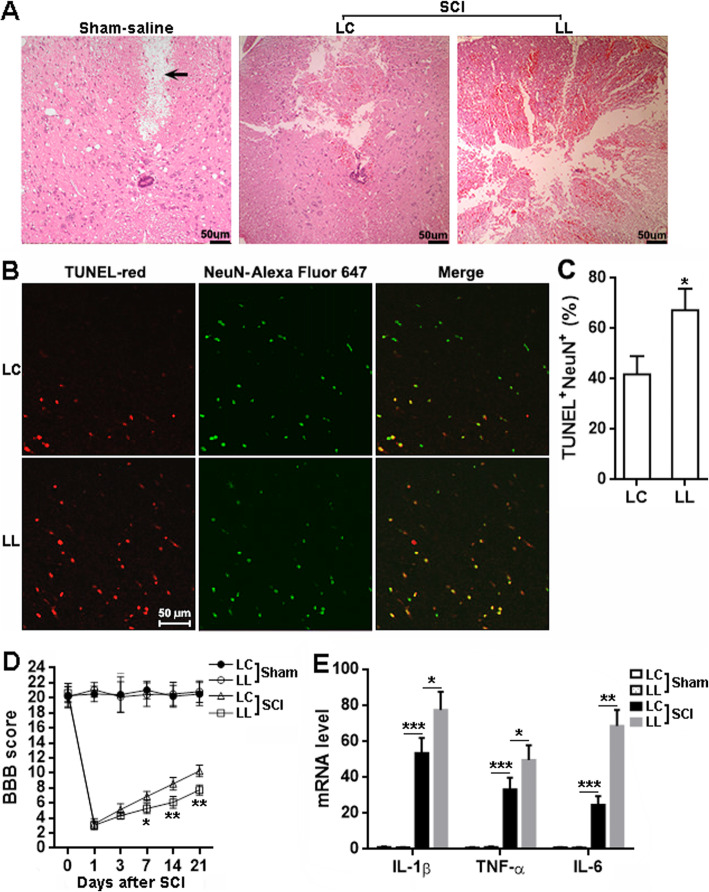
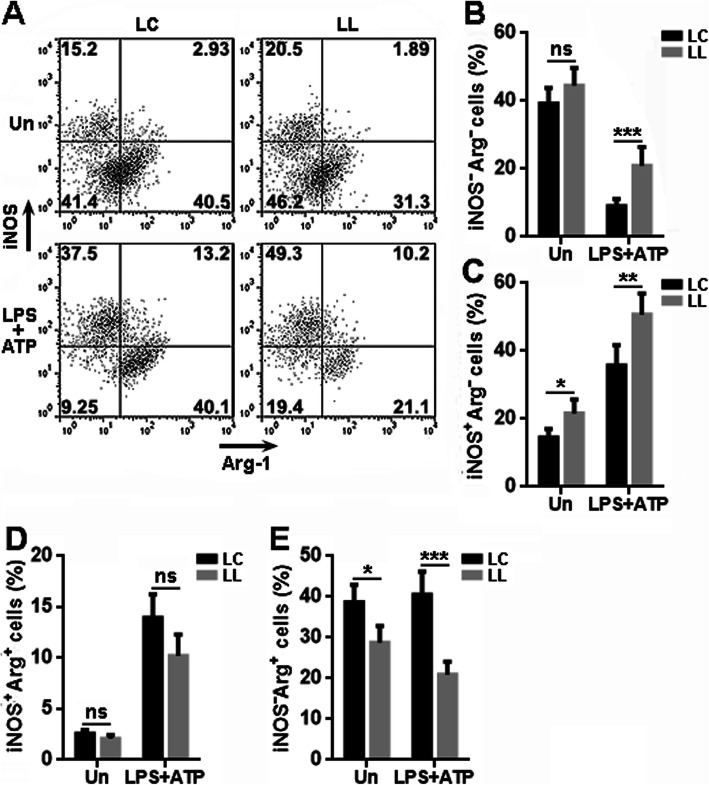
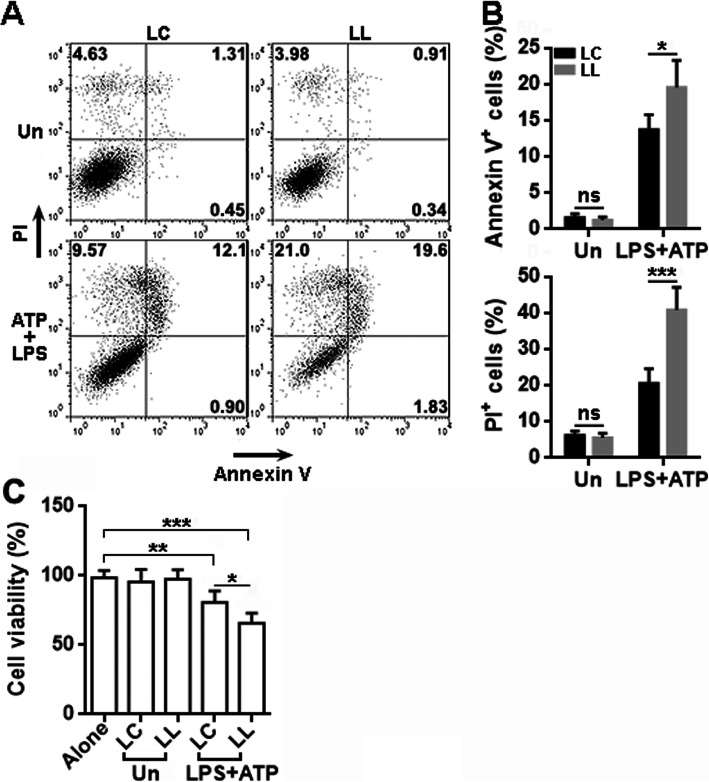
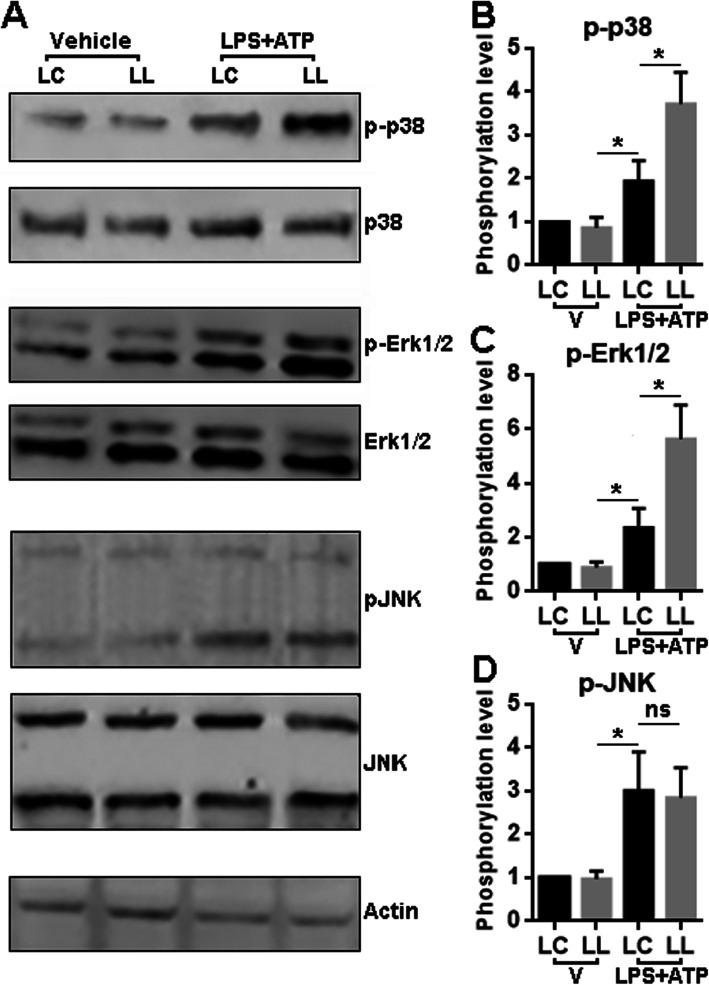
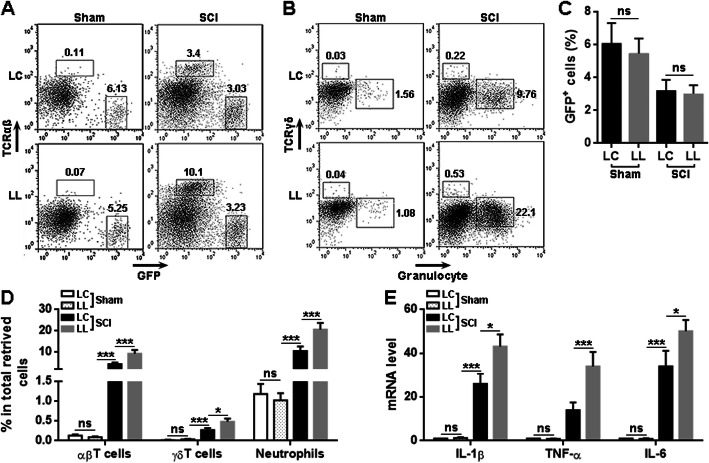
We found that LRCH1 was downregulated in microglia after traumatic SCI. LRCH1 knockdown increased the production of pro-inflammatory cytokines such as IL-1β, TNF-α, and IL-6 after in vitro priming with lipopolysaccharide and adenosine triphosphate. Furthermore, LRCH1 knockdown promoted the priming-induced microglial polarization towards the pro-inflammatory inducible nitric oxide synthase (iNOS)-expressing microglia. LRCH1 knockdown also enhanced microglia-mediated N27 neuron death after priming. Further analysis revealed that LRCH1 knockdown increased priming-induced activation of p38 mitogen-activated protein kinase (MAPK) and Erk1/2 signaling, which are crucial to the inflammatory response of microglia. When LRCH1-knockdown microglia were adoptively injected into rat spinal cords, they enhanced post-SCI production of pro-inflammatory cytokines, increased SCI-induced recruitment of leukocytes, aggravated SCI-induced tissue damage and neuronal death, and worsened the locomotor function.
Our study reveals for the first time that LRCH1 serves as a negative regulator of microglia-mediated neuroinflammation after SCI and provides clues for developing novel therapeutic approaches against SCI.
脊髓损伤(SCI)引发原发性机械性损伤和继发性炎症介导的损伤。神经炎症介导的损伤在SCI后导致继发性和广泛性神经损伤。小胶质细胞在SCI后神经炎症的发生和发展中起关键作用。
为阐明LRCH1对小胶质细胞功能的重要性,我们在原代小胶质细胞培养中应用慢病毒诱导的LRCH1敲低,并在体外和大鼠SCI模型中测试LRCH1在小胶质细胞介导的炎症反应中的作用。
我们发现创伤性SCI后小胶质细胞中LRCH1表达下调。在用脂多糖和三磷酸腺苷体外刺激后,LRCH1敲低增加了促炎细胞因子如IL-1β、TNF-α和IL-6的产生。此外,LRCH1敲低促进了刺激诱导的小胶质细胞向表达促炎诱导型一氧化氮合酶(iNOS)的小胶质细胞极化。LRCH1敲低还增强了刺激后小胶质细胞介导的N27神经元死亡。进一步分析表明,LRCH1敲低增加了刺激诱导的p38丝裂原活化蛋白激酶(MAPK)和Erk1/2信号通路的激活,这对小胶质细胞的炎症反应至关重要。当将LRCH1敲低的小胶质细胞过继注入大鼠脊髓时,它们增强了SCI后促炎细胞因子的产生,增加了SCI诱导的白细胞募集,加重了SCI诱导的组织损伤和神经元死亡,并恶化了运动功能。
我们的研究首次揭示LRCH1作为SCI后小胶质细胞介导的神经炎症的负调节因子,并为开发针对SCI的新型治疗方法提供了线索。