Clinical Division of Fish Medicine, University of Veterinary Medicine, Vienna, Austria.
Department of Zoology, Faculty of Science, Sohag University, Sohag, Egypt.
J Fish Dis. 2020 Sep;43(9):1049-1063. doi: 10.1111/jfd.13212. Epub 2020 Jul 6.
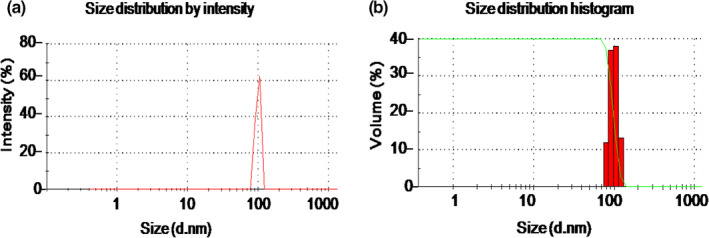
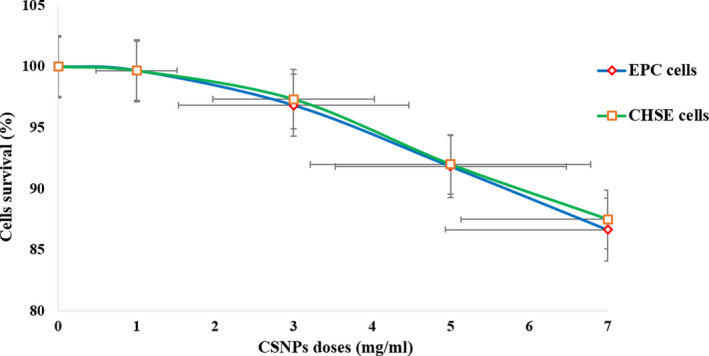
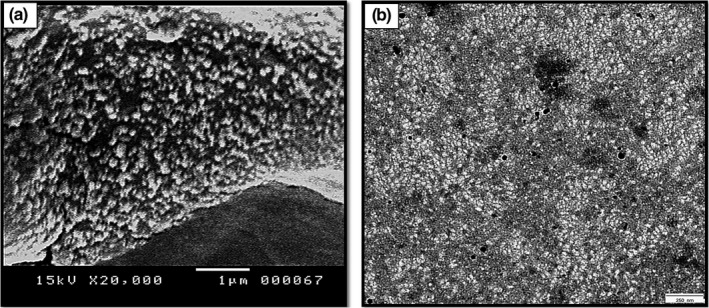
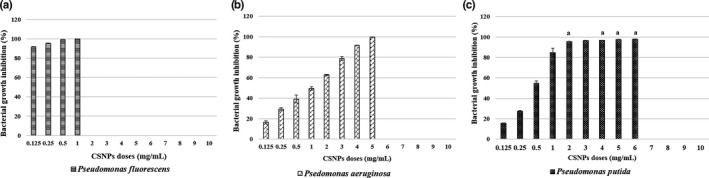
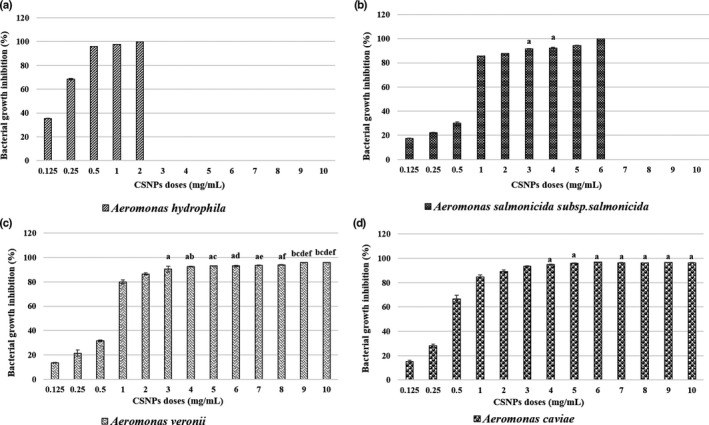
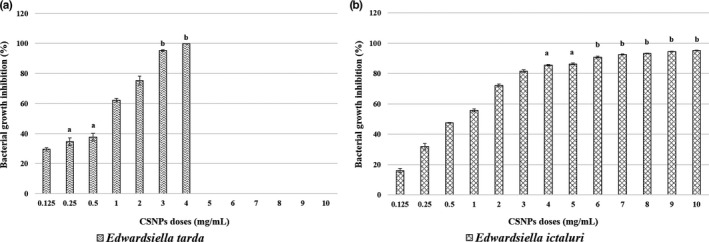
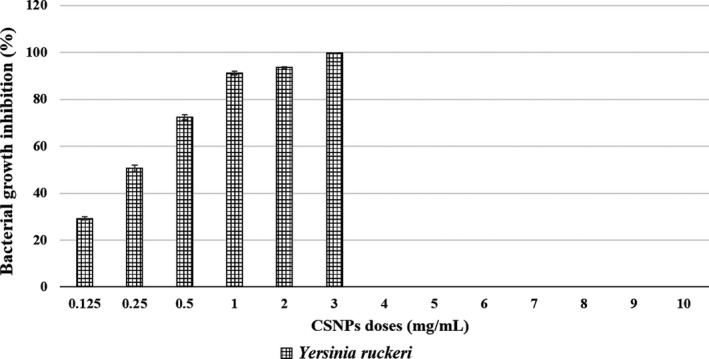
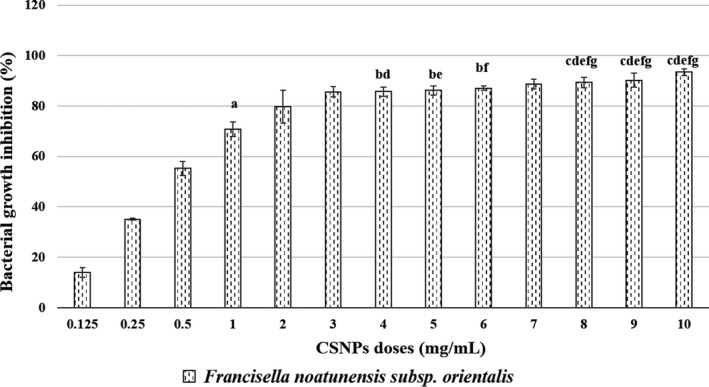
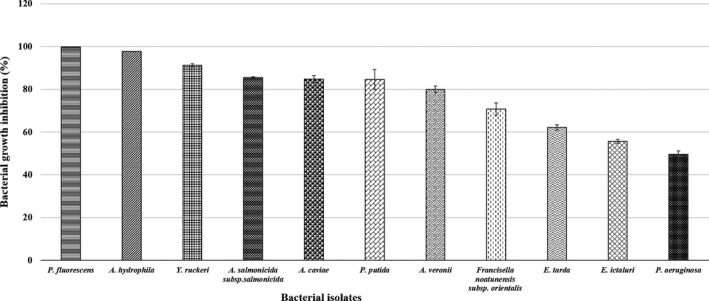
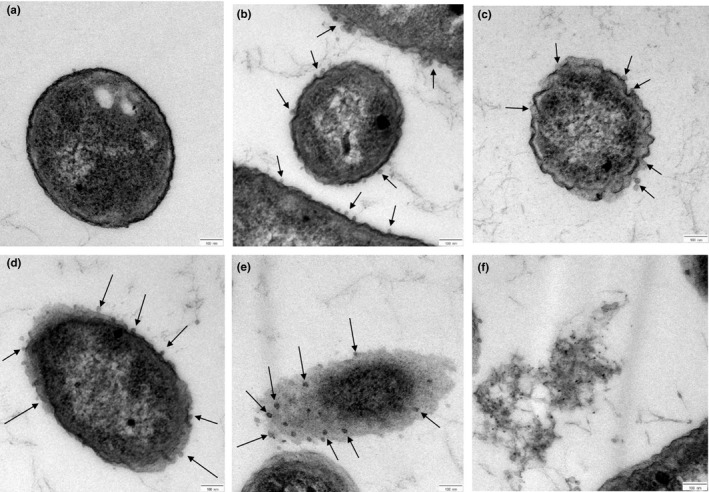
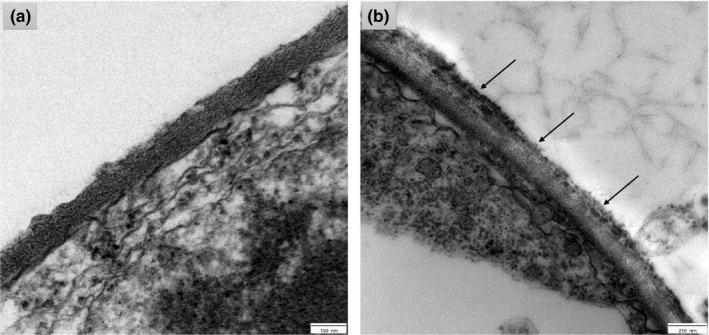
Nanotechnology is an emerging avenue employed in disease prevention and treatment. This study evaluated the antimicrobial efficacy of chitosan nanoparticles (CSNPs) against major bacterial and oomycete fish pathogens in comparison with chitosan suspension. Initially, the minimum inhibitory concentrations (MIC, MIC ) were determined and the per cent inhibition of bacterial growth was calculated. Subsequently, the minimum bactericidal concentrations (MBCs) were determined. The time-dependent disruptions of CSNP-treated pathogens were observed via transmission electron microscopy (TEM), and the effect of CSNPs on the viability of two fish cell lines was assessed. No antimicrobial effect was observed with chitosan, while CSNPs (105 nm) exhibited a dose-dependent and species-specific antimicrobial properties. They were bactericidal against seven bacterial isolates recording MBC values from 1 to 7 mg/ml, bacteriostatic against four further isolates recording MIC values from 0.125 to 5 mg/ml and fungistatic against oomycetes recording MIC values of 3 and 4 mg/ml. TEM micrographs showed the attachment of CSNPs to the pathogenic cell membranes disrupting their integrity. No significant cytotoxicity was observed using 1 mg/ml CSNPs, while low dose-dependent cytotoxicity was elicited by the higher doses. Therefore, it is anticipated that CSNPs are able to compete and reduce using antibiotics in aquaculture.
纳米技术是一种新兴的疾病预防和治疗方法。本研究评估了壳聚糖纳米粒子 (CSNPs) 对主要细菌和卵菌鱼类病原体的抗菌效果,与壳聚糖悬浮液进行了比较。首先,确定了最小抑菌浓度 (MIC),并计算了细菌生长的抑制百分比。随后,确定了最小杀菌浓度 (MBC)。通过透射电子显微镜 (TEM) 观察 CSNP 处理后的病原体的时间依赖性破坏,并评估 CSNPs 对两种鱼类细胞系活力的影响。壳聚糖没有抗菌作用,而 CSNPs(105nm)表现出剂量依赖性和种特异性抗菌特性。它们对七种细菌分离株具有杀菌作用,记录的 MBC 值为 1 至 7mg/ml,对另外四种分离株具有抑菌作用,记录的 MIC 值为 0.125 至 5mg/ml,对卵菌具有抑菌作用,记录的 MIC 值为 3 和 4mg/ml。TEM 显微照片显示 CSNPs 附着在致病细胞膜上,破坏其完整性。使用 1mg/ml CSNPs 时未观察到明显的细胞毒性,而高剂量时则表现出低剂量依赖性细胞毒性。因此,预计 CSNPs 能够在水产养殖中与抗生素竞争并减少使用。