Hashimoto Eiichi, Okuno Shota, Hirayama Shoshiro, Arata Yoshiyuki, Goto Tsuyoshi, Kosako Hidetaka, Hamazaki Jun, Murata Shigeo
Laboratory of Protein Metabolism, Graduate School of Pharmaceutical Sciences, the University of Tokyo, Bunkyo-ku, Tokyo 1130033, Japan.
Division of Cell Signaling, Fujii Memorial Institute of Medical Sciences, Tokushima University, Kuramoto-cho, Tokushima 7708503, Japan.
iScience. 2020 Jul 24;23(7):101299. doi: 10.1016/j.isci.2020.101299. Epub 2020 Jun 24.
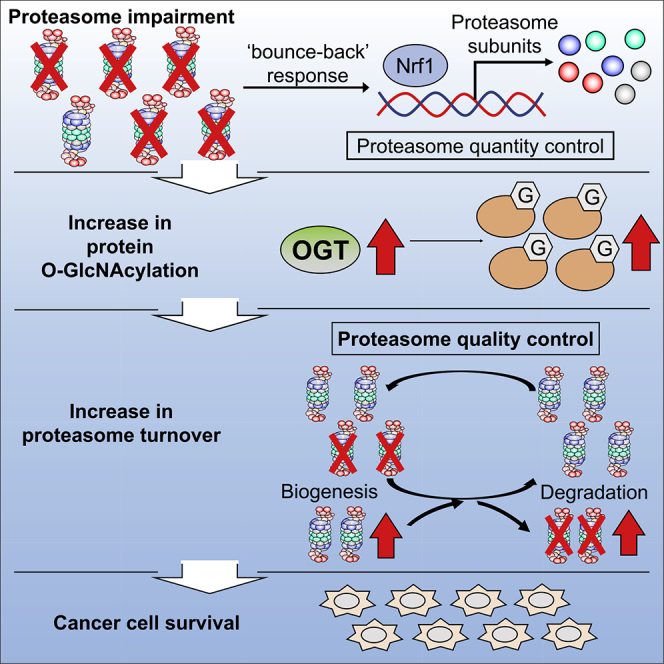
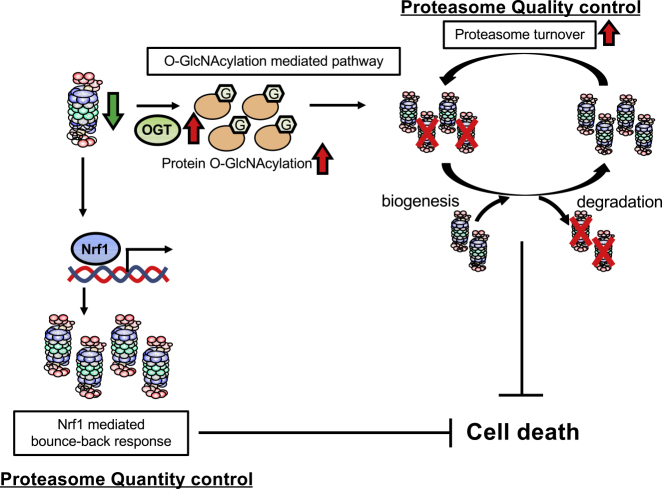
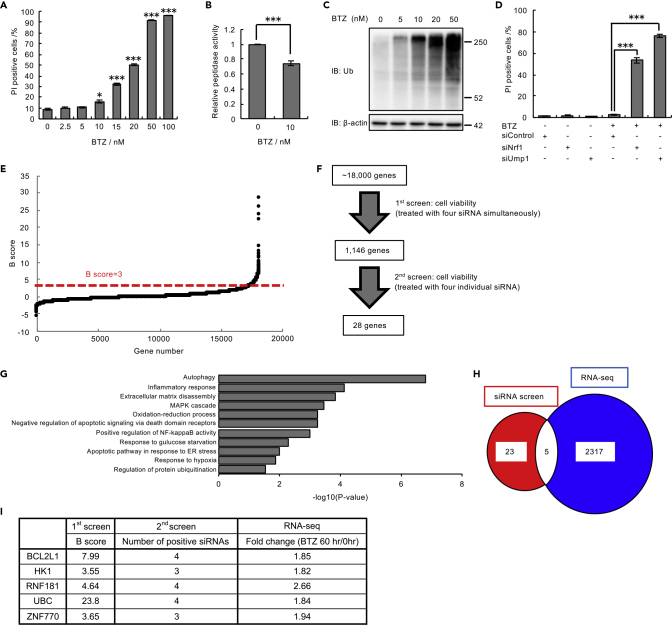
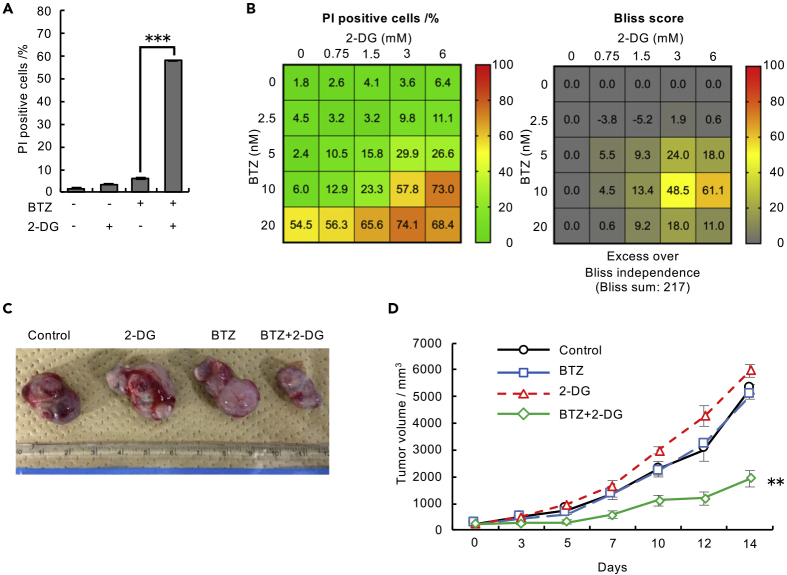
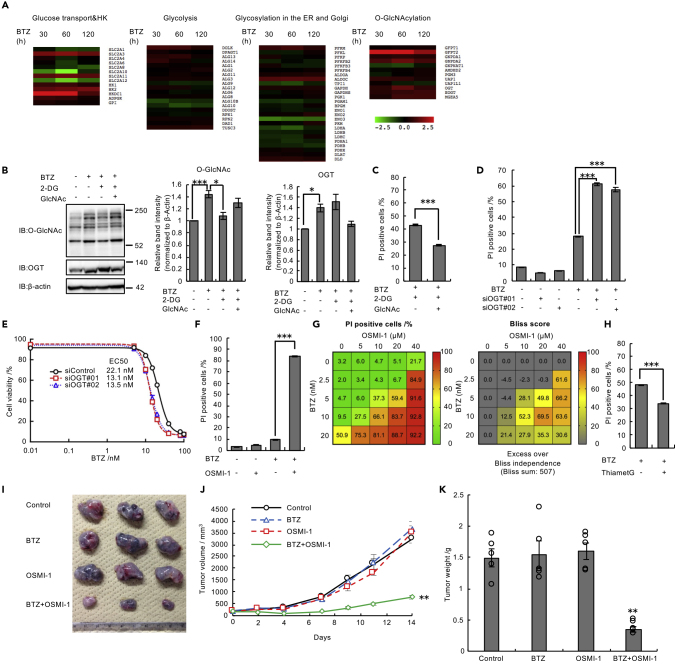
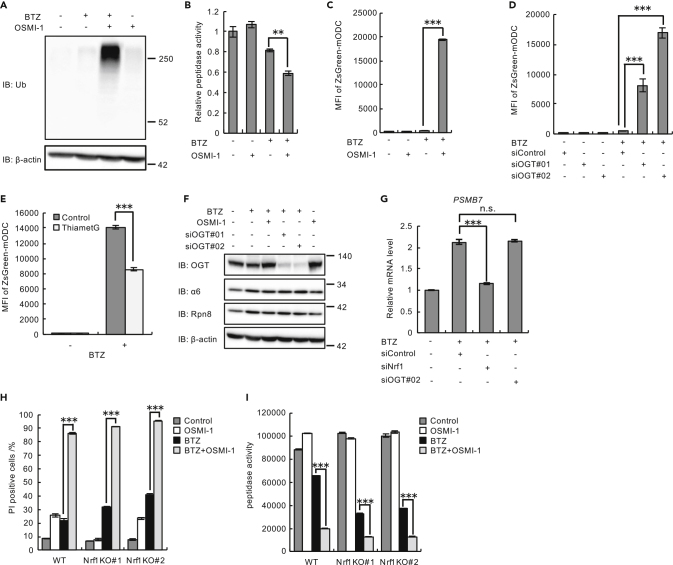
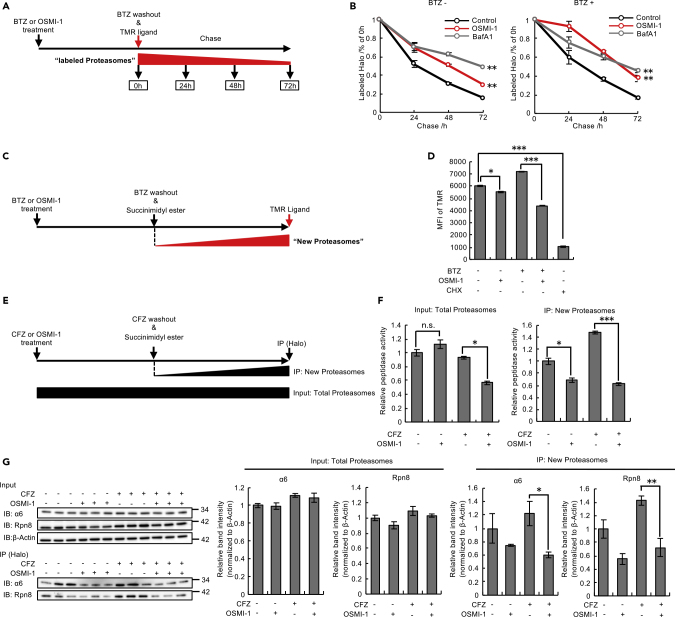
The proteasome is a therapeutic target in cancer, but resistance to proteasome inhibitors often develops owing to the induction of compensatory pathways. Through a genome-wide siRNA screen combined with RNA sequencing analysis, we identified hexokinase and downstream O-GlcNAcylation as cell survival factors under proteasome impairment. The inhibition of O-GlcNAcylation synergistically induced massive cell death in combination with proteasome inhibition. We further demonstrated that O-GlcNAcylation was indispensable for maintaining proteasome activity by enhancing biogenesis as well as proteasome degradation in a manner independent of Nrf1, a well-known compensatory transcription factor that upregulates proteasome gene expression. Our results identify a pathway that maintains proteasome function under proteasome impairment, providing potential targets for cancer therapy.
蛋白酶体是癌症治疗的一个靶点,但由于补偿途径的诱导,对蛋白酶体抑制剂的耐药性常常会出现。通过全基因组siRNA筛选结合RNA测序分析,我们确定己糖激酶和下游的O-连接N-乙酰葡糖胺化是蛋白酶体受损情况下的细胞存活因子。抑制O-连接N-乙酰葡糖胺化与蛋白酶体抑制联合使用时可协同诱导大量细胞死亡。我们进一步证明,O-连接N-乙酰葡糖胺化通过增强生物合成以及蛋白酶体降解,以独立于Nrf1(一种上调蛋白酶体基因表达的著名补偿性转录因子)的方式,对于维持蛋白酶体活性是不可或缺的。我们的研究结果确定了一条在蛋白酶体受损情况下维持蛋白酶体功能的途径,为癌症治疗提供了潜在靶点。