Srinageshwar Bhairavi, Florendo Maria, Clark Brittany, Johnson Kayla, Munro Nikolas, Peruzzaro Sarah, Antcliff Aaron, Andrews Melissa, Figacz Alexander, Swanson Douglas, Dunbar Gary L, Sharma Ajit, Rossignol Julien
College of Medicine, Central Michigan University, Mount Pleasant, MI 48859, USA.
Program in Neuroscience, Central Michigan University, Mount Pleasant, MI 48859, USA.
Pharmaceutics. 2020 Jul 3;12(7):619. doi: 10.3390/pharmaceutics12070619.
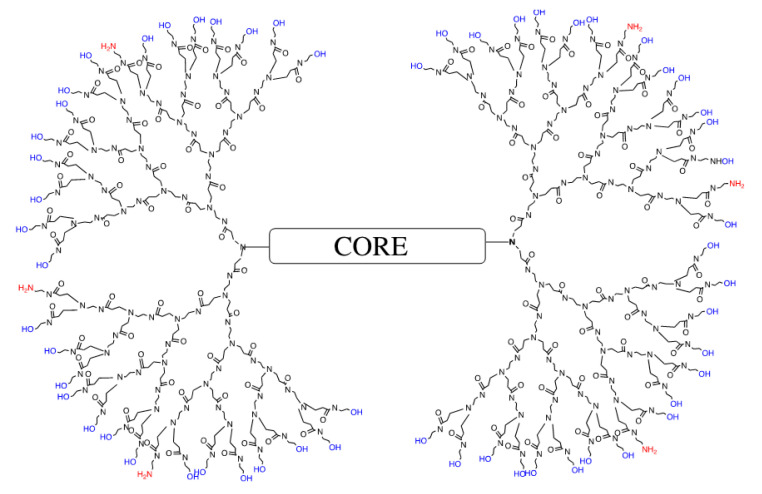
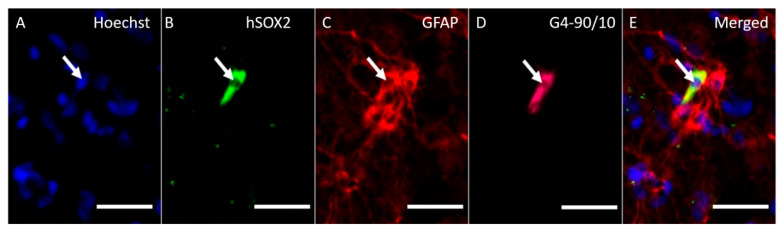
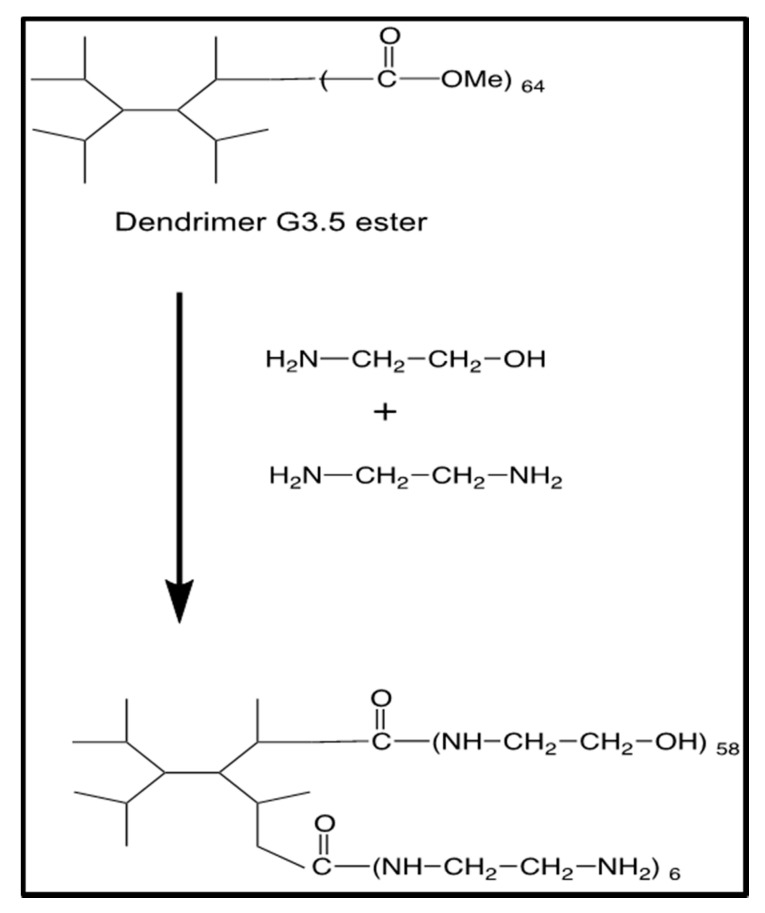
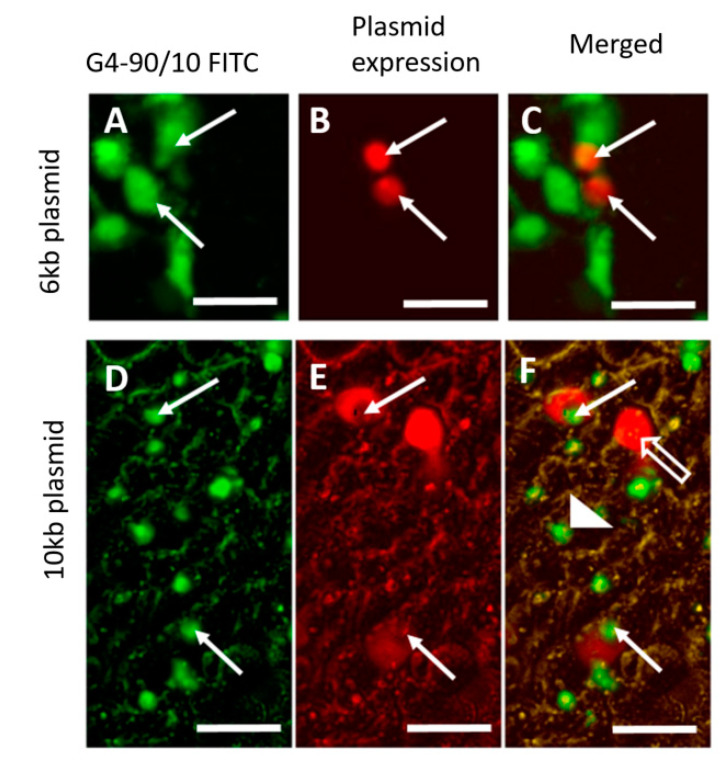
Drug delivery to the brain is highly hindered by the presence of the blood-brain barrier (BBB), which prevents the entry of many potential drugs/biomolecules into the brain. One of the current strategies to achieve gene therapy for neurodegenerative diseases involves direct injection of a viral vector into the brain. There are various disadvantages of viral vectors, including limitations of cargo size and safety concerns. Nanomolecules, such as dendrimers, serve as an excellent alternative to viral delivery. In this study, as proof-of-concept, we used a surface-modified dendrimer complex and delivered large plasmids to cells in vitro and in vivo in healthy rats via intracranial injection. The dendrimers were biodegradable by chemicals found within cells and toxicity assays revealed that the modified dendrimers were much less toxic than unmodified amine-surface dendrimers. As mentioned in our previous publication, these dendrimers with appropriately modified surfaces are safe, can deliver large plasmids to the brain, and can overcome the cargo size limitations associated with viral vectors. The biocompatibility of this dendritic nanomolecule and the ability to finely tune its surface chemistry provides a gene delivery system that could facilitate future in vivo cellular reprograming and other gene therapies.
血脑屏障(BBB)的存在严重阻碍了药物向大脑的递送,它阻止了许多潜在药物/生物分子进入大脑。目前用于神经退行性疾病基因治疗的策略之一是将病毒载体直接注射到大脑中。病毒载体存在各种缺点,包括载量大小的限制和安全问题。纳米分子,如树枝状大分子,是病毒递送的极佳替代品。在本研究中,作为概念验证,我们使用了一种表面修饰的树枝状大分子复合物,并通过颅内注射将大质粒在体外递送至细胞,并在健康大鼠体内进行递送。树枝状大分子可被细胞内发现的化学物质生物降解,毒性试验表明,修饰后的树枝状大分子比未修饰的胺表面树枝状大分子毒性小得多。正如我们之前发表的文章中所述,这些具有适当修饰表面的树枝状大分子是安全的,可以将大质粒递送至大脑,并且可以克服与病毒载体相关的载量大小限制。这种树枝状纳米分子的生物相容性以及精细调节其表面化学的能力提供了一种基因递送系统,该系统可能有助于未来的体内细胞重编程和其他基因治疗。