Department of Molecular Genetics, University of Cincinnati, Cincinnati, Ohio, USA.
Department of Molecular Genetics, University of Cincinnati, Cincinnati, Ohio, USA
mBio. 2020 Jul 7;11(4):e01470-20. doi: 10.1128/mBio.01470-20.
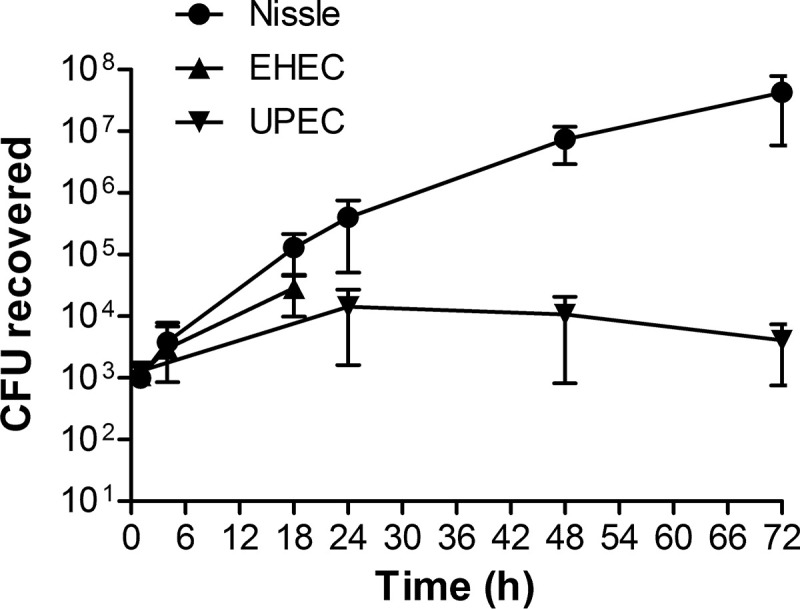
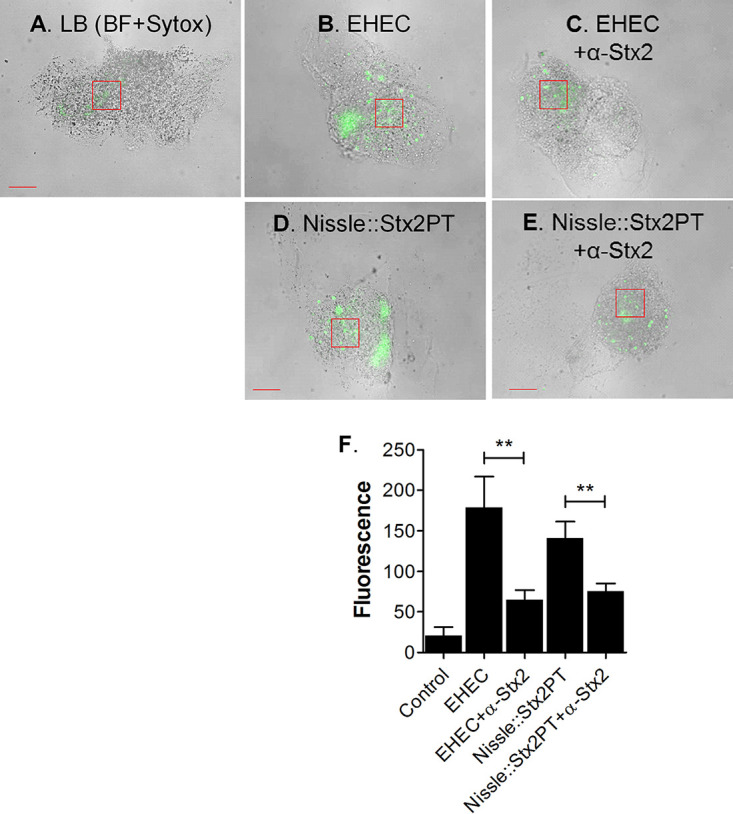
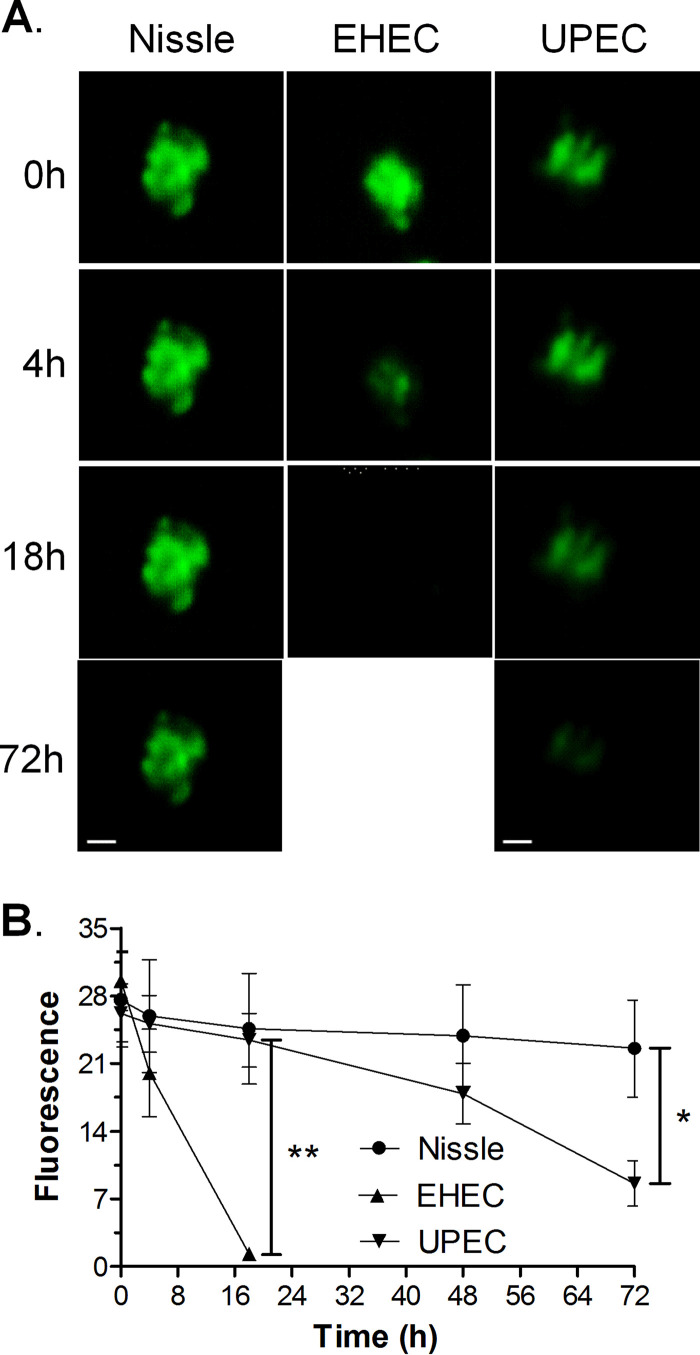
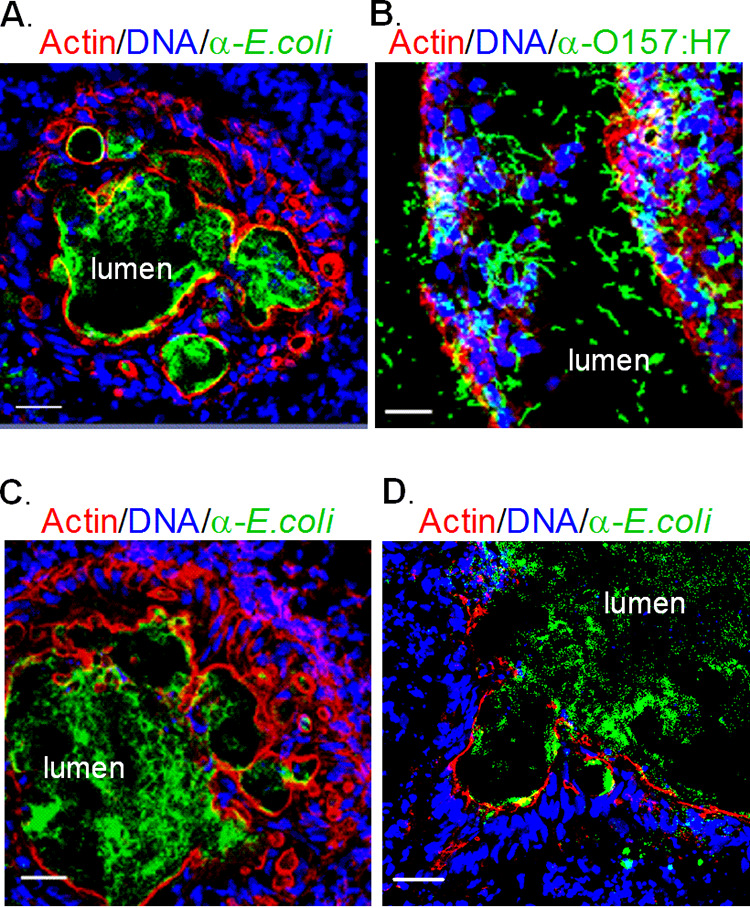
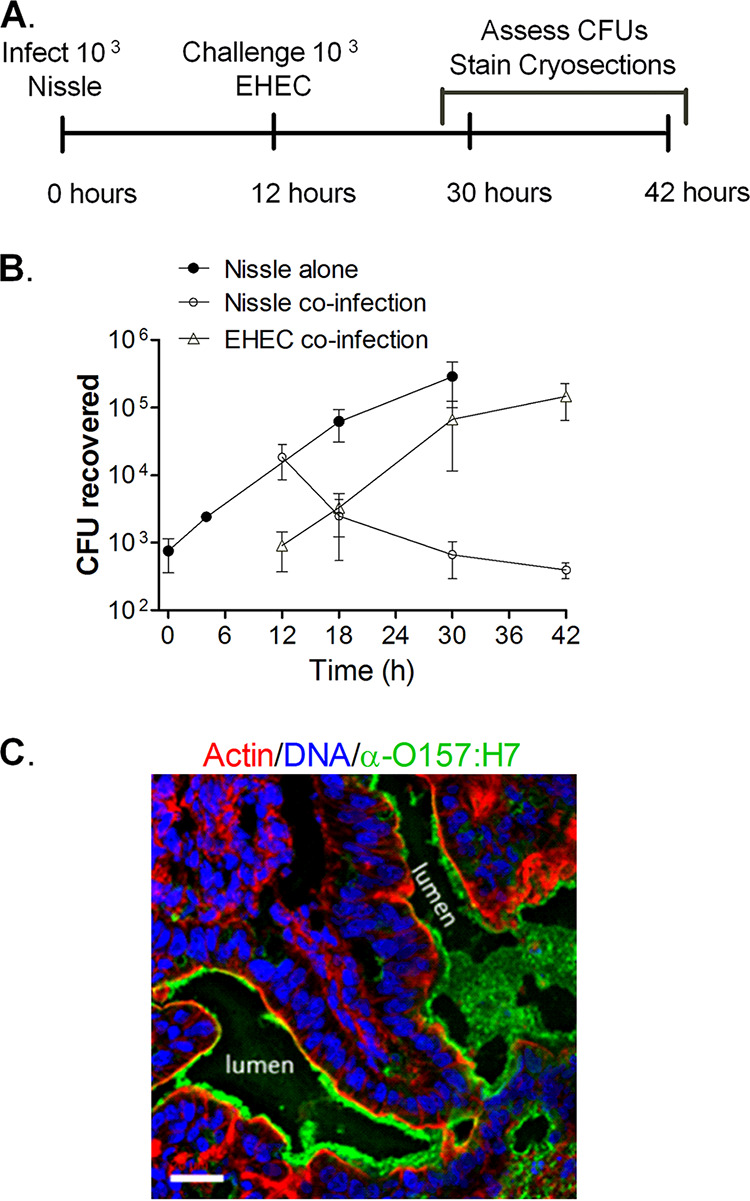
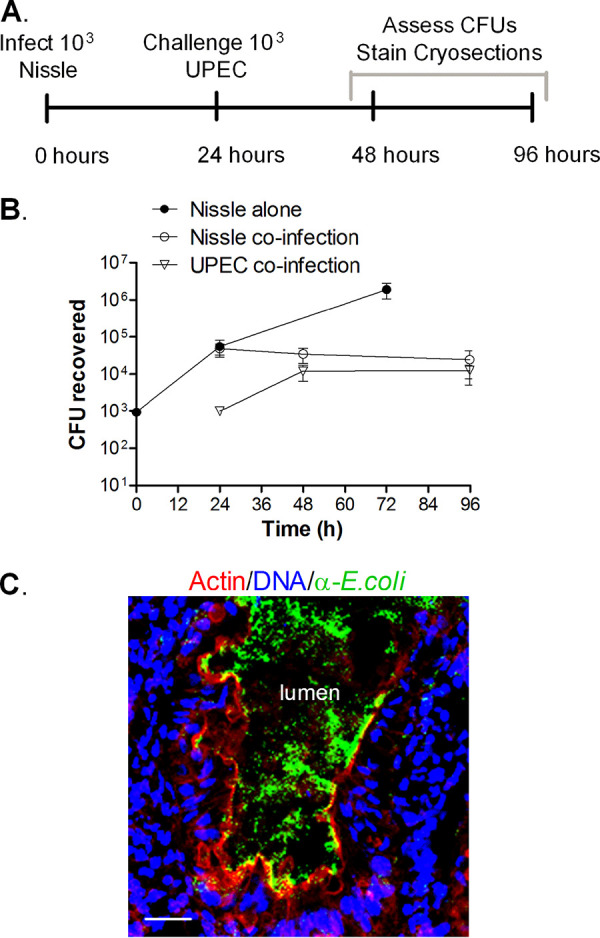
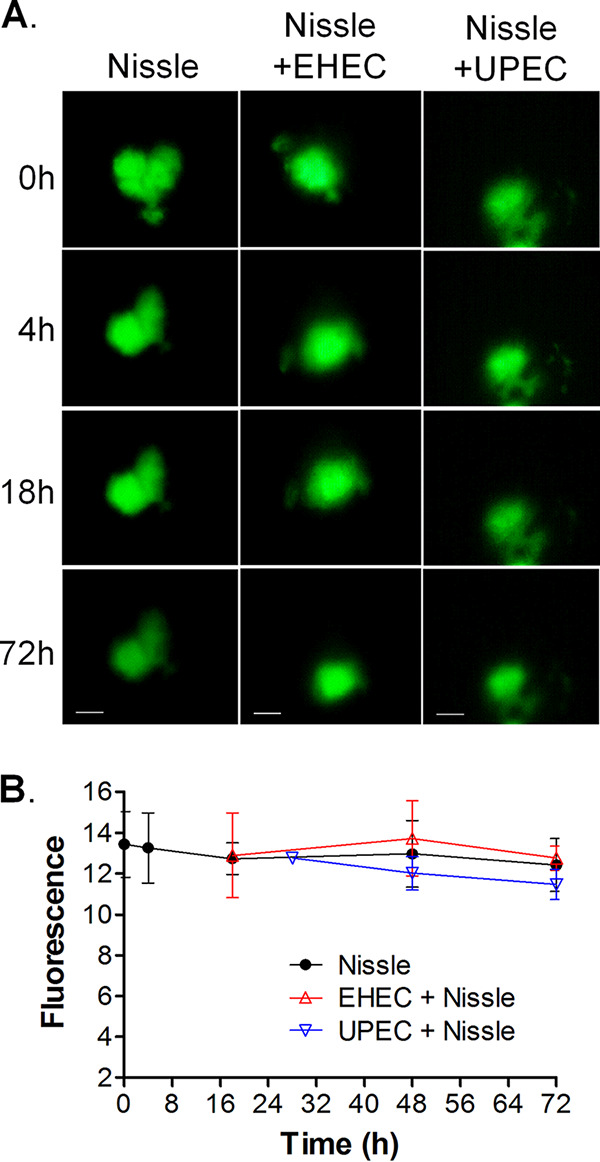
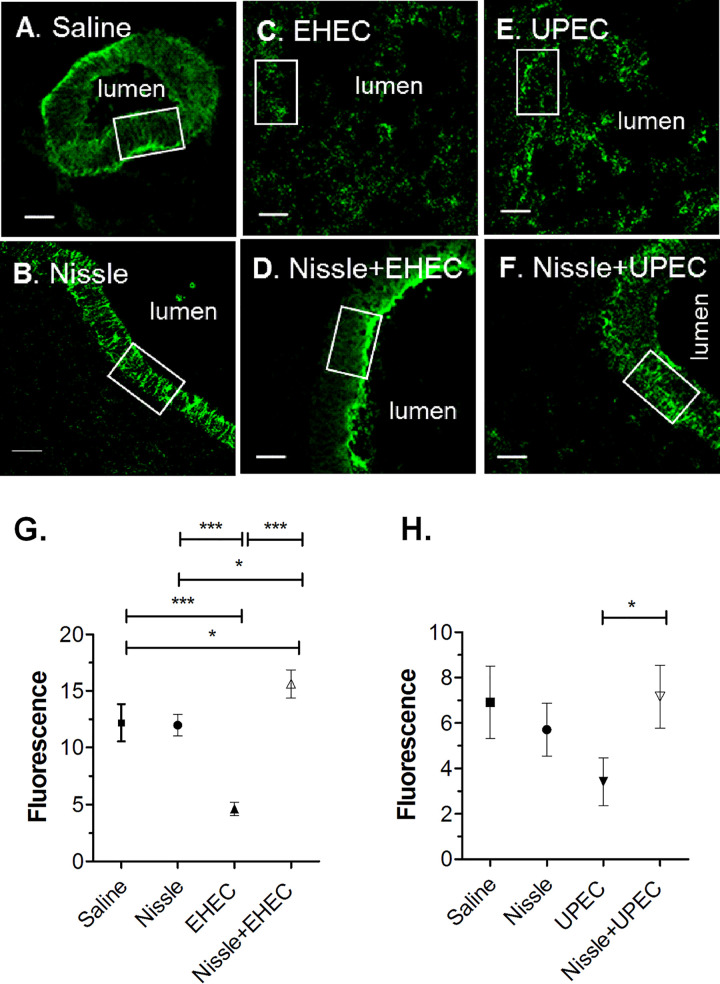
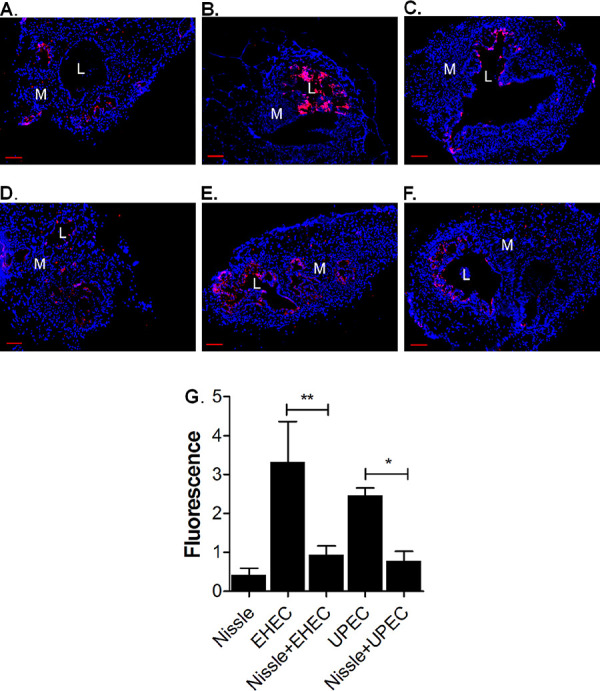
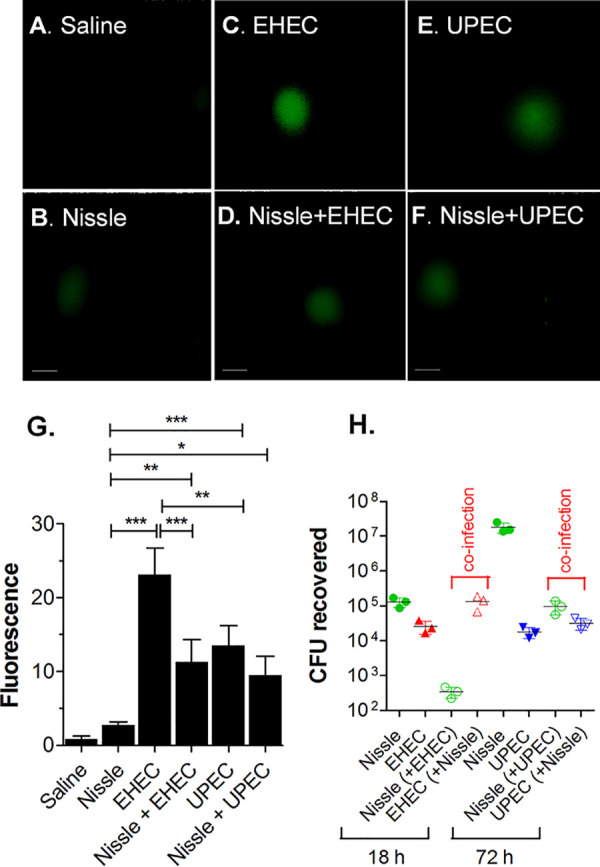
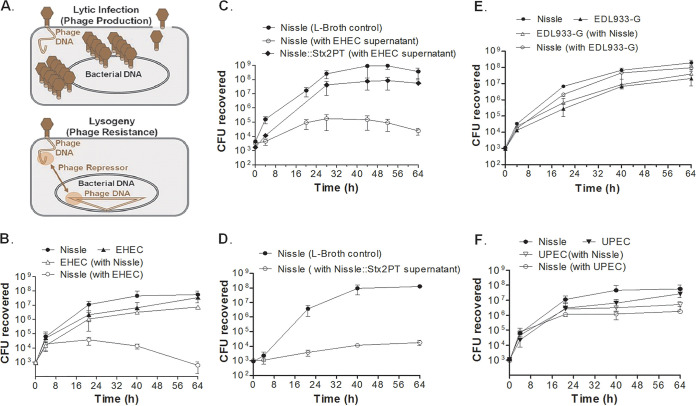
strain Nissle has been used as a probiotic and therapeutic agent for over a century. Reports suggest that Nissle protects mice from enterohemorrhagic (EHEC) O157:H7 strains; however, mice are not very susceptible to O157:H7 and are not accurate models for O157:H7 infection in humans. Also, Nissle is closely related to uropathogenic (UPEC) strain CFT073, suggesting that Nissle could have pathogenic potential. To assess the safety of and protection conferred by Nissle, we modeled infection in stem cell-derived human intestinal organoids (HIOs). HIOs replicate the structure and function of human intestinal tissue. HIOs have a lumen enclosed by a single cell layer of differentiated epithelium, which is surrounded by a diffuse mesenchymal layer. An epithelial barrier which excludes the luminal contents from the surrounding cell layers and medium develops. Nissle appeared to be nonpathogenic; 10 CFU were microinjected into the lumen, and after 3 days, 10 CFU were recovered and the epithelial barrier remained intact. In contrast, microinjected EHEC and UPEC bacteria destroyed the epithelial barrier. To assess the protection conferred by Nissle, HIOs microinjected with Nissle were challenged after 18 to 24 h with EHEC or UPEC. Preincubation with Nissle prevented the loss of the epithelial barrier function, the loss of E-cadherin expression, the increased production of reactive oxygen species, and apoptosis. Nissle did not replicate in the HIO coculture, while the pathogenic strains did replicate, suggesting that Nissle conferred protection via activation of host defenses and not by eliminating competing strains. Nissle was shown to be susceptible to some Shiga toxin phage, and Nissle lysogens could produce Shiga toxin. Probiotic, or beneficial, bacteria, such as Nissle, hold promise for the treatment of human disease. More study is needed to fully realize the potential of probiotics. Safety and efficacy studies are critically important; however, mice are poor models for many human intestinal diseases. We used stem cell-derived human intestinal organoid tissues to evaluate the safety of Nissle and its ability to protect from pathogenic bacteria. Nissle was found to be safe. Human intestinal tissues were not harmed by the Nissle bacteria introduced into the digestive tract. In contrast, pathogenic bacteria destroyed the intestinal tissues, and importantly, Nissle conferred protection from the pathogenic bacteria. Nissle did not kill the pathogenic bacteria, and protection likely occurred via the activation of human defenses. Human intestinal tissues provide a powerful way to study complex host-microbe interactions.
Nissle 菌株作为益生菌和治疗剂已使用了一个多世纪。有报道表明,Nissle 可保护小鼠免受肠出血性(EHEC)O157:H7 菌株的侵害;然而,小鼠对 O157:H7 的敏感性不高,并且不是 O157:H7 感染人类的准确模型。此外,Nissle 与尿路致病性(UPEC)菌株 CFT073 密切相关,这表明 Nissle 可能具有潜在的致病性。为了评估 Nissle 的安全性和保护作用,我们在干细胞衍生的人类肠道类器官(HIO)中模拟了感染。HIO 复制了人类肠道组织的结构和功能。HIO 具有由分化上皮细胞单层包围的腔,其被弥散的间充质层包围。上皮屏障将腔内容物与周围细胞层和培养基隔开。Nissle 似乎没有致病性;将 10 CFU 微注射到腔中,3 天后,回收 10 CFU,上皮屏障保持完整。相比之下,微注射的 EHEC 和 UPEC 细菌破坏了上皮屏障。为了评估 Nissle 赋予的保护作用,将 Nissle 微注射到 HIO 中 18 至 24 小时后,用 EHEC 或 UPEC 对 HIO 进行了挑战。Nissle 的预孵育可防止上皮屏障功能丧失、E-钙粘蛋白表达丧失、活性氧产生增加和细胞凋亡。Nissle 没有在 HIO 共培养物中复制,而致病性菌株则复制,这表明 Nissle 通过激活宿主防御而不是消除竞争菌株来提供保护。Nissle 对某些志贺毒素噬菌体敏感,并且 Nissle 溶原菌可以产生志贺毒素。益生菌或有益细菌,如 Nissle,为治疗人类疾病带来了希望。为了充分发挥益生菌的潜力,还需要更多的研究。安全性和疗效研究至关重要;然而,许多人类肠道疾病小鼠模型效果不佳。我们使用干细胞衍生的人类肠道类器官组织来评估 Nissle 的安全性及其抵抗致病性细菌的能力。发现 Nissle 是安全的。引入消化道的 Nissle 细菌不会损害人类肠道组织。相比之下,致病性细菌破坏了肠道组织,重要的是,Nissle 提供了对致病性细菌的保护。Nissle 没有杀死致病性细菌,而保护可能是通过激活人体防御来实现的。人类肠道组织为研究复杂的宿主-微生物相互作用提供了有力的方法。