Isen Danielle R, Kline Lanning B
Department of Neurology, University of South Alabama School of Medicine, Mobile, AL, USA.
Department of Ophthalmology, University of Alabama School of Medicine, Birmingham, AL, USA.
Eye Brain. 2020 Jun 30;12:49-60. doi: 10.2147/EB.S234078. eCollection 2020.
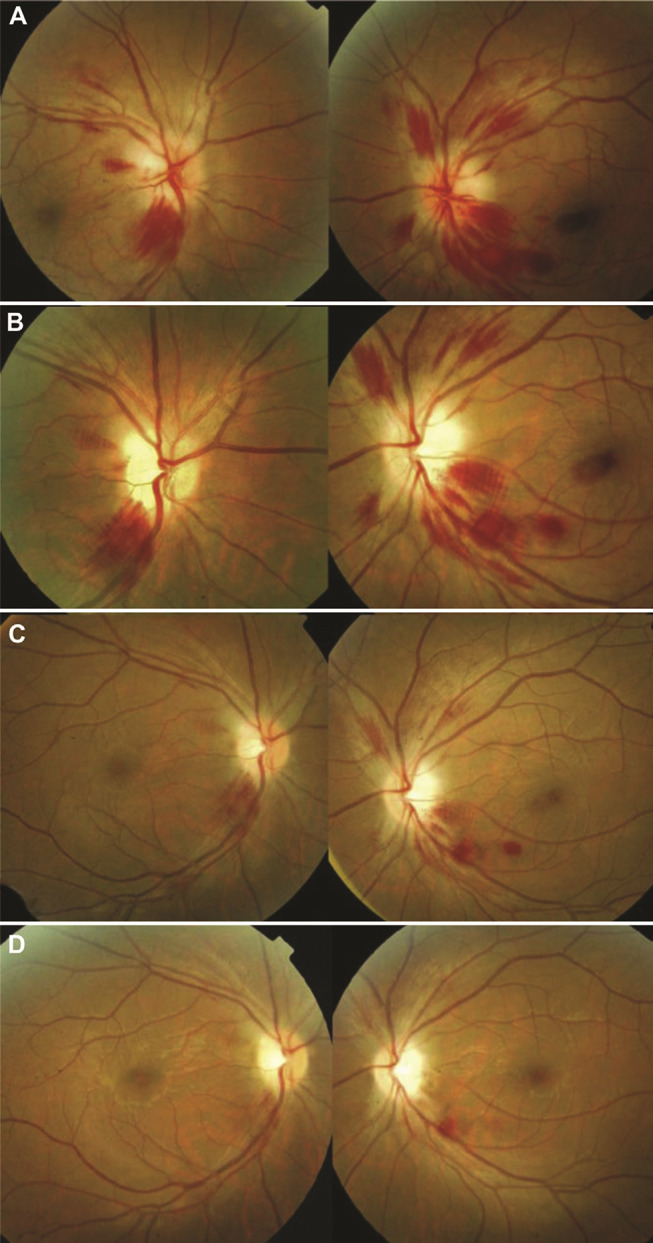
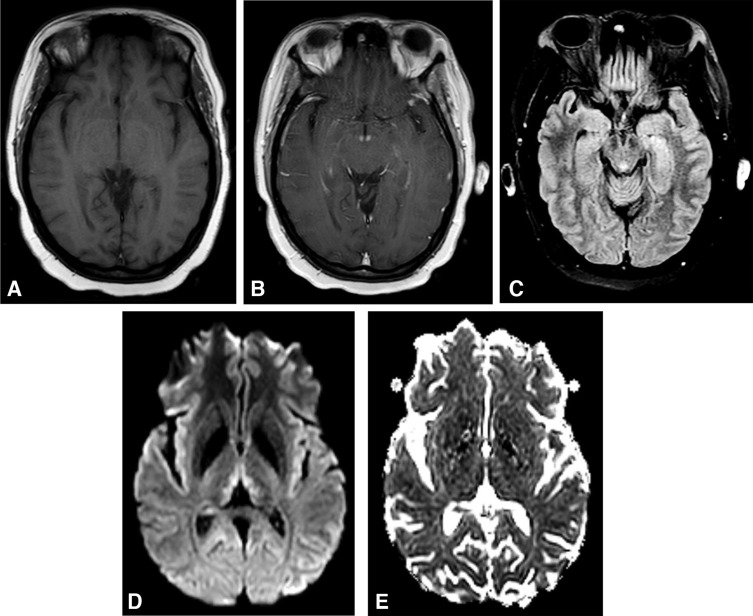
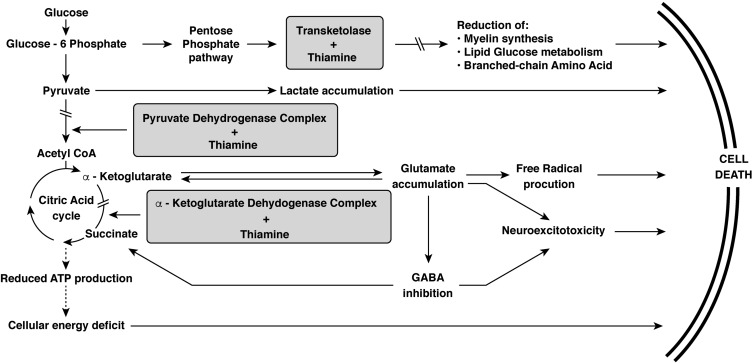
Wernicke encephalopathy (WE) is a life-threatening but reversible syndrome resulting from acute thiamine deficiency that is frequently overlooked and underdiagnosed. It is classically characterized by a triad of ocular dysfunction, ataxia, and altered mental status. However, less than 1/3 patients have the complete triad, so it is crucial to have a high index of suspicion. Awareness of the early signs of WE is essential to prevent clinical progression, as patients with the full triad already have a profoundly thiamine-deficient state. This review highlights the neuro-ophthalmic manifestations of WE to guide the clinician in identifying the condition. In addition, we provide an update regarding the clinical characteristics, pathophysiology, neuroimaging and laboratory findings, treatment options, and prognosis of WE.
韦尼克脑病(WE)是一种由急性硫胺素缺乏引起的危及生命但可逆转的综合征,常被忽视和漏诊。其典型特征为眼功能障碍、共济失调和精神状态改变三联征。然而,不到1/3的患者具备完整的三联征,因此高度怀疑至关重要。了解韦尼克脑病的早期体征对于防止病情进展至关重要,因为出现完整三联征的患者已处于严重硫胺素缺乏状态。本综述重点介绍韦尼克脑病的神经眼科表现,以指导临床医生识别该病症。此外,我们还提供了有关韦尼克脑病的临床特征、病理生理学、神经影像学和实验室检查结果、治疗选择及预后的最新信息。