Department of Immunology, University of Texas Southwestern Medical Center, Dallas, TX 75390, USA.
Department of Immunology, University of Texas Southwestern Medical Center, Dallas, TX 75390, USA; Department of Microbiology, University of Texas Southwestern Medical Center, Dallas, TX 75390, USA.
Immunity. 2020 Jul 14;53(1):115-126.e5. doi: 10.1016/j.immuni.2020.06.009. Epub 2020 Jul 7.
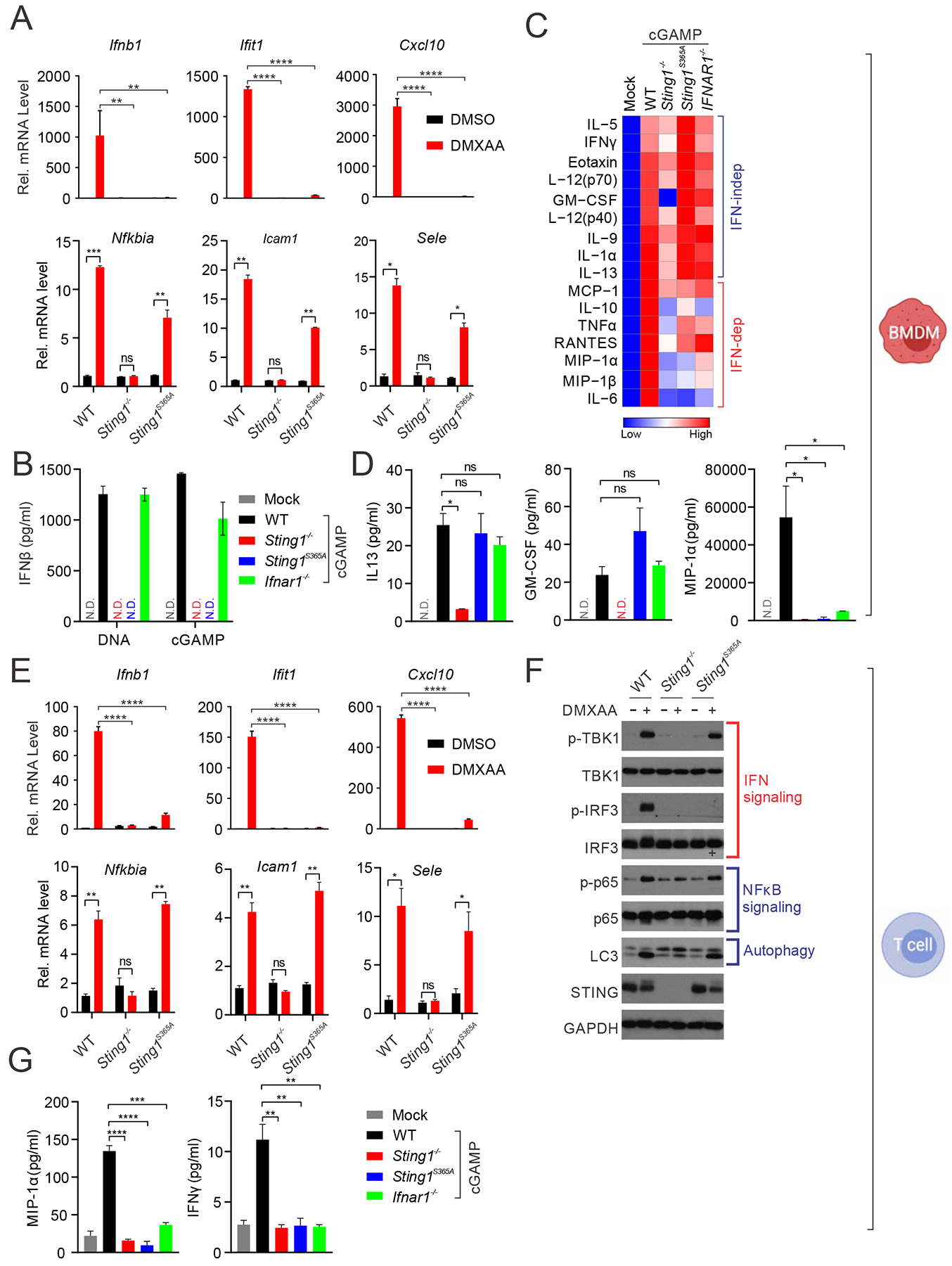
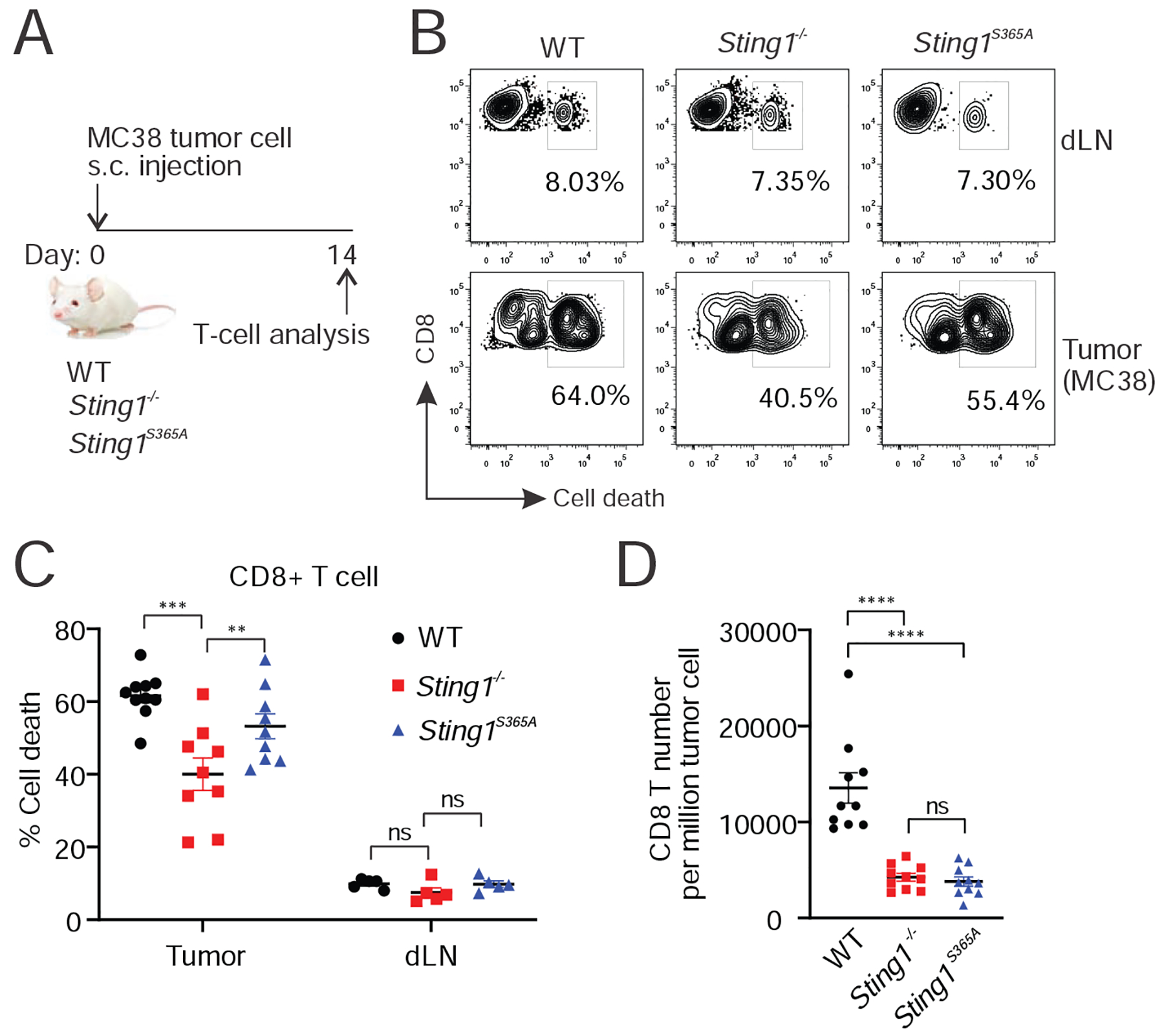
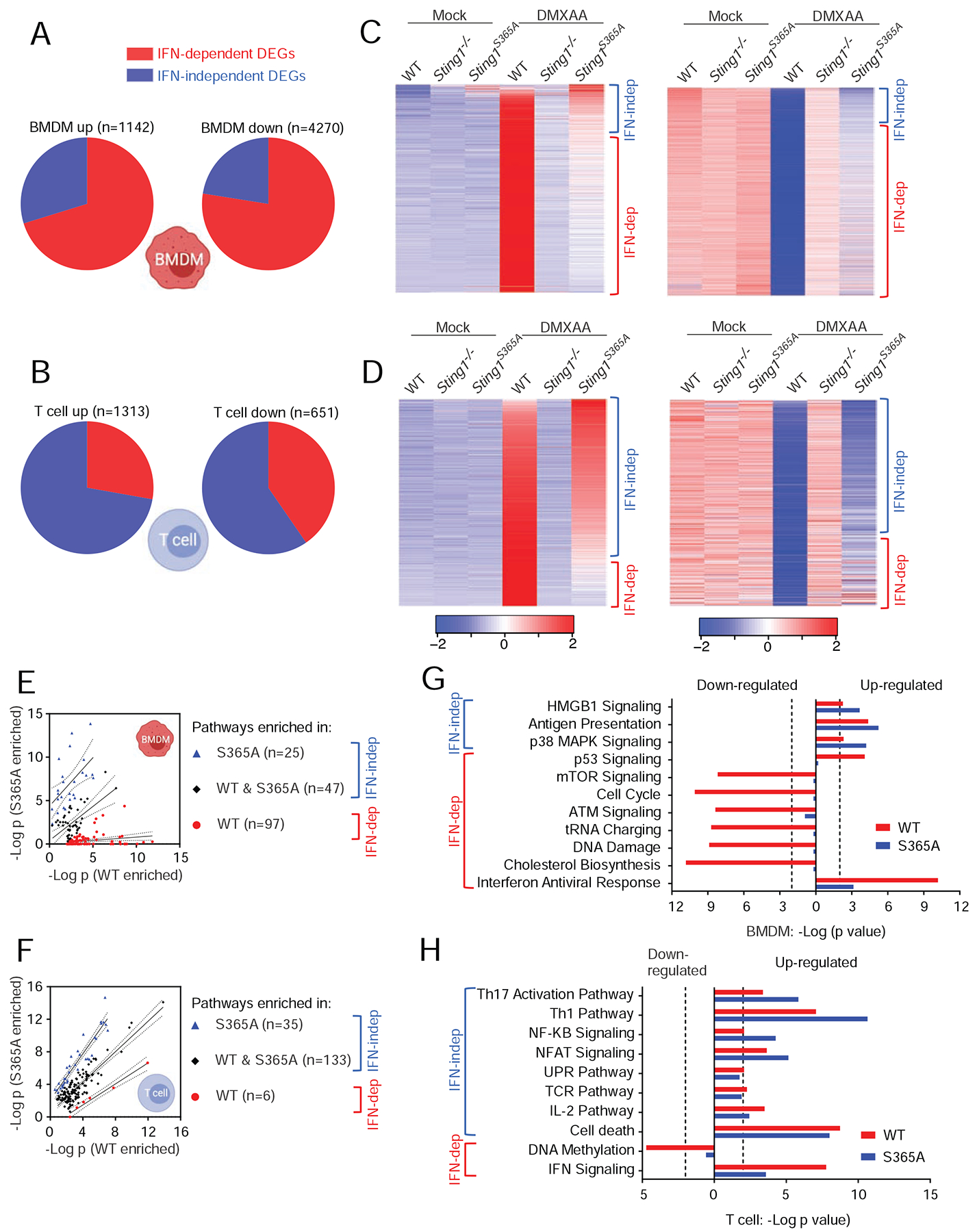
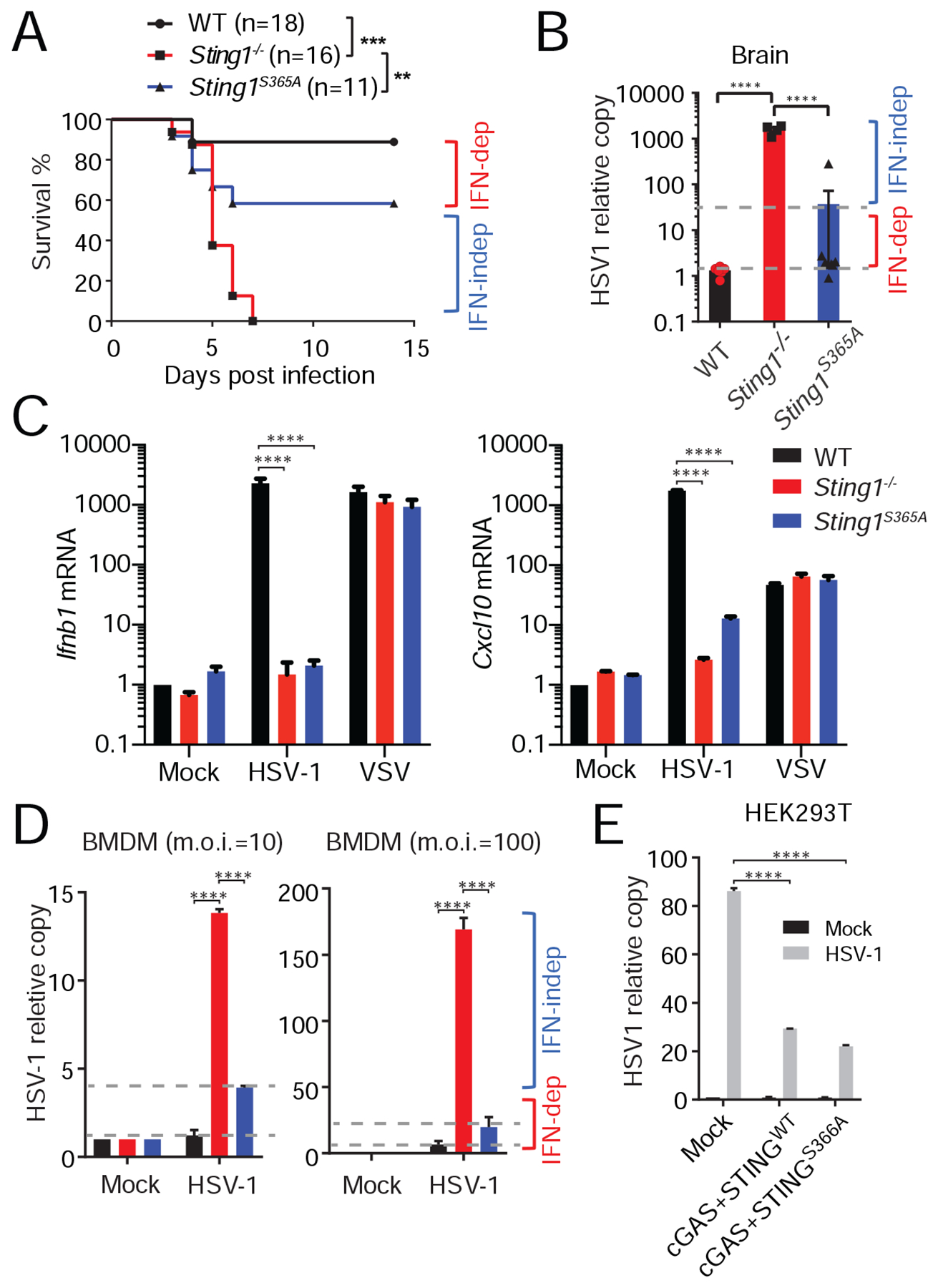
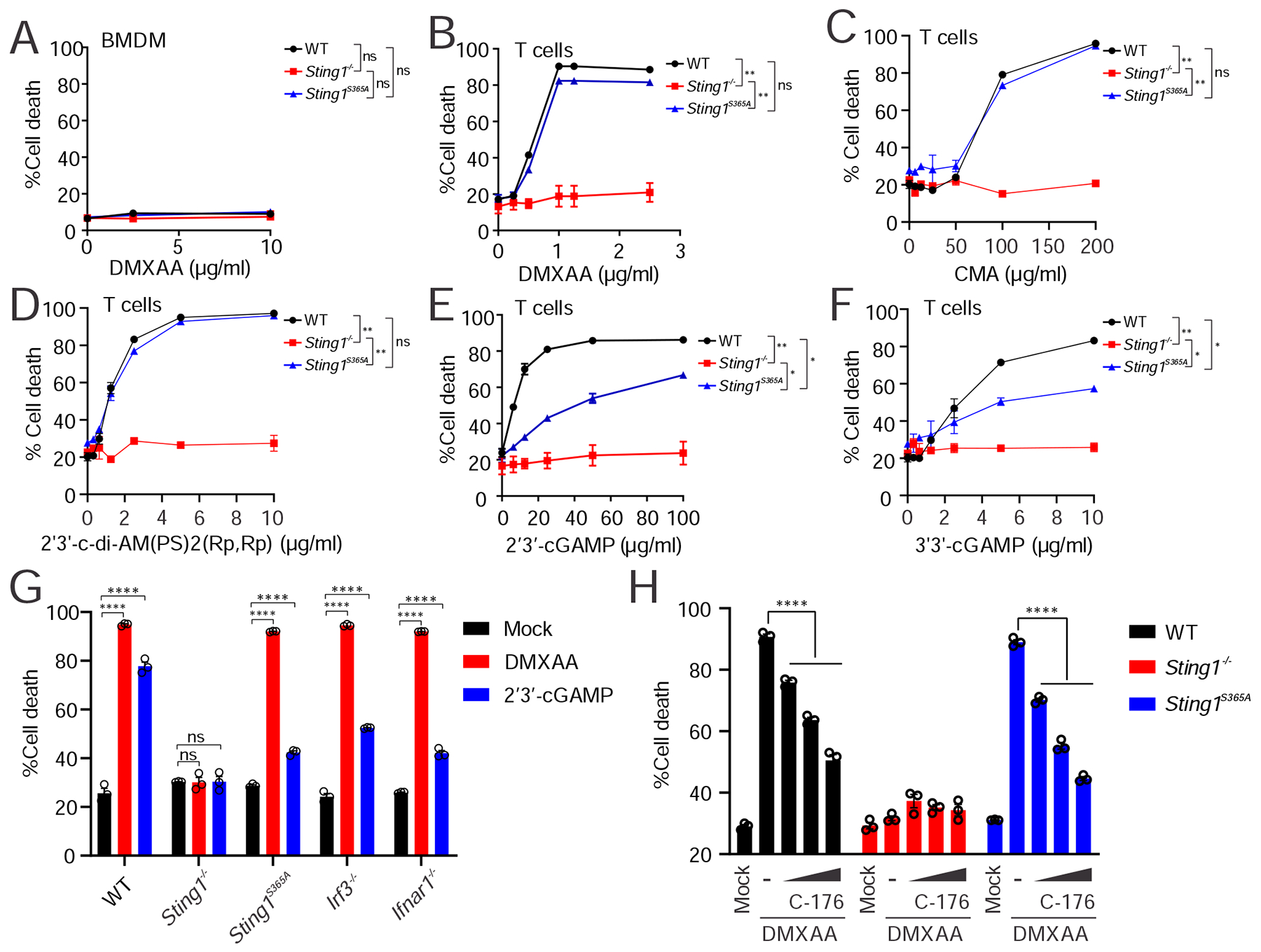
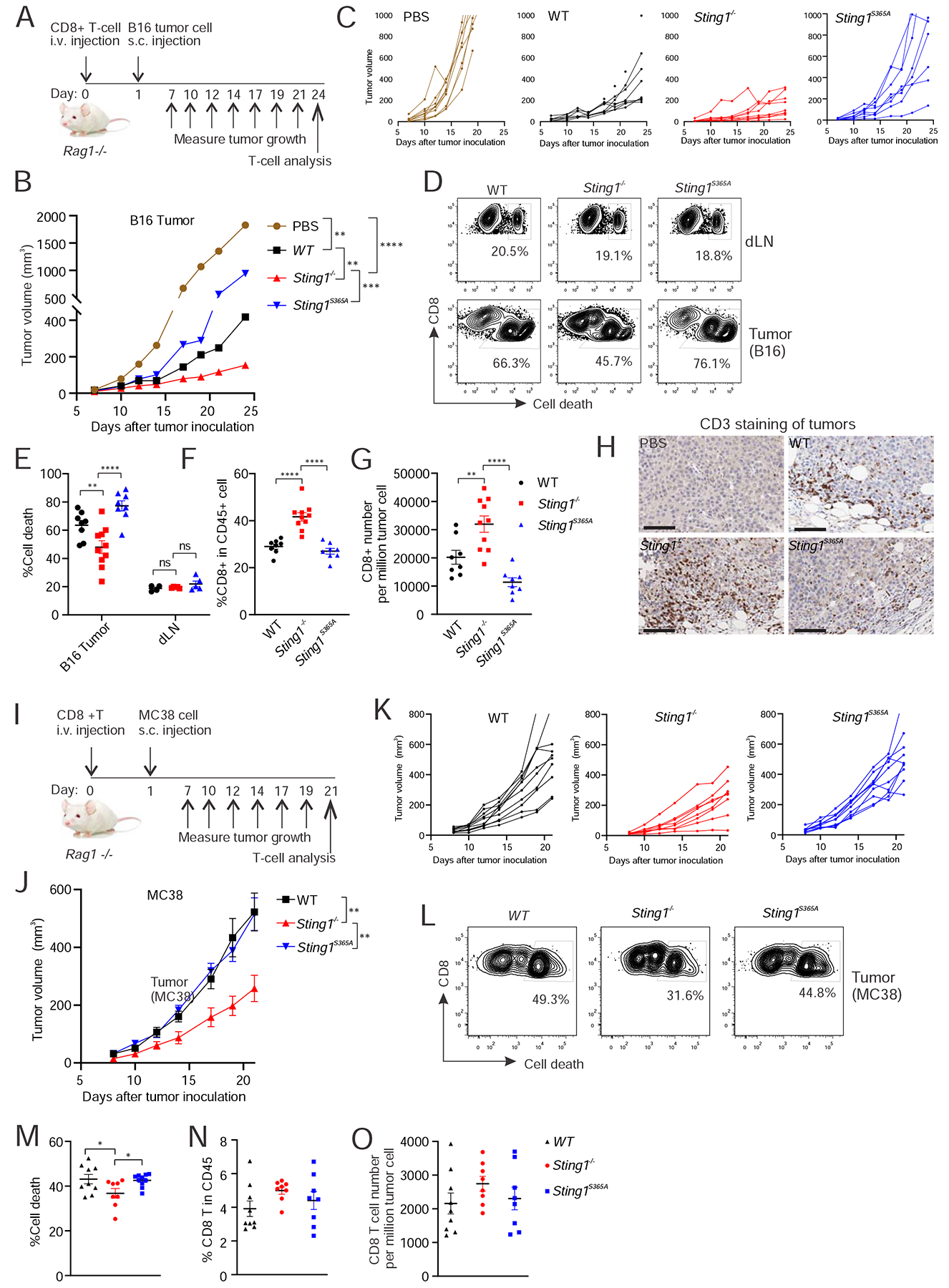
Type I interferon (IFN) response is commonly recognized as the main signaling activity of STING. Here, we generate the Sting1 mutant mouse that precisely ablates IFN-dependent activities while preserving IFN-independent activities of STING. Sting mice protect against HSV-1 infection, despite lacking the STING-mediated IFN response. This challenges the prevailing view and suggests that STING controls HSV-1 infection through IFN-independent activities. Transcriptomic analysis reveals widespread IFN-independent activities of STING in macrophages and T cells, and STING activities in T cells are predominantly IFN independent. In mouse tumor models, T cells in the tumor experience substantial cell death that is in part mediated by IFN-independent activities of STING. We found that the tumor induces STING-mediated cell death in T cells to evade immune control. Our data demonstrate that mammalian STING possesses widespread IFN-independent activities that are important for restricting HSV-1 infection, tumor immune evasion and likely also adaptive immunity.
I 型干扰素 (IFN) 反应通常被认为是 STING 的主要信号活动。在这里,我们生成了 Sting1 突变小鼠,该小鼠可精确消除 IFN 依赖性活性,同时保留 STING 的 IFN 非依赖性活性。Sting 小鼠可预防 HSV-1 感染,尽管缺乏 STING 介导的 IFN 反应。这对流行观点提出了挑战,并表明 STING 通过 IFN 非依赖性活性控制 HSV-1 感染。转录组分析揭示了 STING 在巨噬细胞和 T 细胞中广泛的 IFN 非依赖性活性,并且 T 细胞中的 STING 活性主要是非 IFN 依赖性的。在小鼠肿瘤模型中,肿瘤中的 T 细胞经历了大量的细胞死亡,其中部分是由 STING 的 IFN 非依赖性活性介导的。我们发现肿瘤诱导 T 细胞中的 STING 介导的细胞死亡以逃避免疫控制。我们的数据表明,哺乳动物 STING 具有广泛的 IFN 非依赖性活性,对于限制 HSV-1 感染、肿瘤免疫逃逸以及可能还有适应性免疫至关重要。