Roche Pharma Research and Early Development, Therapeutic Modalities, Roche Innovation Center Basel, F. Hoffmann-La Roche Ltd., Grenzacherstrasse 124, 4070 Basel, Switzerland.
Roche Pharma Research and Early Development, Pharmaceutical Sciences, Roche Innovation Center Basel, F. Hoffmann-La Roche Ltd., Grenzacherstrasse 124, 4070 Basel, Switzerland.
Int J Mol Sci. 2020 Jul 7;21(13):4808. doi: 10.3390/ijms21134808.
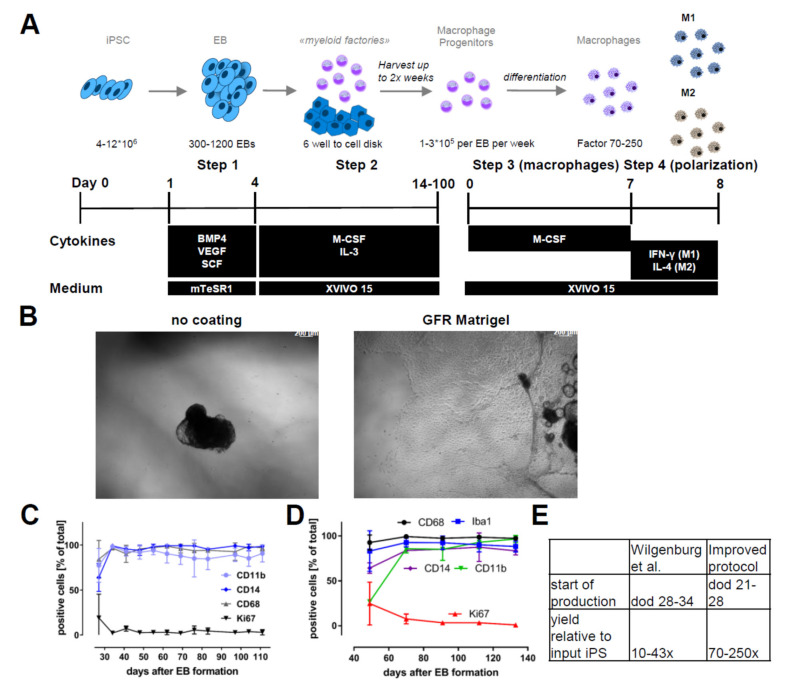
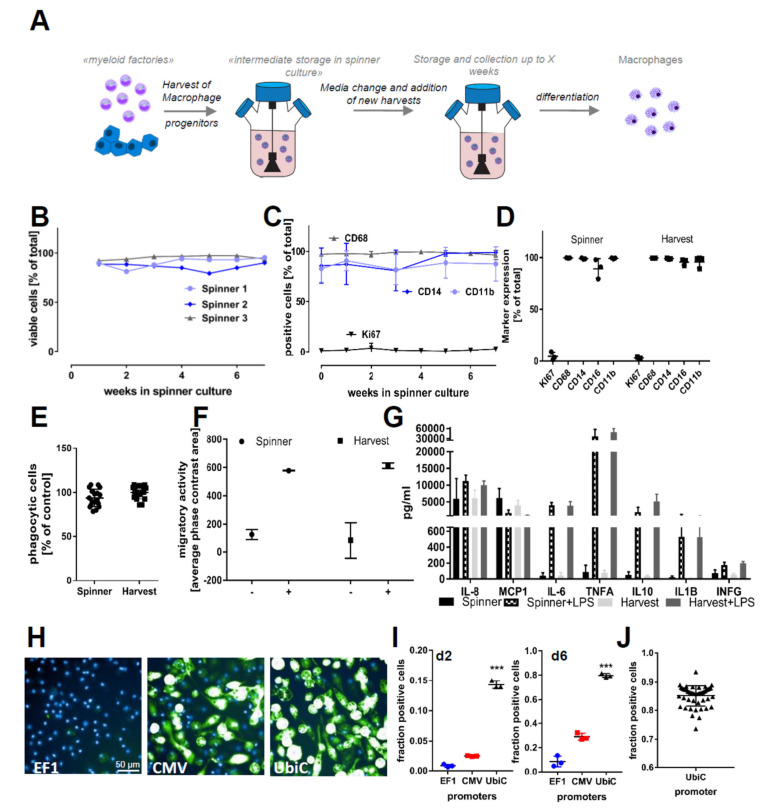
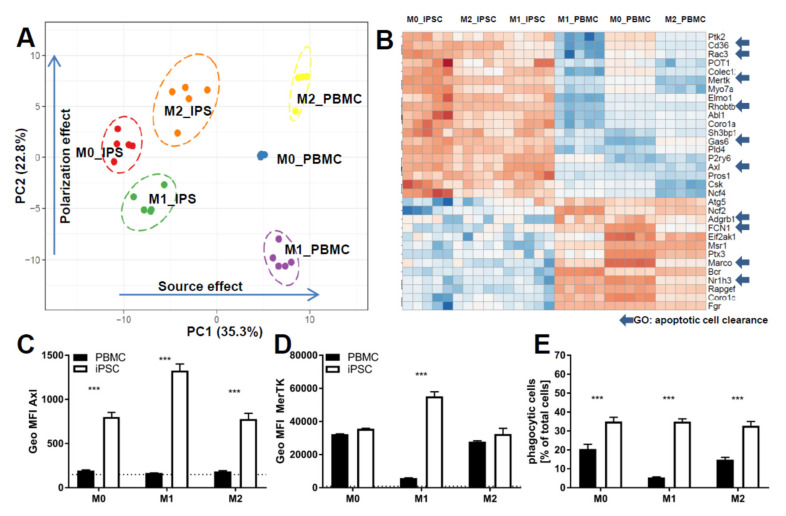
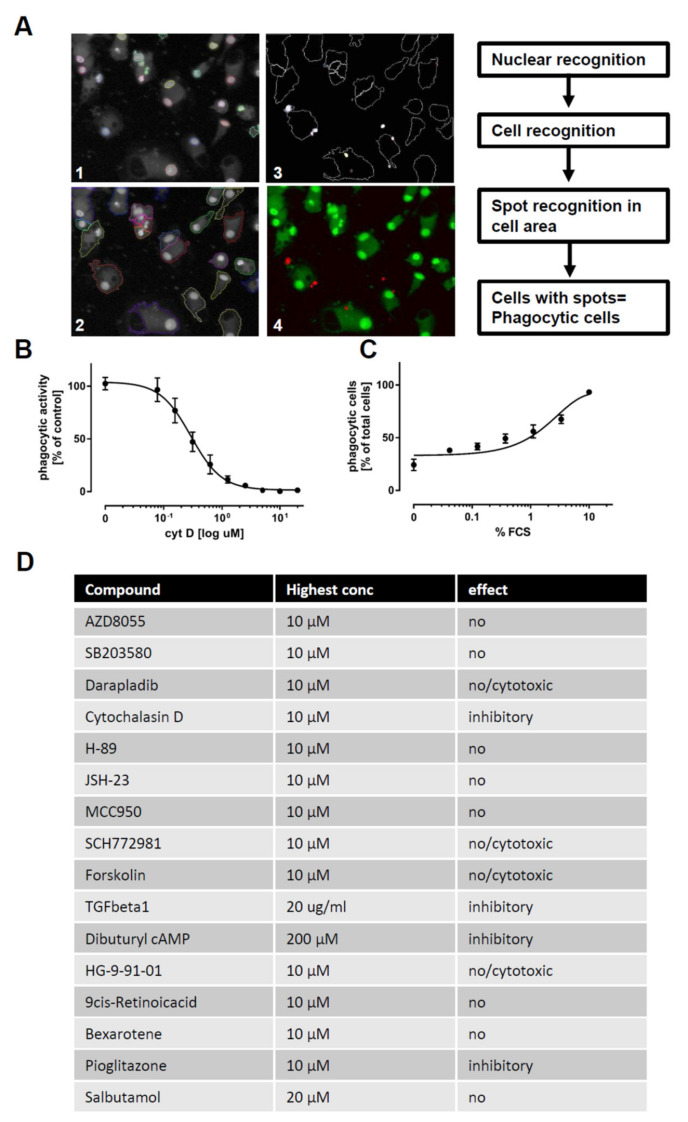
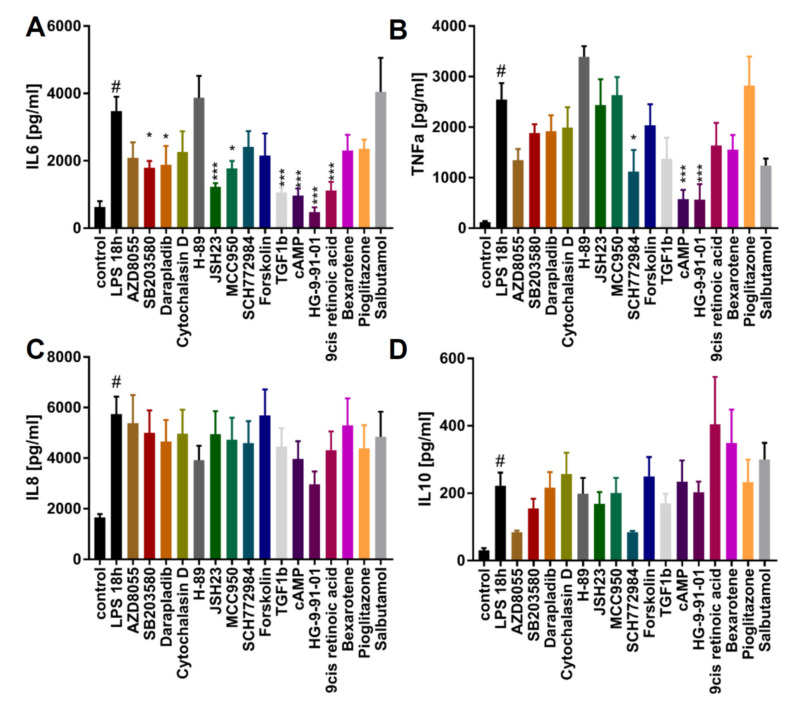
Tissue-resident macrophages are key players in inflammatory processes, and their activation and functionality are crucial in health and disease. Numerous diseases are associated with alterations in homeostasis or dysregulation of the innate immune system, including allergic reactions, autoimmune diseases, and cancer. Macrophages are a prime target for drug discovery due to their major regulatory role in health and disease. Currently, the main sources of macrophages used for therapeutic compound screening are primary cells isolated from blood or tissue or immortalized or neoplastic cell lines (e.g., THP-1). Here, we describe an improved method to employ induced pluripotent stem cells (iPSCs) for the high-yield, large-scale production of cells resembling tissue-resident macrophages. For this, iPSC-derived macrophage-like cells are thoroughly characterized to confirm their cell identity and thus their suitability for drug screening purposes. These iPSC-derived macrophages show strong cellular identity with primary macrophages and recapitulate key functional characteristics, including cytokine release, phagocytosis, and chemotaxis. Furthermore, we demonstrate that genetic modifications can be readily introduced at the macrophage-like progenitor stage in order to interrogate drug target-relevant pathways. In summary, this novel method overcomes previous shortcomings with primary and leukemic cells and facilitates large-scale production of genetically modified iPSC-derived macrophages for drug screening applications.
组织驻留巨噬细胞是炎症过程中的关键参与者,其激活和功能在健康和疾病中至关重要。许多疾病都与内稳态的改变或先天免疫系统的失调有关,包括过敏反应、自身免疫性疾病和癌症。由于巨噬细胞在健康和疾病中具有主要的调节作用,因此它们是药物发现的主要目标。目前,用于治疗化合物筛选的巨噬细胞的主要来源是从血液或组织中分离的原代细胞或永生化或肿瘤细胞系(例如 THP-1)。在这里,我们描述了一种改进的方法,可利用诱导多能干细胞(iPSC)大量、大规模地产生类似于组织驻留巨噬细胞的细胞。为此,我们对 iPSC 衍生的类巨噬细胞进行了彻底的表征,以确认其细胞身份,从而确保其适合用于药物筛选目的。这些 iPSC 衍生的巨噬细胞表现出与原代巨噬细胞强烈的细胞同一性,并再现了关键的功能特征,包括细胞因子释放、吞噬作用和趋化性。此外,我们证明可以在类巨噬细胞祖细胞阶段轻松引入遗传修饰,以研究与药物靶点相关的途径。总之,这种新方法克服了原代细胞和白血病细胞的先前缺点,并促进了大规模生产用于药物筛选应用的遗传修饰的 iPSC 衍生巨噬细胞。