Wang Jiyu, Zheng Kai, Cui Na, Cheng Xin, Ren Kai, Hou Pengkun, Feng Lichao, Zhou Zonghui, Xie Ning
Shandong Provincial Key Laboratory of Preparation and Measurement of Building Materials, School of Materials Science and Engineering, University of Jinan, Jinan 250022, Shandong, China.
School of Civil Engineering and Architecture, University of Jinan, Jinan 250022, Shandong, China,.
Materials (Basel). 2020 Jul 7;13(13):3041. doi: 10.3390/ma13133041.
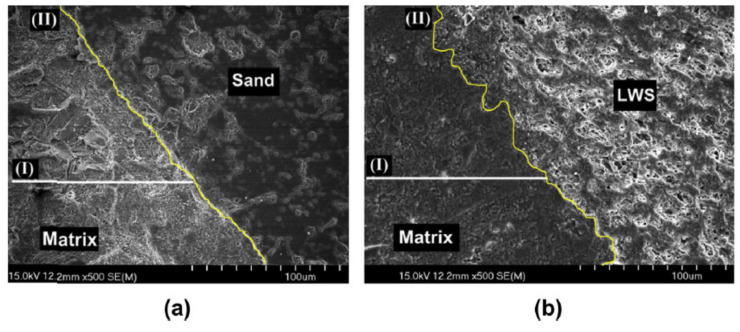
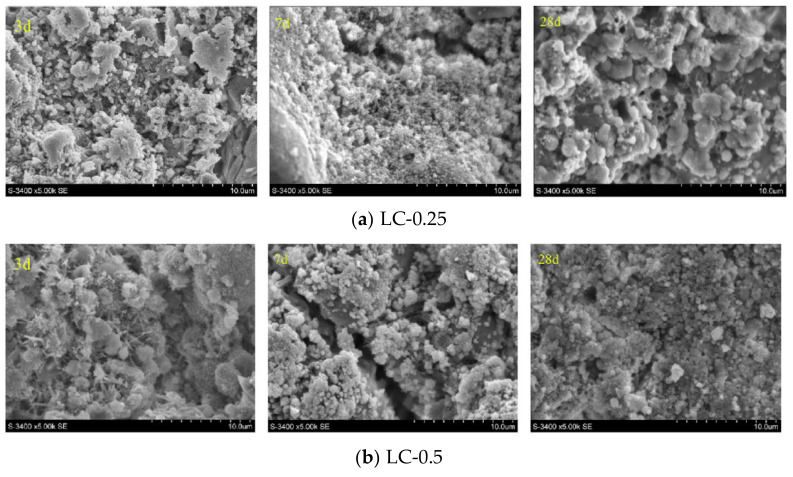
Lightweight aggregate concrete manufactured by solid waste or recycled by-products is a burgeoning topic in construction and building materials. It has significant merits in mitigating the negative impact on the environment during the manufacturing of Portland cement and reduces the consumption of natural resources. In this review article, the agricultural and industrial wastes and by-products, which were used as cementitious materials and artificial lightweight aggregate concrete, are summarized. Besides, the mechanical properties, durability, and a few advanced microstructure characterization methods were reviewed as well. This review also provides a look to the future research trends that may help address the challenges or further enhance the environmental benefits of lightweight aggregate concrete manufactured with solid waste and recycled by-products.
由固体废物或回收副产品制造的轻集料混凝土是建筑和建筑材料领域中一个新兴的话题。它在减轻波特兰水泥生产过程中对环境的负面影响以及减少自然资源消耗方面具有显著优点。在这篇综述文章中,总结了用作胶凝材料和人造轻集料混凝土的农业和工业废物及副产品。此外,还综述了其力学性能、耐久性以及一些先进的微观结构表征方法。本综述还展望了未来的研究趋势,这可能有助于应对挑战或进一步提高用固体废物和回收副产品制造的轻集料混凝土的环境效益。