West of Scotland Heart and Lung Centre Golden Jubilee National Hospital Glasgow Scotland.
British Heart Foundation Glasgow Cardiovascular Research Centre Institute of Cardiovascular and Medical Sciences University of Glasgow United Kingdom.
J Am Heart Assoc. 2020 Jul 21;9(14):e015361. doi: 10.1161/JAHA.119.015361. Epub 2020 Jul 9.
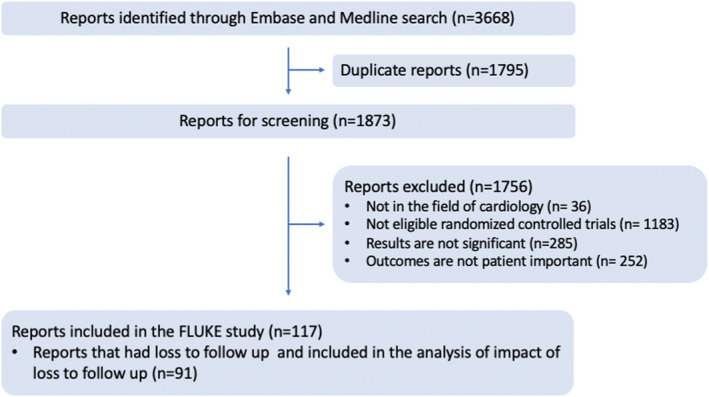
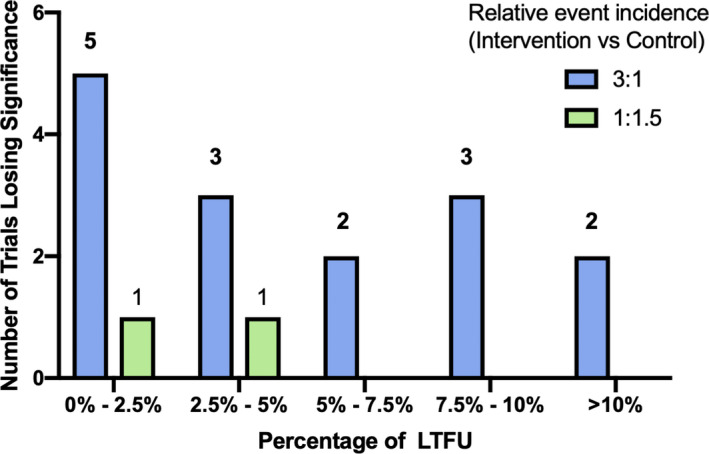
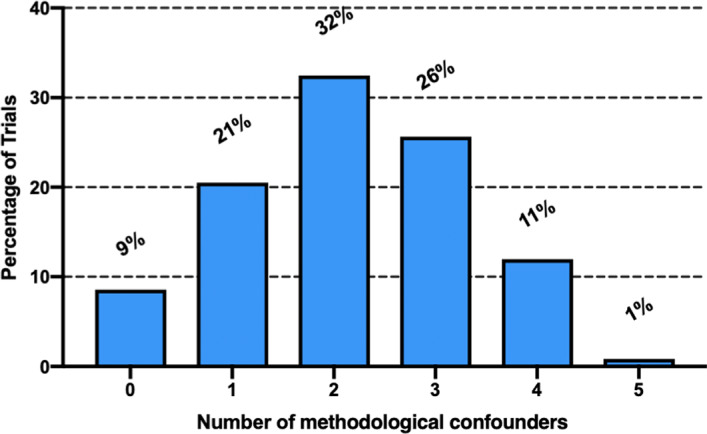
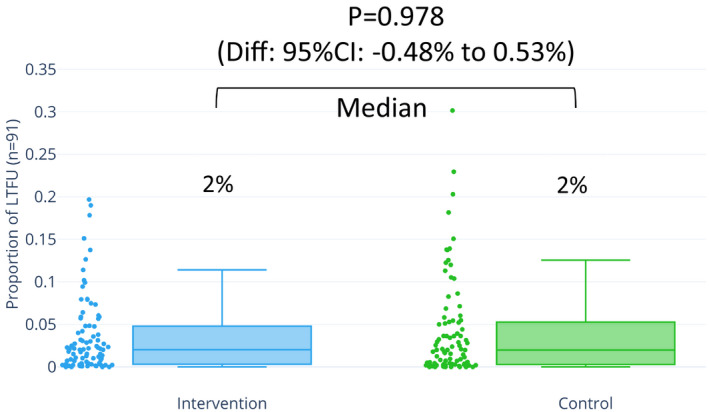
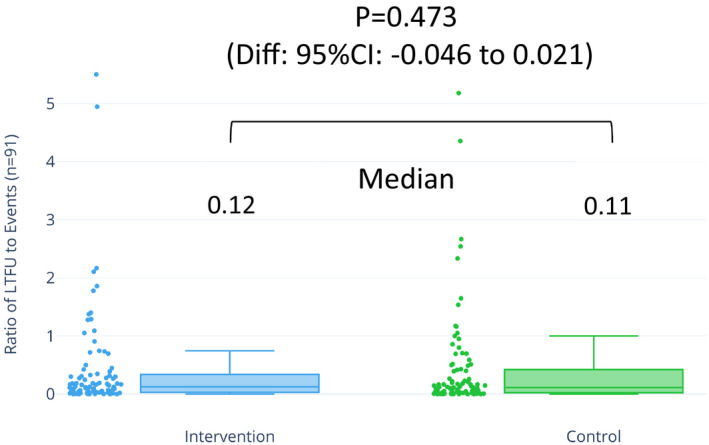
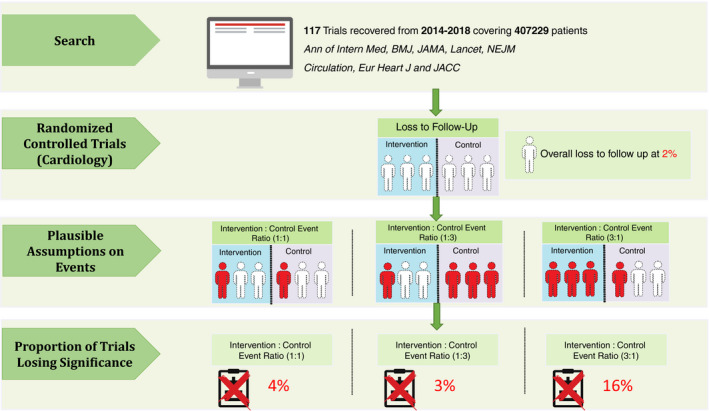
Background Loss to follow-up (LTFU) is common in randomized controlled trials. However, its potential impact on primary outcomes from cardiovascular randomized controlled trials is not known. Methods and Results We conducted a prospective systematic review (PROSPERO: CRD42019121959) for randomized controlled trials published in 8 leading journals over 5 years from January 2014 to December 2018. Extent, reporting, and handling of LTFU data were recorded, and the proportion of a trial's primary outcome results that lose statistical significance was calculated after making plausible assumptions for the intervention and control arms. These assumptions could drive differential treatment effects between the groups considering relative event incidence between LTFU participants and those included in the primary outcome. We identified 117 randomized controlled trials of which 91 (78%) trials reported LTFU, 23 (20%) reported no LTFU, and 3 (3%) trials did not report on whether LTFU occurred. The median percentage of study participants lost to follow-up was 2% (interquartile range, 0.33%-5.3%). Only 10 trials (9%) had a low cluster of risk factors for impairment in trial quality. The percentage of trials losing statistical significance varied from 2% when the relative event incidence for LTFU between the randomized groups was 1 for the intervention arm and 1.5 for the control arm to 16% when the relative event incidence was 3 for the intervention arm and 1 for the control arm. Conclusions Almost 1 in 6 (16%) cardiovascular randomized trials published in leading journals may have a change in the primary outcome if plausible assumptions are made about differential event rates of participants lost to follow up. There is scope for improvement arising from LTFU in randomized trials in cardiovascular medicine. Registration URL: https://www.crd.york.ac.uk/prospero; Unique identifier: CRD42019121959.
失访(LTFU)在随机对照试验中很常见。然而,其对心血管随机对照试验主要结局的潜在影响尚不清楚。
我们进行了一项前瞻性系统评价(PROSPERO:CRD42019121959),纳入了 2014 年 1 月至 2018 年 12 月 5 年间 8 种主要期刊发表的随机对照试验。记录 LTFU 数据的范围、报告情况和处理情况,并在对干预组和对照组进行合理假设后,计算试验主要结局结果失去统计学意义的比例。这些假设可以考虑 LTFU 参与者和主要结局纳入者之间的相对事件发生率,从而驱动两组之间的差异治疗效果。我们共纳入 117 项随机对照试验,其中 91 项(78%)试验报告了 LTFU,23 项(20%)未报告 LTFU,3 项(3%)试验未报告是否发生 LTFU。失访研究参与者的中位数百分比为 2%(四分位距,0.33%-5.3%)。仅有 10 项试验(9%)具有低质量试验的聚类风险因素。当随机分组的 LTFU 相对事件发生率为干预组 1 时,试验失去统计学意义的比例从 2%变化到干预组 3 时,控制组 1 时为 16%。
如果对失访参与者的差异事件发生率进行合理假设,那么在主要期刊上发表的心血管随机试验中,近 1/6(16%)可能会改变主要结局。心血管医学中随机试验的 LTFU 仍有改进的空间。