Department of Medicinal Chemistry, University of Minnesota, Minneapolis, MN, 55455, USA.
Masonic Cancer Center, University of Minnesota, 2231 6th Street SE, 2-147 CCRB, Minneapolis, 55455, USA.
Sci Rep. 2020 Jul 9;10(1):11290. doi: 10.1038/s41598-020-67502-8.
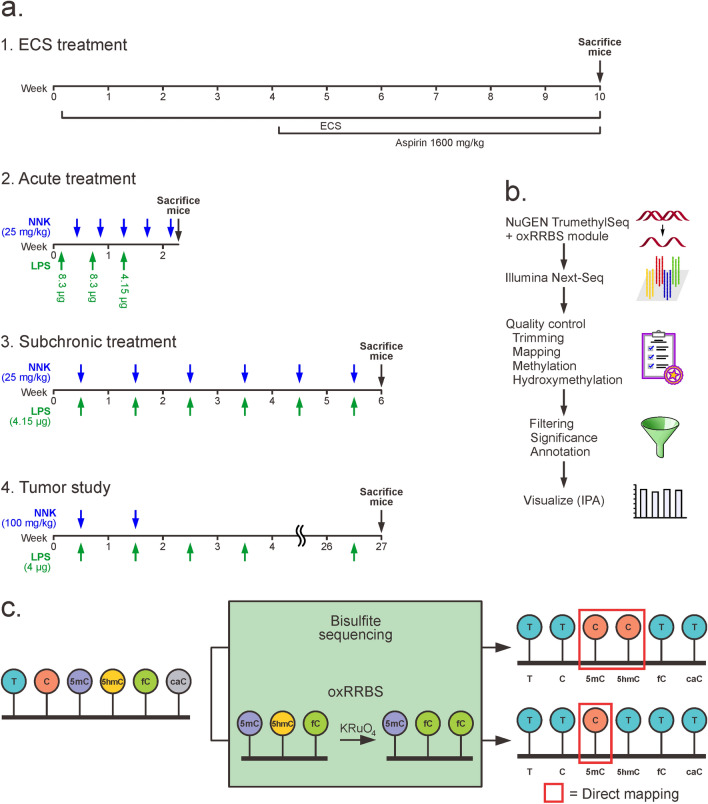
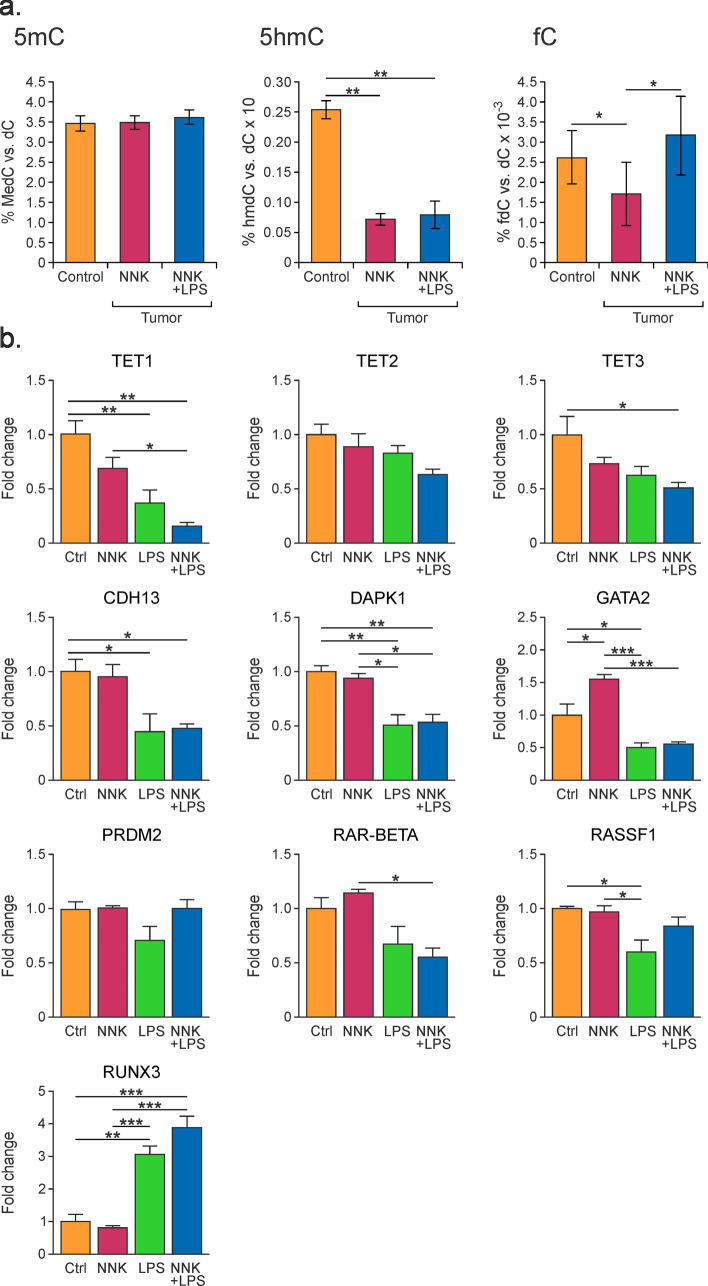
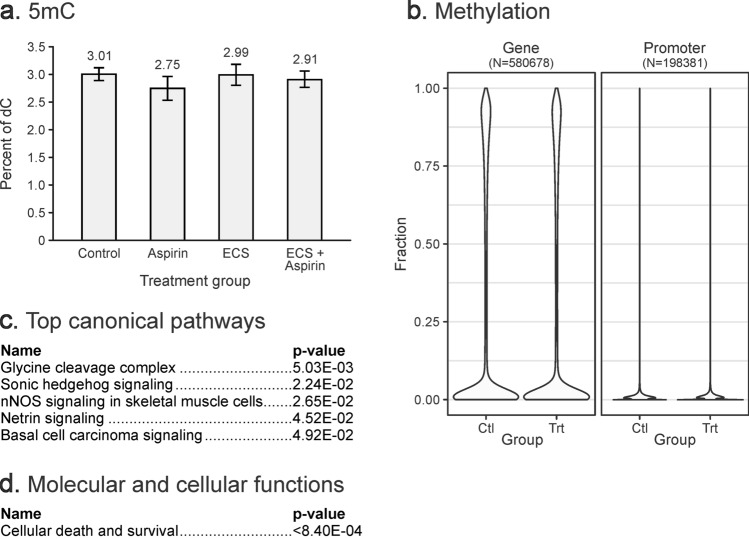
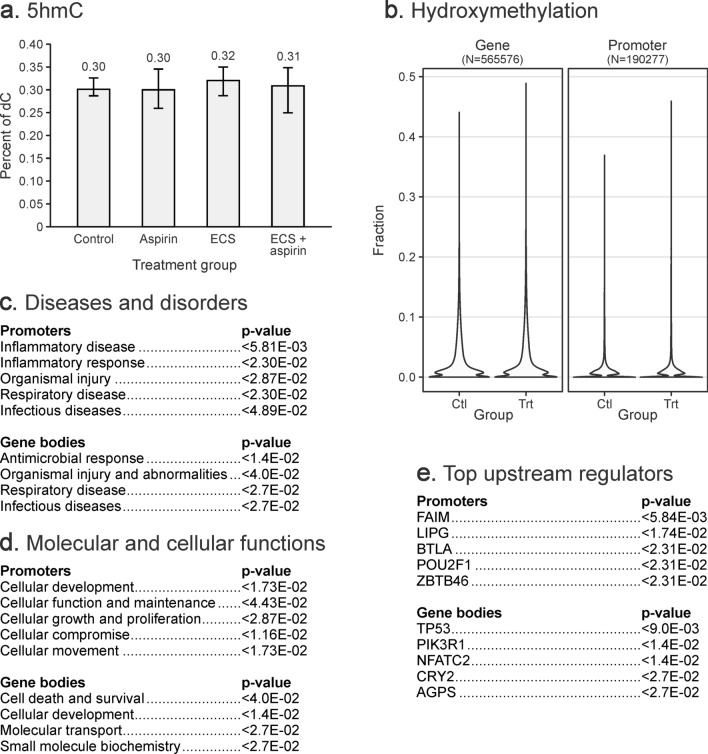
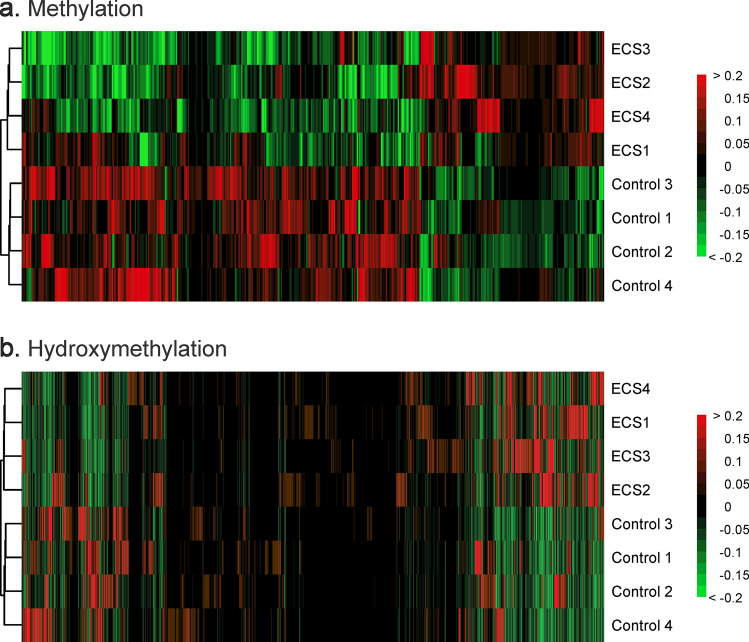
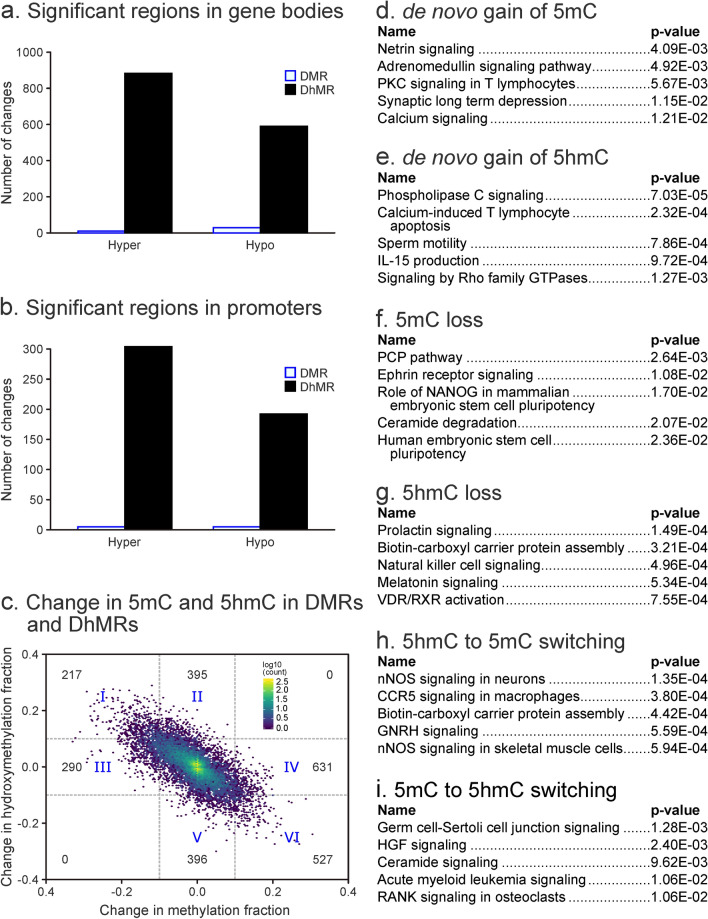
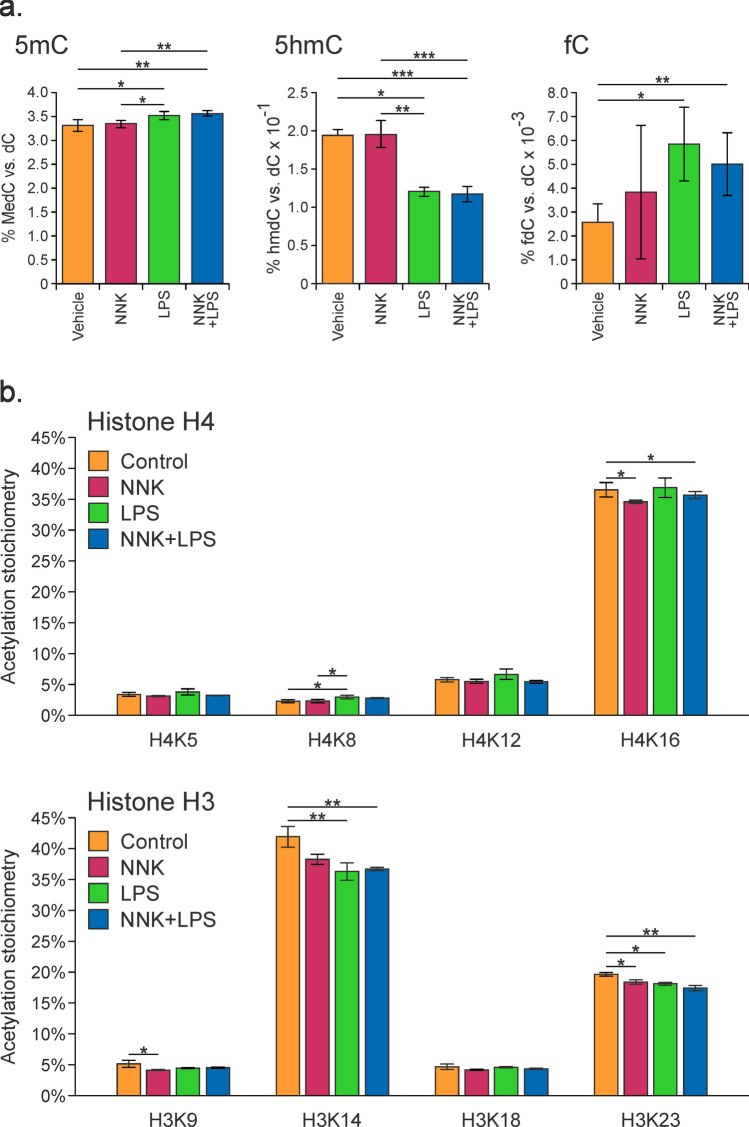
Smoking-related lung tumors are characterized by profound epigenetic changes including scrambled patterns of DNA methylation, deregulated histone acetylation, altered gene expression levels, distorted microRNA profiles, and a global loss of cytosine hydroxymethylation marks. Here, we employed an enhanced version of bisulfite sequencing (RRBS/oxRRBS) followed by next generation sequencing to separately map DNA epigenetic marks 5-methyl-dC and 5-hydroxymethyl-dC in genomic DNA isolated from lungs of A/J mice exposed whole-body to environmental cigarette smoke for 10 weeks. Exposure to cigarette smoke significantly affected the patterns of cytosine methylation and hydroxymethylation in the lungs. Differentially hydroxymethylated regions were associated with inflammatory response/disease, organismal injury, and respiratory diseases and were involved in regulation of cellular development, function, growth, and proliferation. To identify epigenetic changes in the lung associated with exposure to tobacco carcinogens and inflammation, A/J mice were intranasally treated with the tobacco carcinogen 4-(methylnitrosamino)-1-(3-pyridyl)-1-butanone (NNK), the inflammatory agent lipopolysaccharide (LPS), or both. NNK alone caused minimal epigenetic alterations, while exposure either to LPS or NNK/LPS in combination led to increased levels of global cytosine methylation and formylation, reduced cytosine hydroxymethylation, decreased histone acetylation, and altered expression levels of multiple genes. Our results suggest that inflammatory processes are responsible for epigenetic changes contributing to lung cancer development.
与吸烟有关的肺癌的特征是深刻的表观遗传变化,包括 DNA 甲基化模式的混乱、组蛋白乙酰化的失调、基因表达水平的改变、microRNA 谱的扭曲以及胞嘧啶羟甲基化标记的整体丢失。在这里,我们采用了一种增强的亚硫酸盐测序(RRBS/oxRRBS)方法,然后通过下一代测序技术,分别对 A/J 小鼠全身暴露于环境香烟烟雾 10 周后从肺部分离的基因组 DNA 中的 DNA 表观遗传标记 5-甲基-dC 和 5-羟甲基-dC 进行了定位。香烟烟雾的暴露显著影响了肺部胞嘧啶甲基化和羟甲基化的模式。差异羟甲基化区域与炎症反应/疾病、机体损伤和呼吸系统疾病相关,并参与细胞发育、功能、生长和增殖的调节。为了鉴定与暴露于烟草致癌物和炎症相关的肺部表观遗传变化,我们用烟草致癌物 4-(甲基亚硝氨基)-1-(3-吡啶基)-1-丁酮(NNK)、炎症剂脂多糖(LPS)或两者的混合物对 A/J 小鼠进行了鼻内处理。NNK 单独处理导致最小的表观遗传改变,而 LPS 或 NNK/LPS 联合暴露则导致整体胞嘧啶甲基化和甲酰化水平增加、胞嘧啶羟甲基化减少、组蛋白乙酰化减少以及多个基因表达水平的改变。我们的结果表明,炎症过程是导致与肺癌发展相关的表观遗传变化的原因。