Department of Chemical Sciences, Faculty of Science and Technology, Universiti Kebangsaan Malaysia (UKM), 43600, Bangi, Selangor, Malaysia.
Sci Rep. 2020 Jul 9;10(1):11342. doi: 10.1038/s41598-020-68274-x.
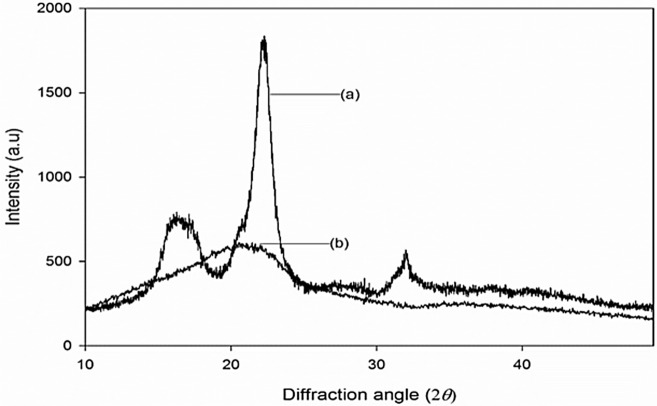
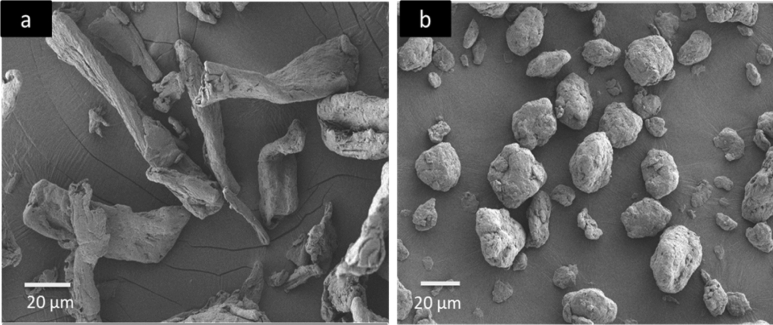
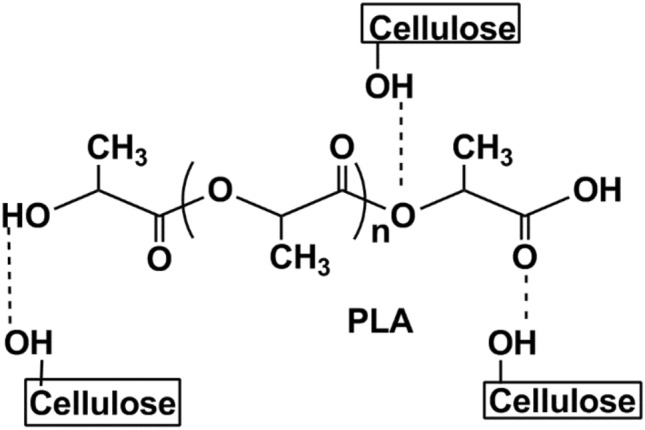
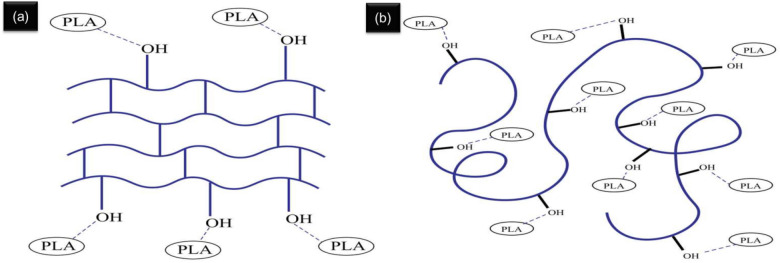
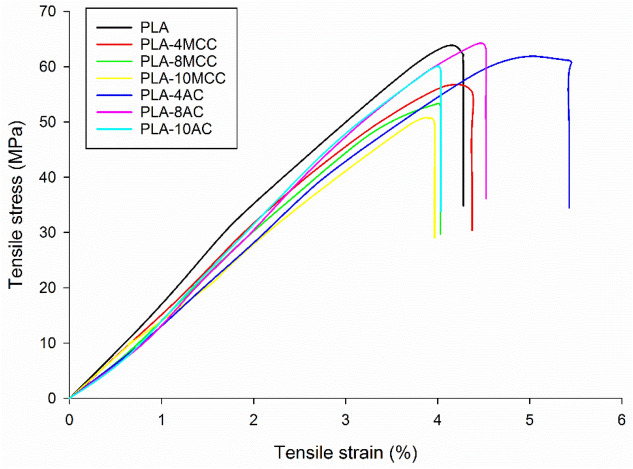
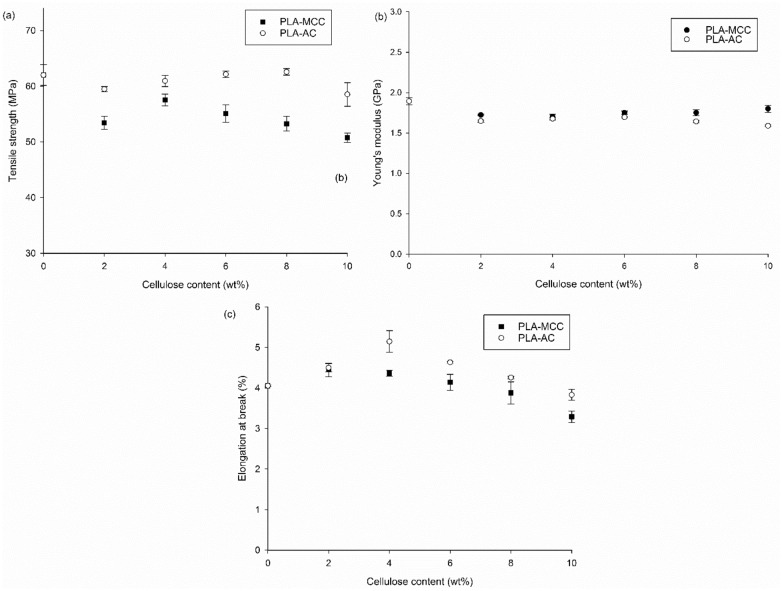
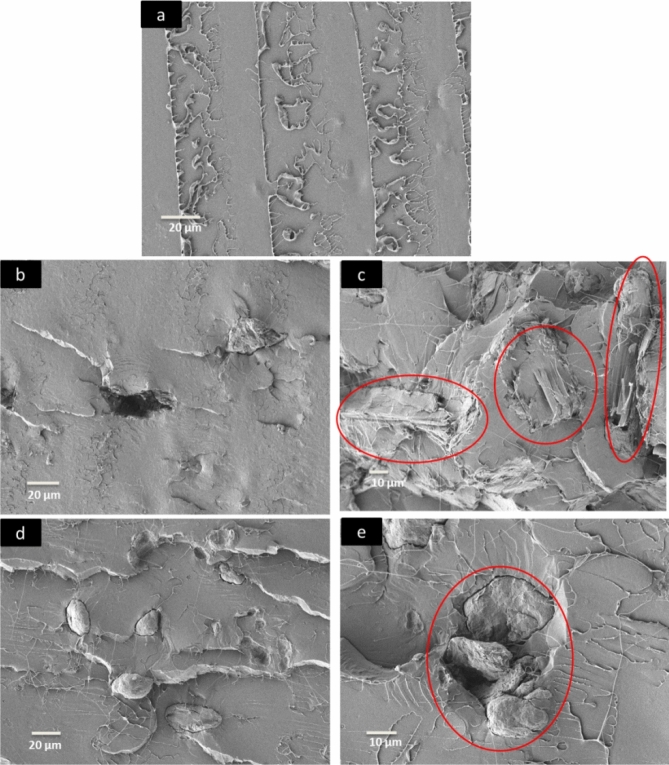
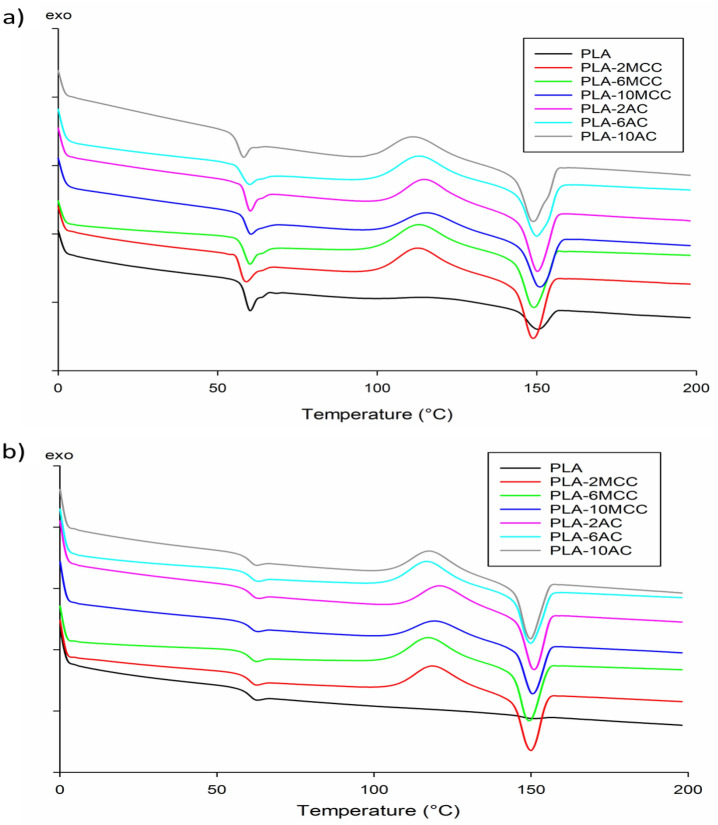
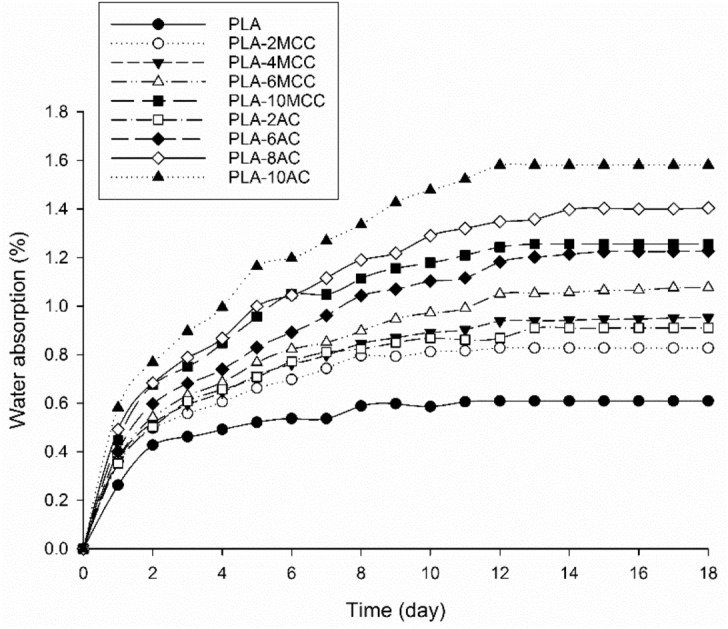
Eco-friendly materials such as poly(lactic acid) (PLA) and cellulose are gaining considerable interest as suitable substitutes for petroleum-based plastics. Therefore, amorphous cellulose (AC) was fabricated as a new reinforcing material for PLA biocomposites by modifying a microcrystalline cellulose (MCC) structure via milling. In this study, the mechanical properties, thermal properties, and degradability of PLA were analysed to compare the effects of both MCC and AC on PLA. The tensile and impact properties improved at an optimum value with AC at 8 wt% and 4 wt% fibre loading, respectively. Notably, a scanning electron micrograph analysis revealed improved AC fibre-matrix adhesion, compared with MCC fibre-matrix adhesion, as well as excellent interaction between AC and PLA. Both MCC and AC improved the hydrolytic degradation of PLA. Moreover, the biocomposites with AC exhibited superior degradation when the incorporation of AC improved the water absorption efficiency of PLA. These findings can expand AC applications and improve sustainability.
环保材料,如聚乳酸(PLA)和纤维素,作为石油基塑料的合适替代品,正受到越来越多的关注。因此,通过研磨对微晶纤维素(MCC)结构进行改性,将无定形纤维素(AC)制成 PLA 生物复合材料的新型增强材料。在这项研究中,分析了 PLA 的机械性能、热性能和降解性,以比较 MCC 和 AC 对 PLA 的影响。当 AC 的纤维含量分别为 8wt%和 4wt%时,拉伸和冲击性能分别在最佳值下得到改善。值得注意的是,扫描电子显微镜分析表明,与 MCC 纤维-基体的结合相比,AC 纤维-基体的结合得到了改善,并且 AC 与 PLA 之间具有优异的相互作用。MCC 和 AC 均提高了 PLA 的水解降解。此外,当 AC 的加入提高了 PLA 的吸水性时,含有 AC 的生物复合材料的降解性能更优。这些发现可以扩展 AC 的应用并提高可持续性。