RG Adipocytes and Metabolism, Institute for Diabetes and Obesity, Helmholtz Diabetes Center, Helmholtz Zentrum München, German Research Center for Environmental Health GmbH, 85764 Neuherberg, Germany.
German Center for Diabetes Research (DZD), 85764 Neuherberg, Germany.
Biochem J. 2020 Jul 17;477(13):2509-2541. doi: 10.1042/BCJ20190462.
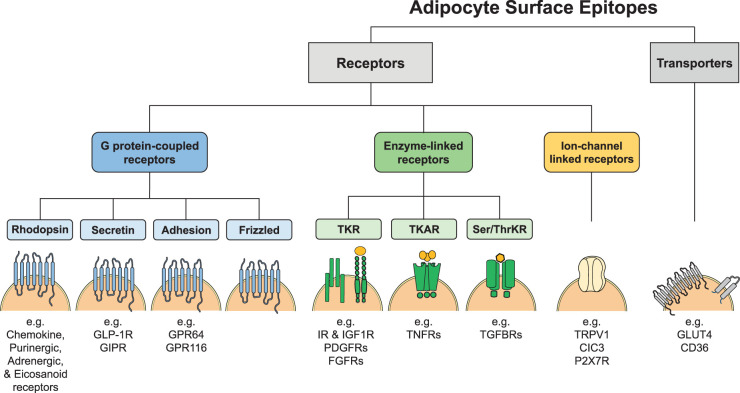
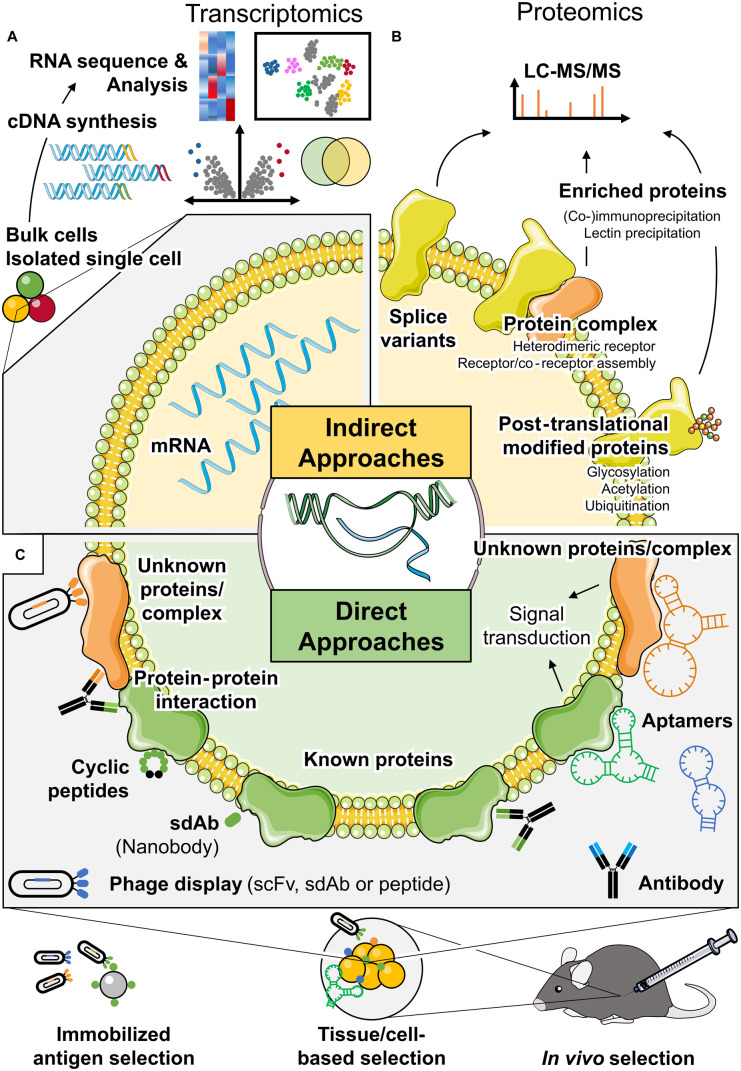
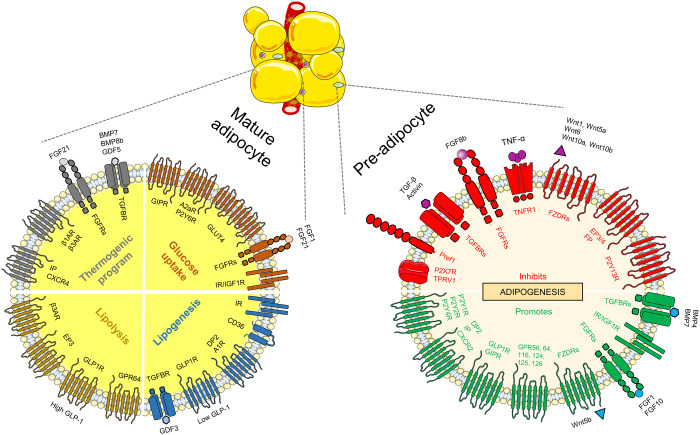
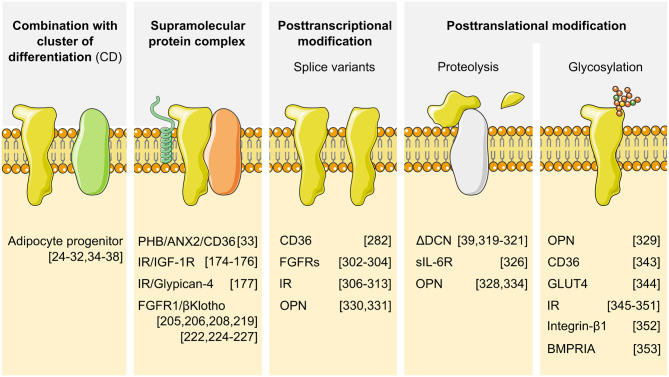
Adipose tissue is a central regulator of metabolism and an important pharmacological target to treat the metabolic consequences of obesity, such as insulin resistance and dyslipidemia. Among the various cellular compartments, the adipocyte cell surface is especially appealing as a drug target as it contains various proteins that when activated or inhibited promote adipocyte health, change its endocrine function and eventually maintain or restore whole-body insulin sensitivity. In addition, cell surface proteins are readily accessible by various drug classes. However, targeting individual cell surface proteins in adipocytes has been difficult due to important functions of these proteins outside adipose tissue, raising various safety concerns. Thus, one of the biggest challenges is the lack of adipose selective surface proteins and/or targeting reagents. Here, we discuss several receptor families with an important function in adipogenesis and mature adipocytes to highlight the complexity at the cell surface and illustrate the problems with identifying adipose selective proteins. We then discuss that, while no unique adipocyte surface protein might exist, how splicing, posttranslational modifications as well as protein/protein interactions can create enormous diversity at the cell surface that vastly expands the space of potentially unique epitopes and how these selective epitopes can be identified and targeted.
脂肪组织是代谢的中枢调节剂,也是治疗肥胖引起的代谢后果(如胰岛素抵抗和血脂异常)的重要药理学靶点。在各种细胞区室中,脂肪细胞表面特别引人注目,因为它包含各种蛋白质,这些蛋白质被激活或抑制时会促进脂肪细胞健康,改变其内分泌功能,最终维持或恢复全身胰岛素敏感性。此外,各种药物类别都可以很容易地作用于细胞表面蛋白。然而,由于这些蛋白质在脂肪组织外具有重要功能,靶向单个脂肪细胞表面蛋白一直存在困难,引发了各种安全问题。因此,最大的挑战之一是缺乏脂肪组织选择性的表面蛋白和/或靶向试剂。在这里,我们讨论了在脂肪生成和成熟脂肪细胞中具有重要功能的几种受体家族,以突出细胞表面的复杂性,并说明鉴定脂肪组织选择性蛋白的问题。然后我们讨论到,虽然可能不存在独特的脂肪细胞表面蛋白,但剪接、翻译后修饰以及蛋白质/蛋白质相互作用如何在细胞表面产生巨大的多样性,从而极大地扩展了潜在独特表位的空间,以及如何识别和靶向这些选择性表位。