Kidney Disease Section, Kidney Diseases Branch, National Institute of Diabetes and Digestive and Kidney Diseases, National Institutes of Health, Bethesda, MD, 20892, USA.
Institute of Heart and Vessel Diseases, Affiliated Second Hospital of Dalian Medical University, Dalian, 116023, China.
BMC Nephrol. 2020 Jul 13;21(1):270. doi: 10.1186/s12882-020-01921-7.
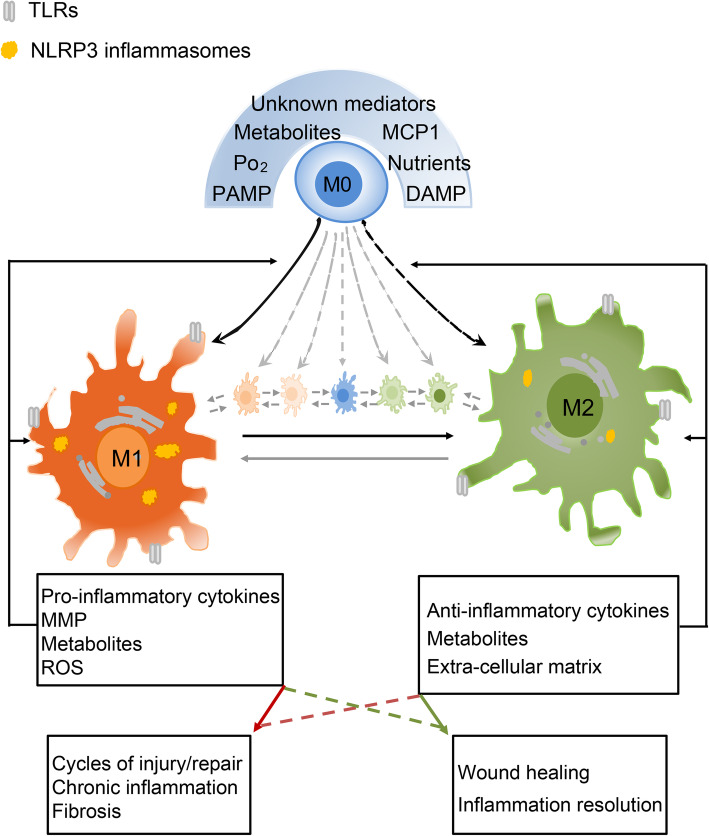
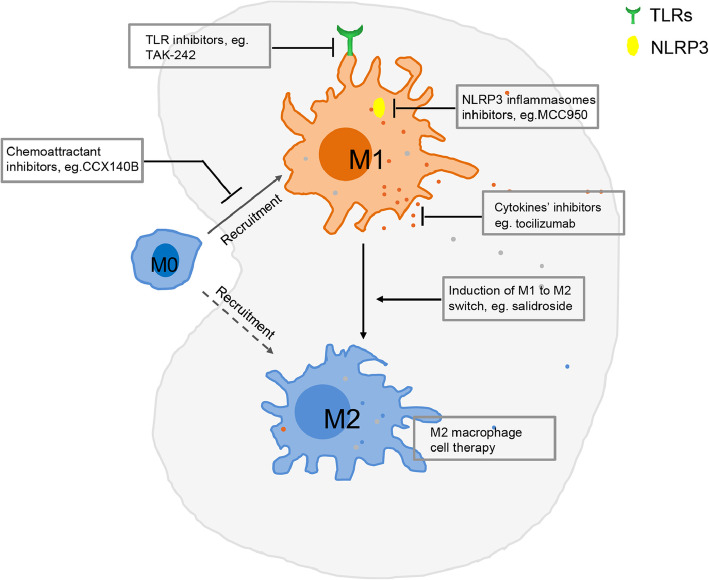
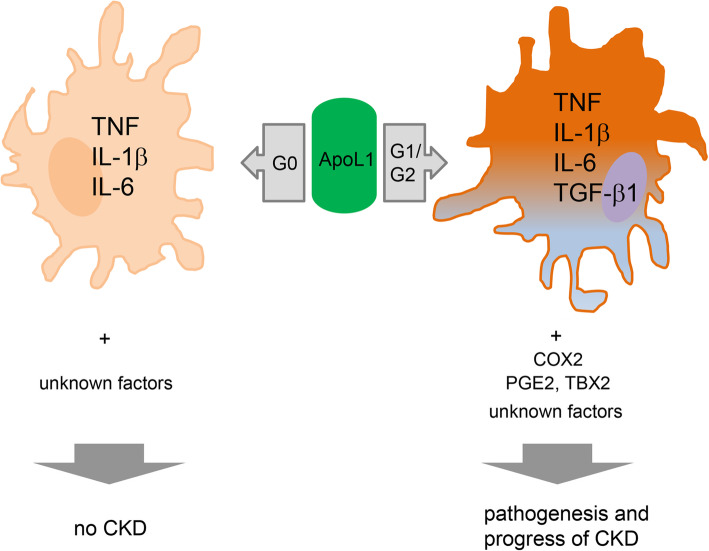
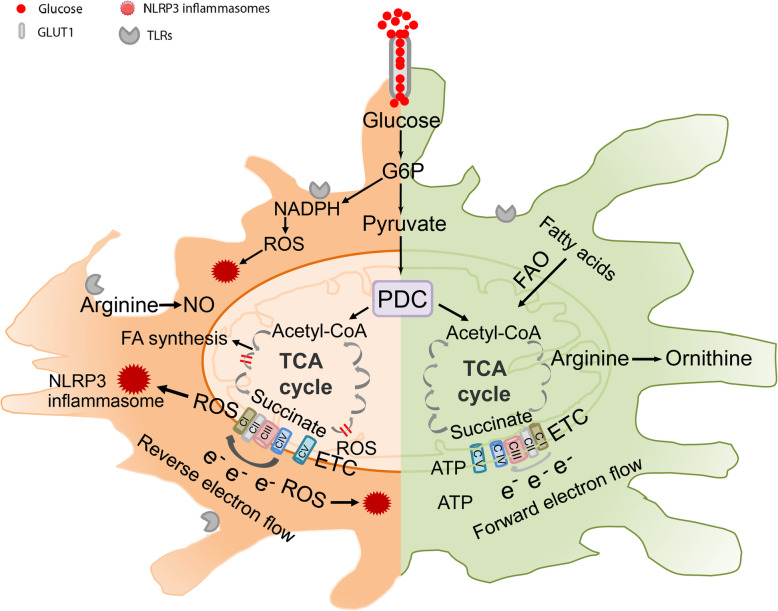
Chronic kidney disease (CKD) is characterized by inflammation, injury and fibrosis. Dysregulated innate immune responses mediated by macrophages play critical roles in progressive renal injury. The differentiation and polarization of macrophages into pro-inflammatory 'M1' and anti-inflammatory 'M2' states represent the two extreme maturation programs of macrophages during tissue injury. However, the effects of macrophage polarization on the pathogenesis of CKD are not fully understood. In this review, we discuss the innate immune mechanisms underlying macrophage polarization and the role of macrophage polarization in the initiation, progression, resolution and recurrence of CKD. Macrophage activation and polarization are initiated through recognition of conserved endogenous and exogenous molecular motifs by pattern recognition receptors, chiefly, Toll-like receptors (TLRs), which are located on the cell surface and in endosomes, and NLR inflammasomes, which are positioned in the cytosol. Recent data suggest that genetic variants of the innate immune molecule apolipoprotein L1 (APOL1) that are associated with increased CKD prevalence in people of African descent, mediate an atypical M1 macrophage polarization. Manipulation of macrophage polarization may offer novel strategies to address dysregulated immunometabolism and may provide a complementary approach along with current podocentric treatment for glomerular diseases.
慢性肾脏病(CKD)的特征是炎症、损伤和纤维化。巨噬细胞介导的失调固有免疫反应在进行性肾损伤中起关键作用。巨噬细胞向促炎“M1”和抗炎“M2”状态的分化和极化代表了组织损伤期间巨噬细胞两个极端的成熟程序。然而,巨噬细胞极化对 CKD 发病机制的影响尚不完全清楚。在这篇综述中,我们讨论了巨噬细胞极化的固有免疫机制以及巨噬细胞极化在 CKD 的起始、进展、缓解和复发中的作用。巨噬细胞的激活和极化是通过模式识别受体(主要是 Toll 样受体(TLR))识别保守的内源性和外源性分子基序而启动的,这些受体位于细胞表面和内体中,以及位于细胞质中的 NLR 炎性体。最近的数据表明,与非洲裔人群中 CKD 患病率增加相关的固有免疫分子载脂蛋白 L1(APOL1)的遗传变异,介导了一种非典型的 M1 巨噬细胞极化。巨噬细胞极化的操纵可能为解决失调的免疫代谢提供新的策略,并可能为目前针对肾小球疾病的足细胞中心治疗提供补充方法。