Sinai-Gavrilov Yana, Gev Tali, Mor-Snir Irit, Vivanti Giacomo, Golan Ofer
Bar-Ilan University, Israel.
The Association for Children at Risk, Israel.
Autism. 2020 Nov;24(8):2081-2093. doi: 10.1177/1362361320934221. Epub 2020 Jul 14.
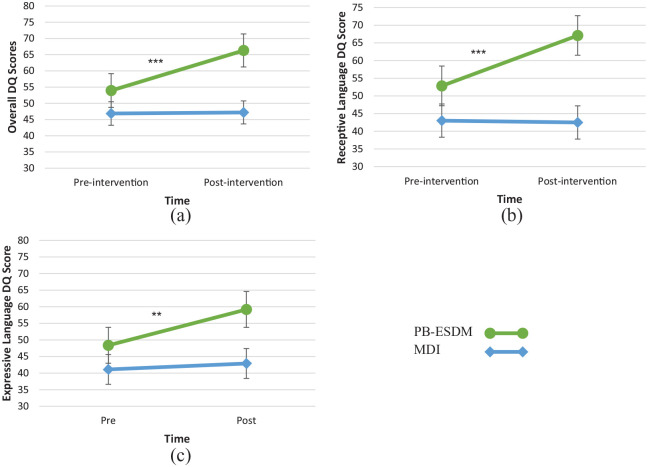
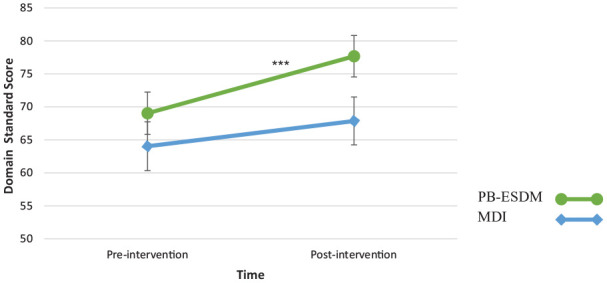
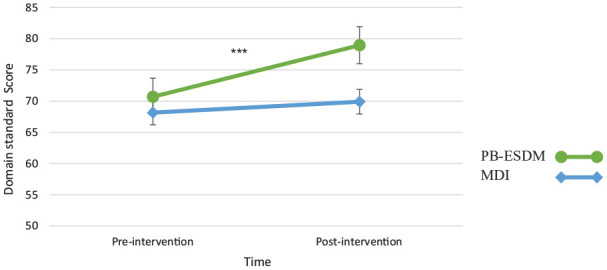
Early intensive intervention has been shown to significantly affect the development of children with Autism. However, the costly implementation of such interventions limits their wide dissemination in the community. This study examined an integration of a research-supported early intensive intervention model called the Early Start Denver Model into community preschool programs for children with Autism in Israel. Four community preschools implemented the preschool-based Early Start Denver Model and four implemented the existing multidisciplinary developmental intervention which is widely applied in Israeli community preschools for children with autism. Fifty-one children (aged 33-57 months) participated in the study. Twenty-six attended the preschool-based Early Start Denver Model preschools and twenty-five attended the multidisciplinary developmental intervention preschools. Before the intervention began, groups were comparable on children's age and developmental functioning and on families' socio-economic status. Results showed that, compared to the multidisciplinary developmental intervention group, children in the preschool-based Early Start Denver Model treatment group made greater gains on measures of overall cognitive development, language skills, as well as on parent- and teacher-reported adaptive communication and socialization abilities. Children who had lower autism symptom severity, higher adaptive functioning and better language understanding abilities before taking part in the preschool-based Early Start Denver Model program showed greater improvements following it. This study documents the successful implementation of an intensive early intervention program in pre-existing community preschools, underlining the importance of the integration of research-supported intervention programs into community settings.
早期强化干预已被证明会显著影响自闭症儿童的发育。然而,此类干预措施实施成本高昂,限制了其在社区中的广泛传播。本研究考察了一种名为丹佛早期干预模式(Early Start Denver Model)的、有研究支持的早期强化干预模式,将其融入以色列针对自闭症儿童的社区学前教育项目。四所社区幼儿园实施了基于学前教育的丹佛早期干预模式,另外四所实施了现有的多学科发展干预措施,该措施在以色列针对自闭症儿童的社区幼儿园中广泛应用。51名儿童(年龄在33 - 57个月之间)参与了该研究。26名儿童就读于实施基于学前教育的丹佛早期干预模式的幼儿园,25名儿童就读于实施多学科发展干预措施的幼儿园。在干预开始前,两组儿童在年龄、发育功能以及家庭社会经济地位方面具有可比性。结果显示,与多学科发展干预组相比,基于学前教育的丹佛早期干预模式治疗组的儿童在整体认知发展、语言技能以及家长和教师报告的适应性沟通与社交能力等方面取得了更大进步。在参与基于学前教育的丹佛早期干预模式项目之前,自闭症症状严重程度较低、适应性功能较高且语言理解能力较好的儿童,在参与该项目后进步更大。本研究记录了在现有社区幼儿园成功实施强化早期干预项目的情况,强调了将有研究支持的干预项目融入社区环境的重要性。