Wang Yishuo, Liu Zhongyong, Liu Qinrong, Han Yongguang, Zang Yuncai, Zhang Huichao, Du Xuzhao, Qin Tao, Wu Yuquan
College of Pharmacy, Henan University of Chinese Medicine, Zhengzhou, People's Republic of China.
Henan Integrated Engineering Technology Research Center of Traditional Chinese Medicine Production, Zhengzhou, People's Republic of China.
Cancer Manag Res. 2020 Jul 1;12:5243-5254. doi: 10.2147/CMAR.S237323. eCollection 2020.
Pancreatic cancer is one of the most aggressive malignancies. The present study aimed to examine the anti-tumor effects of honokiol in pancreatic cancer and to explore the underlying molecular mechanisms.
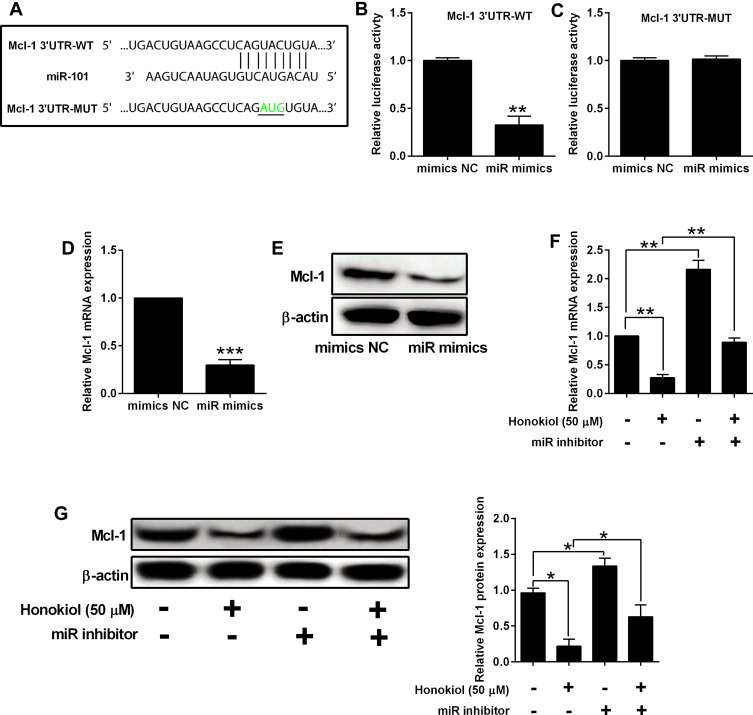
In vitro functional assays determined pancreatic cancer cell proliferation, apoptosis and invasion. Xenograft nude mice model determined the in vivo anti-cancer effects of honokiol. Luciferase reporter assay determined the interaction between miR101 and myeloid cell leukemia-1 (Mcl-1).
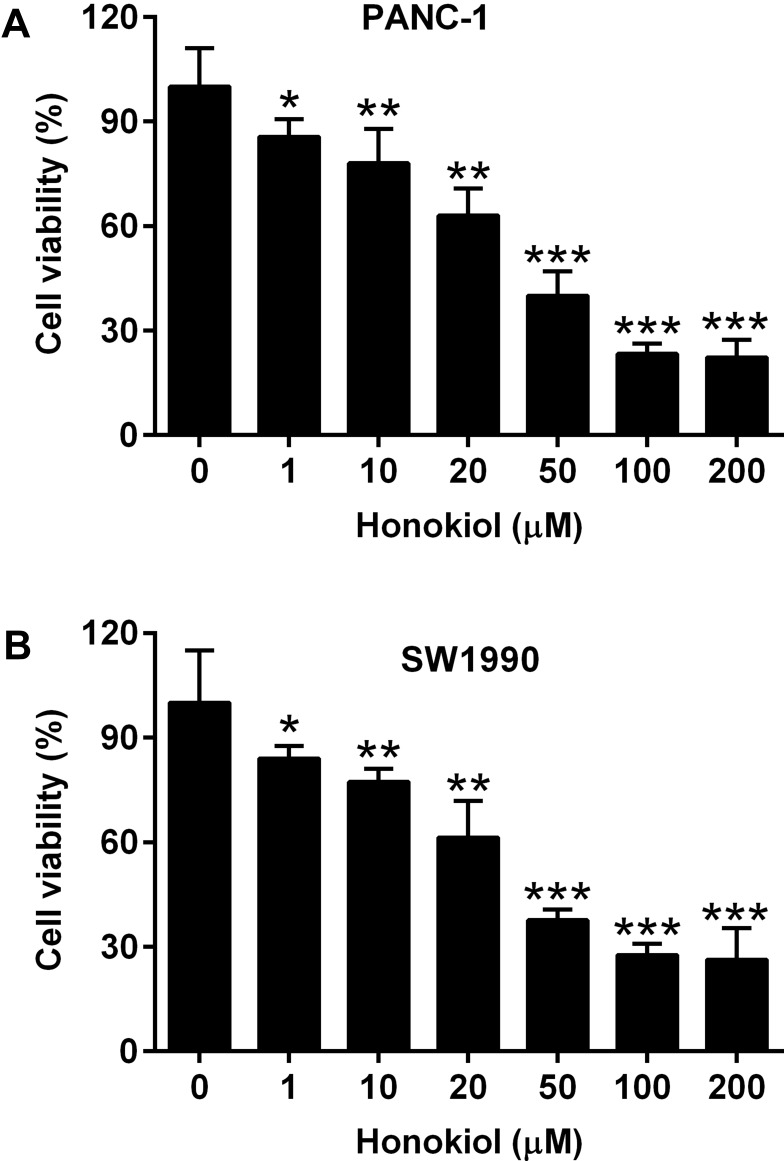
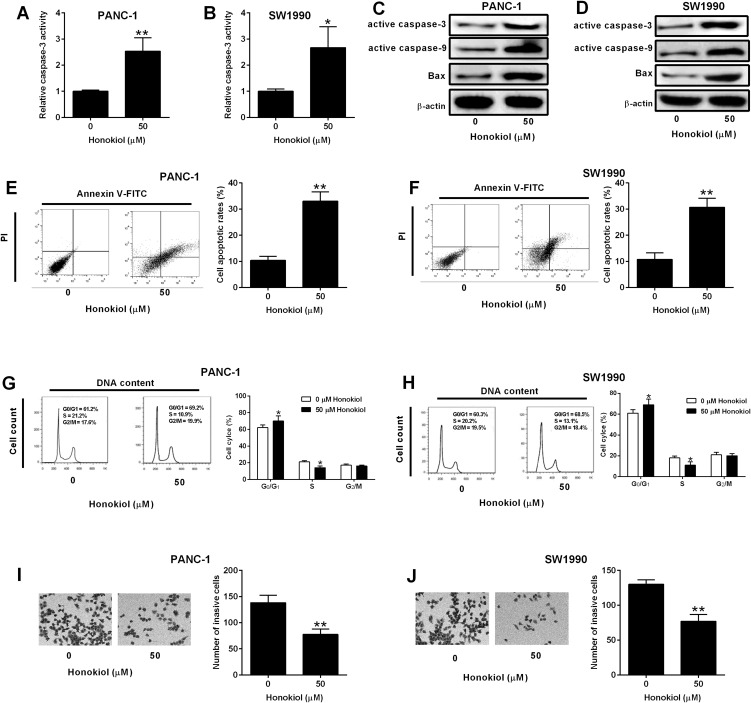
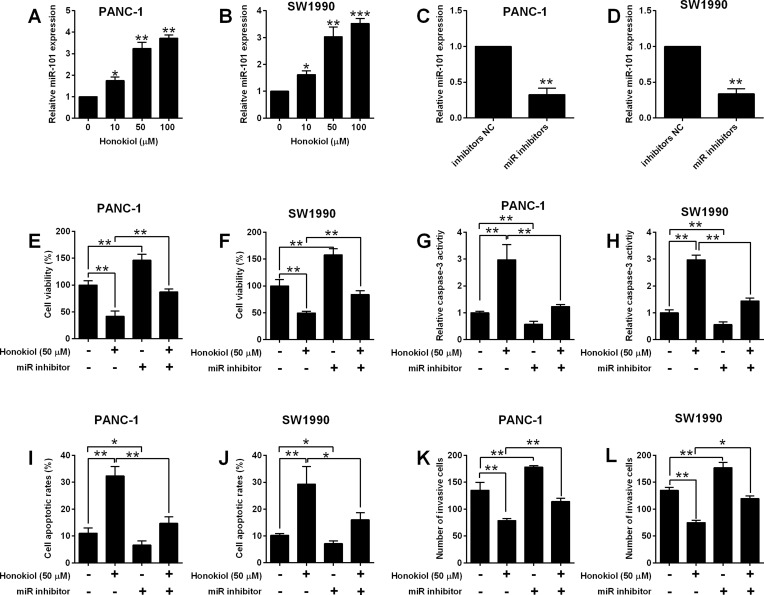
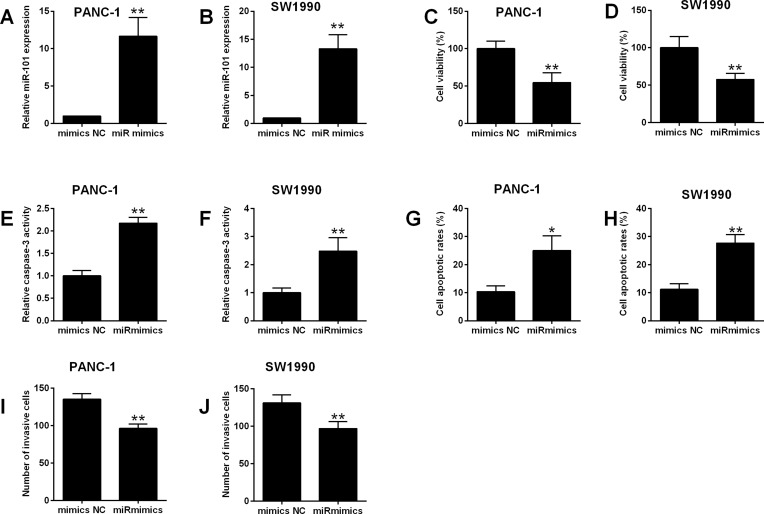
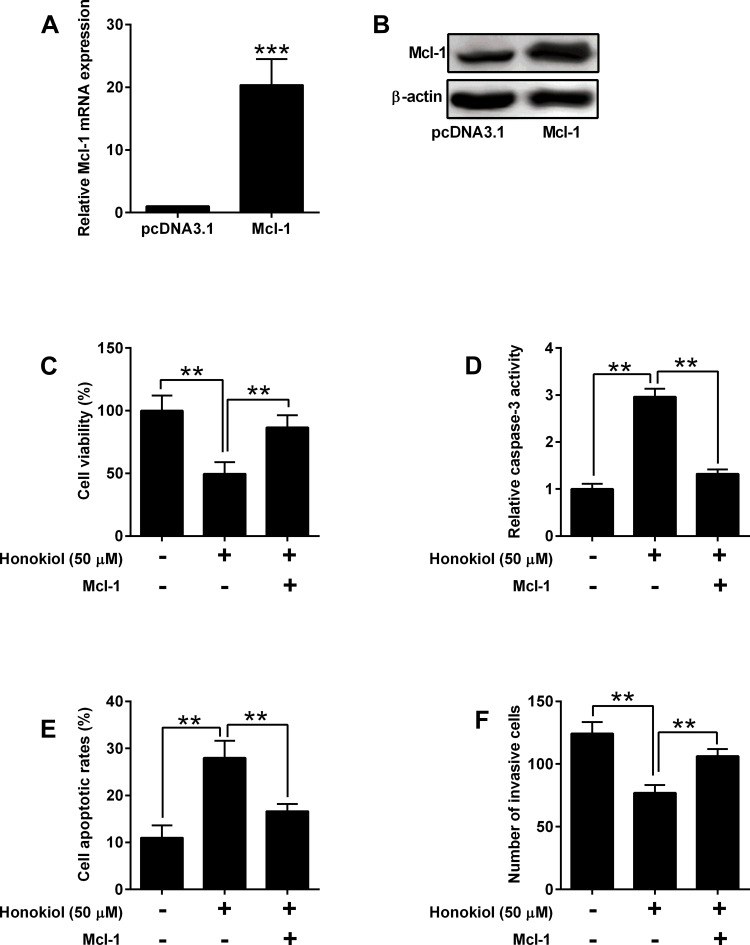
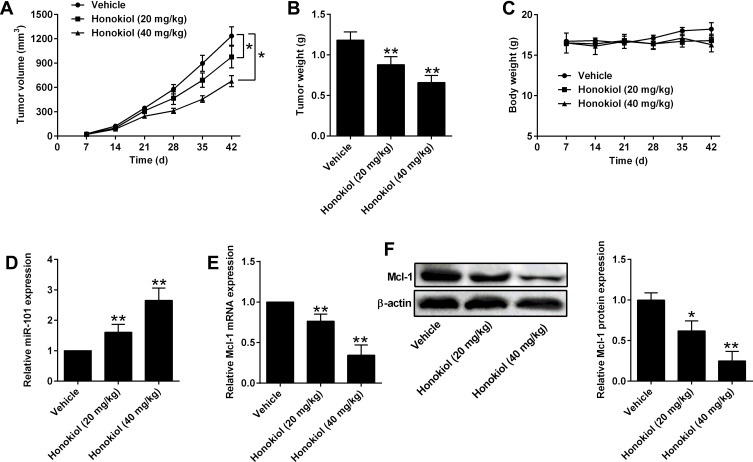
Honokiol concentration-dependently suppressed pancreatic cancer cell viability. In addition, honokiol increased the caspase-3 activity and cell apoptotic rates, induced cell cycle arrest at G0/G1 phase, and inhibited cell invasion in pancreatic cancer. Interestingly, honokiol treatment induced up-regulation of miR-101 in pancreatic cancer cells. Knockdown of miR-101 attenuated the honokiol-induced cell apoptosis and inhibition in cell invasion of pancreatic cancer cells. On the other hand, miR-101 overexpression induced cell apoptosis and inhibited cell viability and invasion in pancreatic cancer. Further mechanistic study verified that Mcl-1 was negatively regulated by miR-101, and Mcl-1 overexpression counteracted the tumor-suppressive effects of honokiol on the pancreatic cancer cells. In vivo studies showed that honokiol dose-dependently suppressed tumor growth of pancreatic cancer in the nude mice and up-regulated miR-101 expression but down-regulated Mcl-1 expression in tumor tissues.
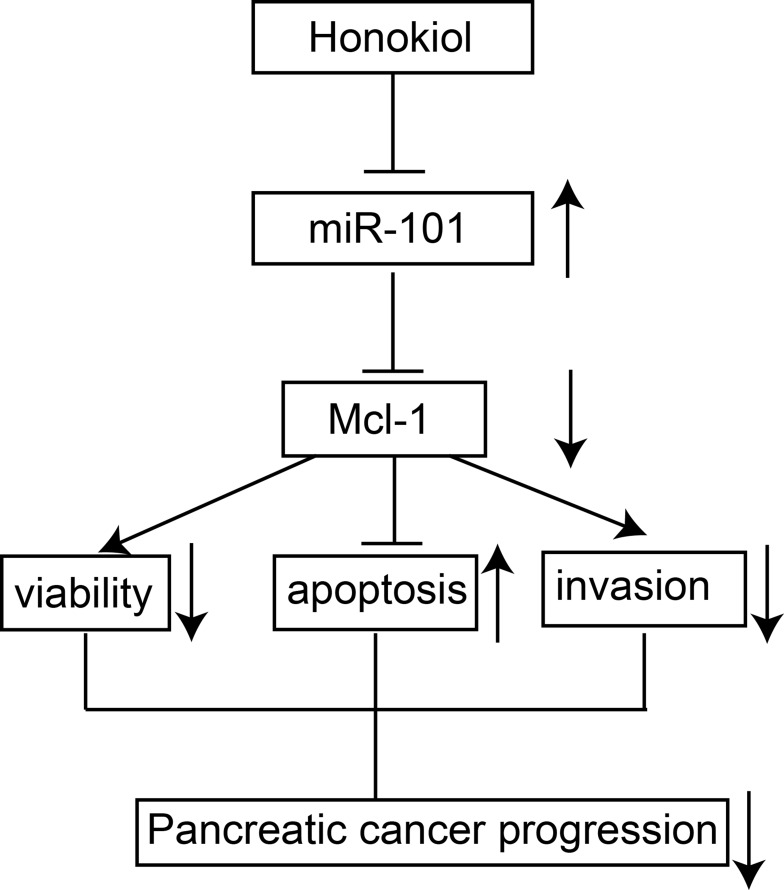
Our data showed that honokiol suppressed pancreatic cancer progression via miR-101-Mcl-1 axis. Honokiol could be a promising candidate for cancer prevention and/or therapeutic treatment for pancreatic cancer.
胰腺癌是最具侵袭性的恶性肿瘤之一。本研究旨在探讨厚朴酚对胰腺癌的抗肿瘤作用,并探索其潜在的分子机制。
体外功能实验测定胰腺癌细胞的增殖、凋亡和侵袭能力。异种移植裸鼠模型测定厚朴酚的体内抗癌作用。荧光素酶报告基因检测法测定miR101与髓样细胞白血病-1(Mcl-1)之间的相互作用。
厚朴酚浓度依赖性地抑制胰腺癌细胞活力。此外,厚朴酚增加了caspase-3活性和细胞凋亡率,诱导细胞周期停滞于G0/G1期,并抑制胰腺癌细胞的侵袭。有趣的是,厚朴酚处理可诱导胰腺癌细胞中miR-101上调。敲低miR-101可减弱厚朴酚诱导的胰腺癌细胞凋亡及对细胞侵袭的抑制作用。另一方面,miR-101过表达可诱导胰腺癌细胞凋亡,并抑制其活力和侵袭。进一步的机制研究证实,Mcl-1受miR-101负调控,Mcl-1过表达可抵消厚朴酚对胰腺癌细胞的肿瘤抑制作用。体内研究表明,厚朴酚剂量依赖性地抑制裸鼠胰腺癌的肿瘤生长,并上调肿瘤组织中miR-101表达,但下调Mcl-1表达。
我们的数据表明,厚朴酚通过miR-101-Mcl-1轴抑制胰腺癌进展。厚朴酚可能是胰腺癌预防和/或治疗的有前途的候选药物。