Qin Tao, Li Jie, Xiao Ying, Wang Xueni, Gong Mengyuan, Wang Qiqi, Zhu Zeen, Zhang Simei, Zhang Wunai, Cao Fang, Han Liang, Wang Zheng, Ma Qingyong, Sha Huanchen
Department of Hepatobiliary Surgery, The First Affiliated Hospital of Xi'an Jiaotong University, Xi'an, China.
Center for Translational Medicine, The First Affiliated Hospital of Xi'an Jiaotong University, Xi'an, China.
Front Oncol. 2021 Oct 4;11:728583. doi: 10.3389/fonc.2021.728583. eCollection 2021.
Perineural invasion (PNI) is an important pathologic feature of pancreatic cancer, and the incidence of PNI in pancreatic cancer is 70%-100%. PNI is associated with poor outcome, metastasis, and recurrence in pancreatic cancer patients. There are very few treatments for PNI in pancreatic cancer. Honokiol (HNK) is a natural product that is mainly obtained from Magnolia species and has been indicated to have anticancer activity. HNK also has potent neurotrophic activity and may be effective for suppressing PNI. However, the potential role of HNK in the treatment of PNI in pancreatic cancer has not been elucidated.
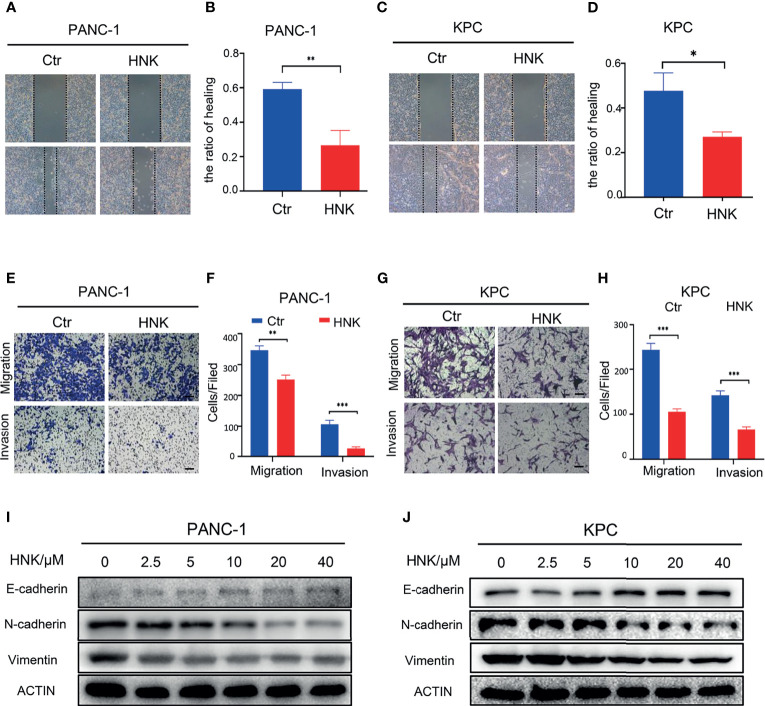
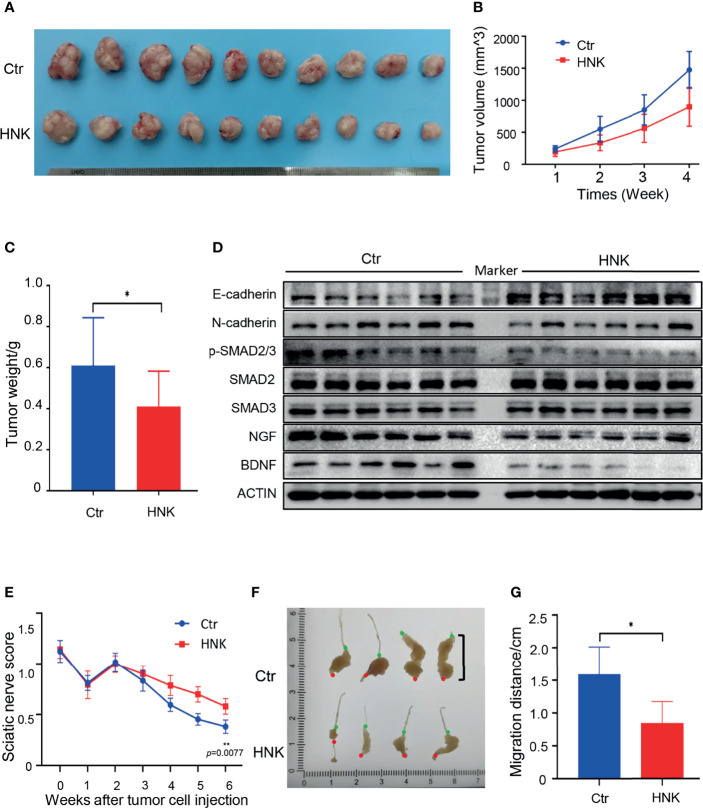
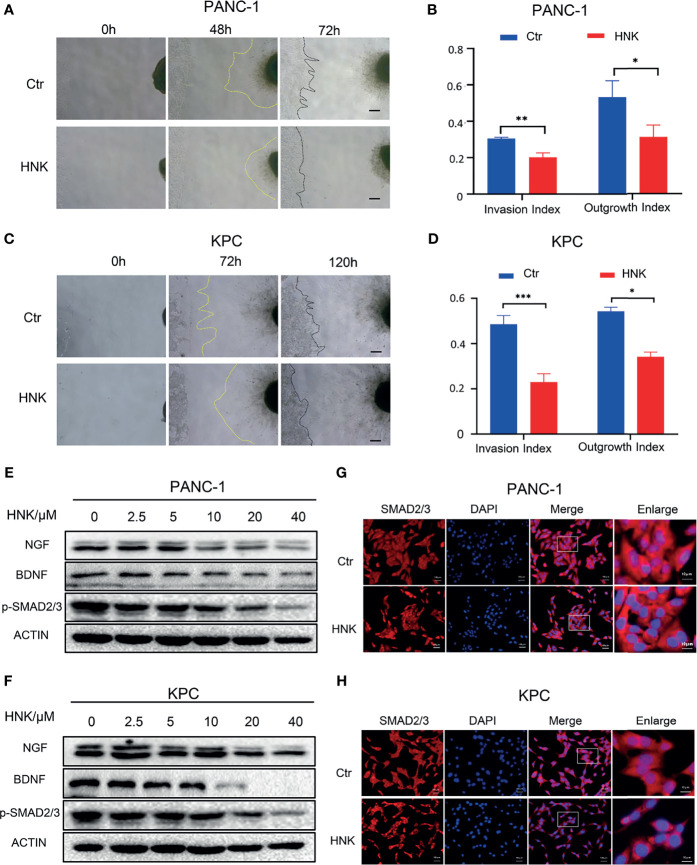
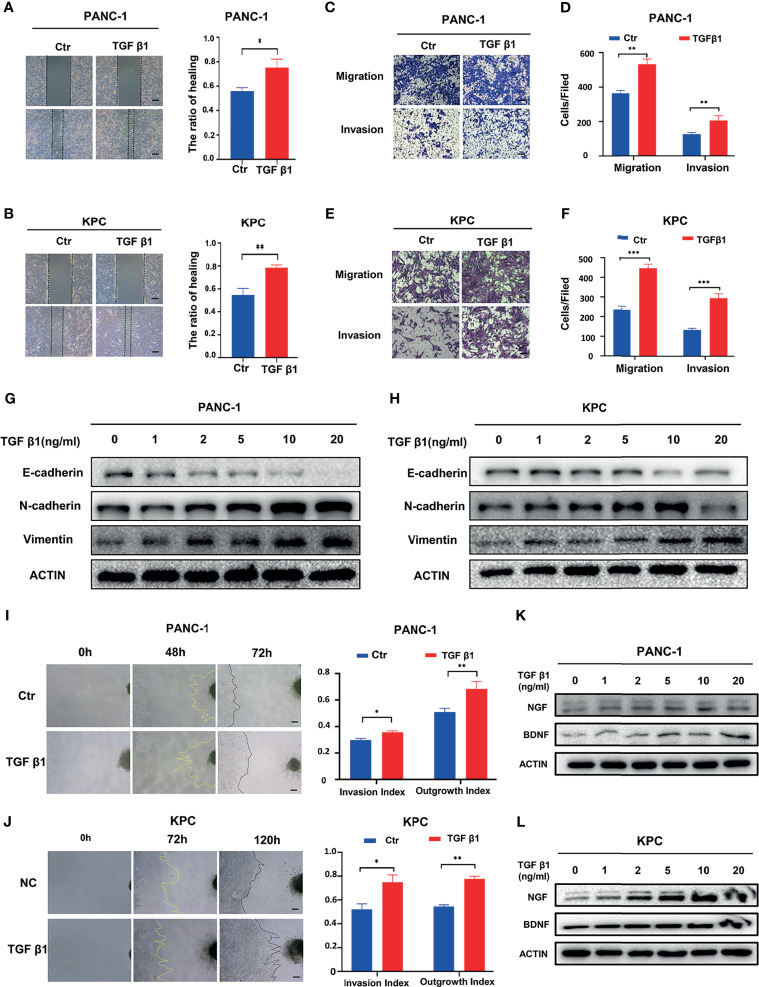
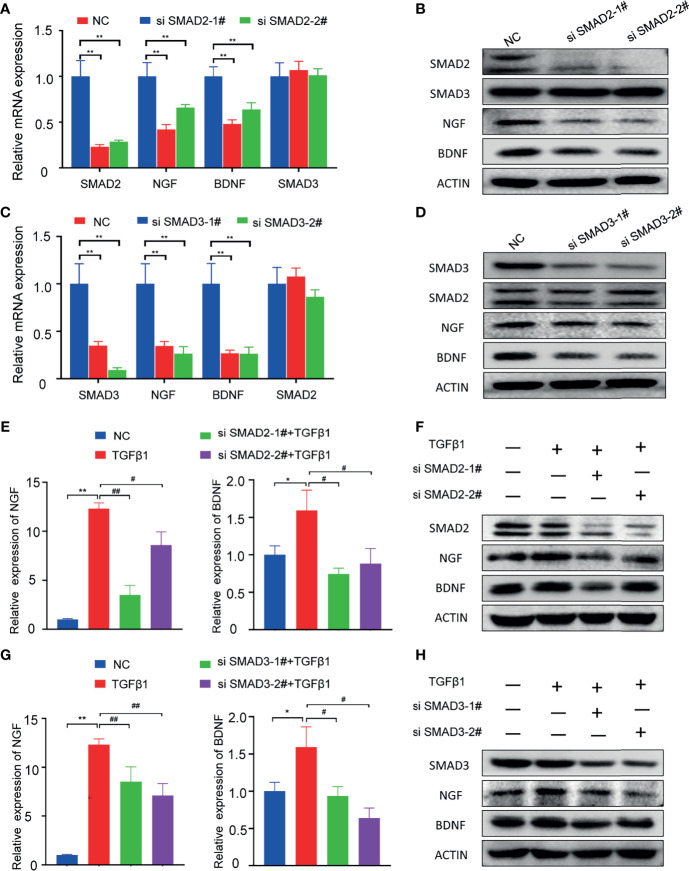
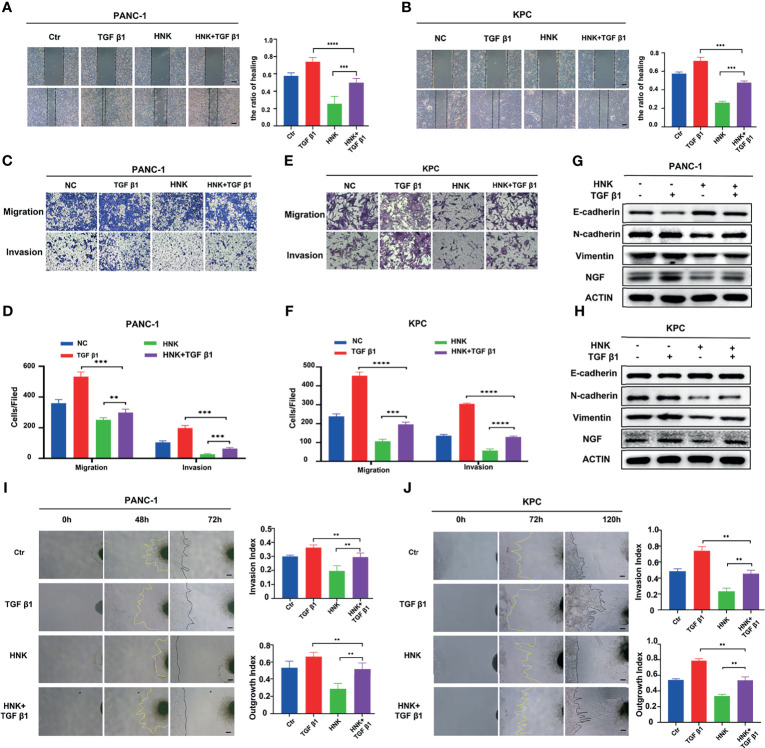
In our study, pancreatic cancer cells were treated with vehicle or HNK, and the invasion and migration capacities were assessed by wound scratch assays and Transwell assays. A cancer cell-dorsal root ganglion coculture model was established to evaluate the effect of HNK on the PNI of pancreatic cancer. Western blotting was used to detect markers of EMT and neurotrophic factors in pancreatic tissue. Recombinant TGF-β1 was used to activate SMAD2/3 to verify the effect of HNK on SMAD2/3 and neurotrophic factors. The subcutaneous tumor model and the sciatic nerve invasion model, which were established in transgenic engineered mice harboring spontaneous pancreatic cancer, were used to investigate the mechanism by which HNK inhibits EMT and PNI .
We found that HNK can inhibit the invasion and migration of pancreatic cancer cells. More importantly, HNK can inhibit the PNI of pancreatic cancer. The HNK-mediated suppression of pancreatic cancer PNI was partially mediated by inhibition of SMAD2/3 phosphorylation. In addition, the inhibitory effect of HNK on PNI can be reversed by activating SMAD2/3. , we found that HNK can suppress EMT in pancreatic cancer. HNK can also inhibit cancer cell migration along the nerve, reduce the damage to the sciatic nerve caused by tumor cells and protect the function of the sciatic nerve.
Our results demonstrate that HNK can inhibit the invasion, migration, and PNI of pancreatic cancer by blocking SMAD2/3 phosphorylation, and we conclude that HNK may be a new strategy for suppressing PNI in pancreatic cancer.
神经周围浸润(PNI)是胰腺癌的一项重要病理特征,胰腺癌中PNI的发生率为70%-100%。PNI与胰腺癌患者的不良预后、转移及复发相关。胰腺癌中针对PNI的治疗方法非常少。厚朴酚(HNK)是一种主要从木兰属植物中提取的天然产物,已被证实具有抗癌活性。HNK还具有强大的神经营养活性,可能对抑制PNI有效。然而,HNK在胰腺癌PNI治疗中的潜在作用尚未阐明。
在我们的研究中,用溶剂或HNK处理胰腺癌细胞,通过划痕试验和Transwell试验评估其侵袭和迁移能力。建立癌细胞-背根神经节共培养模型以评估HNK对胰腺癌PNI的影响。采用蛋白质免疫印迹法检测胰腺组织中上皮-间质转化(EMT)标志物和神经营养因子。使用重组转化生长因子-β1(TGF-β1)激活SMAD2/3,以验证HNK对SMAD2/3和神经营养因子的作用。利用在携带自发性胰腺癌的转基因工程小鼠中建立的皮下肿瘤模型和坐骨神经侵袭模型,研究HNK抑制EMT和PNI的机制。
我们发现HNK可抑制胰腺癌细胞的侵袭和迁移。更重要的是,HNK可抑制胰腺癌的PNI。HNK介导的胰腺癌PNI抑制作用部分是通过抑制SMAD2/3磷酸化介导的。此外,激活SMAD2/3可逆转HNK对PNI的抑制作用。我们发现HNK可抑制胰腺癌中的EMT。HNK还可抑制癌细胞沿神经的迁移,减少肿瘤细胞对坐骨神经的损伤并保护坐骨神经的功能。
我们的结果表明,HNK可通过阻断SMAD2/3磷酸化来抑制胰腺癌的侵袭、迁移和PNI,我们得出结论,HNK可能是抑制胰腺癌PNI的一种新策略。