Praud Christophe, Jimenez Justine, Pampouille Eva, Couroussé Nathalie, Godet Estelle, Le Bihan-Duval Elisabeth, Berri Cecile
INRAE, Université de Tours, UMR BOA, Nouzilly, France.
Institut Technique de l'Aviculture, Paris, France.
Front Physiol. 2020 Jun 24;11:633. doi: 10.3389/fphys.2020.00633. eCollection 2020.
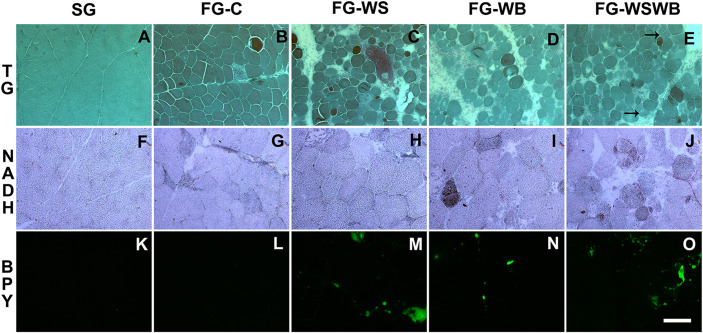
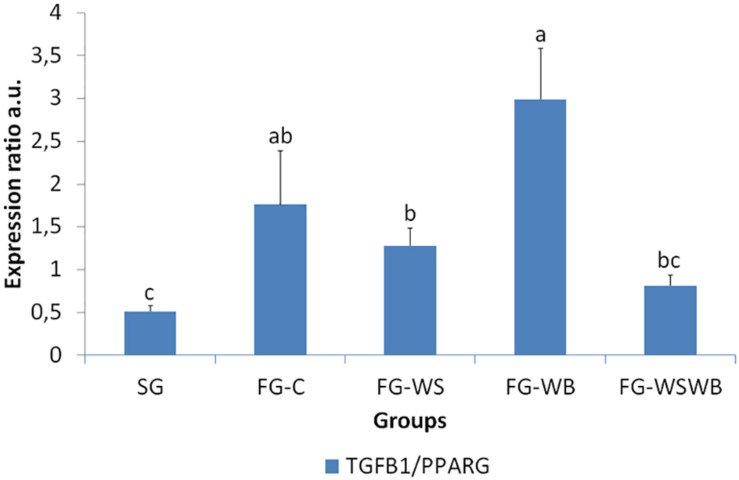
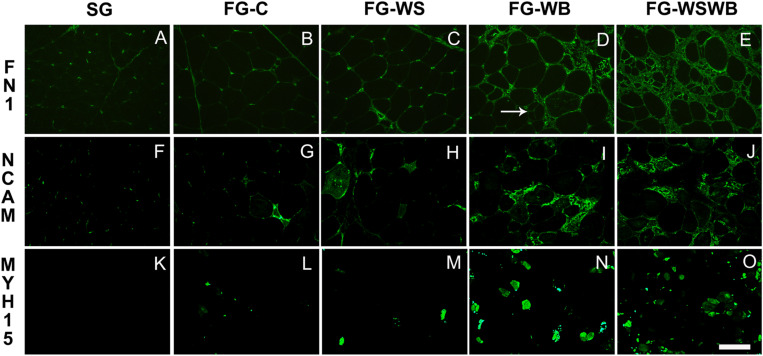
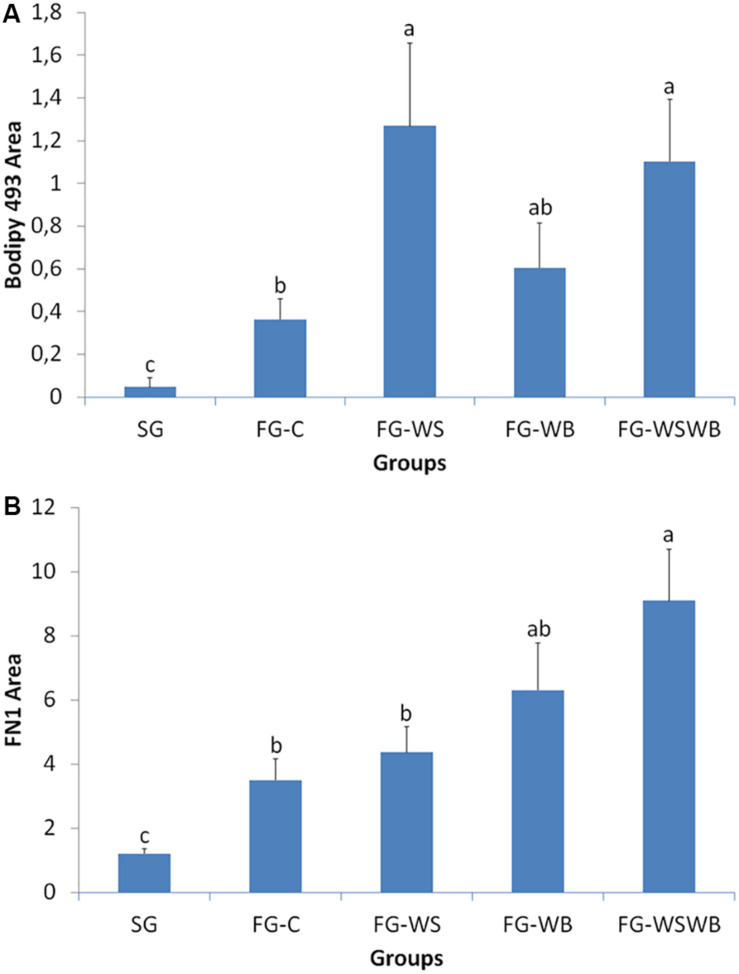
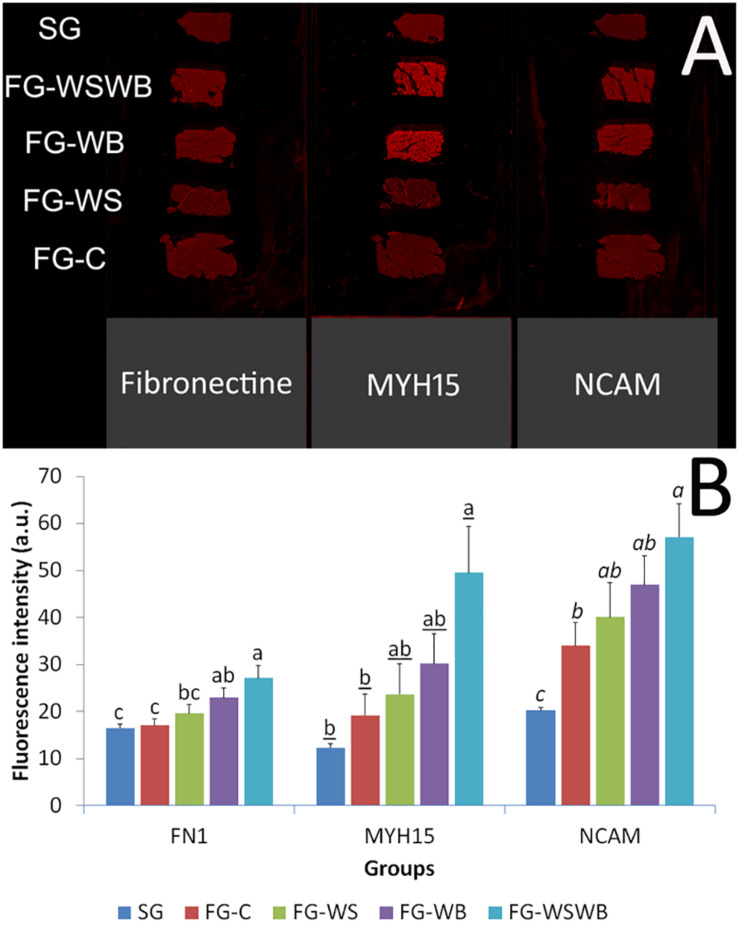
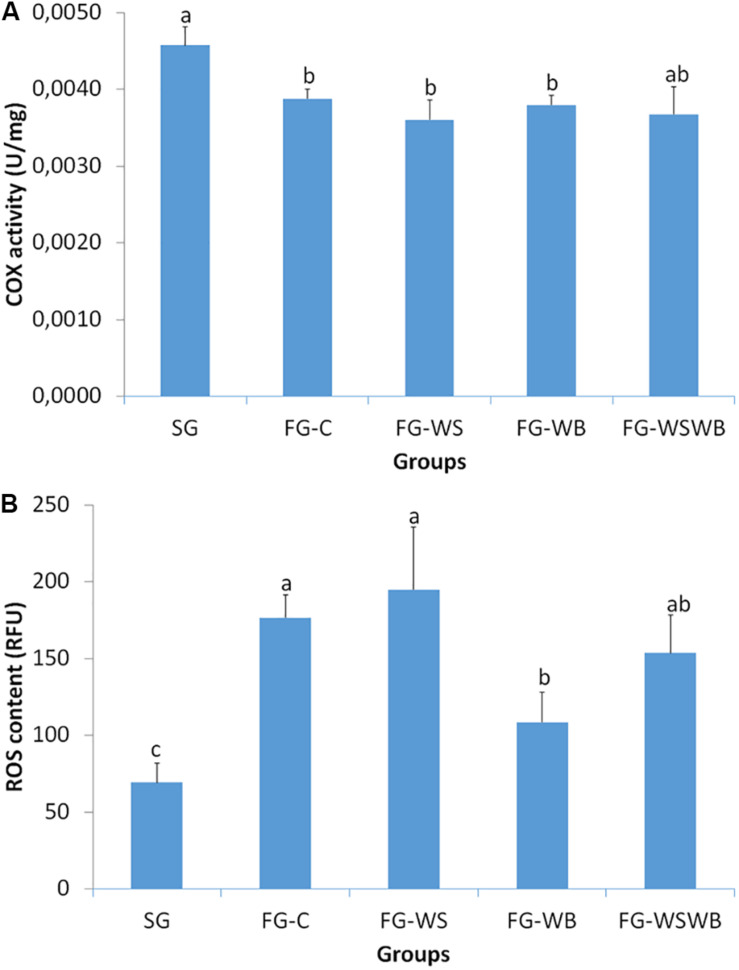
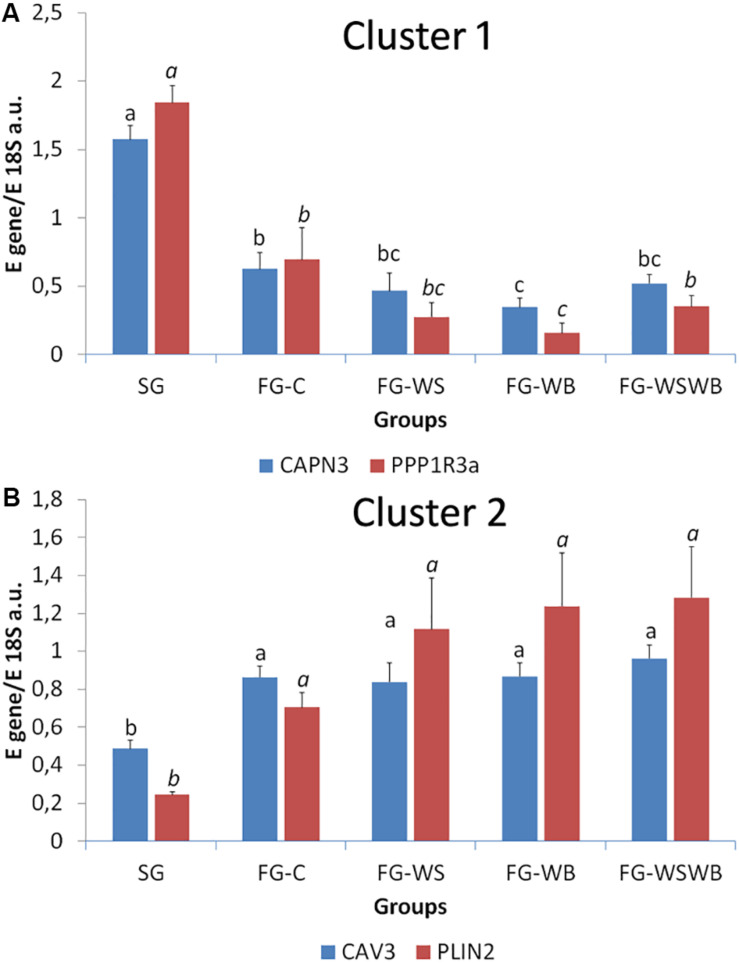
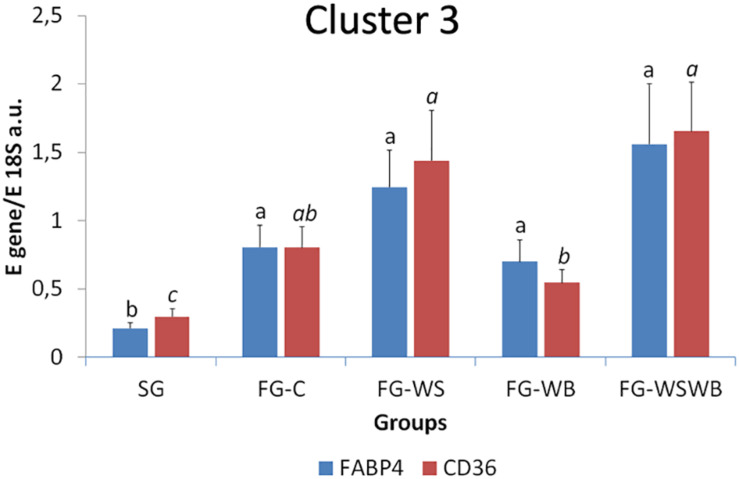
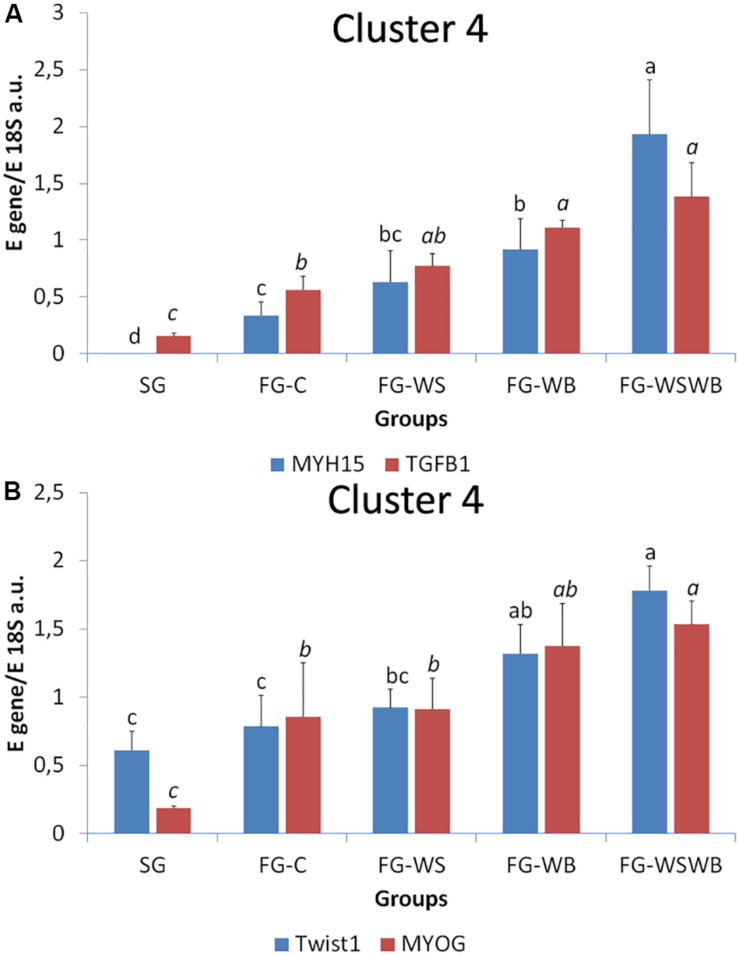
The White Striping (WS) and Wooden Breast (WB) defects are two myopathic syndromes whose occurrence has recently increased in modern fast-growing broilers. The impact of these defects on the quality of breast meat is very important, as they greatly affect its visual aspect, nutritional value, and processing yields. The research conducted to date has improved our knowledge of the biological processes involved in their occurrence, but no solution has been identified so far to significantly reduce their incidence without affecting growing performance of broilers. This study aims to follow the evolution of molecular phenotypes in relation to both fast-growing rate and the occurrence of defects in order to identify potential biomarkers for diagnostic purposes, but also to improve our understanding of physiological dysregulation involved in the occurrence of WS and WB. This has been achieved through enzymatic, histological, and transcriptional approaches by considering breast muscles from a slow- and a fast-growing line, affected or not by WS and WB. Fast-growing muscles produced more reactive oxygen species (ROS) than slow-growing ones, independently of WS and WB occurrence. Within fast-growing muscles, despite higher mitochondria density, muscles affected by WS or WB defects did not show higher cytochrome oxidase activity (COX) activity, suggesting altered mitochondrial function. Among the markers related to muscle remodeling and regeneration, immunohistochemical staining of FN1, NCAM, and MYH15 was higher in fast- compared to slow-growing muscles, and their amount also increased linearly with the presence and severity of WS and WB defects, making them potential biomarkers to assess accurately their presence and severity. Thanks to an innovative histological technique based on fluorescence intensity measurement, they can be rapidly quantified to estimate the injuries induced in case of WS and WB. The muscular expression of several other genes correlates also positively to the presence and severity of the defects like and , both involved in the development of connective tissue, or , known as an inhibitor of myogenesis. Finally, our results suggested that a balance between and would be essential for fibrosis or adiposis induction and therefore for determining WS and WB phenotypes.
白条化(WS)和木胸(WB)缺陷是两种肌病综合征,在现代快速生长的肉鸡中其发生率最近有所增加。这些缺陷对胸肉品质的影响非常重要,因为它们极大地影响其外观、营养价值和加工产量。迄今为止进行的研究增进了我们对其发生所涉及的生物学过程的了解,但目前尚未找到在不影响肉鸡生长性能的情况下显著降低其发生率的解决方案。本研究旨在追踪与快速生长速度和缺陷发生相关的分子表型的演变,以便识别潜在的生物标志物用于诊断目的,同时也增进我们对WS和WB发生所涉及的生理失调的理解。这是通过酶学、组织学和转录方法实现的,研究对象为来自慢速和快速生长品系的胸肌,这些胸肌受或未受WS和WB影响。无论WS和WB是否发生,快速生长的肌肉比慢速生长的肌肉产生更多的活性氧(ROS)。在快速生长的肌肉中,尽管线粒体密度较高,但受WS或WB缺陷影响的肌肉并未表现出更高的细胞色素氧化酶活性(COX),这表明线粒体功能发生了改变。在与肌肉重塑和再生相关的标志物中,与慢速生长的肌肉相比,快速生长的肌肉中FN1、NCAM和MYH15的免疫组织化学染色更高,并且它们的量也随着WS和WB缺陷的存在和严重程度呈线性增加,使其成为准确评估其存在和严重程度的潜在生物标志物。借助基于荧光强度测量的创新组织学技术,可以快速对它们进行量化,以估计WS和WB情况下所诱导的损伤。其他几个基因的肌肉表达也与缺陷的存在和严重程度呈正相关,如参与结缔组织发育的 和 ,或作为肌生成抑制剂的 。最后,我们的结果表明, 和 之间的平衡对于纤维化或脂肪变性的诱导以及因此对于确定WS和WB表型至关重要。