Division of Hematology and Oncology, Department of Internal Medicine, University of Texas Southwestern Medical Center, Dallas, TX 75390, USA.
Lead Contact.
Cell Rep Med. 2020 Jun 23;1(3). doi: 10.1016/j.xcrm.2020.100034.
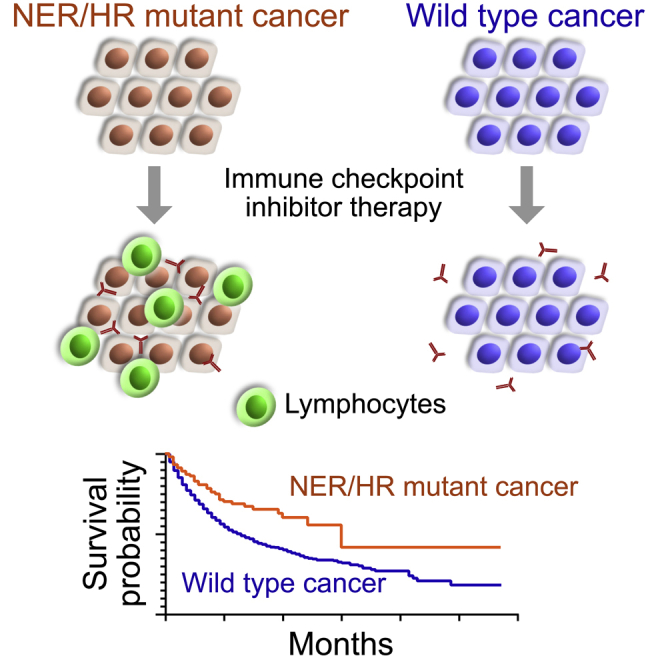
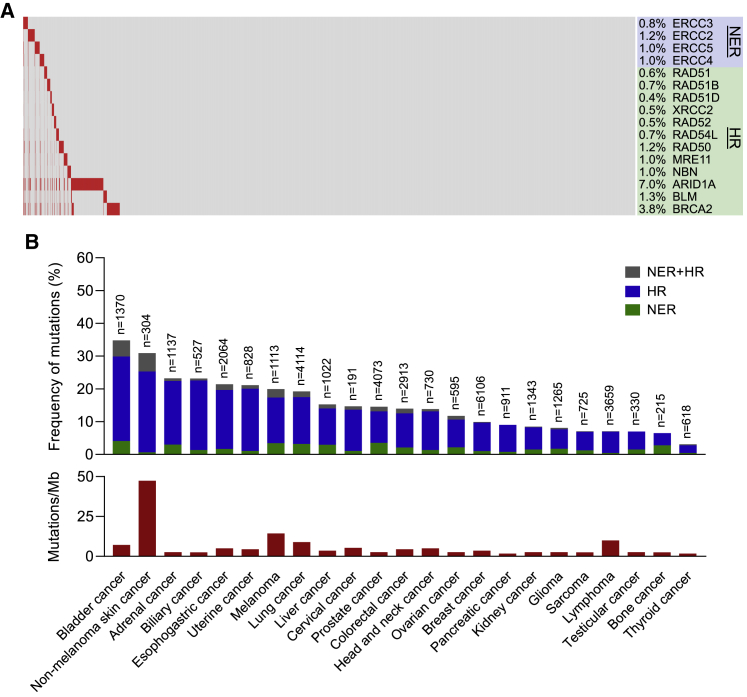
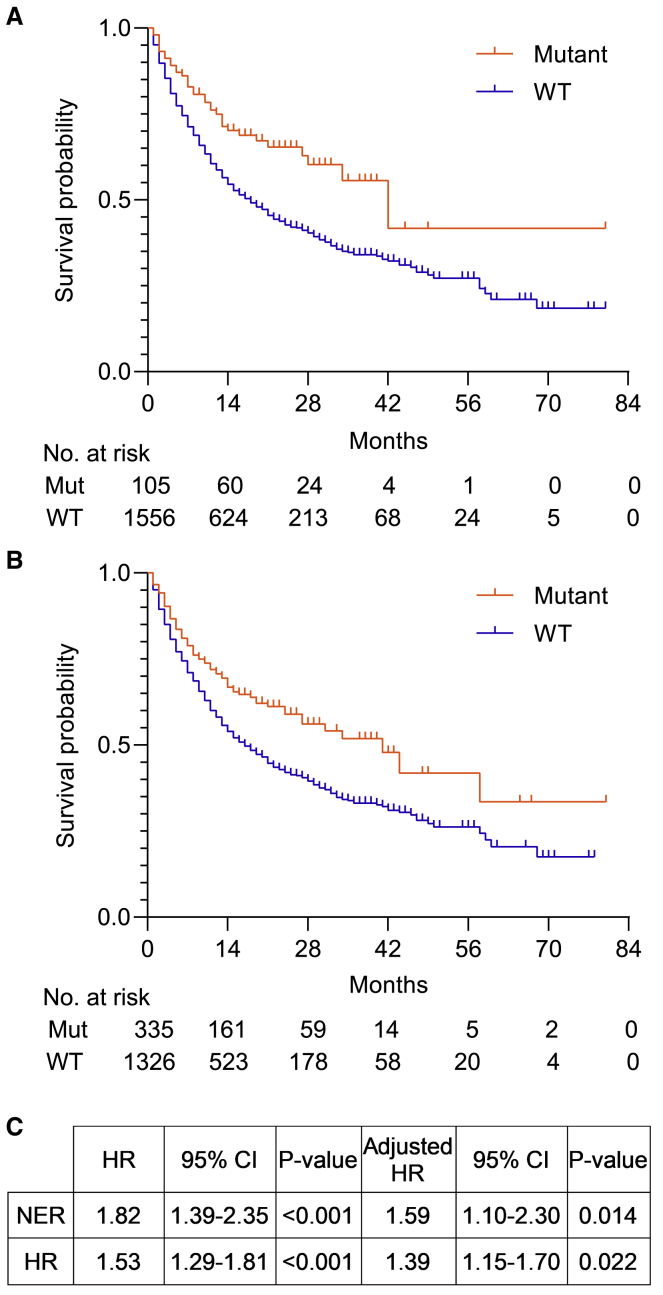
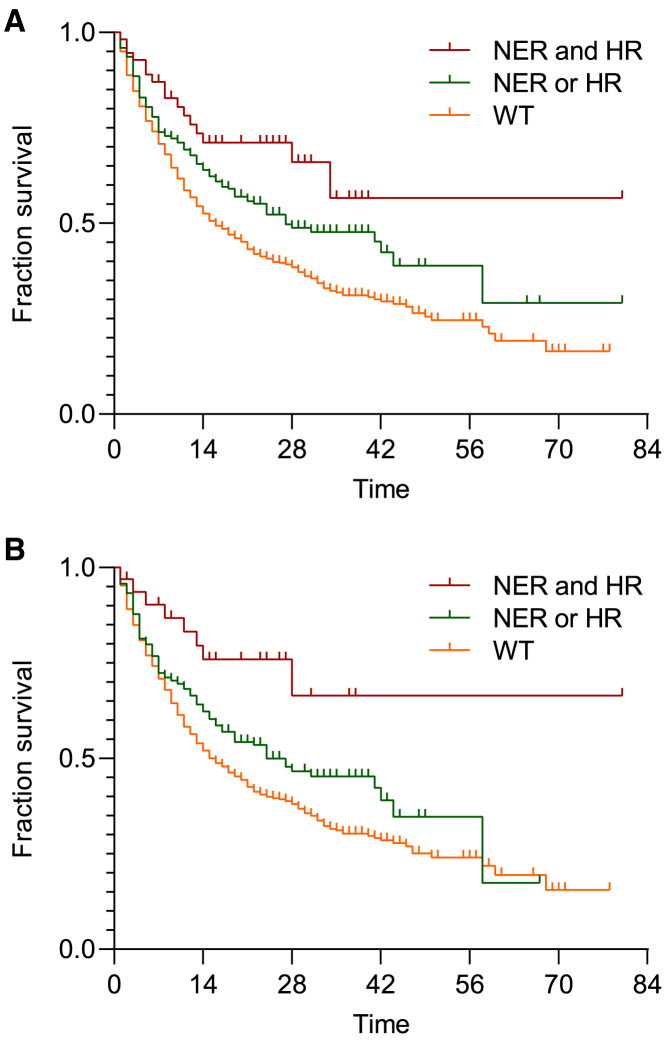
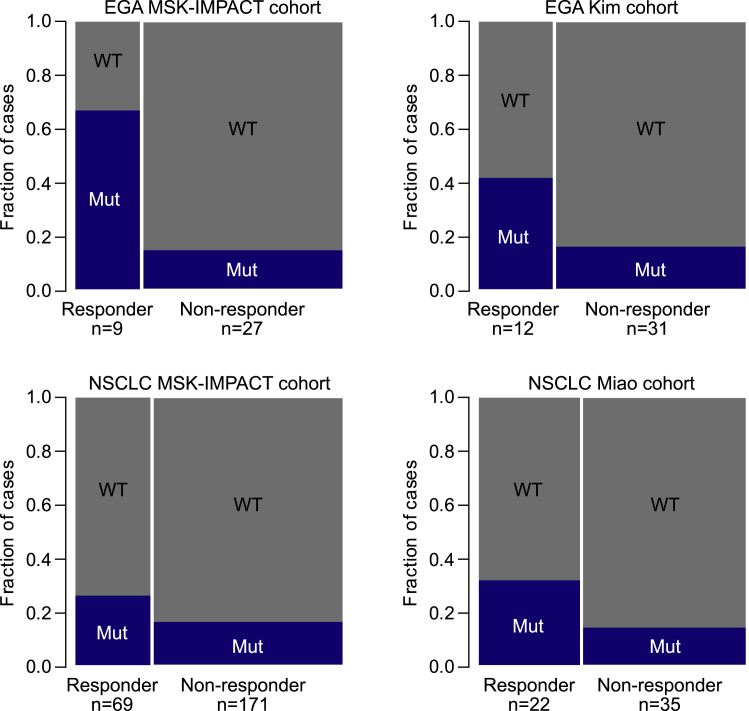
Immune checkpoint inhibitors (ICIs) have revolutionized cancer therapy, but prediction of their benefit is challenging. Neoantigens generated through impaired non-mismatch DNA repair may result in greater ICI activity. By analyzing 1,661 ICI-treated patients, we show that deletions and mutations in nucleotide excision repair (NER) and homologous repair (HR) pathways are predictors of ICI benefit independent of tumor mutation burden and tumor type. NER and HR mutations are also associated with objective response rates to ICIs in esophagogastric and non-small-cell lung cancers. In a cohort of 40,181 unique patients, NER and HR mutations are present in 3.4% and 13.9% of cancers, respectively. These results indicate that NER and HR gene mutations occur in a subpopulation of cancer patients and may aid patient selection for ICI therapy. Assessing NER and HR mutations in the context of other biomarkers may yield powerful predictors of ICI activity across different cancer types.
免疫检查点抑制剂(ICIs)已经彻底改变了癌症治疗,但预测其疗效具有挑战性。通过受损的非错配 DNA 修复产生的新抗原可能导致更高的 ICI 活性。通过分析 1661 名接受 ICI 治疗的患者,我们表明核苷酸切除修复(NER)和同源修复(HR)途径中的缺失和突变是 ICI 疗效的预测因素,独立于肿瘤突变负担和肿瘤类型。NER 和 HR 突变也与食管胃和非小细胞肺癌对 ICI 的客观缓解率相关。在一个包含 40181 个独特患者的队列中,NER 和 HR 突变分别存在于 3.4%和 13.9%的癌症中。这些结果表明,NER 和 HR 基因突变发生在癌症患者的亚群中,可能有助于为 ICI 治疗选择患者。在其他生物标志物的背景下评估 NER 和 HR 突变可能会在不同的癌症类型中产生强大的 ICI 活性预测因子。