Department of orthopedics, Xijing Hospital, The Airforce Military Medical University, 710032, China.
Biomed Res Int. 2020 Jul 1;2020:5043583. doi: 10.1155/2020/5043583. eCollection 2020.
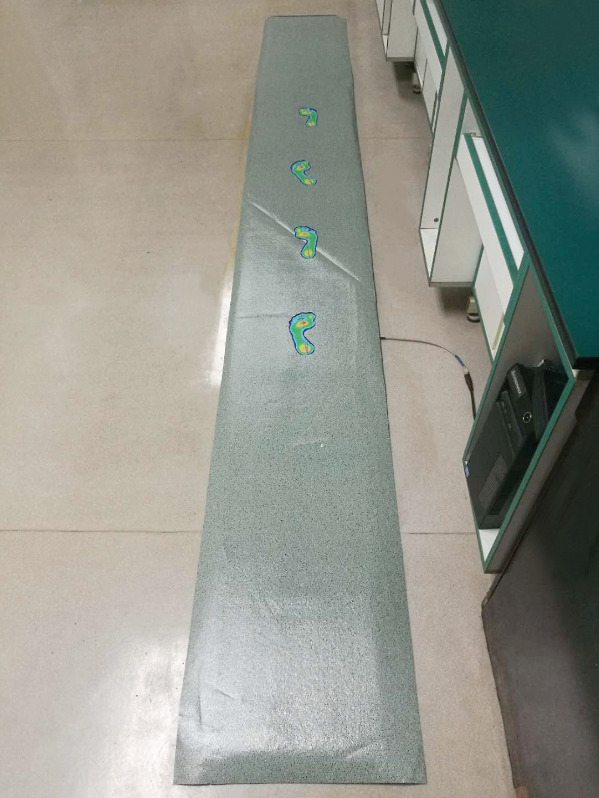
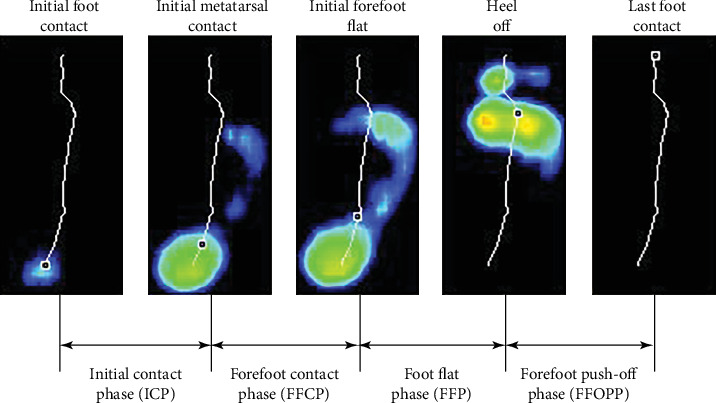
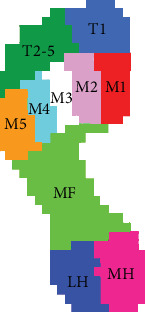
Lumbar spinal stenosis (LSS) is a common disease in the elderly population; it has been reported that patients with LSS have an abnormal gait pattern due to symptom such as neurogenic intermittent claudication (NIC); however, no detailed reports exist on the plantar pressure distributions in LSS patients with NIC. To analysis the plantar pressure characteristics of LSS patients, the Footscan® pressure system was used to perform dynamic plantar pressure measurements in 20 LSS patients (age, 69.5 ± 7.2 years) before and after the occurrence of NIC. The contact time (CT), foot progression angle (FPA), pressure-time integral (PTI), and contact area (CA) were collected and compared between the LSS patients and age-matched healthy subjects in each measurement. The LSS group showed an increase in forefoot CT%, PTI, and CA% in both measurements compared with those in the control group. After the occurrence of NIC in the LSS group, CT%, PTI, and CA% of the forefoot increased further compared with those before the occurrence of NIC. In addition, after the occurrence of NIC, the PTI and CA% of the forefoot shifted from the medial foot to the lateral foot. The results suggested that the plantar pressure distributions of patients with LSS differs from normal subjects due to the posture of waking with lumbar forward flexion, and the forefoot bears a higher relative load. In addition, the occurrence of NIC could affect the plantar pressure distribution of the patients with LSS, predicting the patient's risk of falling to the anterior direction and to the symptomatic side.
腰椎管狭窄症(LSS)是老年人群中的一种常见疾病;据报道,LSS 患者由于神经源性间歇性跛行(NIC)等症状而出现异常步态模式;然而,目前尚无关于 NIC 的 LSS 患者足底压力分布的详细报告。为分析 LSS 合并 NIC 患者的足底压力特征,使用 Footscan®压力系统对 20 例 LSS 患者(年龄 69.5±7.2 岁)在出现 NIC 前后进行了动态足底压力测量。在每次测量中,收集并比较了 LSS 患者与年龄匹配的健康受试者之间的接触时间(CT)、足进角(FPA)、压力时间积分(PTI)和接触面积(CA)。与对照组相比,LSS 组在两次测量中均显示前脚 CT%、PTI 和 CA%增加。在 LSS 组出现 NIC 后,前脚的 CT%、PTI 和 CA%与出现 NIC 前相比进一步增加。此外,在出现 NIC 后,前脚的 PTI 和 CA%从内侧足移到外侧足。结果表明,由于腰椎前屈的站立姿势,LSS 患者的足底压力分布与正常人不同,前脚承受着更高的相对负荷。此外,NIC 的发生可能会影响 LSS 患者的足底压力分布,预测患者向前和向症状侧跌倒的风险。