Department of Animal Physiology and Developmental Biology, Faculty of Biology, Adam Mickiewicz University, Poznań, Poland.
Sci Rep. 2020 Jul 21;10(1):12076. doi: 10.1038/s41598-020-68941-z.
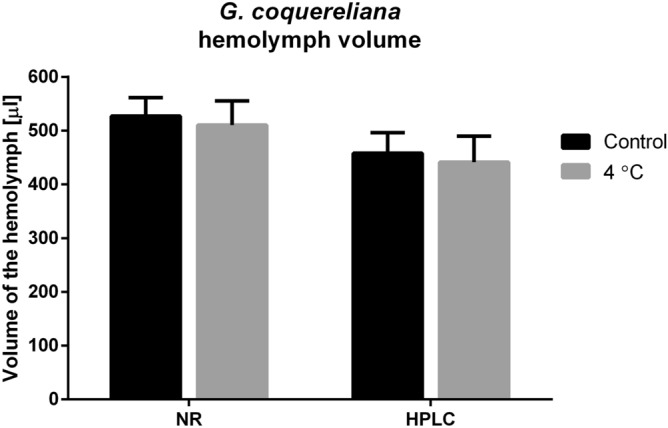
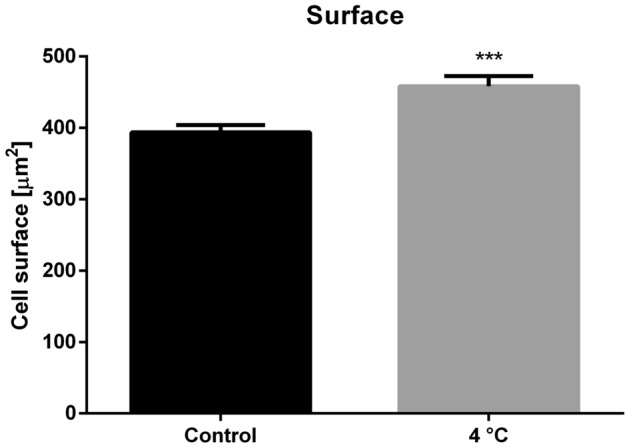
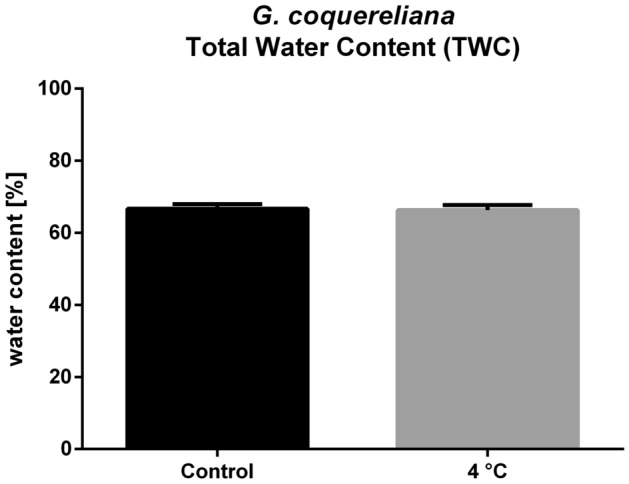
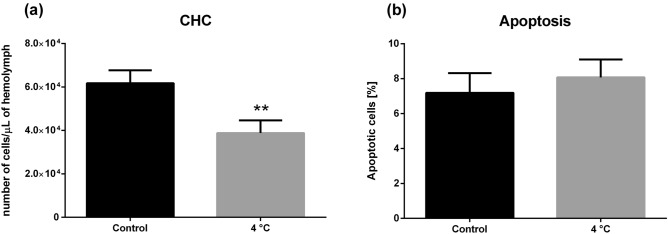
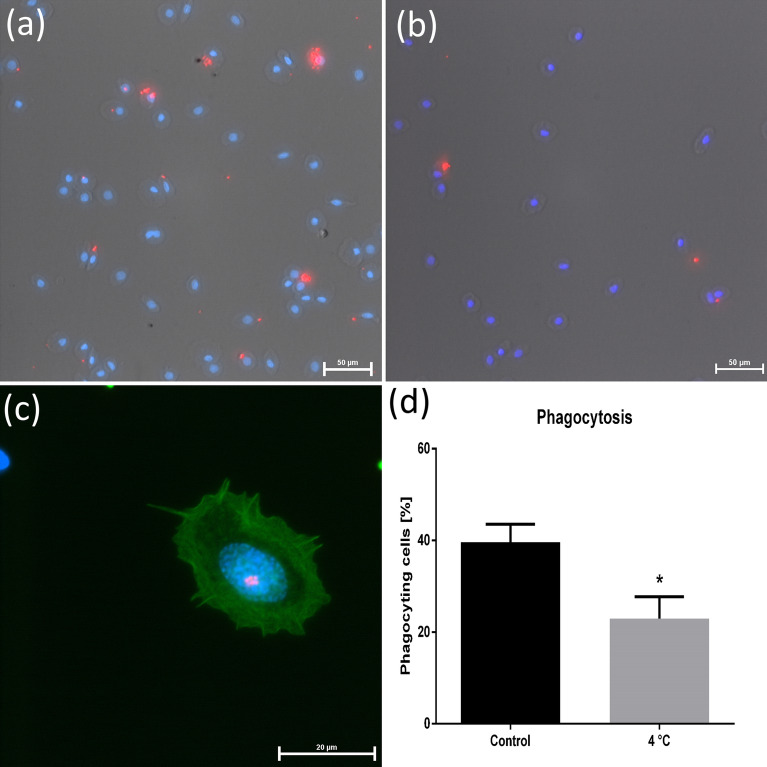
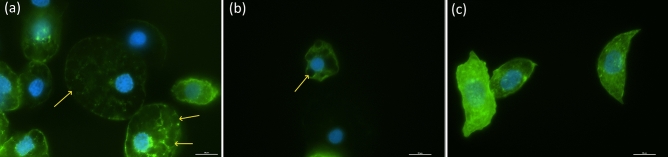
Low temperatures in nature occur together with desiccation conditions, causing changes in metabolic pathways and cellular dehydration, affecting hemolymph volume, water content and ion homeostasis. Although some research has been conducted on the effect of low temperature on Gromphadorhina coquereliana, showing that it can survive exposures to cold or even freezing, no one has studied the effect of cold on the hemolymph volume and the immune response of this cockroach. Here, we investigated the effect of low temperature (4 °C) on the abovementioned parameters, hemocyte morphology and total number. Cold stress affected hemocytes and the immune response, but not hemolymph volume. After stress, the number of circulating hemocytes decreased by 44.7%, but the ratio of apoptotic cells did not differ significantly between stressed and control individuals: 8.06% and 7.18%, respectively. The number of phagocyting hemocytes decreased by 16.66%, the hemocyte morphology drastically changed, and the F-actin cytoskeleton differed substantially in cold-stressed insects compared to control insects. Moreover, the surface area of the cells increased from 393.69 µm in the control to 458.38 µm in cold-treated animals. Together, our results show the links between cold stress and the cellular immune response, which probably results in the survival capability of this species.
自然界中的低温通常伴随着干燥条件,导致代谢途径和细胞脱水发生变化,从而影响血淋巴体积、含水量和离子稳态。虽然已经有一些关于低温对 Gromphadorhina coquereliana 影响的研究,表明它可以在寒冷甚至冰冻的环境中生存,但没有人研究过低温对这种蟑螂的血淋巴体积和免疫反应的影响。在这里,我们研究了低温(4°C)对上述参数、血细胞形态和总数的影响。冷应激会影响血细胞和免疫反应,但不会影响血淋巴体积。应激后,循环血细胞数量减少了 44.7%,但应激和对照个体之间的凋亡细胞比例没有显著差异:分别为 8.06%和 7.18%。吞噬血细胞的数量减少了 16.66%,血细胞形态发生了剧烈变化,与对照昆虫相比,冷应激昆虫的 F-肌动蛋白细胞骨架有很大差异。此外,细胞表面积从对照动物的 393.69µm 增加到冷处理动物的 458.38µm。总之,我们的结果表明了冷应激与细胞免疫反应之间的联系,这可能导致了该物种的生存能力。