Department of Orthopaedic Surgery, Kyoto University Graduate School of Medicine, 54 Shogoin Kawahara-cho, Sakyo-ku, Kyoto, 606-8507, Japan.
Department of Clinical Application, Center for iPS Cell Research and Application, Kyoto University, 53 Kawahara-cho, Shogoin, Sakyo-ku, Kyoto, 606-8507, Japan.
Sci Rep. 2020 Jul 21;10(1):12034. doi: 10.1038/s41598-020-68745-1.
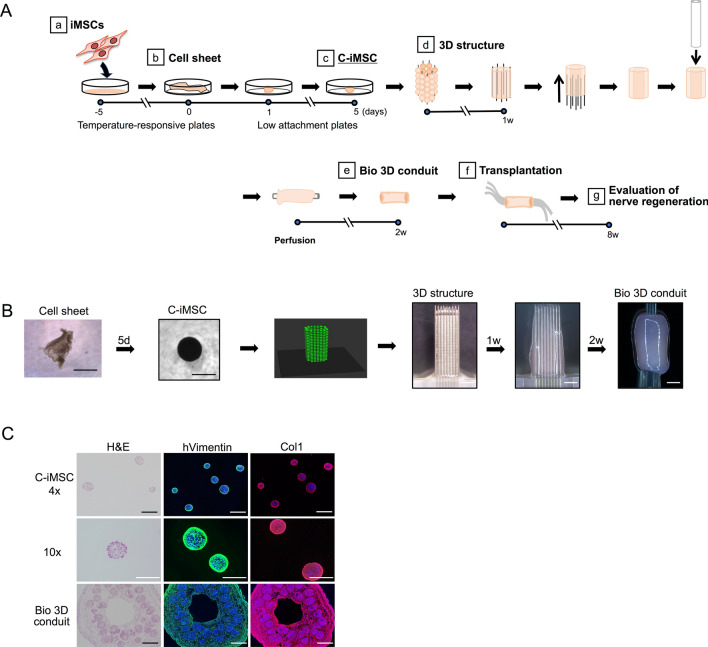
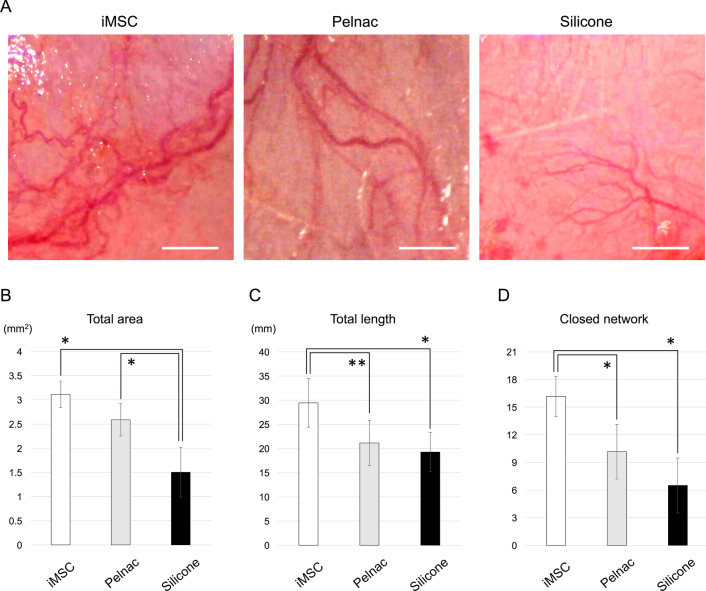
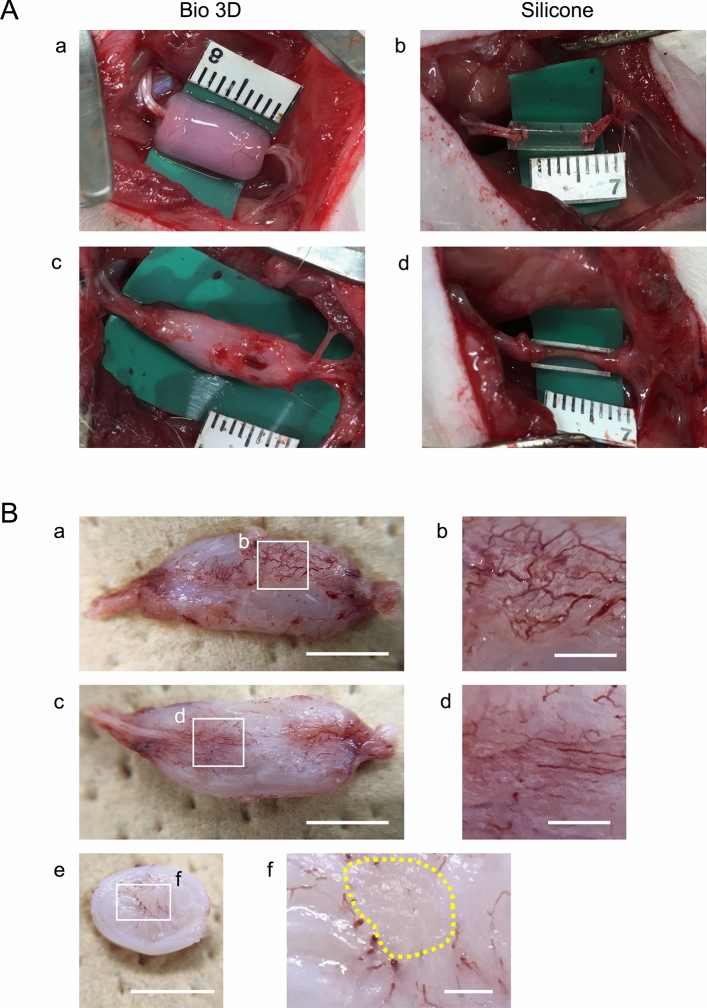
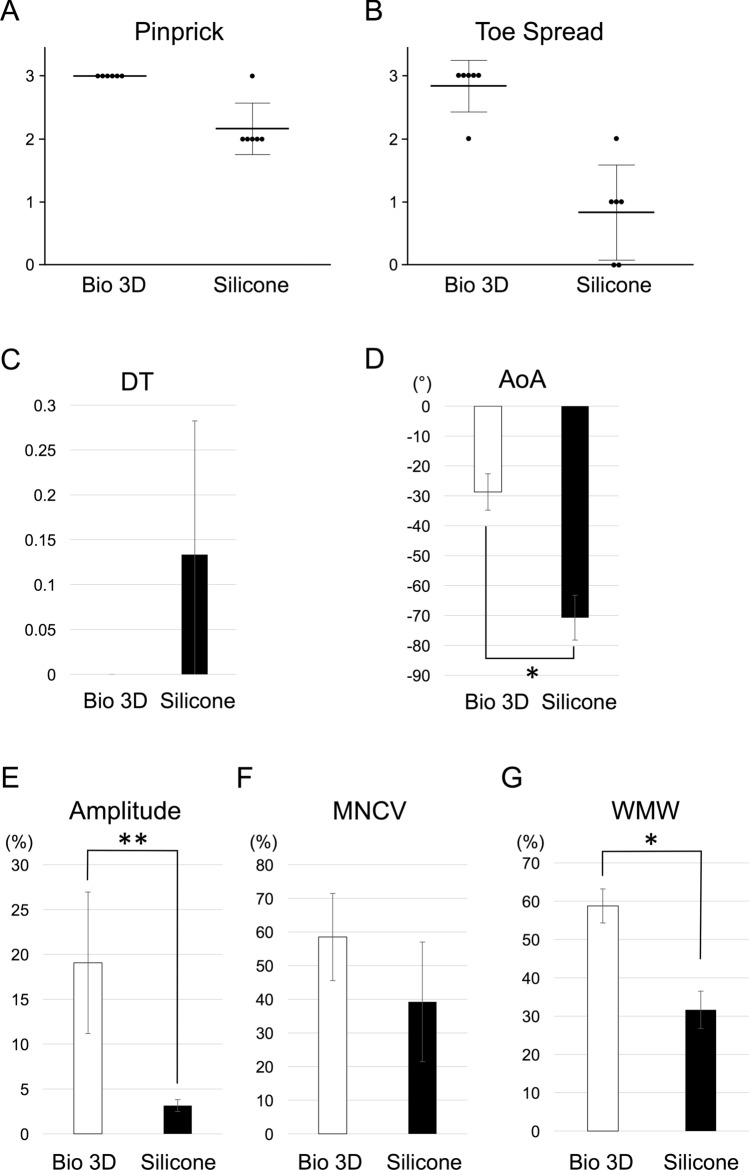
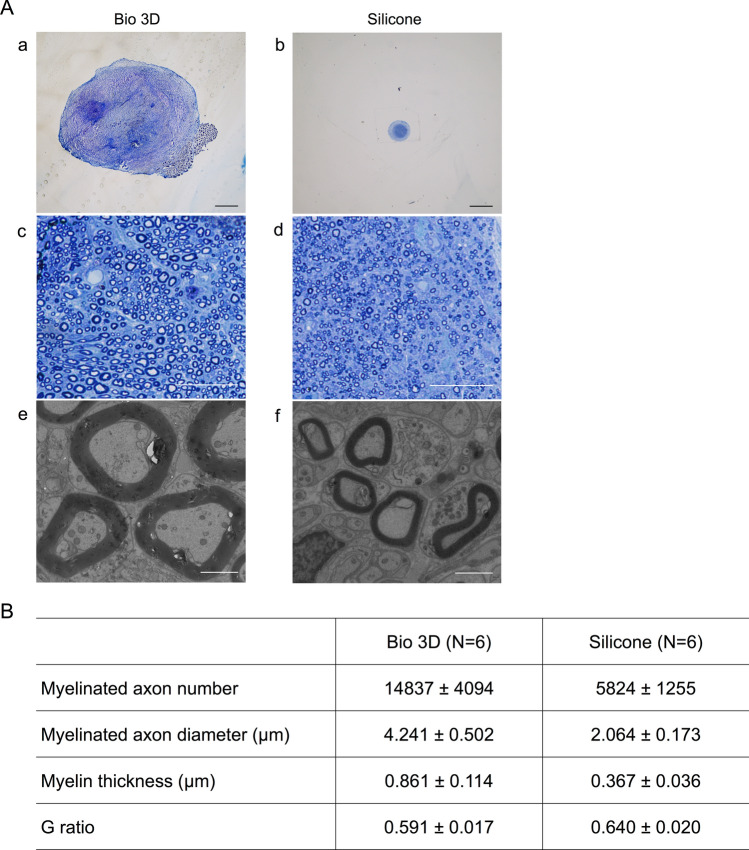
Although autologous nerve grafting is widely accepted as the gold standard treatment for segmental nerve defects, harvesting autologous nerves is highly invasive and leads to functional loss of the ablated part. In response, artificial nerve conduits made of artificial materials have been reported, but the efficacy of the nerve regeneration still needs improvement. The purpose of this study is to investigate the efficacy and mechanism of the Bio three-dimensional (3D) conduit composed of xeno-free human induced pluripotent stem cell-derived mesenchymal stem cells (iMSCs). The 5-mm nerve gap of the sciatic nerve in immunodeficient rats was bridged with the Bio 3D conduit or silicone tube. Functional and histological recovery were assessed at 8 weeks after surgery. The regenerated nerve in the Bio 3D group was significantly superior to that in the silicone group based on morphology, kinematics, electrophysiology, and wet muscle weight. Gene expression analyses demonstrated neurotrophic and angiogenic factors. Macroscopic observation revealed neovascularization both inside and on the surface of the Bio 3D conduit. Upon their subcutaneous implantation, iMSCs could induce angiogenesis. The Bio 3D conduit fabricated from iMSCs are an effective strategy for nerve regeneration in animal model. This technology will be useful in future clinical situations.
虽然自体神经移植被广泛认为是治疗节段性神经缺损的金标准治疗方法,但自体神经的采集具有高度的侵入性,会导致被切除部分的功能丧失。因此,已经有报道称使用人工材料制成的人工神经导管,但神经再生的效果仍需要提高。本研究旨在探讨由无动物源的人诱导多能干细胞衍生的间充质干细胞(iMSCs)组成的 Bio 三维(3D)导管的疗效和机制。在免疫缺陷大鼠的坐骨神经 5mm 神经缺损处,用 Bio 3D 导管或硅胶管桥接。术后 8 周评估功能和组织学恢复情况。基于形态学、运动学、电生理学和湿肌肉重量,再生神经在 Bio 3D 组明显优于硅胶组。基因表达分析显示神经营养和血管生成因子。宏观观察显示 Bio 3D 导管内外均有新生血管。在皮下植入后,iMSCs 可诱导血管生成。由 iMSCs 制成的 Bio 3D 导管是动物模型中有效促进神经再生的策略。这项技术将在未来的临床情况下发挥作用。