Department of Experimental Psychology, University of Oxford, Radcliffe Observatory Quarter, Oxford, OX2 6GG, UK.
Department of Psychiatry, Warneford Hospital, University of Oxford, Oxford, OX3 7JX, UK.
BMC Neurosci. 2020 Jul 22;21(1):32. doi: 10.1186/s12868-020-00583-3.
Recent research has revealed that the community of microorganisms inhabiting the gut affects brain development, function and behaviour. In particular, disruption of the gut microbiome during critical developmental windows can have lasting effects on host physiology. Both antibiotic exposure and germ-free conditions impact the central nervous system and can alter multiple aspects of behaviour. Social impairments are typically displayed by antibiotic-treated and germ-free animals, yet there is a lack of understanding of the underlying neurobiological changes. Since the μ-opioid, oxytocin and vasopressin systems are key modulators of mammalian social behaviour, here we investigate the effect of experimentally manipulating the gut microbiome on the expression of these pathways.
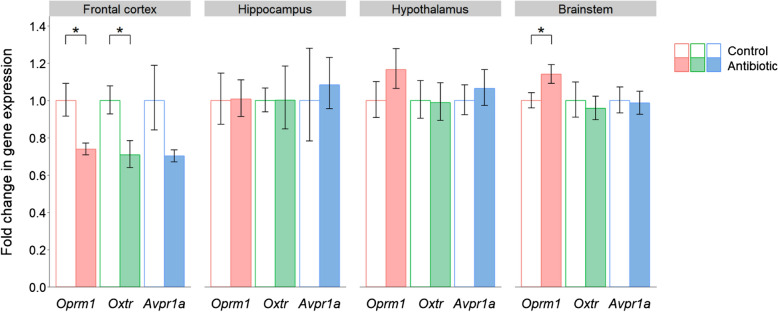
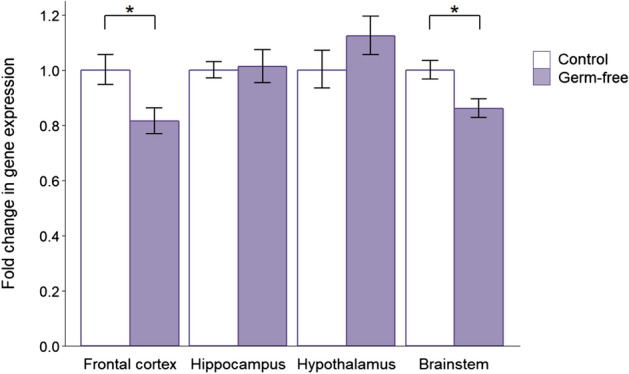
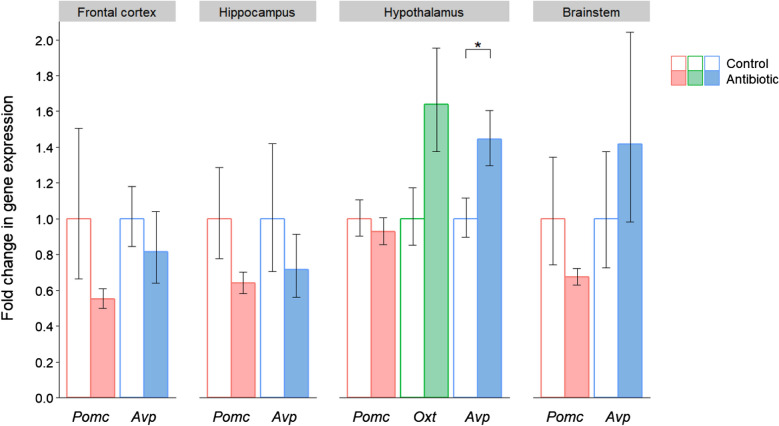
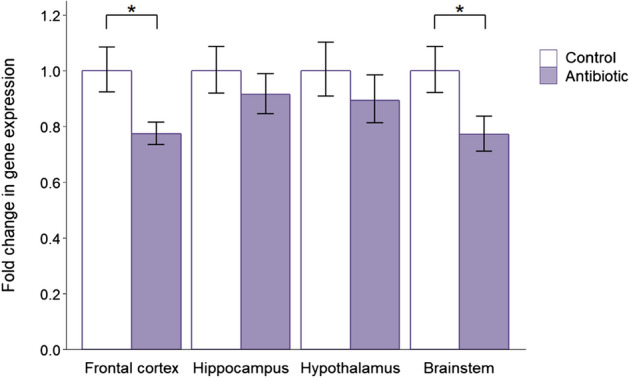
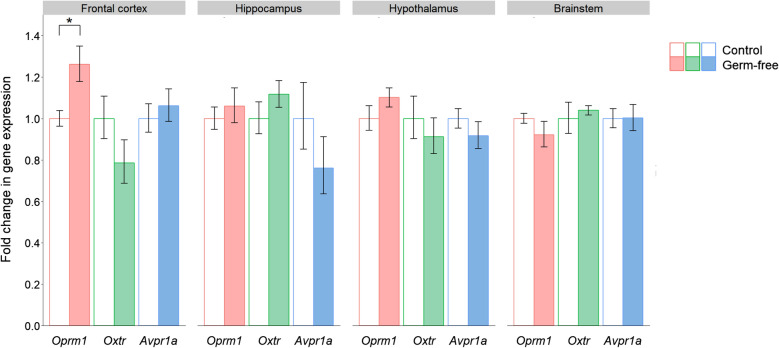
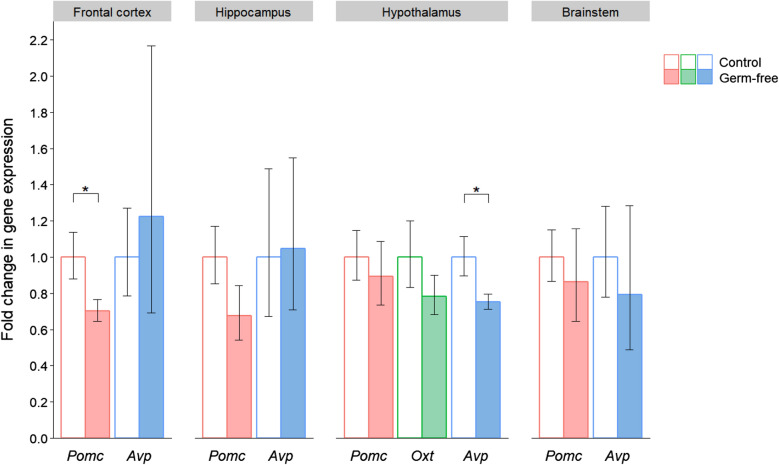
We show that social neuropeptide signalling is disrupted in germ-free and antibiotic-treated mice, which may contribute to the behavioural deficits observed in these animal models. The most notable finding is the reduction in neuroreceptor gene expression in the frontal cortex of mice administered an antibiotic cocktail post-weaning. Additionally, the changes observed in germ-free mice were generally in the opposite direction to the antibiotic-treated mice.
Antibiotic treatment when young can impact brain signalling pathways underpinning social behaviour and pain regulation. Since antibiotic administration is common in childhood and adolescence, our findings highlight the potential adverse effects that antibiotic exposure during these key neurodevelopmental periods may have on the human brain, including the possible increased risk of neuropsychiatric conditions later in life. In addition, since antibiotics are often considered a more amenable alternative to germ-free conditions, our contrasting results for these two treatments suggest that they should be viewed as distinct models.
最近的研究表明,肠道中栖息的微生物群落会影响大脑的发育、功能和行为。特别是,在关键的发育窗口期破坏肠道微生物组会对宿主生理产生持久的影响。抗生素暴露和无菌条件都会影响中枢神经系统,并改变行为的多个方面。抗生素处理和无菌动物通常会表现出社交障碍,但对其潜在的神经生物学变化缺乏了解。由于μ-阿片、催产素和加压素系统是调节哺乳动物社交行为的关键调节剂,因此我们在这里研究了实验性操纵肠道微生物组对这些途径表达的影响。
我们表明,无菌和抗生素处理的小鼠中的社交神经肽信号被破坏,这可能导致这些动物模型中观察到的行为缺陷。最显著的发现是,在断奶后给予抗生素鸡尾酒的小鼠的前额皮质中,神经受体基因表达减少。此外,无菌小鼠的变化通常与抗生素处理的小鼠相反。
年轻时的抗生素治疗会影响社交行为和疼痛调节的大脑信号通路。由于抗生素在儿童和青少年时期的使用很常见,我们的研究结果强调了在这些关键神经发育期间暴露于抗生素可能对人类大脑产生的潜在不利影响,包括在以后的生活中增加患神经精神疾病的风险。此外,由于抗生素通常被认为是比无菌条件更易于处理的替代方案,因此我们对这两种治疗方法的对比结果表明,它们应该被视为不同的模型。