Tungmunnithum Duangjai, Renouard Sullivan, Drouet Samantha, Blondeau Jean-Philippe, Hano Christophe
Department of Pharmaceutical Botany, Faculty of Pharmacy, Mahidol University, Bangkok 10400, Thailand.
Laboratoire de Biologie des Ligneux et des Grandes Cultures, INRAE USC1328, University of Orleans, 45067 Orléans CEDEX 2, France.
Plants (Basel). 2020 Jul 21;9(7):921. doi: 10.3390/plants9070921.
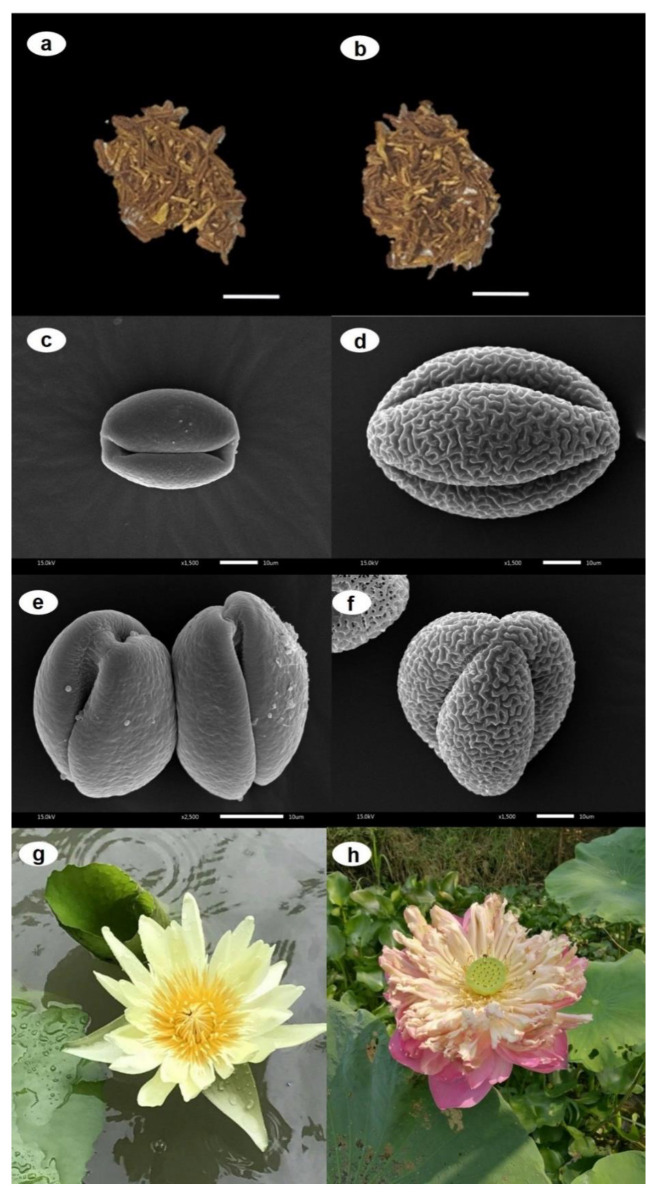
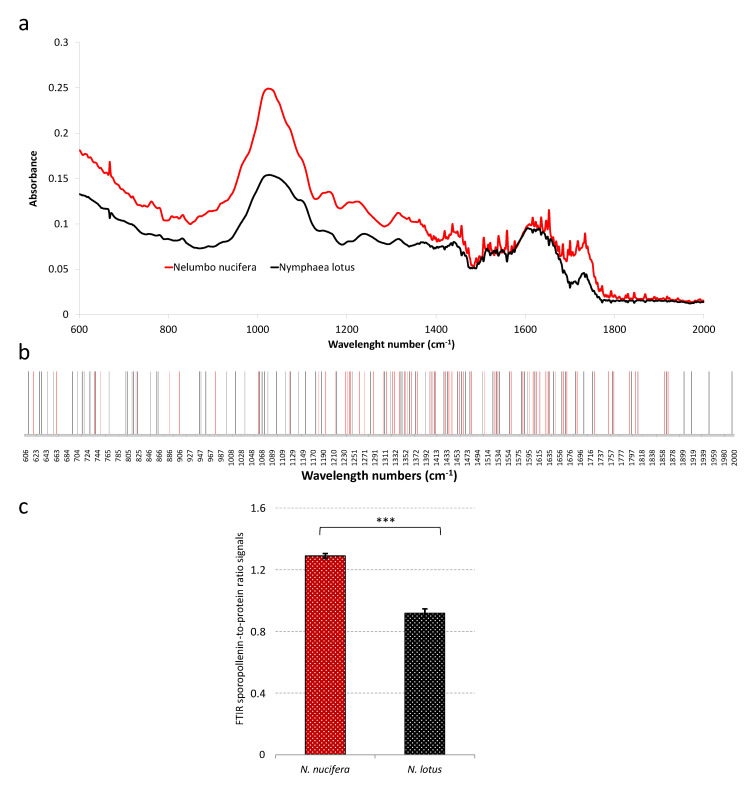
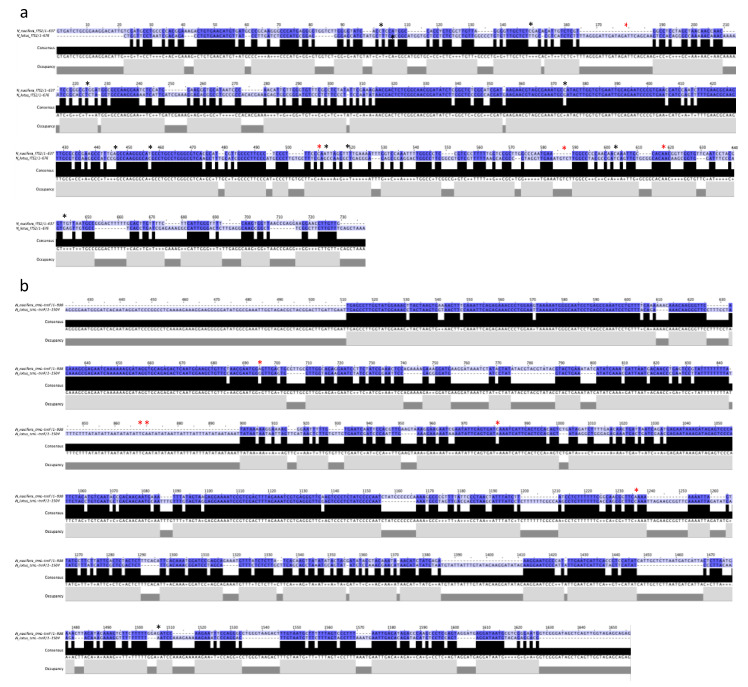
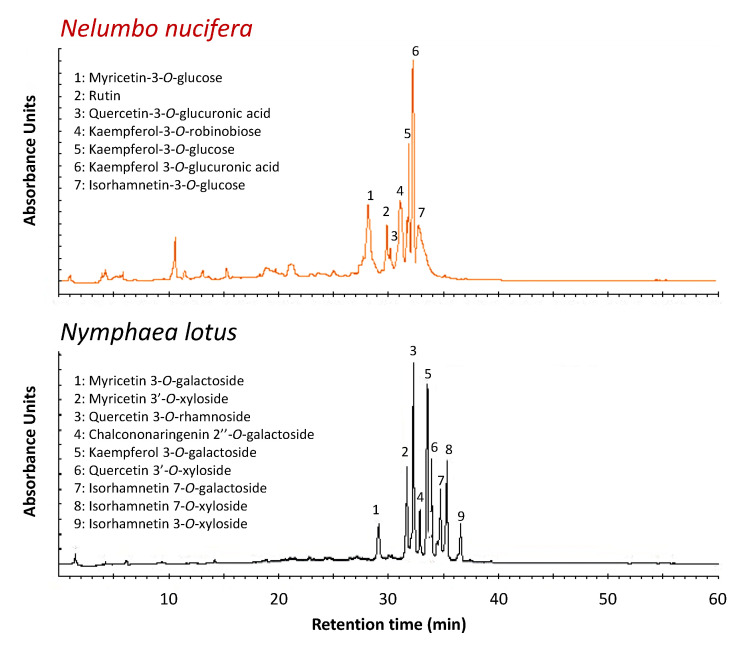
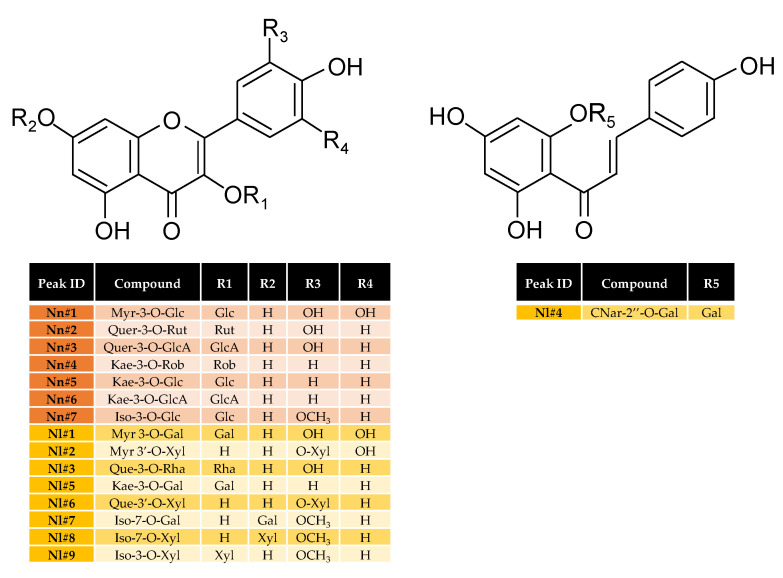
"Bau Luang" or Gaertn. is an aquatic medicinal herb that has been used as a component of traditional medicines, medicinal products, and herbal tea for good health, particularly in Asia. The stamen of is an important part of this medicinal plant that is used in the form of dried and/or powdered stamens for herbal tea as well as the main ingredient of some traditional remedies. However, there is another aquatic herb called "Bau Sai" or L. that is distributed in similar locations. Living plants of these two aquatic species may be classified according to their morphology, but the dried and powdered stamens of these two medicinal species are difficult to distinguish. The major reason of adulteration is the higher price of Bau Luang stamen. As a result, various methods of authentication, such as pollen micromorphology evaluation using scanning electron microscopy (SEM) analysis, bioinformatics analysis of two nuclear and plastic DNA markers, phytochemical stamen profiling, and Fourier transform infrared (FTIR) analysis of stamen plant material authentication from Bau Luang and Bau Sai, have been used in this present research in order to avoid some adulteration and/or misuse between the dried stamens of Bau Luang and Bau Sai. These results showed that the micro-morphology of pollen (size of pollen grain, number of apertures, and surface ornamentation) from the SEM analysis, some phytochemical compounds and the FTIR sporopollenin-to-protein ratio signal analysis are potential tools for authentication and identification of these two medicinal plants from their dried-stamen materials. This model of investigation may also be used to distinguish dried plant material from other problematic plant groups.
“Bau Luang”即Gaertn.,是一种水生药草,一直被用作传统药物、医药产品和凉茶的成分以促进健康,在亚洲尤其如此。其雄蕊是这种药用植物的重要部分,以干燥和/或粉末状雄蕊的形式用于制作凉茶,也是一些传统疗法的主要成分。然而,还有另一种名为“Bau Sai”即L.的水生药草,分布在相似的地点。这两种水生物种的活体植物可根据其形态进行分类,但这两种药用物种的干燥和粉末状雄蕊很难区分。掺假的主要原因是Bau Luang雄蕊价格较高。因此,本研究采用了各种鉴定方法,如使用扫描电子显微镜(SEM)分析进行花粉微观形态评估、对两个核DNA和叶绿体DNA标记进行生物信息学分析、对雄蕊进行植物化学分析以及对Bau Luang和Bau Sai的雄蕊植物材料进行傅里叶变换红外(FTIR)分析,以避免Bau Luang和Bau Sai干燥雄蕊之间的一些掺假和/或误用。这些结果表明,SEM分析中花粉的微观形态(花粉粒大小、萌发孔数量和表面纹饰)、一些植物化学化合物以及FTIR孢粉素与蛋白质比率信号分析是从其干燥雄蕊材料中鉴定和识别这两种药用植物的潜在工具。这种研究模式也可用于区分干燥植物材料与其他有问题的植物类别。