Hsieh Chia-Hsuan, Mohd Razali Nur Adila, Lin Wei-Chih, Yu Zhi-Wei, Istiqomah Dwita, Kotsuchibashi Yohei, Su Hsing-Hao
Department of Mechanical and Electro-mechanical Engineering, National Sun Yat-sen University, Kaohsiung 80424, Taiwan.
Department of Materials and Life Science, Shizuoka Institute of Science and Technology, Shizuoka 437-8555, Japan.
Nanomaterials (Basel). 2020 Jul 21;10(7):1427. doi: 10.3390/nano10071427.
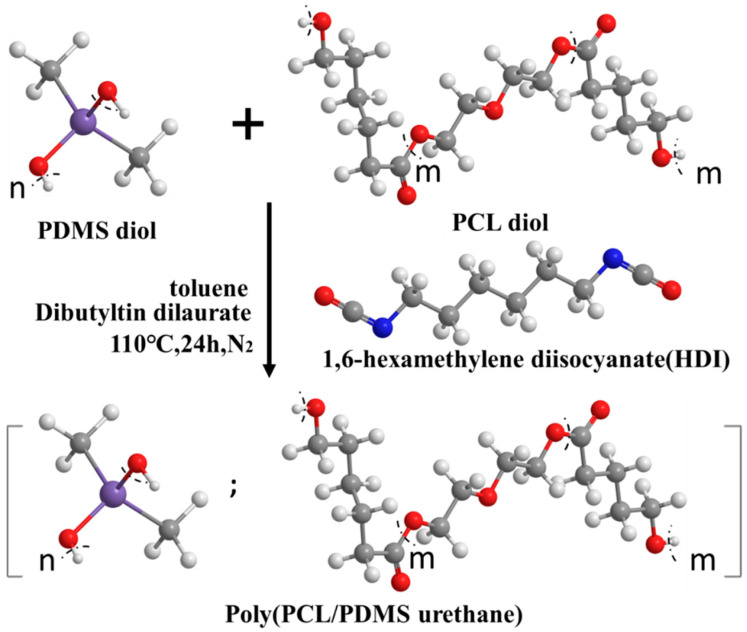
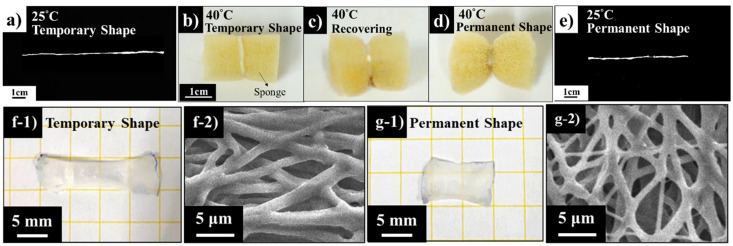
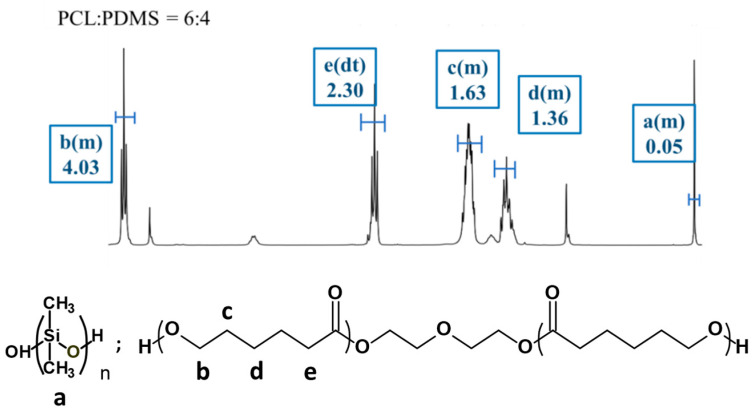
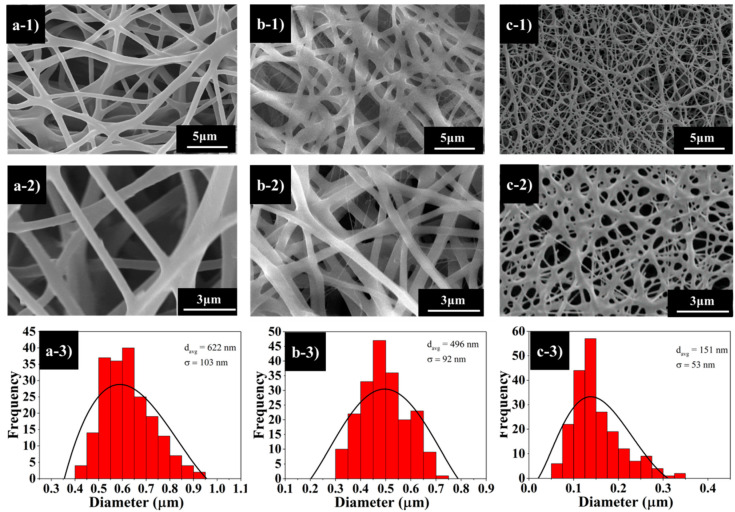
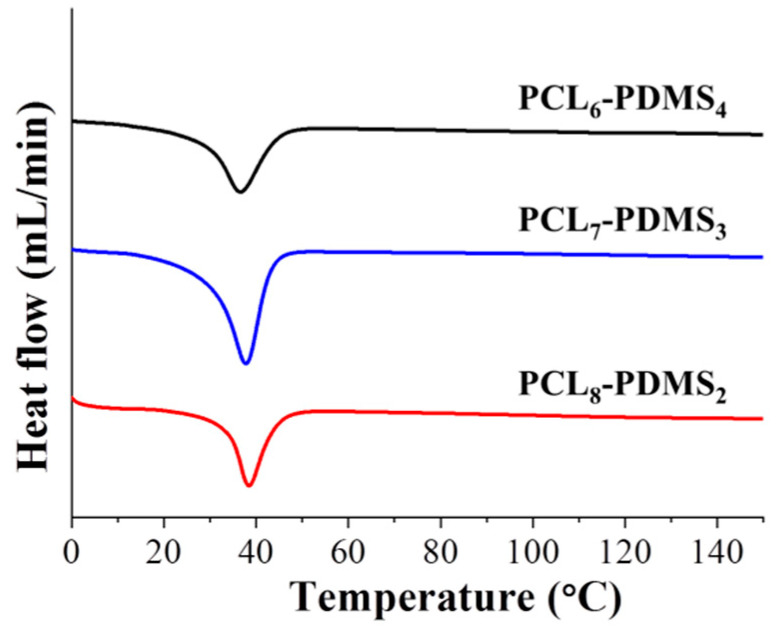
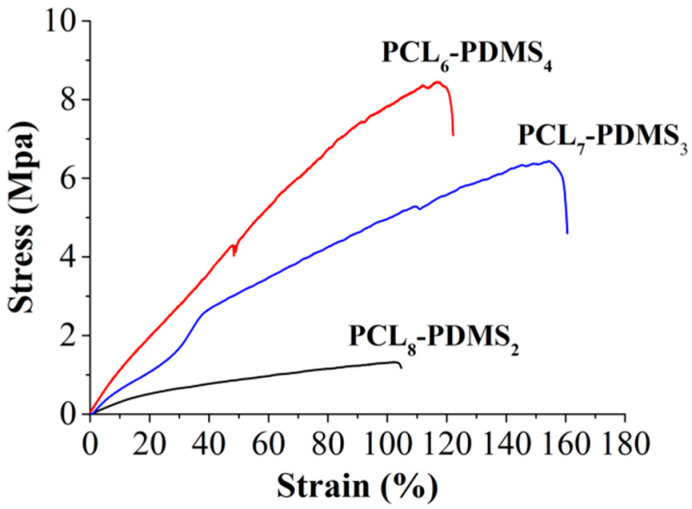
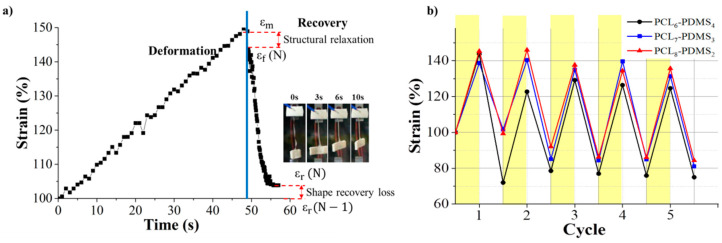
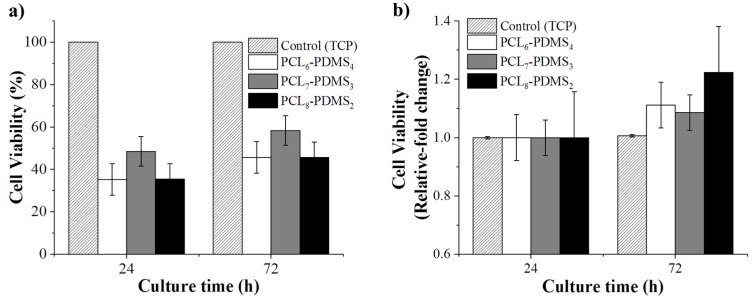
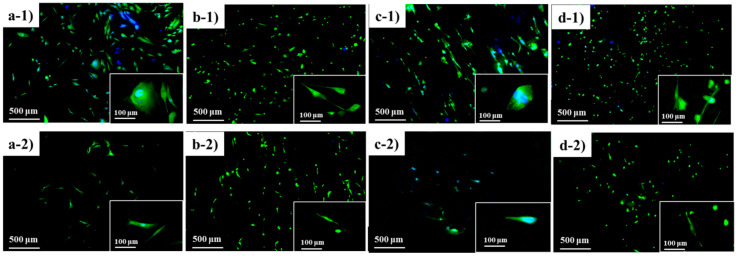
A thermally activated shape memory polymer based on the mixture of polycaprolactone (PCL) and polydimethylsiloxane (PDMS) was fabricated into the nanofibre mesh using the electrospinning process. The added percentages of the PDMS segment in the PCL-based polymer influenced the mechanical properties. Polycaprolactone serves as a switching segment to adjust the melting temperature of the shape memory electro-spun PCL-PDMS scaffolds to our body temperature at around 37 °C. Three electro-spun PCL-PDMS copolymer nanofibre samples, including PCL-PDMS, PCL-PDMS and PCL-PDMS, were characterised to study the thermal and mechanical properties along with the shape memory responses. The results from the experiment showed that the PCL switching segment ratio determines the crystallinity of the copolymer nanofibres, where a higher PCL ratio results in a higher degree of crystallinity. In contrast, the results showed that the mechanical properties of the copolymer samples decreased with the PCL composition ratio. After five thermomechanical cycles, the fabricated copolymer nanofibres exhibited excellent shape memory properties with 98% shape fixity and above 100% recovery ratio. Moreover, biological experiments were applied to evaluate the biocompatibility of the fabricated PCL-PDMS nanofibre mesh. Owing to the thermally activated shape memory performance, the electro-spun PCL-PDMS fibrous mesh has a high potential for biomedical applications such as medical shrinkable tubing and wire.
一种基于聚己内酯(PCL)和聚二甲基硅氧烷(PDMS)混合物的热致形状记忆聚合物通过静电纺丝工艺制成纳米纤维网。基于PCL的聚合物中PDMS链段的添加百分比影响了其机械性能。聚己内酯作为开关链段,可将形状记忆电纺PCL-PDMS支架的熔点调节至我们身体的温度,即约37°C。对三个电纺PCL-PDMS共聚物纳米纤维样品,包括PCL-PDMS、PCL-PDMS和PCL-PDMS进行了表征,以研究其热性能、机械性能以及形状记忆响应。实验结果表明,PCL开关链段比例决定了共聚物纳米纤维的结晶度,PCL比例越高,结晶度越高。相反,结果表明共聚物样品的机械性能随PCL组成比例的增加而降低。经过五个热机械循环后,制备的共聚物纳米纤维表现出优异的形状记忆性能,形状固定率达98%,回复率高于100%。此外,还进行了生物学实验以评估制备的PCL-PDMS纳米纤维网的生物相容性。由于具有热致形状记忆性能,电纺PCL-PDMS纤维网在生物医学应用方面具有很高的潜力,如医用可收缩管材和导线。